Legislative Activity
Track Suzanne's sponsored bills, co-sponsored legislation, and voting record
The Honoring Our Fallen Heroes Act of 2025 expands public safety officer benefits to include disability and death coverage for certain cancers presumed to be caused by on-duty exposure to carcinogens, and clarifies "line of duty" definitions for first responder benefits.
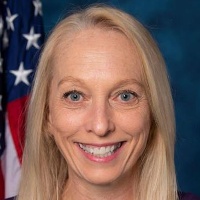
Mary Scanlon
Representative
PA
Mary Scanlon
Representative
PA
The Honoring Our Fallen Heroes Act of 2025 expands public safety officer benefits to include deaths and disabilities caused by exposure-related cancers, presuming that certain cancers diagnosed within 15 years of service are line-of-duty injuries if the officer served for at least 5 years. It defines "exposure-related cancer" and allows for updates to the list based on medical evidence, while also permitting individuals to petition for additions. The Act also clarifies "line of duty action" and applies retroactively to claims dating back to January 1, 2020, with a three-year window for filing claims based on these amendments.
The Freight RAILCAR Act of 2025 incentivizes freight railcar modernization by establishing a tax credit for qualified newly built replacement railcars and qualified railcar modernization expenditures.
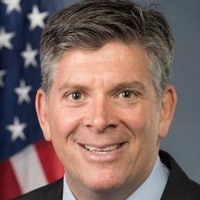
Darin LaHood
Representative
IL
Darin LaHood
Representative
IL
The "Freight RAILCAR Act of 2025" introduces a tax credit for modernizing freight railcars, encouraging investments in newer, more efficient railcars. Taxpayers can claim a credit equal to 10% of their freight railcar fleet modernization expenses, with a limit of 1,000 qualified freight railcars per year. The credit applies to railcars that increase capacity, improve fuel efficiency, or meet updated performance standards, and is available for three years after the Act's enactment. The Secretary of the Treasury is required to submit a report to Congress detailing the credit's usage and impact on railcar modernization and scrapping.
Prohibits federal funds from being used to eliminate the United States Agency for International Development (USAID) as an independent entity, requiring the Secretary of State to certify compliance.
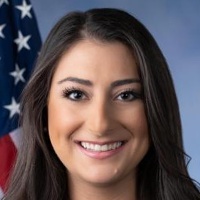
Sara Jacobs
Representative
CA
Sara Jacobs
Representative
CA
The "Protect US National Security Act" ensures that federal funds cannot be used to eliminate the United States Agency for International Development (USAID) as an independent entity. It asserts that only an act of Congress can eliminate USAID. The Secretary of State must certify compliance with this requirement to Congress within 30 days of the act's enactment and annually for 5 years.
The "Fair Play for Women Act" aims to bolster Title IX enforcement in school sports by increasing transparency, mandating training, and establishing penalties for non-compliance, to ensure equitable athletic opportunities for women and girls.
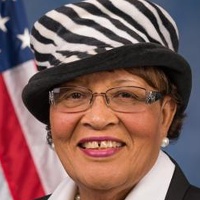
Alma Adams
Representative
NC
Alma Adams
Representative
NC
The Fair Play for Women Act aims to bolster Title IX enforcement in athletics by increasing transparency, enhancing training, and establishing clear accountability measures for educational institutions. It mandates detailed reporting on athletic opportunities, participation, and funding, broken down by sex and race, for both colleges and K-12 schools. The Act also requires annual Title IX training for athletic staff and athletes, and establishes a public database of Title IX coordinators. Finally, the Department of Education is empowered to impose civil penalties on institutions found to be non-compliant with Title IX.
This bill excludes certain veterans’ disability benefits from income calculations for HUD-VASH and other housing assistance programs to increase eligibility for unhoused disabled veterans.
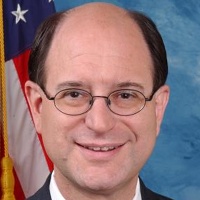
Brad Sherman
Representative
CA
Brad Sherman
Representative
CA
The Housing Unhoused Disabled Veterans Act aims to increase housing accessibility for veterans by excluding VA disability benefits from income calculations for HUD-VASH and other specific housing programs. By disregarding these benefits when determining eligibility, the bill ensures that disabled veterans can more easily qualify for essential housing assistance.
The SAFE Act amends the Social Security Act to include physical and occupational therapy benefits in Medicare annual wellness visits and initial preventive physical exams and requires the Secretary of Health and Human Services to submit an annual report to Congress regarding falls experienced by individuals aged 65 and older.
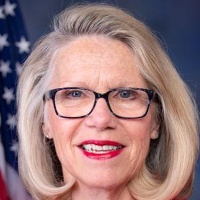
Carol Miller
Representative
WV
Carol Miller
Representative
WV
The SAFE Act amends the Social Security Act to include physical and occupational therapy benefits in Medicare annual wellness visits and initial preventive physical exams starting in 2026 for individuals determined to have fallen in the previous year. It mandates that these individuals receive falls risk assessments, fall prevention services, and outpatient therapy services. Additionally, the Act requires the Secretary of Health and Human Services to submit annual reports to Congress on falls experienced by individuals aged 65 and older.
This bill would recognize alpha-gal as a major food allergen, requiring food labels to disclose its presence.
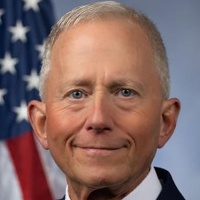
Jefferson Van Drew
Representative
NJ
Jefferson Van Drew
Representative
NJ
The Alpha-gal Allergen Inclusion Act amends the Federal Food, Drug, and Cosmetic Act to include alpha-gal, a sugar found in non-catarrhine primate mammals and red algae, as a major food allergen. This will require food labels to clearly identify the presence of alpha-gal. The amendment will take effect 18 months after the enactment of this Act, with an exception for mammal-derived ingredients where alpha-gal is below a detectable limit as determined by the Secretary.
This bill directs the Secretary of Labor to award grants to community colleges for high-quality workforce development programs in high-skill, high-wage, or in-demand sectors.
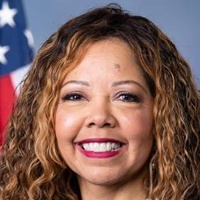
Lucy McBath
Representative
GA
Lucy McBath
Representative
GA
This bill amends the Workforce Innovation and Opportunity Act to establish a grant program through the Department of Labor, awarding funds to community colleges for the development of high-quality workforce programs that lead to credentials in high-skill, high-wage, or in-demand jobs. These grants require partnerships with employers and a focus on serving individuals with barriers to employment, with the aim of improving program quality, accessibility, and alignment with workforce needs. The bill authorizes appropriations of $65,000,000 annually from 2026 through 2031 for this purpose.
The "Freedom to Invest in Tomorrow's Workforce Act" expands the use of 529 savings accounts to cover expenses related to postsecondary credentialing programs, including tuition, fees, books, supplies, equipment, and testing fees.

Robert Wittman
Representative
VA
Robert Wittman
Representative
VA
The "Freedom to Invest in Tomorrow's Workforce Act" amends Section 529 savings accounts to include expenses related to postsecondary credentialing programs. This allows 529 funds to cover costs like tuition, fees, books, supplies, and testing fees for recognized programs and credentials, as defined by the bill. These changes would apply to distributions made after the bill is enacted.
This bill establishes a Department of Peacebuilding to coordinate government efforts in nonviolent conflict resolution and violence reduction, aiming to make peace a national policy objective.

Ilhan Omar
Representative
MN
Ilhan Omar
Representative
MN
This bill establishes a Department of Peacebuilding within the executive branch to coordinate and promote peace-related efforts, both domestically and internationally, through nonviolent conflict resolution and violence reduction strategies. The department will be led by a Secretary of Peacebuilding and will include offices focused on peace education, domestic and international peacebuilding, technology for peace, and human rights. It emphasizes collaboration with other agencies and allocates resources, with a focus on domestic peace programs, to implement these initiatives. The bill also directs the Secretary to propose legislative changes, encourages the promotion of peace through Peace Days, and defines key terms to ensure clarity in the Act's implementation.
The Protect Our Letter Carriers Act of 2025 authorizes $7 billion to upgrade postal security infrastructure while mandating dedicated federal prosecutors for postal crimes and increasing sentencing guidelines for assaults against postal employees.
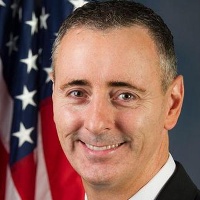
Brian Fitzpatrick
Representative
PA
Brian Fitzpatrick
Representative
PA
The Protect Our Letter Carriers Act of 2025 aims to enhance the safety of postal workers by funding high-security infrastructure upgrades, including electronic mailbox keys. The bill also mandates the appointment of dedicated federal prosecutors for postal crimes in every judicial district and requires stricter sentencing guidelines for those who assault or rob postal employees.
Establishes a commission to study the feasibility of creating a National Museum of Italian American History and Culture in Washington, D.C., funded through private contributions.
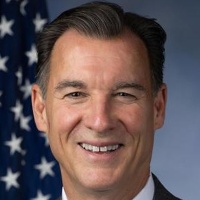
Thomas Suozzi
Representative
NY
Thomas Suozzi
Representative
NY
This bill establishes a commission to study the feasibility of creating a National Museum of Italian American History and Culture in Washington, D.C. The commission will develop recommendations for a plan of action, including a fundraising plan to support the museum's establishment, operation, and maintenance without federal funds. The commission will submit reports to the President and Congress, and will conclude 30 days after submitting its final reports. No federal funds will be used for the commission's work.
The "Taxpayer Data Protection Act" limits access to the Treasury Department's payment systems to authorized personnel and requires investigation and reporting of unauthorized access.

Haley Stevens
Representative
MI
Haley Stevens
Representative
MI
The Taxpayer Data Protection Act limits access to the Treasury Department's payment systems to Treasury employees or contractors with satisfactory performance reviews and security clearances. It sets specific criteria for individuals accessing the system, including conflict of interest restrictions, training, and ethics agreements. The Act also mandates the Treasury Department's Inspector General to investigate and report to Congress on any unauthorized system use.
The Scientific Integrity Act mandates federal agencies to establish and enforce scientific integrity policies that protect scientific research from political interference, ensure open communication of scientific findings, and provide whistleblower protection for scientists.
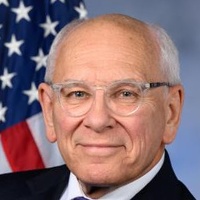
Paul Tonko
Representative
NY
Paul Tonko
Representative
NY
The Scientific Integrity Act mandates that federal agencies that fund, conduct, or oversee scientific research establish and enforce scientific integrity policies. These policies aim to protect scientists from political interference, ensure the open communication of scientific findings, and establish clear processes for reporting and addressing scientific misconduct. The Act requires agencies to appoint Scientific Integrity Officers, provide regular training, and report on misconduct complaints, with oversight from the Office of Science and Technology Policy and Congress. It also protects the rights of federal employees and contractors to share their findings and prevents the suppression or distortion of scientific data.
The "Protecting Sensitive Locations Act" restricts immigration enforcement actions at sensitive locations like schools and places of worship, requiring discretion and oversight.
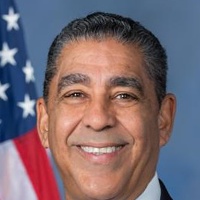
Adriano Espaillat
Representative
NY
Adriano Espaillat
Representative
NY
The "Protecting Sensitive Locations Act" amends the Immigration and Nationality Act to restrict immigration enforcement actions within 1,000 feet of sensitive locations like schools, hospitals, and places of worship, except in exigent circumstances. It mandates training, reporting, and oversight for enforcement activities near these locations, and invalidates evidence obtained in violation of the Act. The Act aims to ensure discretion and limit enforcement impact on sensitive community spaces, while also requiring annual reports to Congress on enforcement actions taken in sensitive locations.
This resolution supports the goals and ideals of "Career and Technical Education Month" by recognizing the vital role of CTE programs in building a skilled workforce and strengthening the U.S. economy.
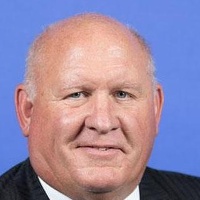
Glenn Thompson
Representative
PA
Glenn Thompson
Representative
PA
This resolution supports the designation of "Career and Technical Education Month" to celebrate the vital role of CTE programs in building a skilled workforce. It highlights how these programs provide students with essential training and credentials that align with modern economic demands. Furthermore, it encourages educators and parents to promote CTE as a respected and effective educational pathway for future success.
The Love Lives On Act of 2025 ensures that surviving spouses of veterans and service members retain their earned dependency compensation, survivor benefits, and TRICARE eligibility regardless of remarriage.
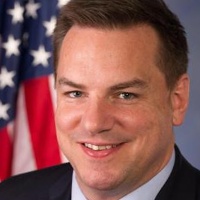
Richard Hudson
Representative
NC
Richard Hudson
Representative
NC
The Love Lives On Act of 2025 ensures that surviving spouses of veterans and service members retain their earned benefits, including dependency and indemnity compensation, educational assistance, and Survivor Benefit Plan annuities, regardless of remarriage. Additionally, the bill expands TRICARE eligibility to include widows and widowers whose subsequent marriages have ended. This legislation protects the financial security and healthcare access of surviving families by removing penalties associated with remarriage.
The Caring for All Families Act expands the Family and Medical Leave Act to cover a broader range of family relationships and introduces new leave entitlements for parental involvement and routine family wellness.
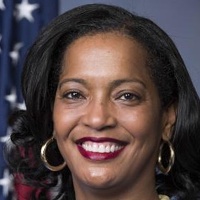
Jahana Hayes
Representative
CT
Jahana Hayes
Representative
CT
The Caring for All Families Act expands the Family and Medical Leave Act (FMLA) to allow employees to take job-protected leave to care for a broader range of family members, including domestic partners, extended relatives, and individuals with close, family-like bonds. Additionally, the bill introduces a new leave entitlement for parental involvement and family wellness, providing up to 24 hours of leave per year for school activities and routine medical care. These updates apply to both private-sector and federal employees to better support modern caregiving needs.
This bill codifies Executive Order 11246 to establish the principles of Equal Employment Opportunity as permanent federal law.
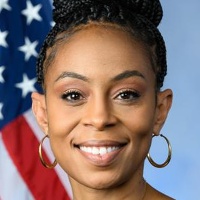
Shontel Brown
Representative
OH
Shontel Brown
Representative
OH
This bill formally codifies Executive Order 11246, "Equal Employment Opportunity," into federal law. By establishing these protections as statute, the legislation ensures the long-standing mandate against employment discrimination by federal contractors remains permanent and legally binding.
The Job Protection Act expands access to family and medical leave by reducing the employment eligibility requirement to 90 days and extending coverage to employees at all businesses, regardless of size.

Lauren Underwood
Representative
IL
Lauren Underwood
Representative
IL
The Job Protection Act expands access to family and medical leave by reducing the required length of employment from 12 months to just 90 days for all eligible workers. Additionally, the bill extends these leave requirements to all employers, regardless of company size, ensuring that virtually all employees are covered.