
Legislative Activity
Track Tammy's sponsored bills, co-sponsored legislation, and voting record
The Data Care Act of 2025 mandates that online service providers adhere to strict duties of care, loyalty, and confidentiality when handling user data, while empowering the FTC and state attorneys general to enforce these protections.
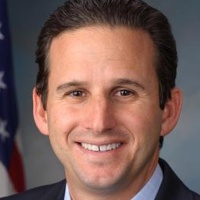
Brian Schatz
Senator
HI
Brian Schatz
Senator
HI
The Data Care Act of 2025 establishes essential duties of care, loyalty, and confidentiality for online service providers regarding the handling of user data. It mandates that companies protect sensitive information, prevent harmful data usage, and ensure third-party compliance. The legislation empowers the Federal Trade Commission and state attorneys general to enforce these standards and hold providers accountable for violations.
This joint resolution disapproves and nullifies the Department of Health and Human Services' recent rule regarding adherence to the text of the Administrative Procedure Act.
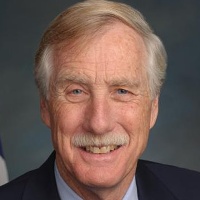
Angus King
Senator
ME
Angus King
Senator
ME
This joint resolution expresses Congress's disapproval of a recent rule issued by the Department of Health and Human Services (HHS) concerning adherence to the text of the Administrative Procedure Act (APA). By invoking the Congressional Review Act, this resolution immediately nullifies the proposed HHS policy. Consequently, the new rule regarding APA adherence will have no legal effect.
The Schedules That Work Act establishes rights for employees to request predictable work schedules and mandates advance notice, predictability pay, and rest periods for workers in covered sectors.
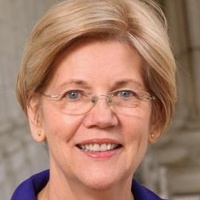
Elizabeth Warren
Senator
MA
Elizabeth Warren
Senator
MA
The Schedules That Work Act aims to provide employees, particularly those in retail, food service, and warehouse sectors, with greater stability and predictability in their work hours. It grants employees the right to request schedule changes for caregiving, education, or other needs, and requires employers to discuss these requests in good faith. Furthermore, the Act mandates advance notice of schedules, predictability pay for last-minute changes, and a minimum rest period between shifts.
This act eliminates origination fees on Federal Direct Loans and Federal Direct Consolidation Loans.
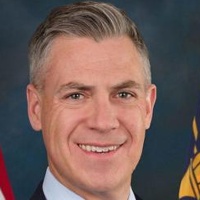
Jim Banks
Senator
IN
Jim Banks
Senator
IN
The Student Loan Tax Elimination Act aims to reduce the cost of federal student loans by eliminating origination fees. This change will apply to new Federal Direct Loans and Direct Consolidation Loans disbursed or applied for after July 1 following the enactment of the law.
This Act expands access to FMLA leave for part-time workers and prohibits employment discrimination based on scheduled hours while requiring employers to offer desired hours to existing employees before hiring new staff.
Elizabeth Warren
Senator
MA
Elizabeth Warren
Senator
MA
The Part-Time Worker Bill of Rights Act aims to expand protections for part-time and temporary workers. It eliminates the hours-of-service requirement for FMLA leave, making eligibility based only on 90 days of employment. Furthermore, the bill prohibits discrimination against these workers regarding pay, scheduling, and benefits compared to their full-time counterparts. It also mandates that employers must offer available hours to existing employees before hiring new staff.
This resolution designates November 2025 as National Hospice and Palliative Care Month to recognize the vital role of these services in improving the quality of life for individuals with serious illnesses.

Jacky Rosen
Senator
NV
Jacky Rosen
Senator
NV
This resolution designates November 2025 as National Hospice and Palliative Care Month to recognize the critical role these services play in improving the quality of life for individuals with serious illnesses and their families. It highlights the comprehensive, interdisciplinary care provided, which focuses on symptom management, emotional support, and caregiver assistance. The resolution encourages increased public awareness of hospice and palliative care options and honors the dedication of the professionals and volunteers who provide this essential support.
This bill prohibits the implementation of the WISeR model and similar payment models under the Medicare program to protect seniors' care.
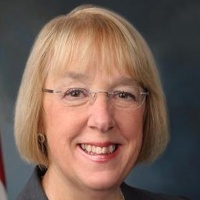
Patty Murray
Senator
WA
Patty Murray
Senator
WA
The Seniors Deserve SMARTER Care Act of 2025 aims to protect Medicare beneficiaries by prohibiting the implementation of the Wasteful and Inappropriate Services Reduction (WISeR) model. This legislation prevents the Department of Health and Human Services from introducing the WISeR model or any substantially similar payment and service delivery system under Medicare.
This resolution commemorates the 50th anniversary of Southeast Asian refugee resettlement and honors the immense contributions, sacrifices, and resilience of Southeast Asian Americans.

Mazie Hirono
Senator
HI
Mazie Hirono
Senator
HI
This resolution commemorates the 50th anniversary of Southeast Asian refugee resettlement in the United States. It honors the immense sacrifices and significant contributions of Southeast Asian Americans across all sectors of American life. The bill also acknowledges the challenges these communities have faced since arriving. Finally, it reaffirms the nation's commitment to supporting these vibrant communities.
The Keeping All Students Safe Act bans dangerous restraint and seclusion in federally funded schools while establishing national standards, mandatory reporting, and state plans to promote safer, preventative behavioral interventions.

Christopher Murphy
Senator
CT
Christopher Murphy
Senator
CT
The Keeping All Students Safe Act prohibits dangerous restraint and seclusion practices in federally funded schools and educational programs. It establishes strict national standards for when physical restraint is permitted, mandates comprehensive staff training, and empowers parents with immediate notification rights and the ability to sue for violations. Furthermore, the bill requires states to submit plans, publicly report data on restraint incidents, and utilize federal grants to implement preventative, evidence-based safety strategies.
This act mandates the completion of a federal background check before any firearm transfer can occur, eliminating the previous three-day default transfer provision.
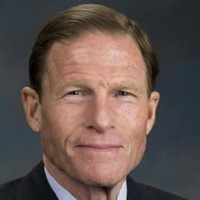
Richard Blumenthal
Senator
CT
Richard Blumenthal
Senator
CT
The Background Check Completion Act of 2025 mandates that a completed background check must occur before any firearm transfer can take place. This law removes the previous "default proceed" provision that allowed transfers after three business days if the check was incomplete. It also updates related federal laws to align with this new, stricter requirement.
The Honor Our Promise to Veterans Act of 2025 overhauls the VA’s community care system, strengthens workforce recruitment and retention, and modernizes infrastructure to ensure veterans receive timely, high-quality care.
Richard Blumenthal
Senator
CT
Richard Blumenthal
Senator
CT
The Honor Our Promise to Veterans Act of 2025 is a comprehensive legislative package designed to improve the quality, transparency, and accessibility of veteran healthcare. The bill overhauls the VA’s community care system with stricter oversight and appointment deadlines, while simultaneously strengthening internal operations through enhanced staffing, recruitment, and education initiatives. Additionally, it establishes a long-term framework for modernizing VA infrastructure to ensure facilities are better equipped to meet the evolving needs of all veterans.
This bill mandates new outreach and education efforts to help Medicare beneficiaries authorize family caregivers to access their health information via the 1-800-MEDICARE line.
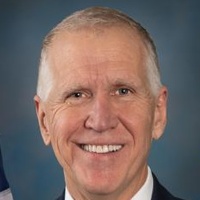
Thom Tillis
Senator
NC
Thom Tillis
Senator
NC
The Connecting Caregivers to Medicare Act of 2025 aims to simplify how Medicare beneficiaries authorize family caregivers to access their health information via the 1-800-MEDICARE line. This bill mandates comprehensive outreach and education to inform beneficiaries, caregivers, and providers about this authorization option. It also requires the development of best practices to protect beneficiaries from fraud related to accessing personal health information.
This bill establishes a permanent U.S. program, led by a Special Envoy, to promote and defend the human rights of LGBTQI people globally through policy, foreign assistance, and mandatory reporting.
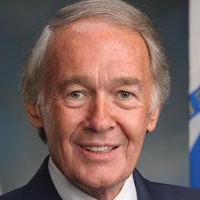
Edward Markey
Senator
MA
Edward Markey
Senator
MA
The International Human Rights Defense Act of 2025 establishes a permanent program within the Department of State, led by a dedicated Special Envoy, to protect and promote the human rights of LGBTQI people globally. This bill mandates the creation of a comprehensive U.S. Global Strategy to address international discrimination and violence against this community. Furthermore, it authorizes foreign assistance to support local organizations and requires detailed reporting on LGBTQI human rights abuses in annual State Department reports.
This bill establishes comprehensive federal rights and protections for domestic workers, including overtime pay, guaranteed sick leave, written agreements, and creates a standards board to recommend future workplace improvements.

Kirsten Gillibrand
Senator
NY
Kirsten Gillibrand
Senator
NY
The Domestic Workers Bill of Rights Act seeks to establish comprehensive federal labor protections for domestic workers, including nannies, caregivers, and housekeepers. It mandates key standards such as overtime pay, earned sick leave, written work agreements, and fair scheduling practices. The bill also creates a standards board to recommend future workplace improvements and includes funding mechanisms to help states cover the costs of extending these protections to Medicaid-funded in-home care providers. Ultimately, this legislation aims to increase job security, predictability, and legal recourse for this historically excluded workforce.
This bill establishes the AGRITOURISM Act to promote and support rural innovation and tourism activities through the creation of an Agritourism Advisor within the USDA.

Ron Wyden
Senator
OR
Ron Wyden
Senator
OR
This bill, the AGRITOURISM Act, establishes an Agritourism Advisor within the USDA to promote and encourage agritourism activities nationwide. It recognizes the significant financial, educational, and cultural benefits that agritourism provides to rural communities and their agricultural enterprises. The Advisor will coordinate efforts within the USDA and with external partners to share best practices and improve access to federal resources for these businesses.
This resolution condemns white supremacy, antisemitism, and the platforming of extremist figures like Nick Fuentes by media personalities and institutional leaders.
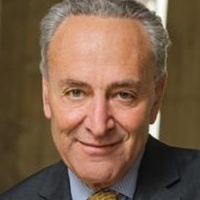
Charles Schumer
Senator
NY
Charles Schumer
Senator
NY
This resolution strongly condemns white supremacy, hate, and antisemitism, specifically targeting the promotion of these dangerous ideologies by Nick Fuentes. It further condemns Tucker Carlson and Kevin Roberts for platforming and defending Fuentes's documented antisemitic and Holocaust-denying statements. The resolution affirms the nation's commitment to fighting antisemitism and urges all leaders to reject these hateful views.
This bill prohibits the use of U.S. military force for hostilities against Venezuela unless specifically authorized by Congress.

Jeff Merkley
Senator
OR
Jeff Merkley
Senator
OR
This bill, the Prohibiting Unauthorized Military Action in Venezuela Act of 2025, strictly prohibits the use of U.S. military funds for hostilities against Venezuela. Any military action must be specifically authorized by a new law passed by Congress or authorized consistent with the War Powers Resolution. The Act maintains exceptions for self-defense or defense of U.S. personnel, as well as for humanitarian aid and certain counternarcotics operations.
This joint resolution directs the President to remove U.S. Armed Forces from hostilities within or against Venezuela unless Congress specifically authorizes such use of force.
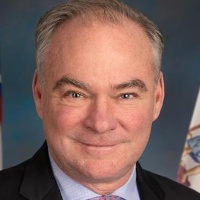
Timothy Kaine
Senator
VA
Timothy Kaine
Senator
VA
This joint resolution directs the President to remove U.S. Armed Forces from any hostilities within or against Venezuela that have not been explicitly authorized by Congress. It affirms Congress's constitutional authority to declare war and mandates expedited procedures for considering this measure. The resolution ensures that any ongoing military action against Venezuela ceases unless Congress provides a specific authorization for the use of force.
This Act establishes grants for eligible entities to develop or expand in-person and virtual peer support programs to assist family caregivers.
Edward Markey
Senator
MA
Edward Markey
Senator
MA
The Family Caregiver Peer Support Act establishes a grant program to develop and expand peer support services for family caregivers, available both in-person and virtually. These grants will fund programs that offer emotional support and assistance with administrative tasks, while prioritizing underserved populations. The legislation also supports training for peer support specialists and ensures language access for diverse caregiver communities.
This bill allocates funding for research on family caregivers and amends definitions and provisions within the Older Americans Act of 1965 to support them.
Edward Markey
Senator
MA
Edward Markey
Senator
MA
This Act, the Family Caregiving Research and Innovation Act, allocates significant funding through 2030 to support research and evidence-based practices for family caregivers under the Older Americans Act. It also updates and clarifies the definitions of "family caregiver" and introduces a definition for "older relative caregiver." Finally, the bill amends the National Family Caregiver Support Program to focus its support services on family caregivers.