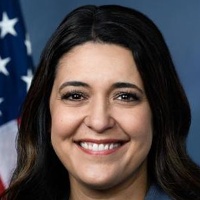
Legislative Activity
Track Stephanie's sponsored bills, co-sponsored legislation, and voting record
This bill authorizes the creation and sale of commemorative coins for the 2028 Los Angeles and 2034 Salt Lake City Olympic and Paralympic Games to help fund the events, with all surcharges going to the respective organizing committees after covering production costs.
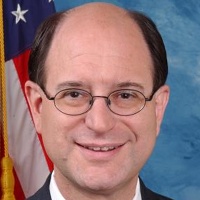
Brad Sherman
Representative
CA
Brad Sherman
Representative
CA
This Act authorizes the Secretary of the Treasury to mint and sell special commemorative coins for the 2028 Los Angeles Olympic and Paralympic Games and the 2034 Salt Lake City Winter Olympic and Paralympic Games. The coins will feature designs celebrating American athletes and the Games themselves. All surcharges collected from the sale of these coins will be directed to the respective organizing committees to help fund the events and related youth sports programs. The entire program must be conducted at no cost to the U.S. Government.
This bill mandates that elementary, secondary, and higher education institutions must certify compliance with biological fairness requirements in women's sports to receive federal funding, with penalties for non-compliance.
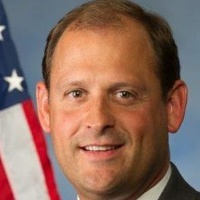
Garland Barr
Representative
KY
Garland Barr
Representative
KY
The Defend Girls Athletics Act mandates that elementary, secondary, and higher education institutions must certify compliance with Executive Order 14201 regarding biological fairness in women's sports to receive federal funding. This certification must be renewed annually for K-12 districts and by July 1st for colleges and universities. Failure to comply or report results in the immediate requirement to return unobligated federal funds and ineligibility for future federal financial assistance until compliance is restored.
This resolution solemnly marks the one-year anniversary of the attempted assassination of President Trump, condemns ongoing political violence, and honors the victims and first responders.

Mike Kelly
Representative
PA
Mike Kelly
Representative
PA
This resolution solemnly marks the one-year anniversary of the attempted assassination of President Donald J. Trump, condemning the multiple violent attempts against the President's life. It honors the victims of the shooting, including the late Corey D. Comperatore, and recognizes the bravery of first responders. Furthermore, the resolution condemns all incitement of violence against elected officials and calls for national unity against political violence.
The STRONG Act doubles the maximum loan amounts available for both SBA 7(a) small business loans and development company loans to support national growth.
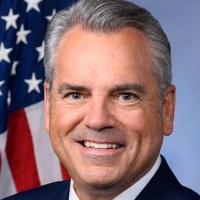
Mark Alford
Representative
MO
Mark Alford
Representative
MO
The Supporting Trade and Rebuilding Opportunity for National Growth Act, or STRONG Act, significantly increases the maximum loan amounts available through key Small Business Administration (SBA) programs. Specifically, it doubles the maximum size for standard 7(a) loans from $\$3.75$ million to $\$7.5$ million. Additionally, the bill raises the maximum loan amount for development company loans from $\$5$ million to $\$10$ million. These changes aim to provide greater capital access for small business growth and development.
This bill allows associations of employers to sponsor group health plans, treating them as a single employer under ERISA, with specific requirements for plan structure and premium rating.
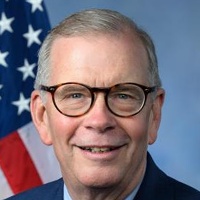
Tim Walberg
Representative
MI
Tim Walberg
Representative
MI
The Association Health Plans Act amends federal law to allow certain groups or associations of employers to sponsor a single group health plan, treating them as a single employer for coverage purposes. This aims to expand access to health coverage by enabling broader risk pooling across different industries. The bill establishes specific criteria these associations must meet to qualify, including minimum size and operational standards. Finally, it outlines rules for setting premium rates and prohibits discrimination based on health status for plans established under this Act.
This Act prohibits discrimination against qualified individuals with disabilities in all aspects of the organ transplant process, requiring reasonable accommodations and support structures.

Katherine Cammack
Representative
FL
Katherine Cammack
Representative
FL
The Charlotte Woodward Organ Transplant Discrimination Prevention Act prohibits discrimination against qualified individuals with disabilities in all aspects of the organ transplant process. This legislation ensures that a disability alone cannot be a basis for denying a transplant, referral, or listing. It mandates reasonable modifications and the provision of necessary support, including recognizing support networks, unless the disability presents a medically significant barrier to the transplant itself. The Act ensures these protections apply from initial evaluation through post-transplant care and does not diminish existing state or local protections.
This resolution affirms U.S. support for Israel's actions to dismantle Iran's nuclear capabilities and condemns Iran's retaliatory attacks on Israeli civilians.

Claudia Tenney
Representative
NY
Claudia Tenney
Representative
NY
This resolution expresses the strong support of the U.S. Congress for Israel's recent military actions aimed at dismantling Iran's nuclear enrichment capabilities. It condemns Iran's advancement toward nuclear weapons and its retaliatory attacks against Israeli civilians. Furthermore, the bill urges Iran to immediately cease all nuclear activities and reaffirms the United States' commitment to Israel's security.
This bill mandates the executive branch to rapidly streamline federal processes for exploring and developing critical minerals from the U.S. seabed and in partnership with allies to secure domestic supply chains.

Mike Ezell
Representative
MS
Mike Ezell
Representative
MS
This bill aims to unleash America's access to critical minerals on the seabed by accelerating domestic exploration and recovery efforts. It mandates federal agencies to establish expedited processes, within 60 days, for issuing licenses and permits for mineral recovery on the Outer Continental Shelf and in international waters. The legislation seeks to secure vital supply chains for national security and energy while establishing U.S. leadership in responsible seabed resource development.
This proposed constitutional amendment grants Congress the explicit power to prohibit the physical desecration of the United States flag.
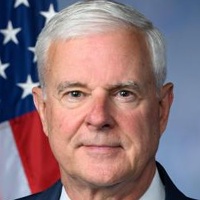
Steve Womack
Representative
AR
Steve Womack
Representative
AR
This proposed constitutional amendment seeks to grant Congress the explicit power to prohibit the physical desecration of the United States flag. If ratified by three-fourths of the states within seven years, this would allow Congress to enact federal laws protecting the flag from physical damage or destruction.
This Act mandates that colleges receiving federal aid establish and clearly communicate policies and resources regarding leave, accommodations, financial aid, and support services for expectant and parenting students.

Lucy McBath
Representative
GA
Lucy McBath
Representative
GA
The Helping Student Parents Succeed Act requires colleges receiving federal aid to establish clear policies supporting expectant and parenting students. These institutions must provide comprehensive information regarding academic accommodations, financial aid adjustments like dependent care allowances, and available support services. The bill ensures these students are fully informed of their rights, available resources, and complaint procedures related to pregnancy and parental status.
This resolution seeks to disapprove and nullify the Environmental Protection Agency's rule regarding California's Low NOX vehicle and engine pollution control standards.
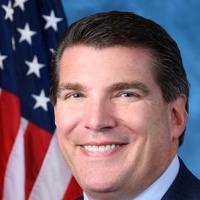
Jay Obernolte
Representative
CA
Jay Obernolte
Representative
CA
This joint resolution seeks to disapprove and nullify a specific rule issued by the Environmental Protection Agency (EPA) regarding California's stringent motor vehicle and engine pollution control standards, known as the "Omnibus Low NOX Regulation." By exercising disapproval under the Congressional Review Act, this measure prevents the EPA's decision on waiving federal preemption for these California standards from taking legal effect. If passed, the EPA's rule will be entirely canceled.
This joint resolution disapproves the EPA's rule allowing California to implement its Advanced Clean Cars II vehicle pollution control standards.
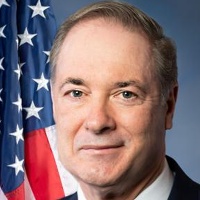
John Joyce
Representative
PA
John Joyce
Representative
PA
This joint resolution expresses Congressional disapproval of the Environmental Protection Agency's (EPA) rule regarding California's "Advanced Clean Cars II" vehicle pollution standards. By rejecting this rule, Congress is effectively canceling the EPA's decision to grant California a waiver allowing it to set stricter emission standards than federal law typically permits. Consequently, the approved California standards will not take effect.
This Act prohibits the retirement or fuel source conversion of certain dispatchable power plants in areas deemed at high or elevated risk of electricity supply shortfalls, while providing a pathway for financial relief or exemptions under specific reliability and financial hardship criteria.

Julie Fedorchak
Representative
ND
Julie Fedorchak
Representative
ND
The Baseload Reliability Protection Act prohibits owners of certain dispatchable power plants in areas facing high or elevated risk of electricity shortages from retiring those units or switching their fuel source. Owners can seek an exemption from this ban from FERC, which must grant it if continued operation causes financial hardship or if retirement does not harm grid reliability. The Department of Energy may offer financial assistance to keep essential, money-losing plants operational.
The ADINA Act mandates that drugs containing major food allergens or ingredients derived from gluten-containing grains must clearly display this information on their labels.

Kelly Morrison
Representative
MN
Kelly Morrison
Representative
MN
The ADINA Act mandates that prescription and over-the-counter drugs must clearly label if they contain ingredients derived from major food allergens or gluten-containing grains. This new requirement aims to protect consumers by ensuring transparency regarding potential allergens in medications. Drugs failing to include this specific warning will be considered misbranded under federal law.
The Weather Act Reauthorization Act of 2025 comprehensively updates federal weather programs to prioritize public safety, modernize infrastructure through AI and commercial data integration, and improve forecasting for severe weather, agriculture, and emerging threats like heat and landslides.

Frank Lucas
Representative
OK
Frank Lucas
Representative
OK
The Weather Act Reauthorization Act of 2025 is a comprehensive bill designed to significantly enhance U.S. weather forecasting, research, and public safety capabilities. It mandates that public safety be the absolute top priority for NOAA, authorizes funding for modernization across computing and radar systems, and establishes new programs to improve forecasts for severe weather like tornadoes and hurricanes. Furthermore, the legislation focuses on integrating commercial data, improving risk communication through social science, and enhancing predictions crucial for agriculture and water management.
This resolution expresses support for designating the month of July as "American Patriotism Month" to honor the nation's history, values, and sacrifices.
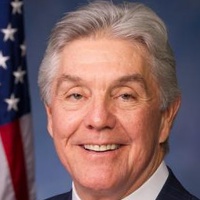
Roger Williams
Representative
TX
Roger Williams
Representative
TX
This resolution expresses support for officially designating the month of July as "American Patriotism Month." It recognizes the historical significance of American patriotism and encourages citizens and groups to observe the month with appropriate ceremonies celebrating U.S. history and values. The bill further asks the President to issue a yearly proclamation supporting this designation.
This Act mandates significant, detailed annual reporting improvements for both the Veterans Health Administration and the Veterans Benefits Administration, alongside the creation of secure data-sharing systems for approved researchers.
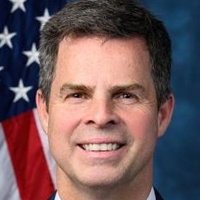
John McGuire
Representative
VA
John McGuire
Representative
VA
The VA Data Transparency and Trust Act mandates significant, detailed annual reporting from both the Veterans Health Administration (VHA) and the Veterans Benefits Administration (VBA) for five years. This new law requires comprehensive data on veteran care, demographics, benefit recipients, and claims processing times to be made public. Furthermore, it establishes secure, anonymized data-sharing systems to allow approved researchers access to detailed VHA and VBA information.
This bill expresses Congressional disapproval of the Environmental Protection Agency's final rule setting National Emission Standards for Hazardous Air Pollutants for the rubber tire manufacturing industry.
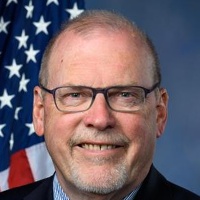
H. Griffith
Representative
VA
H. Griffith
Representative
VA
This bill expresses the disapproval of Congress, under the Congressional Review Act, of a specific rule issued by the Environmental Protection Agency (EPA). The rejected rule concerned the National Emission Standards for Hazardous Air Pollutants for the rubber tire manufacturing industry. As a result of this disapproval, the EPA's proposed standards will not take effect.
This resolution strongly condemns the rise of antisemitism in the United States and honors the memory of Yaron Lischinsky and Sarah Milgrim, who were murdered while promoting peace.

Addison McDowell
Representative
NC
Addison McDowell
Representative
NC
This resolution strongly condemns the rise of antisemitism in the United States and around the world. It specifically honors the memory of Yaron Lischinsky and Sarah Milgrim, who were tragically murdered while promoting peace. Ultimately, Congress reaffirms its commitment to combating all forms of hate and ensuring the vigorous enforcement of laws protecting religious freedom.
This bill mandates comprehensive federal data collection and reporting on attacks, aggression, and mental wellness to improve law enforcement officer safety and support.
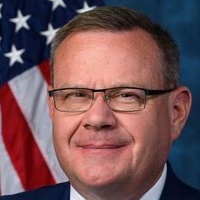
Tim Moore
Representative
NC
Tim Moore
Representative
NC
This bill mandates comprehensive federal reporting to better understand and address violence, aggression, and wellness challenges facing law enforcement officers. It requires the Attorney General to produce detailed reports analyzing attacks on officers, potential new data collection methods for non-criminal aggressive incidents, and the state of officer mental health resources. The goal is to use this improved data to recommend better federal, state, and local responses and support systems for officers.