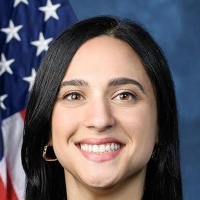
Legislative Activity
Track Yassamin's sponsored bills, co-sponsored legislation, and voting record
This Act provides appropriations and mandates contract price adjustments to compensate federal contractor employees for losses incurred due to funding lapses or government shutdowns.
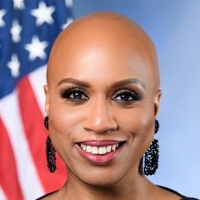
Ayanna Pressley
Representative
MA
Ayanna Pressley
Representative
MA
The Fair Pay for Federal Contractors Act of 2025 ensures that employees of federal contractors are compensated for losses incurred due to government funding lapses or shutdowns. It requires federal agencies to adjust existing contracts to cover reasonable costs associated with furloughs, pay cuts, or mandatory leave taken by contractor employees. The bill appropriates necessary funds to cover these contract price adjustments and mandates public reporting on the compensation provided.
This act expands physical therapists' participation in the National Health Service Corps loan repayment program and ensures Medicare coverage for their services at Rural Health Clinics and Federally Qualified Health Centers.
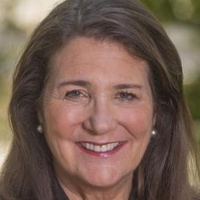
Diana DeGette
Representative
CO
Diana DeGette
Representative
CO
The Physical Therapist Workforce and Patient Access Act of 2025 aims to increase patient access to physical therapy, recognizing its importance in pain management and recovery. This bill integrates physical therapists into the National Health Service Corps, making them eligible for loan repayment in underserved areas. Furthermore, it mandates that Medicare Rural Health Clinics and Federally Qualified Health Centers cover physical therapy services starting in 2027.
This bill establishes a process for federal employees, contractors, and states to be reimbursed for financial costs incurred due to government shutdowns.
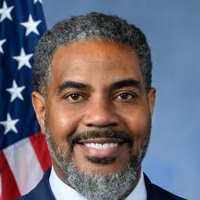
Steven Horsford
Representative
NV
Steven Horsford
Representative
NV
The Pay Workers What They've Earned Act aims to reimburse federal employees and contractors for direct financial costs incurred due to government shutdowns. This legislation specifically covers expenses like late fees and interest charges resulting from missed paychecks during a lapse in funding. It also establishes a process for states to be reimbursed if they use their own funds to cover normally federal responsibilities during extended shutdowns. The bill creates a dedicated Treasury fund to ensure timely payments to affected workers in the future.
The Child Care for Every Community Act establishes a national framework to guarantee universal access to high-quality, regulated early learning programs with mandated national standards and comparable pay for staff.
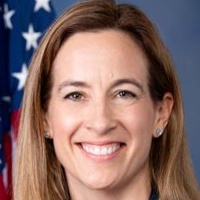
Mikie Sherrill
Representative
NJ
Mikie Sherrill
Representative
NJ
The Child Care for Every Community Act establishes a national framework to guarantee universal access to high-quality, regulated child care and early learning programs for every young child. It mandates federal standards for quality, ensures child care staff receive pay comparable to K-12 employees, and requires local coordination with school systems. Furthermore, the bill protects existing state funding levels and caps family fees based on income.
The Pray Safe Act of 2025 establishes a Department of Homeland Security Federal Clearinghouse to publish evidence-based safety and security best practices and information on federal grants for nonprofit organizations, faith-based organizations, and houses of worship.
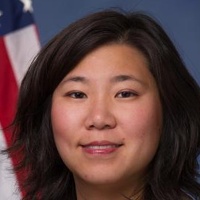
Grace Meng
Representative
NY
Grace Meng
Representative
NY
The Pray Safe Act of 2025 establishes a Federal Clearinghouse within the Department of Homeland Security to publish evidence-based safety and security best practices for nonprofit organizations, faith-based organizations, and houses of worship. This Clearinghouse will centralize information on security recommendations and available federal grant programs to help these entities prevent and respond to threats. The Act also mandates a GAO report evaluating existing federal security grant programs for these organizations.
This bill prohibits the removal of Federal employees during a lapse in discretionary appropriations, ensuring job security for civil servants during government shutdowns.
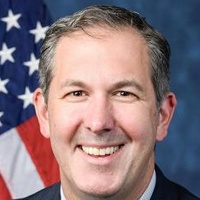
Johnny Olszewski
Representative
MD
Johnny Olszewski
Representative
MD
This bill prohibits federal agencies from removing civil service employees during any lapse in discretionary appropriations, commonly known as a government shutdown. If an employee is terminated in violation of this rule during a shutdown, they will have the option to be reinstated with full back pay once funding resumes. This measure aims to protect federal workers from job loss caused by budget impasses.
This resolution expresses support for National Public Lands Day, encouraging Americans to visit public lands on the fee-free day to recognize their cultural and economic value.
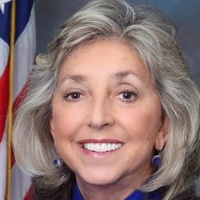
Dina Titus
Representative
NV
Dina Titus
Representative
NV
This resolution officially expresses support for National Public Lands Day, recognizing the vast spiritual, cultural, and economic value of America's public lands. It encourages all citizens to visit these lands on the designated fee-free day. The measure highlights the significant acreage managed by various federal agencies that support recreation and the national economy.
This bill prohibits active duty military and National Guard members operating under Title 32 from enforcing or assisting in the enforcement of immigration laws.
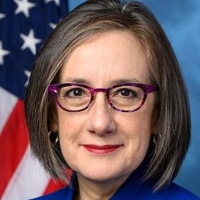
Andrea Salinas
Representative
OR
Andrea Salinas
Representative
OR
The National Guard Proper Use Act prohibits active duty military personnel and National Guard members serving under Title 32 orders from enforcing or assisting in the enforcement of immigration laws. This measure restricts the use of the Armed Forces for domestic immigration enforcement, aligning with existing statutes that govern such deployments.
This bill ensures that essential, furloughed federal employees receive unemployment compensation during government shutdowns in fiscal years 2026 or 2027, with the federal government reimbursing states for all paid benefits and administrative costs.
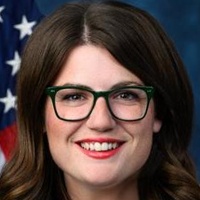
Sarah Elfreth
Representative
MD
Sarah Elfreth
Representative
MD
The Help Federal Employees During Shutdowns Act (Help FEDS Act) ensures that essential, non-paid federal employees working during a government shutdown can receive state unemployment compensation for the weeks they are actively working. This legislation mandates that the federal government fully reimburse states for all benefits paid out, plus administrative costs, directly from the Unemployment Trust Fund. Any employee who receives retroactive pay for a period they were also paid unemployment must repay those benefits to the state.
This bill directs the President to immediately remove U.S. Armed Forces from hostilities against Venezuela and certain criminal organizations unless Congress specifically authorizes the use of force.
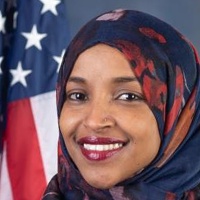
Ilhan Omar
Representative
MN
Ilhan Omar
Representative
MN
This bill directs the President to immediately remove United States Armed Forces from hostilities against the Bolivarian Republic of Venezuela and certain designated criminal groups. Congress asserts that these military actions lack the necessary constitutional authorization or a declaration of war. The resolution mandates withdrawal unless Congress subsequently passes specific authorization or the U.S. is subject to an armed attack.
This resolution supports designating September 2025 as "National Voting Rights Month" while urging Congress to pass legislation that expands voting access and restores rights lost due to felony convictions.
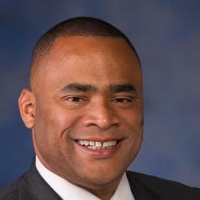
Marc Veasey
Representative
TX
Marc Veasey
Representative
TX
This resolution supports designating September 2025 as "National Voting Rights Month" to highlight ongoing threats to fair elections, such as gerrymandering and restrictive voting laws. It urges Congress to pass key legislation like the Freedom to Vote Act and the Democracy Restoration Act. The bill also encourages educational programs about voting history and registration efforts nationwide. Ultimately, it calls for federal action to protect and expand access to the ballot box for all citizens.
This resolution expresses support for designating a week in September 2025 to recognize the vital contributions of Asian American and Native American Pacific Islander-Serving Institutions in higher education.
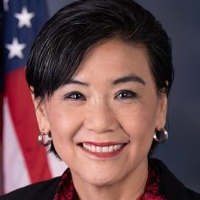
Judy Chu
Representative
CA
Judy Chu
Representative
CA
This resolution expresses strong support for recognizing September 22–28, 2025, as "Asian American and Native American Pacific Islander-Serving Institutions Week." It highlights the critical role these institutions play in educating a significant portion of AANAPISI students, many of whom are first-generation and low-income. The bill encourages national acknowledgment and support for the programs and achievements of these vital colleges and universities.
The Courtney Wild Reinforcing Crime Victims’ Rights Act significantly expands and strengthens the rights of crime victims in federal and D.C. cases, ensuring greater notification, consultation, and enforcement mechanisms throughout the legal process.
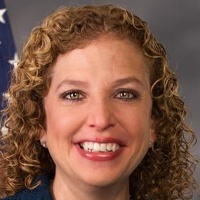
Debbie Wasserman Schultz
Representative
FL
Debbie Wasserman Schultz
Representative
FL
The Courtney Wild Reinforcing Crime Victims’ Rights Act significantly strengthens the rights of crime victims in federal and D.C. cases, expanding their involvement from the moment an offense is suspected. This bill mandates explicit rights for victims to confer with prosecutors regarding case resolutions, such as plea bargains, and provides clearer pathways for victims to seek legal counsel and enforce their rights in court. Furthermore, it establishes new administrative oversight within the DOJ to handle complaints regarding violations of these expanded victim rights.
This bill mandates that federally funded higher education institutions update their harassment policies to explicitly cover technology-facilitated harassment and establishes a competitive grant program to fund anti-harassment initiatives.
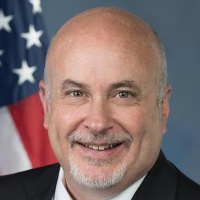
Mark Pocan
Representative
WI
Mark Pocan
Representative
WI
The Tyler Clementi Higher Education Anti-Harassment Act of 2025 mandates that colleges receiving federal funds update their policies to explicitly prohibit and detail procedures for addressing harassment based on protected characteristics, including technology-facilitated abuse. The bill also establishes a competitive grant program, funded up to $50 million annually, to support campus efforts in harassment prevention, training, and support services. This legislation adds new requirements without superseding existing civil rights protections.
This bill establishes a mechanism to ensure the Federal Aviation Administration remains funded and operational during a lapse in appropriations.
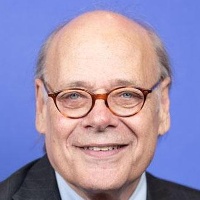
Steve Cohen
Representative
TN
Steve Cohen
Representative
TN
The Aviation Funding Stability Act of 2025 establishes an automatic mechanism to ensure the Federal Aviation Administration (FAA) remains funded during a lapse in appropriations. This allows the FAA to continue essential operations using existing funds from the Airport and Airway Trust Fund until a new budget or continuing resolution is enacted. Funding will cease after 30 days if no new appropriations are passed. This ensures continuity for core FAA programs, including operations, infrastructure, and grants.
This House resolution strongly condemns all forms of political violence and demands an end to dehumanizing rhetoric against political opponents.
Marc Veasey
Representative
TX
Marc Veasey
Representative
TX
This House Resolution strongly condemns all forms of political violence and threats against elected officials and public figures, regardless of political affiliation. It affirms that disagreements must be resolved through peaceful and democratic means, not intimidation or force. The resolution urges law enforcement to prosecute those who commit or encourage such violence. Finally, it calls on all leaders to cease using dehumanizing rhetoric and promote civil discourse.
This Act mandates that most health insurance plans, Medicare Part D, Medicaid, and CHIP must cover specific, currently recommended vaccines without out-of-pocket costs for a limited time.
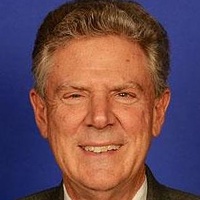
Frank Pallone
Representative
NJ
Frank Pallone
Representative
NJ
The Protecting Free Vaccines Act mandates that most private health insurance plans must cover specific vaccines recommended by the CDC's Advisory Committee on Immunization Practices (ACIP) without any out-of-pocket costs until January 1, 2030. This requirement also updates coverage rules for Medicare Part D, Medicaid, and CHIP to ensure continuity of coverage for these recommended immunizations. The bill locks in coverage based on the ACIP recommendations in place as of October 25, 2024, across various federal health programs.
This constitutional amendment grants Congress and the states the authority to regulate campaign contributions and expenditures, and to establish public financing systems for political campaigns.
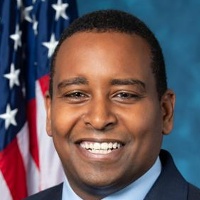
Joe Neguse
Representative
CO
Joe Neguse
Representative
CO
This constitutional amendment seeks to grant Congress and the states the authority to regulate contributions and expenditures in political campaigns. It specifically allows for the establishment of public financing systems to offset the influence of private money in elections. The amendment ensures that any regulations enacted must not infringe upon the freedom of the press.
This bill mandates dedicated, funded resources for specialized 988 Suicide Prevention Lifeline services for LGBTQ+ youth.
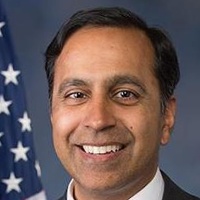
Raja Krishnamoorthi
Representative
IL
Raja Krishnamoorthi
Representative
IL
The **988 LGBTQ+ Youth Access Act of 2025** addresses the high rates of suicide risk among LGBTQ youth by strengthening specialized support through the national crisis hotline. This bill mandates that dedicated resources and services, such as a specific dialing option, must be maintained for LGBTQ individuals contacting 988. Furthermore, it requires that at least 9 percent of appropriated funds for the hotline be specifically reserved to ensure these specialized services for LGBTQ youth remain fully operational.
The Stop CMV Act of 2025 establishes a framework for voluntary newborn screening for congenital Cytomegalovirus (CMV), provides federal funding for state implementation and data collection, and expands research efforts.
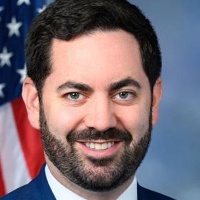
Michael Lawler
Representative
NY
Michael Lawler
Representative
NY
The Stop CMV Act of 2025 aims to establish a national framework for screening newborns for congenital Cytomegalovirus (CMV). This legislation authorizes federal funding for states to implement testing programs and improve data collection systems related to CMV. Furthermore, the bill mandates the expansion of research efforts through the NIH to improve CMV diagnostics, prevention, and treatment.