Legislative Activity
Track Alma's sponsored bills, co-sponsored legislation, and voting record
This bill establishes a Department of Peacebuilding to coordinate government efforts in nonviolent conflict resolution and violence reduction, aiming to make peace a national policy objective.

Ilhan Omar
Representative
MN
Ilhan Omar
Representative
MN
This bill establishes a Department of Peacebuilding within the executive branch to coordinate and promote peace-related efforts, both domestically and internationally, through nonviolent conflict resolution and violence reduction strategies. The department will be led by a Secretary of Peacebuilding and will include offices focused on peace education, domestic and international peacebuilding, technology for peace, and human rights. It emphasizes collaboration with other agencies and allocates resources, with a focus on domestic peace programs, to implement these initiatives. The bill also directs the Secretary to propose legislative changes, encourages the promotion of peace through Peace Days, and defines key terms to ensure clarity in the Act's implementation.
The "Protecting Sensitive Locations Act" restricts immigration enforcement actions at sensitive locations like schools and places of worship, requiring discretion and oversight.
Adriano Espaillat
Representative
NY
Adriano Espaillat
Representative
NY
The "Protecting Sensitive Locations Act" amends the Immigration and Nationality Act to restrict immigration enforcement actions within 1,000 feet of sensitive locations like schools, hospitals, and places of worship, except in exigent circumstances. It mandates training, reporting, and oversight for enforcement activities near these locations, and invalidates evidence obtained in violation of the Act. The Act aims to ensure discretion and limit enforcement impact on sensitive community spaces, while also requiring annual reports to Congress on enforcement actions taken in sensitive locations.
The "Taxpayer Data Protection Act" limits access to the Treasury Department's payment systems to authorized personnel and requires investigation and reporting of unauthorized access.

Haley Stevens
Representative
MI
Haley Stevens
Representative
MI
The Taxpayer Data Protection Act limits access to the Treasury Department's payment systems to Treasury employees or contractors with satisfactory performance reviews and security clearances. It sets specific criteria for individuals accessing the system, including conflict of interest restrictions, training, and ethics agreements. The Act also mandates the Treasury Department's Inspector General to investigate and report to Congress on any unauthorized system use.
This resolution condemns the wrongful detention and mistreatment of Dr. Gubad Ibadoghlu by the Azerbaijani government and calls for his immediate and unconditional release.
David Rouzer
Representative
NC
David Rouzer
Representative
NC
This resolution condemns the Government of Azerbaijan for the wrongful detention, abuse, and suppression of academic freedom regarding Dr. Gubad Ibadoghlu. It demands his immediate and unconditional release, the provision of necessary medical care, and an end to the harassment of his family. Furthermore, it urges the U.S. Secretary of State to prioritize Dr. Ibadoghlu’s well-being and release in all diplomatic engagements.
The CLEAR Act amends Title 5 of the United States Code, Section 552(f)(1), to include any entity established under Section 3161 within the scope of the Freedom of Information Act (FOIA).
Hillary Scholten
Representative
MI
Hillary Scholten
Representative
MI
The CLEAR Act amends the Freedom of Information Act (FOIA) to include entities established under Section 3161, ensuring their records are accessible to the public. This change applies to all FOIA requests made after the Act's enactment, regardless of when the records were created.
The Scientific Integrity Act mandates federal agencies to establish and enforce scientific integrity policies that protect scientific research from political interference, ensure open communication of scientific findings, and provide whistleblower protection for scientists.
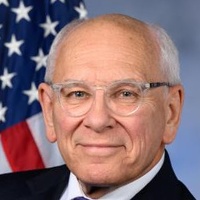
Paul Tonko
Representative
NY
Paul Tonko
Representative
NY
The Scientific Integrity Act mandates that federal agencies that fund, conduct, or oversee scientific research establish and enforce scientific integrity policies. These policies aim to protect scientists from political interference, ensure the open communication of scientific findings, and establish clear processes for reporting and addressing scientific misconduct. The Act requires agencies to appoint Scientific Integrity Officers, provide regular training, and report on misconduct complaints, with oversight from the Office of Science and Technology Policy and Congress. It also protects the rights of federal employees and contractors to share their findings and prevents the suppression or distortion of scientific data.
The Caring for All Families Act expands the Family and Medical Leave Act to cover a broader range of family relationships and introduces new leave entitlements for parental involvement and routine family wellness.
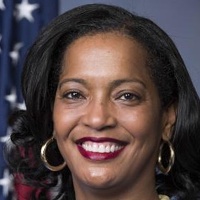
Jahana Hayes
Representative
CT
Jahana Hayes
Representative
CT
The Caring for All Families Act expands the Family and Medical Leave Act (FMLA) to allow employees to take job-protected leave to care for a broader range of family members, including domestic partners, extended relatives, and individuals with close, family-like bonds. Additionally, the bill introduces a new leave entitlement for parental involvement and family wellness, providing up to 24 hours of leave per year for school activities and routine medical care. These updates apply to both private-sector and federal employees to better support modern caregiving needs.
The Right to Contraception Act establishes a federal right to obtain and use contraception and prohibits government interference with access to contraceptive services and information.

Lizzie Fletcher
Representative
TX
Lizzie Fletcher
Representative
TX
The Right to Contraception Act establishes a federal right for individuals to access and use contraception without government interference. It prohibits federal and state governments from enacting laws that restrict access to contraceptives or the provision of related services. The Act provides clear enforcement mechanisms, allowing individuals and the Attorney General to sue to strike down any rule that violates these protections.
The Love Lives On Act of 2025 ensures that surviving spouses of veterans and service members retain their earned dependency compensation, survivor benefits, and TRICARE eligibility regardless of remarriage.
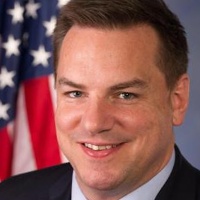
Richard Hudson
Representative
NC
Richard Hudson
Representative
NC
The Love Lives On Act of 2025 ensures that surviving spouses of veterans and service members retain their earned benefits, including dependency and indemnity compensation, educational assistance, and Survivor Benefit Plan annuities, regardless of remarriage. Additionally, the bill expands TRICARE eligibility to include widows and widowers whose subsequent marriages have ended. This legislation protects the financial security and healthcare access of surviving families by removing penalties associated with remarriage.
The No Tax Breaks for Outsourcing Act amends the Internal Revenue Code to eliminate tax incentives for offshoring by reforming international corporate taxation, tightening interest deduction rules, and closing loopholes used by inverted and foreign-managed corporations.

Lloyd Doggett
Representative
TX
Lloyd Doggett
Representative
TX
The **No Tax Breaks for Outsourcing Act** amends the Internal Revenue Code to discourage corporations from shifting profits and operations overseas. The bill replaces the current global intangible low-taxed income (GILTI) regime with a "net CFC tested income" system, implements country-by-country tax reporting, and limits interest deductions for large international groups. Additionally, it strengthens rules to prevent corporate inversions and treats foreign corporations managed within the United States as domestic entities for tax purposes.
This bill codifies Executive Order 11246 to establish the principles of Equal Employment Opportunity as permanent federal law.

Shontel Brown
Representative
OH
Shontel Brown
Representative
OH
This bill formally codifies Executive Order 11246, "Equal Employment Opportunity," into federal law. By establishing these protections as statute, the legislation ensures the long-standing mandate against employment discrimination by federal contractors remains permanent and legally binding.
This bill awards a Congressional Gold Medal to the Freedom Riders in recognition of their courageous nonviolent struggle to end racial segregation in interstate travel.

Henry Johnson
Representative
GA
Henry Johnson
Representative
GA
This bill authorizes the presentation of a Congressional Gold Medal to the Freedom Riders in recognition of their courageous, nonviolent efforts to end racial segregation in interstate travel. By challenging discriminatory laws through the 1961 Freedom Rides, these activists played a pivotal role in advancing the American Civil Rights Movement. The medal will be housed at the Smithsonian Institution to honor their historic contribution to equality.
This bill establishes Rosa Parks Day as an official federal public holiday.
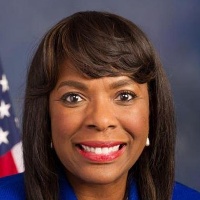
Terri Sewell
Representative
AL
Terri Sewell
Representative
AL
The Rosa Parks Day Act officially establishes Rosa Parks Day as a legal public holiday in the United States. This amendment updates federal law to include Rosa Parks Day alongside existing holidays like Thanksgiving and Christmas. Consequently, federal employees and operations will observe this new national holiday.
This Act directs the Secretary of the Treasury to mint and issue commemorative coins honoring the legacy of civil rights icon Rosa Parks, with proceeds supporting the Rosa and Raymond Parks Institute for Self Development.
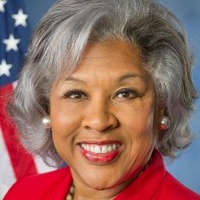
Joyce Beatty
Representative
OH
Joyce Beatty
Representative
OH
The Rosa Parks Commemorative Coin Act directs the Secretary of the Treasury to mint and issue a series of commemorative coins in 2029 to honor the legacy of civil rights icon Rosa Parks. Proceeds from the sale of these collector coins, including designated surcharges, will support the mission of the Rosa and Raymond Parks Institute for Self Development. The program is designed to ensure no net cost to the federal government.
The Black History is American History Act amends federal education laws to mandate the inclusion of Black history in American history and civics curricula, teacher training, and national educational assessments.
Joyce Beatty
Representative
OH
Joyce Beatty
Representative
OH
The Black History is American History Act amends federal education law to ensure that Black history is explicitly integrated into American history and civics curricula nationwide. By requiring the inclusion of Black history in teacher training, instructional materials, and national educational assessments, the bill aims to provide a more comprehensive and accurate understanding of the American experience. Additionally, it establishes a formal partnership with the National Museum of African American History and Culture to support educators and students.
The Stop Antiabortion Disinformation (SAD) Act empowers the Federal Trade Commission to prohibit and penalize deceptive advertising by crisis pregnancy centers that mislead individuals seeking reproductive health care.
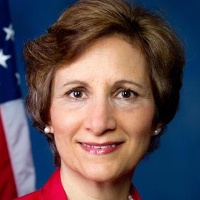
Suzanne Bonamici
Representative
OR
Suzanne Bonamici
Representative
OR
The Stop Antiabortion Disinformation (SAD) Act prohibits crisis pregnancy centers from using deceptive advertising to mislead individuals seeking reproductive health care. The bill empowers the Federal Trade Commission (FTC) to regulate and penalize organizations that falsely claim to provide abortion services or licensed medical care. This legislation aims to ensure patients have access to accurate, evidence-based information when making reproductive health decisions.
This bill provides a 6.62 percent Medicare payment increase for physicians and practitioners from April through December 2025 to help stabilize medical practices.
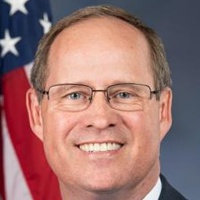
Gregory Murphy
Representative
NC
Gregory Murphy
Representative
NC
The Medicare Patient Access and Practice Stabilization Act of 2025 aims to support healthcare providers by extending Medicare payment adjustments through the end of 2025. Specifically, the bill provides a 6.62 percent payment increase for services rendered between April 1, 2025, and December 31, 2025, to help practitioners adjust to evolving Medicare payment policies.
This bill expresses the House of Representatives' desire to keep the United States Postal Service (USPS) as an independent entity within the Federal Government, protecting it from privatization. It emphasizes the USPS's importance to the mailing industry, its role in connecting communities, and the potential negative impacts of privatization on prices, services, and infrastructure.
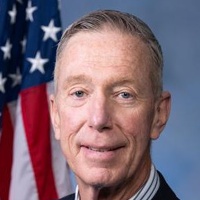
Stephen Lynch
Representative
MA
Stephen Lynch
Representative
MA
This bill expresses the House of Representatives' view that Congress should act to maintain the United States Postal Service (USPS) as an independent entity within the Federal Government. It emphasizes the USPS's role as a self-sustaining service vital to the economy and national connectivity. The resolution discourages privatization, citing concerns about increased costs, reduced services, and damage to critical infrastructure.
The Closing the College Hunger Gap Act requires the Department of Education to notify students with high financial need about their potential eligibility for SNAP benefits.
Jahana Hayes
Representative
CT
Jahana Hayes
Representative
CT
The Closing the College Hunger Gap Act aims to reduce food insecurity among students by ensuring those with the highest financial need are informed of their potential eligibility for SNAP benefits. The bill requires the Department of Education to proactively notify students who qualify for federal aid about the SNAP application process. By streamlining communication between federal agencies, this legislation helps eligible students access essential nutritional support.
The Universal Right To Vote by Mail Act of 2025 mandates that states provide all voters the option to vote by mail in federal elections without additional requirements and establishes a standardized process for voters to correct ballot defects.
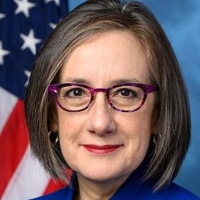
Andrea Salinas
Representative
OR
Andrea Salinas
Representative
OR
The Universal Right To Vote by Mail Act of 2025 ensures that all voters have the option to vote by mail in federal elections without needing to provide a specific reason. The bill prohibits states from imposing additional eligibility requirements on mail-in voters and mandates a "notice and cure" process to allow voters to fix minor ballot defects. These measures aim to increase voter turnout, improve accessibility, and ensure that every eligible vote is counted.