Legislation
The COOL Online Act requires online retailers to clearly disclose the country of origin and the seller's location for foreign-made products offered for sale on the internet.

Tammy Baldwin
Senator
WI
Tammy Baldwin
Senator
WI
The COOL Online Act requires online retailers to clearly disclose the country of origin and the seller’s principal place of business for foreign-made products. This legislation aims to increase transparency for consumers by ensuring they have accurate information before making a purchase. The Federal Trade Commission will enforce these requirements, with specific provisions to protect retailers who act in good faith based on information provided by suppliers.
The Veterans ACCESS Act of 2025 strengthens the Veterans Community Care Program and overhauls mental health services to ensure veterans receive timely, accessible, and high-quality care through improved standards, expanded provider options, and increased VA accountability.
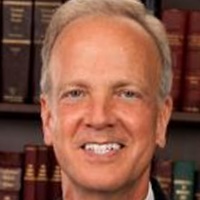
Jerry Moran
Senator
KS
Jerry Moran
Senator
KS
The Veterans’ ACCESS Act of 2025 aims to improve healthcare delivery by establishing clear, enforceable wait-time standards for both VA and community care. The legislation mandates faster access to mental health and substance abuse treatment, introduces a streamlined appeals process, and requires new digital tools to help veterans manage their care. By increasing transparency and accountability, the bill seeks to reduce administrative barriers and ensure veterans receive timely, high-quality support.
This bill authorizes the President to award the Medal of Honor to E. Royce Williams for his extraordinary acts of valor as a Navy pilot during the Korean War.
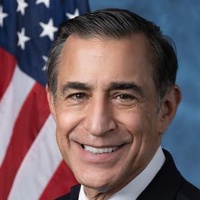
Darrell Issa
Representative
CA
Darrell Issa
Representative
CA
This bill authorizes the President to award the Medal of Honor to E. Royce Williams for his extraordinary heroism during the Korean War. On November 18, 1952, then-Lieutenant Williams engaged seven Soviet MiG-15 fighters alone, successfully downing four of the aircraft despite being significantly outgunned. The legislation waives standard time limitations to ensure this long-overdue recognition for his valorous service.
This bill amends the Agriculture Improvement Act of 2018 to expand the Dairy Business Innovation Initiatives by increasing the number of authorized programs and raising total funding to $36 million.
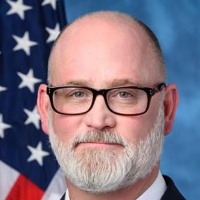
Derrick Van Orden
Representative
WI
Derrick Van Orden
Representative
WI
This bill amends the Agriculture Improvement Act of 2018 to expand the Dairy Business Innovation Initiatives program. It increases the number of authorized initiatives from three to four and raises the total funding authorization from $20 million to $36 million to further support dairy industry innovation.
The Caring for All Families Act expands the Family and Medical Leave Act to cover a broader range of family relationships and introduces new leave entitlements for parental involvement and routine family wellness.
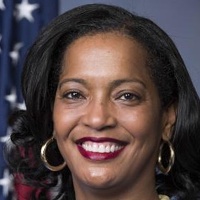
Jahana Hayes
Representative
CT
Jahana Hayes
Representative
CT
The Caring for All Families Act expands the Family and Medical Leave Act (FMLA) to allow employees to take job-protected leave to care for a broader range of family members, including domestic partners, extended relatives, and individuals with close, family-like bonds. Additionally, the bill introduces a new leave entitlement for parental involvement and family wellness, providing up to 24 hours of leave per year for school activities and routine medical care. These updates apply to both private-sector and federal employees to better support modern caregiving needs.
This bill mandates the establishment of a State Department office to monitor and combat international Islamophobia and requires the inclusion of related incidents in annual human rights and religious freedom reports.

Ilhan Omar
Representative
MN
Ilhan Omar
Representative
MN
The Combating International Islamophobia Act mandates the creation of an Office to Monitor and Combat Islamophobia within the U.S. Department of State, led by a Special Envoy. This legislation requires the State Department to formally document and report on acts of Islamophobia and anti-Muslim incitement in foreign countries as part of its annual human rights and religious freedom reporting.
This bill mandates incremental, across-the-board rescissions of nonsecurity discretionary federal spending, scaling from 1% in 2026 to 5% annually starting in 2028.

Marsha Blackburn
Senator
TN
Marsha Blackburn
Senator
TN
This bill mandates incremental, across-the-board rescissions of nonsecurity discretionary federal spending, starting at 1% in fiscal year 2026 and increasing to 5% by 2028. These pro-rata cuts apply to all non-defense discretionary accounts once full-year appropriations are enacted. Additionally, the Office of Management and Budget is required to report the specific impact of these reductions to Congress annually.
This bill mandates a phased reduction of the federal workforce to 90% of its 2025 levels by fiscal year 2028 through strict hiring limitations and attrition.
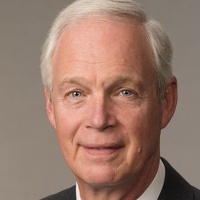
Ron Johnson
Senator
WI
Ron Johnson
Senator
WI
The Reducing the Federal Workforce Through Attrition Act mandates a phased reduction of the federal workforce to 90 percent of its September 2025 levels by fiscal year 2028. To achieve this goal, the bill implements a strict hiring limit of one new hire for every three departures and imposes operational restrictions on agencies that fail to meet their mandated staffing caps. The legislation also includes provisions to prevent the outsourcing of these roles to service contracts and allows for emergency waivers in cases of national security or public safety crises.
This bill mandates an investigation into the impact of Indo-Pacific trade agreements on U.S. competitiveness and establishes a commission to develop a comprehensive economic strategy to strengthen American leadership in the region.
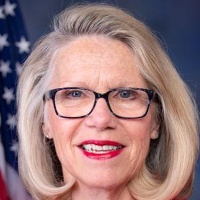
Carol Miller
Representative
WV
Carol Miller
Representative
WV
The United States Trade Leadership in the Indo-Pacific Act aims to strengthen American economic competitiveness and national security in the Indo-Pacific region. The bill mandates an investigation into how existing regional trade agreements impact U.S. businesses and establishes an independent commission to develop a comprehensive strategy to counter China’s economic influence. This initiative seeks to promote U.S. standards, bolster supply chain resilience, and create new opportunities for American workers.
This bill establishes an interest-bearing U.S. Treasury account to manage non-federal contributions for the Lower Colorado River Multi-Species Conservation Program.
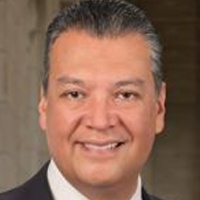
Alejandro Padilla
Senator
CA
Alejandro Padilla
Senator
CA
The Lower Colorado River Multi-Species Conservation Program Amendment Act of 2025 establishes an interest-bearing account within the U.S. Treasury to manage non-federal contributions for the program. This legislation ensures that these funds, along with earned interest, remain available for conservation efforts without requiring further congressional appropriation. Additionally, it clarifies investment protocols and protects State Parties from liability regarding potential investment losses.
This Act expands the boundaries of the Marsh-Billings-Rockefeller National Historical Park, updates land acquisition and usage provisions for the King Farm, and formally establishes the National Park Service Stewardship Institute.
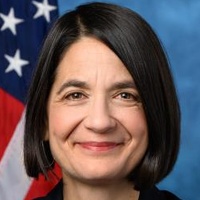
Becca Balint
Representative
VT
Becca Balint
Representative
VT
The Marsh-Billings-Rockefeller National Historical Park Establishment Act Amendments Act of 2025 expands the park’s official boundaries to include the King Farm and updates scenic zone designations. The bill also authorizes new land acquisition methods and establishes the National Park Service Stewardship Institute to advance conservation research, education, and leadership practices.
This bill mandates sanctions against foreign persons who engage in significant transactions involving rare earth minerals from Afghanistan.
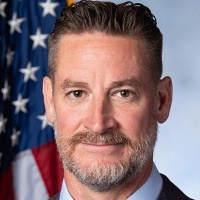
W. Steube
Representative
FL
W. Steube
Representative
FL
The Taliban Rare Earth Minerals Sanctions Act directs the President to impose sanctions on any foreign person who knowingly engages in significant transactions with Afghanistan’s rare earth mineral sector. These sanctions include blocking property interests within U.S. jurisdiction and denying entry into the United States for those involved. The legislation aims to restrict economic support for the Taliban by targeting the trade of these critical resources.
The PATROL Act prevents the federal government from using the Rivers and Harbors Act of 1899 to legally challenge state-led efforts to construct physical border barriers.
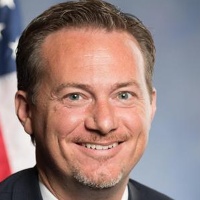
Michael Cloud
Representative
TX
Michael Cloud
Representative
TX
The PATROL Act (Preventing Aliens Through Rivers or Land Act) prohibits the federal government from using the Rivers and Harbors Act of 1899 to legally challenge states that construct physical barriers along their international borders. This legislation aims to protect state-led border security initiatives, such as walls, fences, or floating buoys, from federal civil lawsuits.
The NO BAN Act prohibits religious discrimination in immigration and establishes stricter oversight and evidentiary requirements for the President’s authority to suspend or restrict entry into the United States.
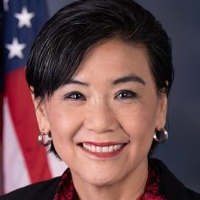
Judy Chu
Representative
CA
Judy Chu
Representative
CA
The NO BAN Act prohibits discrimination in immigration based on religion, race, sex, nationality, or place of birth. It also places strict limitations on the President’s authority to suspend or restrict entry into the United States, requiring evidence-based justification, congressional oversight, and public reporting. These measures ensure that any future immigration restrictions are narrowly tailored and subject to judicial review.
The Higher Education Accountability Tax Act increases excise taxes on the investment income of private colleges and universities, particularly those that raise tuition faster than inflation or meet lower asset-based thresholds.
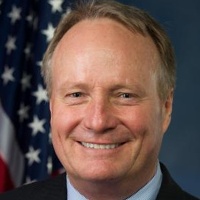
David Joyce
Representative
OH
David Joyce
Representative
OH
The Higher Education Accountability Tax Act increases the excise tax on the investment income of private colleges and universities while lowering the asset threshold to include more institutions. Additionally, the bill introduces a penalty tax for schools that increase their net price for students at a rate faster than inflation. These measures aim to hold private institutions more accountable for their financial practices and tuition costs.
The Protecting Social Security Act mandates the maintenance of local field offices, guarantees full benefit payments through automatic appropriations, and establishes expedited congressional procedures to ensure the program's long-term solvency.
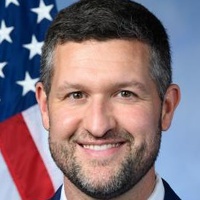
Patrick Ryan
Representative
NY
Patrick Ryan
Representative
NY
The Protecting Social Security Act aims to secure the future of Social Security by mandating that field offices remain open in all counties with over 150,000 residents. The bill also establishes a mechanism to ensure full benefit payments if trust funds become insolvent and creates an expedited legislative process for Congress to pass solvency measures funded by corporations and the ultra-wealthy.
The No Red and Blue Banks Act prohibits the General Services Administration from awarding federal contracts to FDIC-insured banks that deny services to lawful businesses based on social policy considerations.
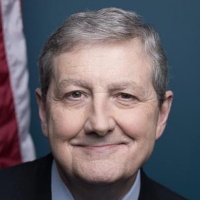
John Kennedy
Senator
LA
John Kennedy
Senator
LA
The "No Red and Blue Banks Act" prohibits the General Services Administration from awarding federal contracts to FDIC-insured banks that deny services to lawful businesses based on social policy considerations rather than financial risk. This legislation ensures that federal banking partners prioritize business merit over ideological agendas.
This bill prohibits the Department of Veterans Affairs from reporting veterans to the NICS firearm background check system based solely on a service-connected disability determination.
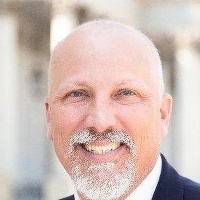
Chip Roy
Representative
TX
Chip Roy
Representative
TX
The Defending Veterans’ Second Amendment Rights Act prohibits the Department of Veterans Affairs from reporting veterans to the national background check system (NICS) based solely on a determination of a service-connected disability. This legislation ensures that veterans are not automatically disqualified from firearm ownership due to the management of their disability benefits.
The STOP MADNESS Act authorizes the President to impose economic sanctions on foreign governments and individuals that facilitate unlawful immigration or refuse to cooperate with U.S. repatriation efforts.

Tim Scott
Senator
SC
Tim Scott
Senator
SC
The STOP MADNESS Act authorizes the President to impose economic sanctions on foreign governments that refuse to accept the repatriation of their citizens who have entered the United States unlawfully. Additionally, the bill targets foreign governments and individuals that knowingly facilitate unlawful immigration by blocking their access to the U.S. financial system. The legislation also establishes reporting requirements for the executive branch regarding the implementation and enforcement of these sanctions.
The Love Lives On Act of 2025 ensures that surviving spouses of veterans and service members retain their earned dependency compensation, survivor benefits, and TRICARE eligibility regardless of remarriage.
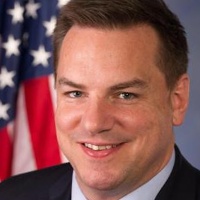
Richard Hudson
Representative
NC
Richard Hudson
Representative
NC
The Love Lives On Act of 2025 ensures that surviving spouses of veterans and service members retain their earned benefits, including dependency and indemnity compensation, educational assistance, and Survivor Benefit Plan annuities, regardless of remarriage. Additionally, the bill expands TRICARE eligibility to include widows and widowers whose subsequent marriages have ended. This legislation protects the financial security and healthcare access of surviving families by removing penalties associated with remarriage.