Legislation
The "Justice for Vaccine Injured Veterans Act of 2025" presumes service-connection for specific diseases, like myocarditis and Guillain-Barre Syndrome, in veterans who received a COVID-19 vaccine during the DoD mandate period, entitling them to VA benefits.
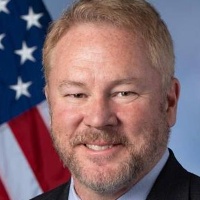
Warren Davidson
Representative
OH
Warren Davidson
Representative
OH
The Justice for Vaccine Injured Veterans Act of 2025 presumes service-connection for certain diseases, such as myocarditis and Guillain-Barre Syndrome, for veterans who were required to receive a COVID-19 vaccine between August 24, 2021, and January 10, 2023. It also requires the Secretary of Veterans Affairs to track and report on compensation claims related to COVID-19 vaccines and make these reports publicly available.
The Conrad State 30 and Physician Access Reauthorization Act extends and modifies the Conrad 30 program, which allows foreign physicians to work in underserved areas of the U.S. in exchange for a waiver of certain visa requirements, while also providing employment protections and clarifying immigration procedures for these physicians.
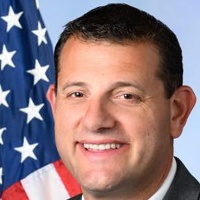
David Valadao
Representative
CA
David Valadao
Representative
CA
The Conrad State 30 and Physician Access Reauthorization Act extends the Conrad State 30 program, which allows foreign physicians to work in underserved areas of the U.S. in exchange for a waiver of certain visa requirements. It modifies requirements for foreign physicians seeking waivers, including employment protections, state waiver limits, and contract requirements. The bill also increases the number of waivers available to states and modifies immigration procedures for physicians, including allowing "dual intent" for medical graduates and clarifying national interest waivers. Finally, it requires an annual report on the Conrad State 30 J1 Visa Waiver Program.
This bill encourages the deployment and use of automated external defibrillators (AEDs) by providing nationwide legal protections from civil liability for those who use them in emergencies, own them, or manage properties where they are used.
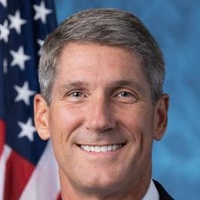
C. Franklin
Representative
FL
C. Franklin
Representative
FL
The Cardiac Arrest Survival Act of 2025 aims to establish a national standard of legal protection from civil liability for individuals using automated external defibrillators (AEDs) in emergencies, as well as for AED owners and property managers where AEDs are used. This bill amends the Public Health Service Act to encourage broader AED deployment by providing Good Samaritan protections for those who use or attempt to use an AED, premises owner/lessee/manager protections, and device owner-acquirer protections, with certain exceptions for misconduct or failure to maintain the device. The Act seeks to preempt inconsistent state laws and clarify that it does not mandate AED placement or create new causes of action. By creating consistent, nationwide legal protection, this bill intends to save lives from cardiac arrest.
The "Tipped Income Protection and Support Act" eliminates the lower minimum wage for tipped employees, ensuring they receive the standard minimum wage while retaining all tips, and introduces a tax deduction for reported cash tips for eligible employees.
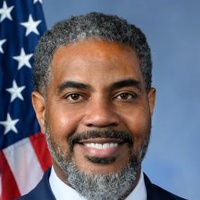
Steven Horsford
Representative
NV
Steven Horsford
Representative
NV
The Tipped Income Protection and Support (TIPS) Act eliminates the subminimum wage for tipped employees, requiring employers to pay the standard minimum wage before tips. It ensures that all tips go to the employees, allowing for traditional tip pooling. The bill also introduces a tax deduction for qualified cash tips for employees earning up to $112,500 annually, effective for taxable years after 2025.
The "Validate Prior Learning to Accelerate Employment Act" promotes skills-based hiring by encouraging states to use competency-based assessments that measure an individual's skills and knowledge to help them gain credentials, receive education credit, and find employment.
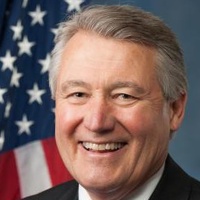
Rick Allen
Representative
GA
Rick Allen
Representative
GA
The "Validate Prior Learning to Accelerate Employment Act" promotes skills-based hiring by encouraging states to use competency-based assessments that measure an individual's skills and knowledge. This allows individuals to earn credentials, receive educational credit, and develop employment plans based on their abilities. The act also supports employers in adopting skills-based hiring practices and integrates assessments into local training programs to help individuals find jobs and advance their careers. Ultimately, this bill aims to connect individuals with in-demand jobs by recognizing and validating their existing skills and experiences.
The Accountability in Government Efficiency Act mandates a report from the Comptroller General to Congress analyzing the impact and legal compliance of the Department of Government Efficiency's actions by December 31, 2025.
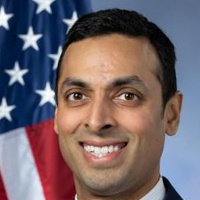
Suhas Subramanyam
Representative
VA
Suhas Subramanyam
Representative
VA
The Accountability in Government Efficiency Act requires the Comptroller General of the United States to report to Congress on the actions taken by the Department of Government Efficiency. This report will analyze the effects of the Department's actions on the long-term financial, public health, and safety interests of the United States, as well as the Department's compliance with certain sections of title 5, United States Code. The report must be submitted to Congress by December 31, 2025.
This bill requires veterans to receive information on federal food and nutrition assistance programs when transitioning out of military service.
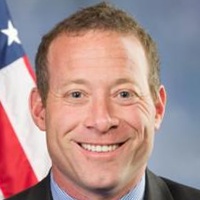
Josh Gottheimer
Representative
NJ
Josh Gottheimer
Representative
NJ
The "No Veteran Should Go Hungry Act of 2025" ensures that veterans receive information about federal food and nutrition assistance programs, such as SNAP and WIC, as part of their Transition Assistance Program. This amendment to title 10, United States Code, aims to combat food insecurity among veterans by increasing awareness of available resources. The Secretary of Agriculture will be consulted in the development and provision of this information.
This bill clarifies that tools used to detect fentanyl or xylazine are not subject to the same regulations as controlled substances.

Jasmine Crockett
Representative
TX
Jasmine Crockett
Representative
TX
The "STOP Fentanyl and Xylazine Act" clarifies that devices used to detect the presence of fentanyl or xylazine are exempt from regulation under the Controlled Substances Act. This exemption applies to the possession, sale, purchase, import, export, and transportation of such testing equipment. The aim of the act is to increase the availability and use of tools that can help prevent overdoses related to these dangerous substances.
The "Rebuild America’s Health Care Schools Act of 2025" expands Medicare coverage to include all direct and indirect costs hospitals incur for nursing and allied health education programs, ensuring better funding and preventing recoupment of previously covered costs.
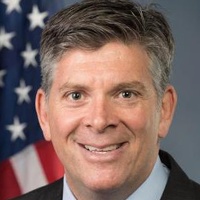
Darin LaHood
Representative
IL
Darin LaHood
Representative
IL
The "Rebuild America’s Health Care Schools Act of 2025" updates how Medicare reimburses hospitals for the costs of running nursing and allied health education programs. It broadens the definition of "reasonable costs" to include both direct and indirect expenses, regardless of whether they are incurred directly by the hospital or through related entities. The Act also requires the Secretary of Health and Human Services to issue rules implementing these changes and to refund hospitals for past cost reductions that would now be allowable. This aims to provide greater financial support for these crucial healthcare education programs.
The "Ending the Cycle of Dependency Act of 2025" modifies work requirements for SNAP benefits and establishes new work requirements for Medicaid recipients aged 19-59, with certain exemptions.
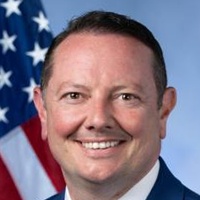
Eric Burlison
Representative
MO
Eric Burlison
Representative
MO
The "Ending the Cycle of Dependency Act of 2025" modifies work requirements for both the Food and Nutrition Act of 2008 and the Social Security Act. It raises the age limit for exemption from work requirements for SNAP benefits and mandates that certain Medicaid recipients between the ages of 19 and 59 must complete at least 80 hours of work, community service, or a work program per month to maintain eligibility. The bill outlines specific exemptions to these work requirements, including individuals with medical conditions, pregnant individuals, and caretakers of young children. States are allowed to disenroll individuals from Medicaid if they do not comply with the work requirements and federal funding is unavailable.
This bill expands Medicare coverage to include services provided by qualified acupuncturists.
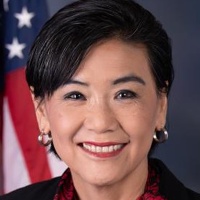
Judy Chu
Representative
CA
Judy Chu
Representative
CA
The "Acupuncture for Our Seniors Act of 2025" expands Medicare coverage to include services provided by qualified acupuncturists, as defined by state licensure or criteria set by the Secretary of Health and Human Services. This ensures seniors have access to acupuncture services, with payment rules established under the physician fee schedule and separate payment options for institutional providers. It defines qualified acupuncturist services as those legally allowed under state law, including related services and supplies. These changes will apply to services furnished 270 days after the Act's enactment.
The POSTAL Act ensures each state maintains a postal processing and distribution center, preventing closures or downgrades by the USPS.
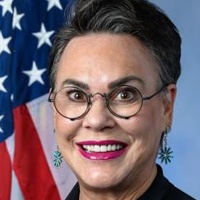
Harriet Hageman
Representative
WY
Harriet Hageman
Representative
WY
The "POSTAL Act" prevents the Postal Service from closing or downgrading processing and distribution centers, ensuring each state maintains at least one such facility. This aims to maintain local mail processing capabilities across the country. "Processing and distribution center" is defined as a central mail facility that handles incoming and outgoing mail for a specific area, provides mailing instructions, and is a sectional center facility, a general mail facility, or a dedicated mail processing facility without a station or branch. "State" is defined as the 50 States and the District of Columbia.
The U.S. Citrus Protection Act prohibits the import of commercially produced fresh citrus fruit from China into the United States.
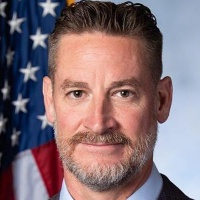
W. Steube
Representative
FL
W. Steube
Representative
FL
The U.S. Citrus Protection Act prohibits the importation of commercially produced fresh citrus fruit from China into the United States. This ban will take effect 90 days after the enactment of the Act.
The "PEER Mental Health Act of 2025" aims to improve mental health support in schools by providing grants for training in mental health first aid and awareness.
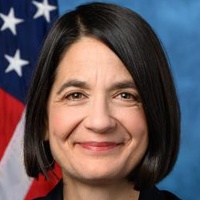
Becca Balint
Representative
VT
Becca Balint
Representative
VT
The "PEER Mental Health Act of 2025" aims to improve mental health support in schools by authorizing grants for training teachers, staff, students, parents, and caregivers in mental health first aid. These grants will help individuals recognize mental health symptoms, make appropriate referrals, and respond to immediate distress. A minimum of 25% of grant funds will be allocated to schools in rural areas, with the possibility of reallocation if unused. The Act allocates almost $25 million per year from 2026 to 2030 for these initiatives.
The "Expanding Child Care Access Act of 2025" establishes a tax credit of up to $5,000 for qualified child care startup expenses for licensed family child care providers.
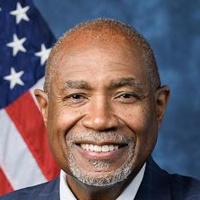
Herbert Conaway
Representative
NJ
Herbert Conaway
Representative
NJ
The "Expanding Child Care Access Act of 2025" introduces a tax credit, up to $5,000, for qualified child care startup expenses incurred by licensed family child care providers. This credit aims to support individuals starting or expanding licensed child care services within their primary residence, covering expenses such as licensing fees, supplies, insurance, and necessary equipment or renovations. The credit is available for a limited time and cannot be claimed for expenses already covered by other deductions or credits.
The EAGLES Act of 2025 codifies and expands the National Threat Assessment Center to prevent targeted violence through research, training, and multidisciplinary collaboration, particularly in schools.
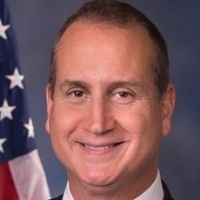
Mario Diaz-Balart
Representative
FL
Mario Diaz-Balart
Representative
FL
The EAGLES Act of 2025 codifies and expands the National Threat Assessment Center within the Secret Service to focus on preventing targeted violence through research, training, and information sharing. It establishes a national program on targeted school violence prevention, mandating research, training courses, and coordination among various departments and agencies. The Act authorizes \$10 million annually from 2026 to 2030 for these activities, emphasizing early intervention and support for individuals exhibiting concerning behavior, while explicitly prohibiting the use of funds for firearms training. This act aims to standardize threat assessment and prevention practices at all levels, ensuring a proactive and comprehensive approach to school safety.
The "Repeal CFPB Act" aims to eliminate the Consumer Financial Protection Bureau and revert to pre-2010 financial regulations.
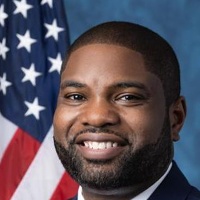
Byron Donalds
Representative
FL
Byron Donalds
Representative
FL
The "Repeal CFPB Act" aims to eliminate the Consumer Financial Protection Bureau (CFPB) by repealing the Consumer Financial Protection Act of 2010. This action would effectively reverse all changes and removals made by the 2010 Act, restoring the legal framework as it existed before the CFPB's creation.
Prohibits federal funding for the FDA's rule on laboratory developed tests.
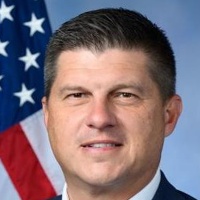
Brad Finstad
Representative
MN
Brad Finstad
Representative
MN
This bill prohibits the use of federal funds to implement or enforce the Food and Drug Administration's final rule regarding the regulation of laboratory developed tests as medical devices.
Establishes a Digital Economy and Cybersecurity Board of Advisors to advise the NTIA on cybersecurity best practices and policies to promote economic growth and secure information networks.
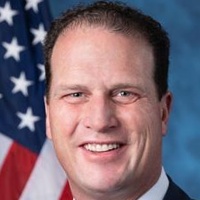
August Pfluger
Representative
TX
August Pfluger
Representative
TX
The "Digital Economy Cybersecurity Advisory Act of 2025" establishes a Digital Economy and Cybersecurity Board of Advisors within the NTIA. The board will advise the Assistant Secretary on cybersecurity best practices, policies, and strategies to secure information and communication networks while promoting economic growth and innovation. The board will consist of cybersecurity experts from various sectors, ensuring balanced representation and prohibiting lobbyists. The board is set to terminate four years after the enactment of the act.
The America Works Act of 2025 amends the Food and Nutrition Act of 2008 to modify exemptions from work requirements for SNAP benefits and allows waivers in high-unemployment areas.
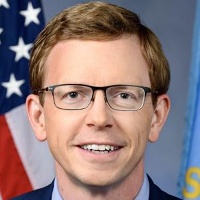
Dusty Johnson
Representative
SD
Dusty Johnson
Representative
SD
The America Works Act of 2025 amends the Food and Nutrition Act of 2008 to provide exemptions from work requirements for specific individuals, including those under 18 or over 65, medically unfit individuals, and parents of young children. It also allows the Secretary to waive certain requirements in counties with high unemployment rates, based on state agency requests. Additionally, the act removes a subsection from the Fiscal Responsibility Act of 2023.