Legislation
This resolution strongly supports the Second Amendment right to keep and bear arms while commending President Trump for working to reverse recent Biden administration infringements on those freedoms.
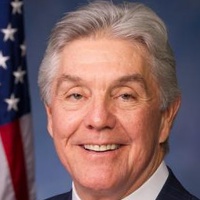
Roger Williams
Representative
TX
Roger Williams
Representative
TX
This resolution strongly affirms the constitutional right to keep and bear arms under the Second Amendment. It criticizes recent actions by the Biden administration and federal agencies, such as the ATF, for implementing what are viewed as infringements on these freedoms. The resolution commends former President Trump for his past efforts to protect Second Amendment rights against such measures.
This bill amends existing House Resolutions to ensure that days occurring during the first session of Congress count as standard calendar days when processing joint resolutions to terminate the national emergencies declared on February 1, 2025, and April 2, 2025.
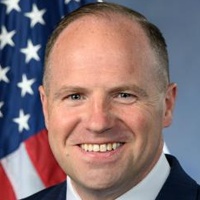
Timothy Kennedy
Representative
NY
Timothy Kennedy
Representative
NY
This bill amends existing House Resolutions concerning two separate national emergencies declared by the President in February and April 2025. Specifically, it standardizes the counting of days for congressional action on joint resolutions seeking to terminate these emergencies. The legislation ensures that days occurring while Congress is in session are counted as standard calendar days for deadline purposes related to both emergency declarations.
This act, also known as the ELON MUSK Act, immediately bans special government employees from holding or benefiting from any current or future federal government contracts.
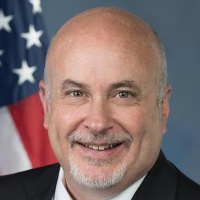
Mark Pocan
Representative
WI
Mark Pocan
Representative
WI
The Eliminating Looting of Our Nation by Mitigating Unethical State Kleptocracy Act of 2025 (the ELON MUSK Act) strictly prohibits special government employees from holding or benefiting from any contract or agreement with the Federal Government. This legislation immediately terminates any existing such contracts upon enactment. The goal is to prevent individuals serving the government temporarily from simultaneously doing business with it.
This resolution supports designating the week of April 21 through April 25, 2025, as "National Home Visiting Week" to recognize the importance of programs that support early childhood development and family success.
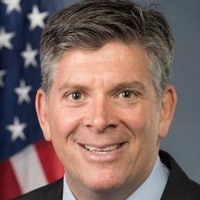
Darin LaHood
Representative
IL
Darin LaHood
Representative
IL
This resolution supports the designation of the week of April 21 through April 25, 2025, as "National Home Visiting Week." It recognizes the critical role home visiting programs play in supporting early childhood development and strengthening families nationwide. These evidence-based services provide essential guidance and support to parents, promoting positive outcomes for children. The bill formally endorses the goals and ideals associated with this important national observance.
This bill establishes a refundable tax credit for taxpayers making qualified home accessibility improvements for a disabled or elderly resident.

Haley Stevens
Representative
MI
Haley Stevens
Representative
MI
This bill establishes a new, refundable tax credit for taxpayers who make qualified accessibility improvements to their homes for a disabled or elderly resident. The credit equals 35% of eligible expenses, subject to annual and lifetime spending caps. Eligibility and the credit amount are subject to income phase-outs, and the improvements must directly assist a "qualified individual."
The Raise the Wage Act of 2025 gradually increases the federal minimum wage to \$17.00, phases out subminimum wages for tipped employees and workers with disabilities, and eliminates the subminimum wage for young workers.
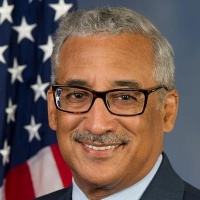
Robert Scott
Representative
VA
Robert Scott
Representative
VA
The Raise the Wage Act of 2025 establishes a phased increase of the federal minimum wage, culminating in a \$17.00 per hour rate five years after enactment, followed by automatic annual adjustments tied to median wage growth. This bill also phases out the lower minimum wage for tipped employees and workers under 20, ensuring they eventually earn the standard federal minimum wage. Furthermore, it sets a schedule to eliminate subminimum wages for individuals with disabilities and prohibits the issuance of new special certificates allowing for lower pay.
This Act increases the penalty-free withdrawal limit from retirement accounts for first-time homebuyers from $\$10,000$ to $\$25,000$, with future adjustments for inflation.
Haley Stevens
Representative
MI
Haley Stevens
Representative
MI
The First Time Homeowner Savings Plan Act increases the penalty-free withdrawal limit from retirement accounts for first-time homebuyers from $\$10,000$ to $\$25,000$. This higher limit takes effect for withdrawals made after December 31, 2025. Furthermore, the bill mandates that this new $\$25,000$ threshold will be adjusted annually for inflation starting in 2027, using 2025 as the baseline year.
The Catch Up Act allows married couples, both covered by a high-deductible health plan, to jointly make catch-up contributions to a single Health Savings Account.
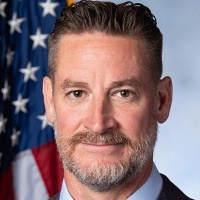
W. Steube
Representative
FL
W. Steube
Representative
FL
The Catch Up Act allows married couples, both covered under a high-deductible health plan, to jointly contribute to a single Health Savings Account (HSA). This legislation clarifies how the total annual contribution limit, including age-based catch-up amounts for spouses aged 55 and older, is calculated and equally split between them. These changes are effective for tax years beginning after December 31, 2025.
This resolution recognizes the vital contributions of linemen, often acting as first responders, and supports designating April 18, 2025, as "National Lineman Appreciation Day."
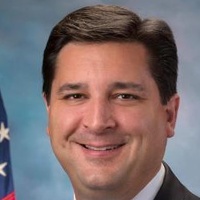
David Rouzer
Representative
NC
David Rouzer
Representative
NC
This resolution officially recognizes the vital and dangerous work performed by power linemen who maintain our electrical infrastructure and ensure public safety. It highlights their crucial role as first responders, often working in hazardous conditions after disasters. Furthermore, the resolution supports the designation of April 18, 2025, as "National Lineman Appreciation Day" to formally honor their service.
This Act establishes federal minimum standards for public employee collective bargaining rights, allowing states to maintain their own laws if they meet or exceed these standards, otherwise the Federal Labor Relations Authority will enforce federal rules.
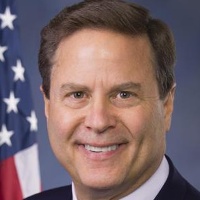
Donald Norcross
Representative
NJ
Donald Norcross
Representative
NJ
The Public Service Freedom to Negotiate Act of 2025 establishes federal minimum standards for collective bargaining rights for public employees across the nation. It requires the Federal Labor Relations Authority (FLRA) to review state laws to ensure they substantially provide these minimum rights, including the right to organize and bargain collectively. If a state fails to meet these standards, the FLRA will administer federal labor relations rules for the uncovered employees. The Act also prohibits strikes or lockouts that would measurably disrupt emergency or public safety services.
The Buying Faster than the Enemy Act of 2025 streamlines Department of Defense procurement by easing follow-on contract awards, limiting regulatory flowdown to commercial subcontractors, and establishing commercial items as the default for purchases.

Jim Banks
Senator
IN
Jim Banks
Senator
IN
The Buying Faster than the Enemy Act of 2025 aims to significantly speed up Department of Defense (DoD) procurement, particularly for commercial items. It streamlines the process for awarding follow-on contracts after initial competition and limits unnecessary regulatory clauses flowing down to commercial subcontractors. Furthermore, the bill establishes new structures, including consortia, to better engage nontraditional defense contractors and defaults purchases to commercial item procedures unless explicitly justified otherwise.
This bill mandates the development of a modernized 10-year strategy by the Secretaries of HHS and Defense to ensure the nation has sufficient anthrax countermeasures to protect civilians and service members.
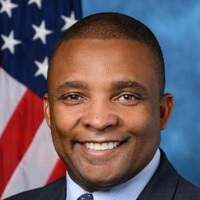
Donald Davis
Representative
NC
Donald Davis
Representative
NC
The Protecting American Families and Servicemembers from Anthrax Act mandates the Secretaries of Health and Human Services and Defense to develop a modernized 10-year strategy to defend against the anthrax threat. This plan must ensure a sustainable supply of anthrax countermeasures for the Strategic National Stockpile and outline protections for civilians and military families. The Secretaries are required to submit an initial classified report detailing the threat and the full strategy to Congress within 180 days, followed by annual updates.
The CLEAN FTZ Act of 2025 establishes a system for identifying foreign free trade zones, classifying host countries into tiers based on illicit trade activity, and authorizing economic sanctions against individuals supporting illegal trade in lower-tier zones.

Bill Cassidy
Senator
LA
Bill Cassidy
Senator
LA
The CLEAN FTZ Act of 2025 mandates the U.S. government to identify and publicly list all international free trade zones globally. Countries hosting these zones will then be classified into four tiers based on their efforts to combat illicit international trade within those zones. Finally, the Act authorizes economic sanctions and visa restrictions against foreign persons involved in illegal trade activities in lower-tiered countries.
This act prohibits debt collectors from attempting to collect or collecting on any consumer debt for which the statute of limitations has expired.

Steve Cohen
Representative
TN
Steve Cohen
Representative
TN
The Fair Debt Collection Improvement Act prohibits debt collectors from attempting to collect or actually collecting any consumer debt for which the statute of limitations has expired. This amendment directly strengthens consumer protections under the Fair Debt Collection Practices Act by preventing harassment over legally uncollectible, time-barred debts.
The DELETE Act mandates that data brokers register with the FTC and comply with a centralized system allowing consumers to request the deletion of their personal data.
Bill Cassidy
Senator
LA
Bill Cassidy
Senator
LA
The Data Elimination and Limiting Extensive Tracking and Exchange Act (the DELETE Act) mandates that data brokers register annually with the FTC and provide details about their data collection practices. The bill establishes a centralized, secure system allowing individuals to submit a single, free request to compel all registered data brokers to delete their personal information. Enforcement will be handled by the FTC, treating violations as unfair or deceptive practices under existing law.
This Act streamlines job training referrals and allows employers to contract directly for skills development programs under WIOA, prioritizing employer-identified needs.
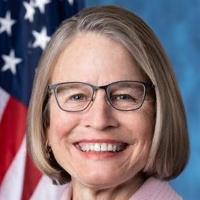
Mariannette Miller-Meeks
Representative
IA
Mariannette Miller-Meeks
Representative
IA
The Improve Employer-Directed Skills Act aims to streamline workforce training by allowing employers to directly refer candidates for on-the-job development without initial interviews, provided certain conditions are met. This legislation also enables employers to contract directly with local workforce boards to provide this new "employer-directed skills development." The bill replaces the term "customized training" with "employer-directed skills development" throughout the Workforce Innovation and Opportunity Act (WIOA).
This Act strengthens federal enforcement against child exploitation by updating kidnapping definitions, restricting defenses for crimes against minors, creating new offenses for touching minors, and making technical amendments to sexual abuse and civil rights statutes.
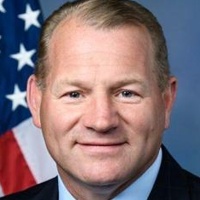
Troy Nehls
Representative
TX
Troy Nehls
Representative
TX
The Strengthening Child Exploitation Enforcement Act updates federal laws concerning kidnapping and sexual abuse of minors. It clarifies kidnapping definitions, bars consent as a defense for offenses against victims under 16 unless reasonable belief of age is proven, and creates a new federal offense for non-consensual touching of minors for sexual gratification. The bill also makes technical amendments to sentencing guidelines and cross-references related to abusive sexual contact.
The Aid Accountability Act of 2025 establishes strict, mandatory penalties, including job loss and financial restitution for federal employees, and future funding bans for grantees, for the misuse of specified foreign assistance funds.
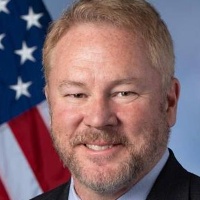
Warren Davidson
Representative
OH
Warren Davidson
Representative
OH
The Aid Accountability Act of 2025 significantly strengthens penalties for the misuse of specific foreign assistance funds. This bill mandates immediate termination and lifetime bans for federal employees who knowingly misappropriate these funds, requiring them to personally repay the misused amounts. Furthermore, grantees and contractors found in violation will be permanently barred from receiving future federal funding. The Secretary of State is tasked with enforcing these penalties and reporting all final decisions to Congress within 60 days.
This act mandates biennial inspections of large public housing developments by HUD personnel and requires the public release of those inspection results.
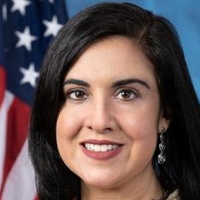
Nicole Malliotakis
Representative
NY
Nicole Malliotakis
Representative
NY
The Dignity in Housing Act of 2025 mandates that large public housing developments (100+ units) undergo thorough inspections by HUD staff or contracted inspectors every two years. This ensures these properties meet required maintenance standards, and the results of these inspections must be made publicly available online. The bill specifically prohibits local housing agency personnel from conducting these new biennial checks.
The End Kidney Deaths Act establishes a \$50,000 federal tax credit over five years for individuals who make non-directed living kidney donations between 2027 and 2036.
Nicole Malliotakis
Representative
NY
Nicole Malliotakis
Representative
NY
The End Kidney Deaths Act establishes a new federal tax credit for individuals who make non-directed living kidney donations. Eligible donors will receive an annual \$10,000 tax credit for five consecutive years, totaling a potential \$50,000 benefit. This provision is designed to incentivize altruistic donation while ensuring the credit is not considered payment for the organ.