Legislation
This bill mandates the phased transfer of all federal student aid programs and administrative functions from the Department of Education to the Department of the Treasury.
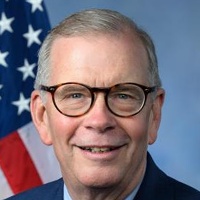
Tim Walberg
Representative
MI
Tim Walberg
Representative
MI
The "Less Bureaucracy, Better Student Aid Act" proposes transferring all federal student aid functions—including loan servicing, collections, and grant administration—from the Department of Education to the Department of the Treasury. This phased transition aims to streamline operations and improve oversight without increasing the total number of federal employees. The bill ensures that all existing legal obligations, contracts, and ongoing proceedings remain in effect throughout the transfer process.
This bill transfers the administration of federal career, technical, and adult education programs from the Department of Education to the Department of Labor to streamline workforce development efforts.
Tim Walberg
Representative
MI
Tim Walberg
Representative
MI
The Less Bureaucracy, Better Workforce Development Act proposes transferring all career, technical, and adult education functions from the Department of Education to the Department of Labor. This consolidation aims to streamline workforce development programs and improve alignment with high-demand job markets. The bill includes provisions to ensure a seamless transition of personnel and resources while mandating that the reorganization results in no net increase in federal employees.
The EMRTAI Authorization Act of 2026 establishes an EPA program to develop and support methods for recovering critical materials from contaminated sites to strengthen domestic supply chains and environmental remediation efforts.
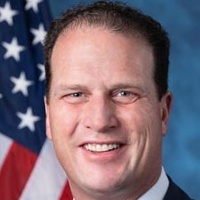
August Pfluger
Representative
TX
August Pfluger
Representative
TX
The EMRTAI Authorization Act of 2026 establishes an EPA program to identify and recover critical materials from contaminated sites. By providing financial assistance for innovative remediation technologies, the initiative aims to strengthen domestic supply chains, enhance national security, and support environmental cleanup efforts. The program is authorized for a ten-year period.
The American Enrichment Deployment Act amends the Atomic Energy Act to allow for the "at-risk" construction of uranium enrichment facilities prior to the issuance of a final license.
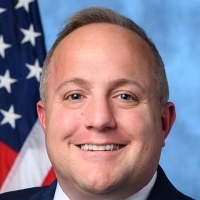
Russell Fry
Representative
SC
Russell Fry
Representative
SC
The American Enrichment Deployment Act amends the Atomic Energy Act of 1954 to allow for the "at-risk" construction of uranium enrichment facilities before a final license is issued. This legislation aims to streamline the development process for these facilities while maintaining the Nuclear Regulatory Commission’s full authority to regulate safety and deny licenses.
This bill mandates that the Department of War designate and maintain an official residence for the Speaker of the House of Representatives.
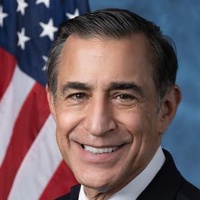
Darrell Issa
Representative
CA
Darrell Issa
Representative
CA
This bill mandates that the Department of War designate and maintain an official residence for the Speaker of the House of Representatives. It authorizes the use of departmental funds for the property's upkeep, security, and operational support. The legislation clarifies that the Speaker holds no personal ownership or property interest in the designated residence.
The Diesel Engine Flexibility (DEF) Act establishes a 10-year period of regulatory stability for on-road and nonroad diesel engines by freezing emission standards and providing a safe harbor for specific compliance and monitoring practices.
Julie Fedorchak
Representative
ND
Julie Fedorchak
Representative
ND
The Diesel Engine Flexibility (DEF) Act provides a 10-year period of regulatory stability for on-road and nonroad diesel engines by freezing emission standards at current levels. During this time, the bill establishes a safe harbor for manufacturers and operators following specific EPA guidance regarding diesel exhaust fluid monitoring and engine repair strategies. Additionally, it mandates that any future emission standards must include significant lead times and consider the operational and economic impacts on engine owners.
This bill transfers the administration of numerous postsecondary education programs from the Department of Education to the Department of Labor while repealing several existing education initiatives.
Mark Harris
Representative
NC
Mark Harris
Representative
NC
The "Less Bureaucracy, Better Higher Education Act" proposes transferring the administration of numerous postsecondary education programs from the Department of Education to the Department of Labor. Additionally, the bill mandates the repeal of several specific education programs and establishes strict personnel caps to prevent an increase in the total number of federal employees. These measures aim to streamline federal oversight of higher education initiatives while ensuring a transition of resources and legal authority between the two departments.
The BRACE Act streamlines federal regulations for lithium-ion battery storage and updates management standards to improve the efficiency and safety of battery recycling processes.
Mariannette Miller-Meeks
Representative
IA
Mariannette Miller-Meeks
Representative
IA
The Battery Recycling for America’s Competitive Economy (BRACE) Act streamlines federal regulations to improve the management and recycling of lithium-ion batteries. By updating handling requirements for storage facilities and modernizing outdated environmental statutes, the bill aims to create a more efficient and consistent framework for battery end-of-life processing.
This resolution initiates impeachment proceedings against U.S. District Judge Sparkle L. Sooknanan for abuse of judicial power and exceeding her constitutional authority.
Abraham Hamadeh
Representative
AZ
Abraham Hamadeh
Representative
AZ
This resolution initiates impeachment proceedings against U.S. District Judge Sparkle L. Sooknanan for abuse of judicial power. It alleges that the judge exceeded her constitutional authority by issuing an injunction against the SAVE program, thereby encroaching on executive branch powers and violating the "good Behaviour" standard required for federal judges. The resolution seeks her removal from office and disqualification from holding future federal positions.
This resolution formally congratulates the New York Knicks on their historic 2026 NBA championship victory and recognizes the team for their grit, excellence, and impact on the city.
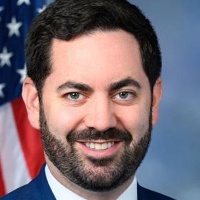
Michael Lawler
Representative
NY
Michael Lawler
Representative
NY
This resolution formally congratulates the New York Knicks on their historic 2026 NBA Championship victory. It recognizes the team’s remarkable season, record-breaking playoff performance, and the spirit of resilience that united fans across New York and the world.
The Careworker Visa Act of 2026 establishes a new "W" nonimmigrant visa category to address labor shortages by allowing qualified foreign nationals to work in the U.S. as childcare, eldercare, or disability support providers.
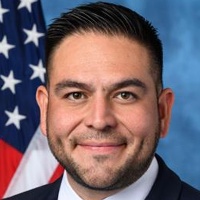
Gabriel (Gabe) Vasquez
Representative
NM
Gabriel (Gabe) Vasquez
Representative
NM
The Careworker Visa Act of 2026 establishes a new "W" nonimmigrant visa category to address the critical national shortage of childcare, eldercare, and disability support workers. This program allows families and small caregiving businesses to sponsor qualified foreign nationals for temporary employment while ensuring robust wage protections and workplace rights. The bill also includes comprehensive whistleblower protections to prevent exploitation and provides a structured pathway for eligible careworkers to maintain and renew their legal status.
The Small Business and Consumer Credit Act of 2026 allows specified financial institutions to extend net operating loss carryback and carryforward periods to better manage taxable income.
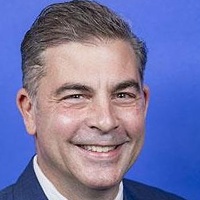
Mike Carey
Representative
OH
Mike Carey
Representative
OH
The Small Business and Consumer Credit Act of 2026 provides financial relief to specific banking institutions by allowing them to extend the carryback and carryforward periods for net operating losses. This measure enables eligible banks to better manage their taxable income by applying losses against profits from different tax years. These provisions apply to losses incurred in taxable years beginning after December 31, 2026.
This bill transfers the administration of K–12 education grant programs and related functions from the Department of Education to the Department of Labor.
Mark Harris
Representative
NC
Mark Harris
Representative
NC
The "Less Bureaucracy, Better K–12 Education Act" proposes transferring the administration of major K–12 education grant programs and functions from the Department of Education to the Department of Labor. This legislation aims to streamline federal oversight by consolidating these responsibilities under the Secretary of Labor while ensuring no net increase in federal employee levels. The bill includes comprehensive transition provisions to maintain the continuity of existing grants, legal proceedings, and administrative operations.
The Nuclear Advisory Committee Reform Act restructures the Advisory Committee on Reactor Safeguards by implementing term limits, streamlining operations, and requiring specific Commission authorization for all committee activities.
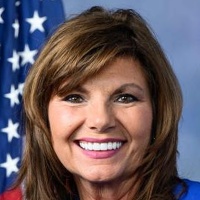
Diana Harshbarger
Representative
TN
Diana Harshbarger
Representative
TN
The Nuclear Advisory Committee Reform Act reorganizes the Advisory Committee on Reactor Safeguards to improve operational efficiency and oversight. The bill establishes new term limits for members, mandates diverse technical expertise, and requires the Committee to focus its efforts on safety-significant, novel reactor issues. Additionally, it clarifies that the Committee may only perform reviews or actions upon the specific request of the Nuclear Regulatory Commission.
This bill transfers the administration of various federal education and job training programs for Native American, Alaska Native, and Native Hawaiian communities from the Department of Education to the Department of the Interior.
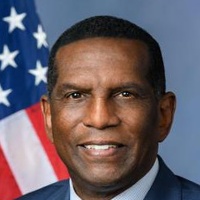
Clarence Owens
Representative
UT
Clarence Owens
Representative
UT
The "Less Bureaucracy, Better Tribal Education Act" proposes transferring the administration of numerous federal education and job training programs for Native American, Alaska Native, and Native Hawaiian communities from the Department of Education to the Department of the Interior. This legislation aims to streamline oversight and consolidate these programs under a single agency while ensuring no net increase in the federal workforce. The bill also mandates formal tribal consultation to guide the transition process.
This bill renames the United States Secret Service Uniformed Division to the United States Secret Service Police.
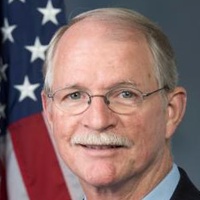
John Rutherford
Representative
FL
John Rutherford
Representative
FL
The Officer Leslie Coffelt U.S. Secret Service Police Act of 2026 formally renames the United States Secret Service Uniformed Division to the United States Secret Service Police. This legislation updates terminology across various federal statutes to reflect the new name. The change is purely administrative and does not alter the duties or authorities of the division.
This bill transfers the administration of international and foreign language education programs from the Department of Education to the Department of State to streamline oversight and operations.
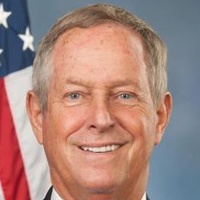
Joe Wilson
Representative
SC
Joe Wilson
Representative
SC
The "Less Bureaucracy, Better International Education Oversight Act" transfers the administration of key international and foreign language education programs, including the Fulbright-Hays program, from the Department of Education to the Department of State. This legislation aims to streamline oversight by consolidating these functions under the State Department while ensuring a seamless transition of personnel, assets, and ongoing legal obligations.
This bill establishes a two-year pilot program for U.S. Customs and Border Protection to deploy artificial intelligence-based anomaly detection at Arizona land ports of entry to enhance the screening and interdiction of illicit contraband.
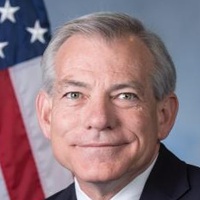
David Schweikert
Representative
AZ
David Schweikert
Representative
AZ
This bill establishes a two-year pilot program for U.S. Customs and Border Protection to deploy artificial intelligence-based anomaly detection at Arizona land ports of entry. The initiative aims to enhance border security and operational efficiency by improving the detection of illicit drugs and contraband. Through rigorous testing and reporting, the program will evaluate the technology's effectiveness in supporting CBP officers and strengthening inspection processes.
This bill streamlines federal oversight by transferring the administration of child care access programs for low-income student parents from the Department of Education to the Department of Health and Human Services.
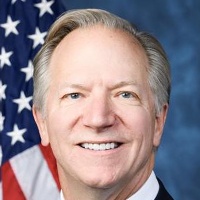
Robert Onder
Representative
MO
Robert Onder
Representative
MO
The "Less Bureaucracy, Better Child Care for Student Parents Act" streamlines federal oversight by transferring child care access programs for low-income postsecondary students from the Department of Education to the Department of Health and Human Services. This legislation aims to improve administrative efficiency and service delivery for student parents while ensuring no net increase in federal staffing levels.
The Accelerating Innovation (AI) for Kids with Cancer Act establishes a federal coordinator to leverage artificial intelligence and improved data infrastructure to advance the diagnosis, treatment, and prevention of pediatric cancer.
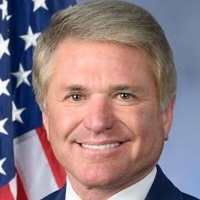
Michael McCaul
Representative
TX
Michael McCaul
Representative
TX
The Accelerating Innovation (AI) for Kids with Cancer Act establishes a federal coordinator to lead the integration of artificial intelligence into pediatric cancer research and treatment. The bill mandates improvements in data sharing, clinical trial design, and interoperability to accelerate the development of new diagnostic tools and therapies. By authorizing significant funding through 2031, the legislation aims to leverage advanced technology to improve outcomes for children battling cancer.