Legislation
This Act encourages the Department of Veterans Affairs to utilize the design-build construction method for facility projects to enhance speed, cost-effectiveness, and project quality.
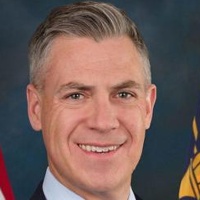
Jim Banks
Senator
IN
Jim Banks
Senator
IN
The VA Design-Build Construction Enhancement Act of 2025 encourages the Department of Veterans Affairs (VA) to prioritize the design-build construction method for future facility projects. Congress finds that this method can lead to faster construction, fewer change orders, and better value for the VA's extensive capital improvement plan. The bill mandates the use of specific federal design-build selection procedures for VA construction contracts.
The Remove the Stain Act officially rescinds the 20 Medals of Honor awarded for actions during the Wounded Knee Massacre of 1890.

Elizabeth Warren
Senator
MA
Elizabeth Warren
Senator
MA
The Remove the Stain Act officially rescinds the 20 Medals of Honor awarded for actions during the Wounded Knee Massacre of 1890. This action is taken because Congress finds that these awards dishonor the integrity of the nation's highest military decoration. Recipients of these specific medals are not required to return the physical award.
The Stop the Scroll Act mandates that social media platforms display conspicuous, hourly-refreshing mental health warning labels to U.S. users, enforced by the FTC and State Attorneys General.
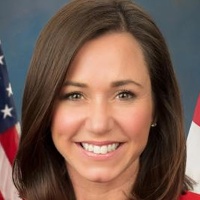
Katie Britt
Senator
AL
Katie Britt
Senator
AL
The Stop the Scroll Act mandates that social media and anonymous content sharing platforms display conspicuous, hourly-refreshing mental health warning labels to users in the U.S. These labels must detail potential harms and provide access to federal resources like the 988 Suicide and Crisis Lifeline. The Federal Trade Commission (FTC), in consultation with the Surgeon General, is tasked with writing and periodically updating the specific regulations for these warnings. Enforcement authority is granted to both the FTC and State Attorneys General, with significant civil penalties for knowing or repeated violations.
This act updates Small Business Investment Company (SBIC) leverage limits and expands exclusions for investments in underserved geographic areas, critical technology, and small manufacturers.

John Hickenlooper
Senator
CO
John Hickenlooper
Senator
CO
The Investing in All of America Act of 2025 updates the Small Business Investment Company (SBIC) program by increasing maximum leverage limits to \$175 million for individual companies and \$350 million for commonly controlled groups, adjusted annually for inflation. The bill also expands investment exclusions for leverage calculations to include investments in businesses located in low-income or rural areas, critical technology sectors, or small manufacturers. Furthermore, it clarifies the definition of investment sources for leverage approval, treating university-affiliated endowments similarly to pension funds.
The MARSHALS Act restructures the U.S. Marshals Service as a bureau within the judicial branch, placing its leadership and oversight under the Chief Justice and a newly created Board.
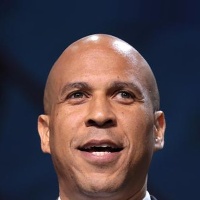
Cory Booker
Senator
NJ
Cory Booker
Senator
NJ
The MARSHALS Act fundamentally restructures the United States Marshals Service (USMS) by officially placing it within the judicial branch of the federal government. This bill transfers oversight and appointment authority from the Attorney General to the Chief Justice, who will appoint the Director and District Marshals in consultation with a newly established Oversight Board. The legislation also clarifies the USMS's authority to protect federal judges and outlines specific conditions under which the Service can assist the Department of Justice and other agencies.
This bill establishes the Indian Health Service Office of Graduate Medical Education Programs to expand and oversee training pathways for health professionals within the IHS system.
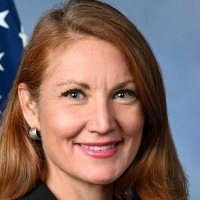
Melanie Stansbury
Representative
NM
Melanie Stansbury
Representative
NM
The IHS Provider Expansion Act establishes a new Office of Graduate Medical Education Programs within the Indian Health Service (IHS). This office will be responsible for building and overseeing residency and fellowship training pipelines to increase the number of health professionals serving at IHS facilities. It will coordinate with academic partners and is supported by an interagency team to ensure its sustainable operation.
This Act expands veterans' access to timely community care for mental health and substance-use treatment when the VA cannot provide it quickly enough, while also increasing transparency in community care metrics.
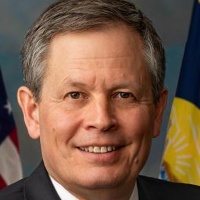
Steve Daines
Senator
MT
Steve Daines
Senator
MT
The Protecting Veteran Community Care Act aims to expand veterans' access to timely community care, particularly for mental health and substance-use services when the VA cannot provide them quickly. This legislation prevents the VA from using its own scheduling delays as a reason to deny veterans access to outside care options. Furthermore, the bill mandates increased transparency by requiring the VA to report detailed metrics on all community care requests and limits the VA's ability to unilaterally change community care access standards without Congressional approval.
The SCREENS for Cancer Act of 2025 reauthorizes and updates the National Breast and Cervical Cancer Early Detection Program to enhance screening support, reduce disparities, and secure dedicated funding through 2030.

Tammy Baldwin
Senator
WI
Tammy Baldwin
Senator
WI
The **SCREENS for Cancer Act of 2025** aims to reauthorize and strengthen the National Breast and Cervical Cancer Early Detection Program (NBCCEDP). This legislation updates program goals to emphasize prevention and actively reduce cancer disparities among underserved populations. It also sets specific funding levels through 2030 and mandates a comprehensive GAO study on program eligibility and access barriers.
This bill establishes a federal tax credit to help offset the cost of essential access technology for legally blind individuals.

John Boozman
Senator
AR
John Boozman
Senator
AR
The Access Technology Affordability Act of 2025 establishes a new federal tax credit to help offset the cost of essential access technology for blind individuals. This credit covers expenses for hardware or software that converts visual information into usable formats for the taxpayer, their spouse, or a dependent. The credit is capped at \$2,000 over any three-year period and is set to expire for tax years beginning after December 31, 2030.
This bill amends drug price negotiation rules to exclude the time a drug was designated as an orphan drug from the negotiation clock.

John Barrasso
Senator
WY
John Barrasso
Senator
WY
The ORPHAN Cures Act modifies the Drug Price Negotiation Program by adjusting how the time a drug has been on the market is calculated for negotiation eligibility. Specifically, it excludes the period during which a drug was designated as treating a rare disease (an "orphan drug") from counting toward the negotiation clock. This ensures that drugs developed for rare conditions receive an extended period of market exclusivity before price negotiation can begin.
This bill establishes criminal penalties for federal officials who negligently fail to provide immediate medical care to individuals in distress in federal custody, authorizes state lawsuits for harm caused, and mandates related training and investigations.
Elizabeth Warren
Senator
MA
Elizabeth Warren
Senator
MA
The Andrew Kearse Accountability for Denial of Medical Care Act of 2025 establishes new federal penalties for officials who negligently fail to provide immediate medical attention to individuals in federal custody experiencing medical distress, resulting in unnecessary harm or death. This Act mandates training for all covered officials and requires investigations by the Inspector General for any such failures. Furthermore, it grants State Attorneys General the authority to file civil suits on behalf of harmed residents.
This Act establishes a federal matching grant program to help fund graduate students training to become mental health service providers in schools.

Todd Young
Senator
IN
Todd Young
Senator
IN
The Mental Health Excellence in Schools Act establishes a new federal program to increase the number of school-based mental health providers. This program will provide matching federal funds to eligible graduate institutions to help cover the costs for students training in school counseling, social work, and psychology. Participating schools must contribute financially and report annually on student outcomes to ensure accountability.
This Act reforms REAL ID requirements by allowing states to include gender markers on identification, provided they offer non-binary options and eliminate documentation requirements for designation.

Eleanor Norton
Representative
DC
Eleanor Norton
Representative
DC
The REAL ID Gender Requirement Reform Act updates federal identification standards by removing outdated gender documentation rules from the REAL ID Act of 2005. This legislation grants states the flexibility to decide whether to include a gender marker on driver's licenses and IDs. If a state chooses to include this field, it must offer an "unspecified" or "other" option and cannot require applicants to submit extra documentation to select their designation.
This act grants the Secretary of Defense final, unreviewable authority over the designation of Chinese military companies operating in the U.S. for inclusion on a specific sanctions list.
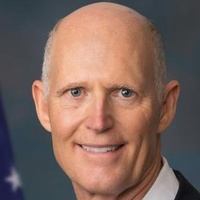
Rick Scott
Senator
FL
Rick Scott
Senator
FL
The No Safe Harbor for the Enemy Act establishes the Secretary of Defense as the final and unreviewable authority for determining which Chinese military companies operating in the U.S. are added to the designated list. This change ensures that the Secretary's decision on company listings under existing defense authorization law is conclusive. No other official or court can challenge or review this determination.
This bill mandates a study by the Secretary of Commerce to assess the national security risks posed by consumer routers and modems supplied by companies from designated "covered countries."

Marsha Blackburn
Senator
TN
Marsha Blackburn
Senator
TN
The ROUTERS Act mandates a study by the Secretary of Commerce to assess the national security risks and cybersecurity vulnerabilities associated with consumer routers and modems supplied by companies linked to "covered countries." This report must detail the findings regarding equipment from these flagged nations and be submitted to relevant Congressional committees within one year of enactment.
The Ready Reserve Act of 2025 updates the eligibility date for early retirement benefits for certain Ready Reserve members from January 28, 2008, to September 11, 2001.
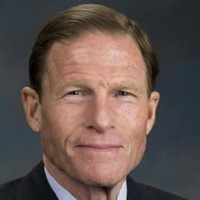
Richard Blumenthal
Senator
CT
Richard Blumenthal
Senator
CT
The Ready Reserve Act of 2025 modifies early retirement eligibility for certain members of the Ready Reserve. This legislation updates the qualifying service date used to determine these benefits, replacing January 28, 2008, with September 11, 2001. This change aligns eligibility calculations with service periods related to the September 11th timeframe.
The TORNADO Act mandates improvements to hazardous weather communication, develops a strategic plan for high-resolution forecasting, updates the tornado rating system, and enhances post-storm assessment procedures.

Roger Wicker
Senator
MS
Roger Wicker
Senator
MS
The TORNADO Act aims to significantly improve the nation's ability to forecast, communicate, and respond to hazardous weather events. It establishes new offices and strategic plans to enhance the clarity and speed of public warnings, mandates a review of the tornado rating system, and refocuses key tornado research programs. Ultimately, the bill seeks to leverage better science and communication strategies to save lives and protect property from severe storms and other natural hazards.
The STAR Plus Scholarship Act establishes a federal program to fund scholarships for students entering substance use disorder and mental health professions in exchange for mandatory service in designated shortage areas.
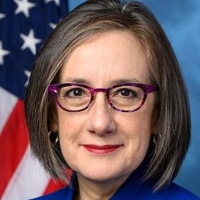
Andrea Salinas
Representative
OR
Andrea Salinas
Representative
OR
The STAR Plus Scholarship Act establishes a new federal program to award scholarships to students entering the substance use disorder and mental health treatment workforce. Recipients must agree to serve in designated mental health professional shortage areas for a period equal to the time they received funding. This initiative aims to increase the number of qualified professionals serving in critical shortage areas, with priority given to those likely to remain long-term and those from underrepresented backgrounds. The bill also creates a replacement fund to help facilities cover costs when service obligations are breached.
This Act establishes federal grants to fund unarmed mobile crisis response teams that divert nonviolent mental health and substance use calls away from police dispatch.
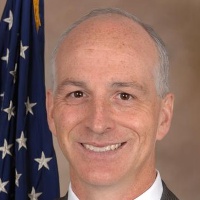
Adam Smith
Representative
WA
Adam Smith
Representative
WA
The 911 Community Crisis Responders Act of 2025 establishes a federal grant program to fund unarmed mobile crisis response teams across the nation. These teams will respond to nonviolent emergencies involving mental health, homelessness, or substance use, diverting calls away from law enforcement. Grantees must use funds for training, system upgrades, and reporting on program impact, including demographic data on those served. The goal is to ensure trained professionals provide appropriate, de-escalated care for individuals in crisis.
This Act mandates federal agencies to verify the eligibility of benefit recipients aged 105 and older twice annually, starting after December 31, 2025.
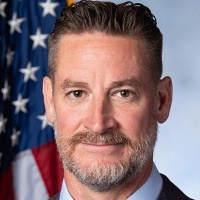
W. Steube
Representative
FL
W. Steube
Representative
FL
The Valid Benefits Act mandates that federal agencies must verify the eligibility of benefit recipients aged 105 and older twice annually. This new requirement aims to ensure continued qualification for federal benefits among supercentenarians. The verification process will begin with benefit payments made on or after December 31, 2025.