Legislation
The PASTOR Act of 2026 mandates that Medicare-participating healthcare providers grant patients access to their requested clergy members, even during public health emergencies.
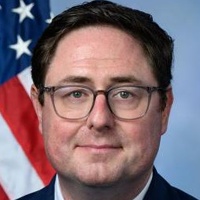
Mike Flood
Representative
NE
Mike Flood
Representative
NE
The PASTOR Act of 2026 ensures that Medicare-participating healthcare providers grant patients access to their designated clergy upon request. This right remains protected even during public health emergencies, provided that clergy members adhere to established safety protocols.
This resolution designates August 1 as "National Woman Astronomers Day" to honor the historic contributions of women in astronomy and promote greater gender diversity within the field.
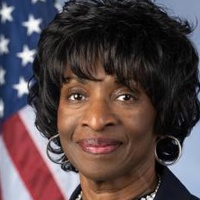
Valerie Foushee
Representative
NC
Valerie Foushee
Representative
NC
This resolution designates August 1 as "National Woman Astronomers Day" to honor the groundbreaking contributions of American women to the field of astronomy. It highlights the importance of increasing female representation in the scientific workforce to foster innovation and ensure equal opportunity. The bill encourages nationwide observance of the day to celebrate these achievements and inspire future generations of women in science.
This bill amends the Commodity Exchange Act to prohibit the trading and clearing of event contracts related to sports and casino-style games on registered exchanges.
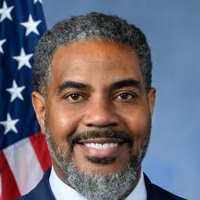
Steven Horsford
Representative
NV
Steven Horsford
Representative
NV
The **Prediction Markets Are Gambling Act** prohibits the trading and clearing of event contracts related to sports and casino-style games on registered financial exchanges. By amending the Commodity Exchange Act, this legislation ensures that such activities cannot be offered as financial products while preserving the authority of state laws to regulate or ban these forms of wagering.
The Concealed Crime Prevention Act imposes mandatory additional prison sentences for individuals who wear ski masks while committing criminal offenses in the District of Columbia.
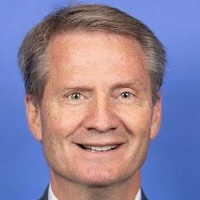
Tim Burchett
Representative
TN
Tim Burchett
Representative
TN
The Concealed Crime Prevention Act mandates additional prison sentences for individuals who wear ski masks to conceal their identity while committing crimes in the District of Columbia. Under this legislation, offenders face at least six months of extra jail time for misdemeanors and two years for felonies, to be served consecutively with their primary sentence. Religious headwear is explicitly excluded from these provisions.
The Duty of Transparency Act requires Members of Congress to publicly disclose and provide updates regarding any planned physical absence from congressional proceedings lasting 21 days or longer.
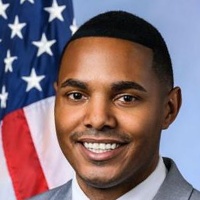
Ritchie Torres
Representative
NY
Ritchie Torres
Representative
NY
The Duty of Transparency Act requires Members of Congress to publicly disclose any anticipated physical absence from Congressional proceedings lasting 21 or more consecutive days. These filings must provide the duration and reason for the absence, as well as information regarding the Member's ability to perform duties remotely. The legislation ensures public accountability while protecting the privacy of sensitive medical information.
This bill directs the Secretary of Health and Human Services to provide states with strategies for using Medicaid and CHIP to improve the recruitment, training, and retention of mental health and substance use disorder providers, particularly in underserved areas.
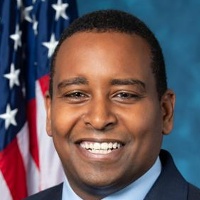
Joe Neguse
Representative
CO
Joe Neguse
Representative
CO
The Expand the Behavioral Health Workforce Now Act directs the Secretary of Health and Human Services to provide states with guidance on utilizing Medicaid and CHIP to strengthen the mental health and substance use disorder workforce. This initiative focuses on improving the education, training, recruitment, and retention of providers, with a specific emphasis on expanding access to care in rural and underserved communities.
The C.A.R.E. for Mental Health Professionals Act establishes a grant program to support interstate compacts that facilitate the recognition of mental health professional licenses across state lines.
Joe Neguse
Representative
CO
Joe Neguse
Representative
CO
The C.A.R.E. for Mental Health Professionals Act establishes a federal grant program to support interstate compacts that allow mental health professionals to practice across state lines. By facilitating the mutual recognition of licenses, this legislation aims to expand the mental health workforce and improve access to care nationwide.
This bill mandates a Department of Defense report to identify strategies for strengthening the military child care workforce and improving employment opportunities for military spouses.
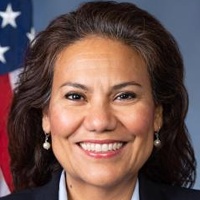
Veronica Escobar
Representative
TX
Veronica Escobar
Representative
TX
The Military Spouse Employment and Child Care Readiness Act directs the Department of Defense to evaluate and address critical staffing and operational challenges within military child development centers. This legislation seeks to improve childcare availability by assessing workforce needs, streamlining professional certification transfers for military spouses, and exploring new home-based care initiatives. Ultimately, the bill aims to strengthen the military childcare system while creating meaningful employment opportunities for military spouses.
The REPLACE Act modernizes federal grant programs to accelerate the removal of lead-based paint hazards and replace lead-contaminated drinking water service lines in housing and communities.
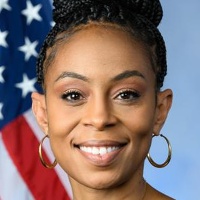
Shontel Brown
Representative
OH
Shontel Brown
Representative
OH
The REPLACE Act modernizes federal lead hazard reduction programs by expanding grant eligibility and funding priorities to better address both lead-based paint and water-related lead hazards. The bill enhances technical assistance for local jurisdictions, strengthens coordination between housing and environmental agencies, and broadens the scope of service line replacements to include hazardous galvanized pipes. These measures aim to accelerate the removal of lead hazards from homes and drinking water systems to ensure safer living environments.
The FLOWS Act of 2026 establishes an EPA grant program to help rural communities modernize their water infrastructure through the adoption of digital technologies and cybersecurity improvements.
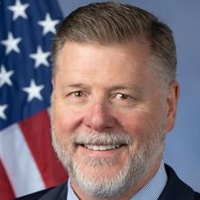
Eric Crawford
Representative
AR
Eric Crawford
Representative
AR
The FLOWS Act of 2026 establishes an EPA grant program to help rural communities modernize their water, wastewater, and stormwater systems through digital infrastructure technology. By providing $50 million annually, the bill supports the adoption of advanced monitoring, cybersecurity, and data analytics tools to improve system efficiency and resilience. Additionally, the Act mandates a comprehensive study to evaluate the long-term impact of these digital upgrades on rural water management and affordability.
This resolution condemns all forms of hate-based violence and discrimination while calling for comprehensive federal policies, resources, and support to protect vulnerable communities and uphold an inclusive democracy.
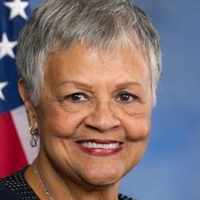
Bonnie Watson Coleman
Representative
NJ
Bonnie Watson Coleman
Representative
NJ
This resolution expresses the sense of Congress that all forms of hate, discrimination, and violence must be condemned to protect the integrity of our democracy. It calls for comprehensive federal and state policies to prevent hate crimes, provide robust support for victims, and ensure equitable resources for vulnerable communities. By prioritizing education, intervention, and community-based advocacy, the bill reaffirms a national commitment to fostering an inclusive society free from bigotry.
This resolution expresses support for the inaugural Freedom 250 Grand Prix in Washington, D.C., while honoring the historic legacy and cultural impact of American INDYCAR racing.
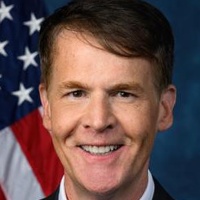
Jefferson Shreve
Representative
IN
Jefferson Shreve
Representative
IN
This resolution expresses official support for the inaugural Freedom 250 Grand Prix, an INDYCAR race scheduled to take place in Washington, D.C., in August 2026. It honors the historic legacy of American INDYCAR racing while celebrating the upcoming event as a centerpiece for the nation’s 250th birthday commemoration. The race will feature a unique course near the National Mall, highlighting American innovation and sporting tradition.
The ORTHO Act mandates in-person dental examinations before the provision of most teledentistry services and establishes federal and state enforcement mechanisms to ensure patient safety.
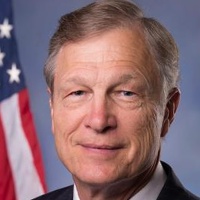
Brian Babin
Representative
TX
Brian Babin
Representative
TX
The ORTHO Act mandates that dentists conduct an in-person examination before providing teledentistry services, with limited exceptions for emergent care, public health programs, and initial orthodontic diagnoses. The bill empowers the Federal Trade Commission and state attorneys general to enforce these safety standards, treating violations as unfair or deceptive acts. By requiring professional clinical oversight, the legislation ensures that remote dental care meets established safety and diagnostic requirements.
The Protecting Ratepayers Act mandates that all new and existing data centers with a power demand of 5 megawatts or more operate entirely independent of public utility networks for their energy and water supplies.
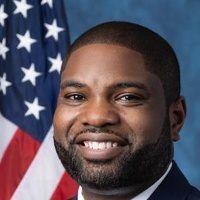
Byron Donalds
Representative
FL
Byron Donalds
Representative
FL
The Protecting Ratepayers Act mandates that all data centers with a power demand of 5 megawatts or more operate entirely independent of public utility networks for their energy and water needs. By requiring these facilities to utilize off-grid power and water sources, the bill aims to prevent data centers from straining public infrastructure. Additionally, the legislation codifies the President’s "Ratepayer Protection Pledge" into federal law.
The Judicial FOIA Expansion Act amends federal law to subject the judicial branch to the Freedom of Information Act and the Privacy Act, increasing transparency regarding court operations, personnel, and administrative records.

Dan Goldman
Representative
NY
Dan Goldman
Representative
NY
The Judicial FOIA Expansion Act would extend the Freedom of Information Act and the Privacy Act to the federal judiciary, ending the branch's current exemption. This legislation mandates public access to specific administrative and disciplinary records while establishing a framework for transparency across federal courts and judicial entities.
The Defend American Agriculture Act increases the Commodity Credit Corporation’s borrowing authority to $45 billion through September 2031 to provide expanded financial support for American farmers.
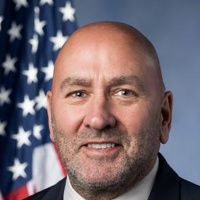
Clay Higgins
Representative
LA
Clay Higgins
Representative
LA
The Defend American Agriculture Act strengthens support for the U.S. agricultural sector by increasing the Commodity Credit Corporation’s borrowing authority from $30 billion to $45 billion. This temporary expansion of funding, effective through September 30, 2031, is designed to provide enhanced financial stability and resources for American farmers and producers.
The Tariff Refund Act of 2026 provides a one-time tax rebate to eligible U.S. citizens to offset tariff-related costs based on their filing status and income.

Haley Stevens
Representative
MI
Haley Stevens
Representative
MI
The Tariff Refund Act of 2026 proposes a one-time tax rebate for eligible U.S. citizens, providing payments of up to $1,700 for married couples, $1,275 for heads of household, and $850 for other individual filers. This rebate is subject to specific income thresholds and eligibility requirements, with the IRS tasked to distribute the funds as efficiently as possible.
This Act authorizes small, independently owned craft distilleries to ship distilled spirits directly to consumers in states where such direct-to-consumer shipping is permitted.
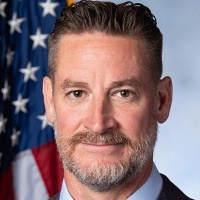
W. Steube
Representative
FL
W. Steube
Representative
FL
The Craft Distilled Spirits Direct-to-Consumer Shipping Act of 2026 authorizes small, independent distilleries to ship spirits directly to consumers in states where such shipments are permitted. The bill ensures responsible delivery by requiring age verification and mandatory adult signatures upon receipt. These provisions apply exclusively to craft producers distilling 250,000 gallons or less per year for personal, non-commercial use.
This resolution celebrates 55 years of diplomatic relations between the United States and Fiji while reaffirming a commitment to strengthening their partnership across security, economic, and cultural sectors.
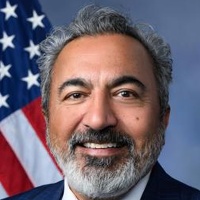
Ami Bera
Representative
CA
Ami Bera
Representative
CA
This resolution celebrates 55 years of diplomatic relations between the United States and the Republic of Fiji, highlighting their enduring partnership in security, economic development, and regional stability. It reaffirms the commitment of the House of Representatives to strengthening this alliance and supporting Fiji’s continued role as a democratic leader in the Indo-Pacific.
The Building Community in America Act amends federal service laws to prioritize the recruitment and training of underrepresented populations, including men, for community-building roles such as youth mentorship, public safety, and workforce development.
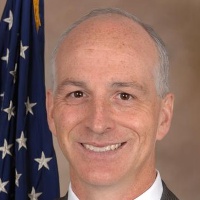
Adam Smith
Representative
WA
Adam Smith
Representative
WA
The Building Community in America Act aims to strengthen national service programs by prioritizing the recruitment and training of underrepresented populations, with a specific focus on engaging more men in community-building roles. The bill directs federal service initiatives to emphasize mentorship, public safety, disaster response, and workforce development. By expanding participation, the legislation seeks to broaden the impact of volunteer and service-based programs across the country.