Legislation
This Act establishes the Transportation Fuel Market Transparency Act to investigate potential market manipulation in fuel markets, expand prohibitions against such manipulation, and mandate increased data collection and monitoring by the FTC and the Department of Energy.

Maria Cantwell
Senator
WA
Maria Cantwell
Senator
WA
The Transportation Fuel Market Transparency Act mandates the Federal Trade Commission (FTC) to investigate potential market manipulation in crude oil and transportation fuel markets to determine if anticompetitive behavior is raising consumer prices. The bill expands prohibitions against market manipulation and false information across all transportation fuels and establishes a new FTC unit dedicated to continuous monitoring and enforcement. Furthermore, it requires the Department of Energy to collect and publicly release detailed, geographically specific data on fuel markets to enhance transparency.
The SECURE Data Act establishes comprehensive consumer data privacy rights, mandates data security standards for controllers, regulates data brokers, and outlines enforcement by the FTC and state attorneys general.
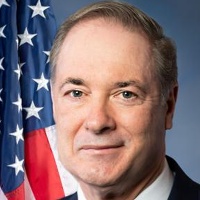
John Joyce
Representative
PA
John Joyce
Representative
PA
The SECURE Data Act establishes comprehensive consumer privacy rights, including the rights to access, correct, and delete personal data. It imposes strict requirements on companies regarding data minimization, security, and transparency, particularly concerning sensitive data and targeted advertising. The Act also mandates registration for data brokers and creates a framework for enforcement by the FTC and state attorneys general, while preempting conflicting state laws.
This act expands support for urban and innovative farming through updated USDA offices, new competitive grants, permanent project funding, and dedicated research into controlled-environment agriculture.
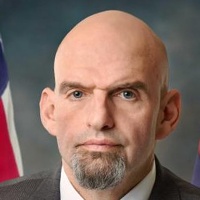
John Fetterman
Senator
PA
John Fetterman
Senator
PA
The Supporting Urban and Innovative Farming Act of 2026 aims to bolster urban and controlled-environment agriculture by expanding the USDA's Office of Urban Agriculture. This legislation establishes a new competitive grant program to support producers and prioritizes improving local food access in underserved areas. It also mandates dedicated funding and expands research opportunities for innovative farming technologies.
This bill prohibits Members of the House of Representatives from engaging in certain transactions related to prediction markets.
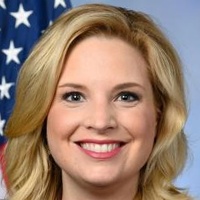
Ashley Hinson
Representative
IA
Ashley Hinson
Representative
IA
This bill amends House Rules to prohibit Members, officers, and employees from participating in prediction markets that involve betting on the outcome of specific events. It specifically bans entering into contracts or transactions dependent on whether an event occurs. Furthermore, the House expresses its desire for the executive and judicial branches to adopt similar restrictions.
This act mandates a feasibility report on expanding the Multinational Force Operation Olympic Defender to include Japan and the Republic of Korea.
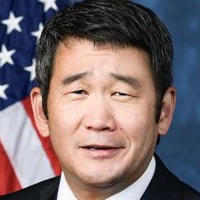
Dave Min
Representative
CA
Dave Min
Representative
CA
This act mandates a feasibility study by the U.S. Space Command on expanding the Multinational Force Operation Olympic Defender to include Japan and the Republic of Korea. The resulting report must detail the necessary policy, funding, and security considerations for their inclusion. This aims to enhance space cooperation among key Indo-Pacific allies.
This act prohibits credit reporting agencies from reporting negative financial information about federal workers during government shutdowns and for 30 days after they end.
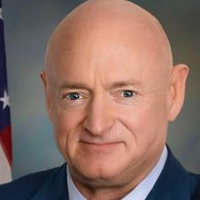
Mark Kelly
Senator
AZ
Mark Kelly
Senator
AZ
The Federal Worker Credit Protection Act of 2026 prohibits credit reporting agencies from reporting negative credit information related to federal workers during a government shutdown. This protection applies when there is a lapse in appropriations lasting over 24 hours and for 30 days after the lapse ends. Covered federal employees can request the removal of this adverse information from their credit reports free of charge during this period.
The WAGES Act of 2026 establishes a new refundable tax credit for employers to offset the costs of qualified wages and expenses related to registered apprenticeship programs.

Todd Young
Senator
IN
Todd Young
Senator
IN
The WAGES Act of 2026 establishes a new refundable tax credit for employers who invest in registered apprenticeship programs by covering a portion of qualified wages and program expenses. This legislation aims to strengthen the skilled workforce by incentivizing employer participation in proven training models. Additionally, the Act modifies tax rules to provide favorable treatment for certain apprenticeship awards given to participants.
This bill establishes the Office of Territorial Affairs within the Small Business Administration to better support small businesses in U.S. territories through targeted programs and dedicated liaison services.
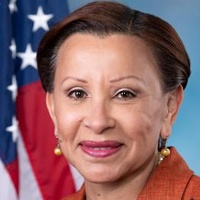
Nydia Velázquez
Representative
NY
Nydia Velázquez
Representative
NY
This bill establishes the Office of Territorial Affairs within the Small Business Administration (SBA) to better support small businesses in U.S. territories. The Office will focus on improving access to SBA programs related to capital, contracting, disaster assistance, and entrepreneurial development. It requires regular reporting to Congress on the office's activities and the assistance provided to businesses in Puerto Rico, Guam, American Samoa, the U.S. Virgin Islands, and the Northern Mariana Islands.
This bill amends the REAL ID Act to mandate that all federally-recognized driver's licenses and commercial driver's licenses indicate the holder's U.S. citizenship status and establish stricter federal recognition requirements for commercial driver's licenses.
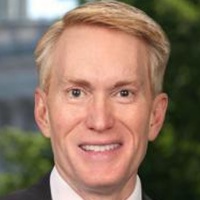
James Lankford
Senator
OK
James Lankford
Senator
OK
The Citizenship Documented License (CDL) Act amends the REAL ID Act to mandate that all federally-recognized driver's licenses and IDs must indicate the holder's U.S. citizenship status. Furthermore, it establishes stricter federal recognition requirements for Commercial Driver's Licenses (CDLs). These new CDL requirements mandate verification of lawful status for specific categories of non-citizens, including lawful permanent residents and holders of E-2, H-1B, or H-2B visas.
This Act establishes a program to fund and create Wildlife Health Coordinator positions to improve federal, state, and tribal coordination in preventing, detecting, and responding to wildlife diseases with zoonotic potential.

Tammy Baldwin
Senator
WI
Tammy Baldwin
Senator
WI
This Act establishes the Wildlife Health Coordination and Zoonotic Disease Prevention Program to combat the growing threat of diseases spreading between animals and humans. The bill creates six dedicated Wildlife Health Coordinator positions to improve communication and coordination among federal, state, and tribal agencies regarding wildlife health and zoonotic disease surveillance. These coordinators will facilitate information sharing, build capacity, and help access resources for prevention and response efforts.
This bill prohibits the use of U.S. foreign assistance funds for programs that violate human rights or undermine public health, while also nullifying specific related State Department rules.
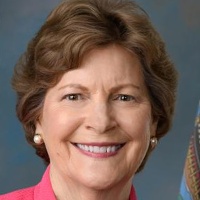
Jeanne Shaheen
Senator
NH
Jeanne Shaheen
Senator
NH
This bill amends the Foreign Assistance Act to prohibit U.S. foreign assistance funds from supporting programs that violate human rights or undermine public health, including those involving coercive family planning. It specifically nullifies three recent Department of State rules related to foreign assistance. The Secretary of State is required to issue compliance guidance and report annually to Congress on any violations.
This bill mandates the Secretary of State to determine if the Chinese government has committed genocide or crimes against humanity against Tibetans and to report findings and policy recommendations to Congress.
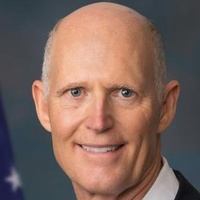
Rick Scott
Senator
FL
Rick Scott
Senator
FL
This Act requires the Secretary of State to determine whether the People's Republic of China has committed atrocities, genocide, or crimes against humanity against the Tibetan people. The Secretary must report these findings, along with supporting evidence and policy recommendations, to Congress within specified deadlines. This legislation mandates a formal U.S. government assessment of the situation in Tibet based on established international definitions of atrocity crimes.
This bill seeks to disapprove and void the Bureau of Consumer Financial Protection's rule concerning examinations for risks to active-duty servicemembers and their dependents.
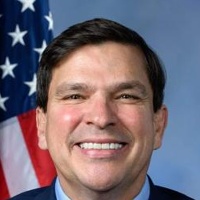
Vicente Gonzalez
Representative
TX
Vicente Gonzalez
Representative
TX
This bill seeks to disapprove and void a specific rule issued by the Bureau of Consumer Financial Protection concerning examinations for risks to active-duty servicemembers and their dependents. By invoking the Congressional Review Act, the measure ensures this particular CFPB regulation will not take effect or be enforced.
This Act establishes a voluntary, federal framework for collecting and publishing aggregated, de-identified data on how AI systems affect the workforce to support evidence-based policy.
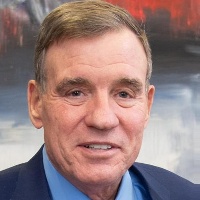
Mark Warner
Senator
VA
Mark Warner
Senator
VA
The Workforce Transparency Act of 2026 establishes a voluntary federal framework for sharing aggregated, de-identified data about how artificial intelligence systems impact the workforce. This allows AI providers and customers to submit privacy-protected information on task usage and geographic distribution to the Department of Labor. The Act aims to support evidence-based policy while strictly prohibiting the disclosure of individual privacy, trade secrets, or proprietary information. No entity is required to participate, and choosing not to submit data cannot result in adverse inferences by federal agencies.
This act establishes new labeling requirements and clarifies regulatory oversight for cell-cultivated protein products and plant-based alternative protein products under the USDA and FDA.
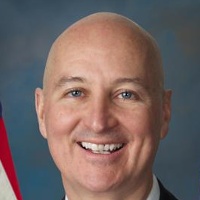
Pete Ricketts
Senator
NE
Pete Ricketts
Senator
NE
The FAIR Labels Act of 2026 establishes clear labeling requirements and regulatory oversight for both cell-cultivated protein products and plant-based alternative protein products. It mandates that cell-cultivated products must prominently feature the term "cell-cultivated" on their labels, while plant-based alternatives must be clearly identified as "plant-based alternative protein product." Furthermore, the bill updates the agreement between the USDA and HHS to clarify their respective roles in regulating the safety and production of cell-cultivated protein.
This bill establishes protected status for over 85,000 acres of federal land in New Mexico's Caja del Rio region, conserving its cultural and ecological values while prioritizing Tribal participation in its management and restricting development and motorized use.
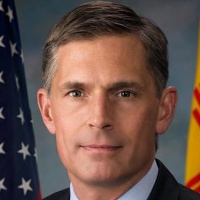
Martin Heinrich
Senator
NM
Martin Heinrich
Senator
NM
The Caja del Rio Protection Act establishes permanent protections for federal lands in New Mexico by creating the Caja del Rio Special Management Area and the Caja del Rio National Conservation Area. This legislation safeguards the region's cultural, spiritual, and ecological values while prioritizing Tribal consultation and management roles. The bill restricts new roads and motorized vehicle use while explicitly allowing existing grazing and protecting municipal water rights for Santa Fe. Finally, it withdraws an additional area from all forms of resource extraction and development.
This bill establishes an interagency working group to review best practices and issue recommendations for improving peer-to-peer mental and behavioral health support programs for first responders and law enforcement officers.
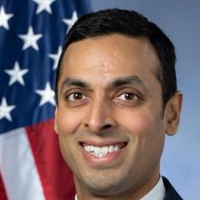
Suhas Subramanyam
Representative
VA
Suhas Subramanyam
Representative
VA
The Peer Support for Our First Responders Act of 2026 establishes an interagency working group to improve mental and behavioral health support for law enforcement officers and first responders. This group will review best practices for peer-to-peer support programs tailored to these professions. The Act mandates the delivery of updated recommendations to Congress and the public regarding evidence-based standards for effective programs.
The AI OVERWATCH Act establishes strict licensing requirements and congressional oversight for exporting advanced integrated circuits to designated countries of concern to safeguard U.S. technology leadership and national security.
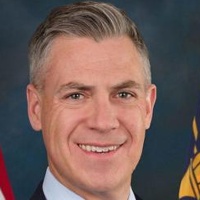
Jim Banks
Senator
IN
Jim Banks
Senator
IN
The AI OVERWATCH Act establishes strict new export controls on advanced integrated circuits to designated countries of concern, including China, Iran, and Russia. It mandates a rigorous licensing process requiring detailed Congressional certification before high-performance chips can be transferred. Furthermore, the bill temporarily halts all licenses for these chips while requiring the development of a comprehensive national strategy to secure U.S. leadership in artificial intelligence.
This act amends the Congressional Budget Act of 1974 to classify any provision resulting in the sale, disposal, or transfer of federal lands as extraneous under the Byrd Rule.

Michael Bennet
Senator
CO
Michael Bennet
Senator
CO
The Public Lands Integrity Act amends the Congressional Budget Act of 1974 to classify any provision resulting in the sale, disposal, or transfer of federal lands as "extraneous" under the Byrd Rule. This change aims to prevent such land transactions from being included in budget reconciliation processes.
This bill exempts low alcohol by volume kombucha (under 1.25% ABV) from federal wine and beer taxes.
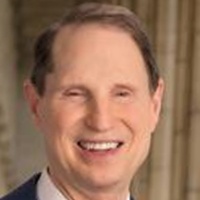
Ron Wyden
Senator
OR
Ron Wyden
Senator
OR
The KOMBUCHA Act aims to support domestic manufacturers by exempting low alcohol by volume (no more than 1.25% ABV) kombucha from federal taxes levied on wine and beer. This legislation specifically defines qualifying kombucha as a beverage fermented solely by a SCOBY using standard ingredients. The bill ensures these producers are not subject to existing complex federal beverage tax regulations.