Legislation
This bill prohibits the use of "Buy Now, Pay Later" loans for the purchase of specified semiautomatic assault weapons, imposing significant penalties for violations.
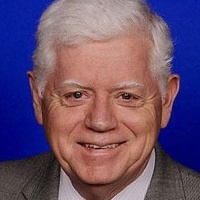
John Larson
Representative
CT
John Larson
Representative
CT
This bill, the Assault Weapon Financing Accountability Act, prohibits the use of "Buy Now, Pay Later" loans for the purchase of semiautomatic assault weapons. It makes it illegal for lenders to issue these loans and for gun dealers to knowingly accept them for these specific firearm sales. Violations carry a significant civil penalty of $100,000 per offense.
This act mandates the Department of Homeland Security to identify critical data centers, assess their security risks, and develop a strategy to defend them and protect surrounding communities.
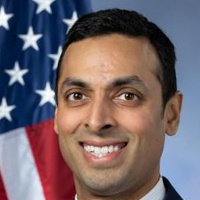
Suhas Subramanyam
Representative
VA
Suhas Subramanyam
Representative
VA
The Data Infrastructure Risk Reduction Act directs the Secretary of Homeland Security, through CISA, to identify critical data centers within 180 days of enactment. This effort requires assessing the security of their utility connections and the impact on nearby communities. Finally, the Secretary must submit a strategy to Congress for defending these facilities against cyberattacks and protecting surrounding areas.
This Act prohibits selling gasoline and petroleum distillates at unconscionably excessive prices during a conflict with Iran and establishes enforcement mechanisms through the FTC and state attorneys general.
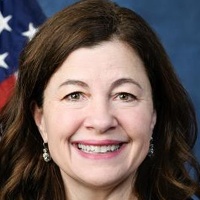
Kristen McDonald Rivet
Representative
MI
Kristen McDonald Rivet
Representative
MI
This act prohibits selling gasoline or petroleum fuels at unconscionably excessive prices during a period related to military operations against Iran. The law grants the Federal Trade Commission and state attorneys general enforcement authority, including the power to seek penalties and restitution. All collected fines will be directed into a Consumer Relief Trust Fund to support energy assistance programs.
This bill officially designates the Russian Federation as a state sponsor of terrorism under U.S. law, with specific provisions regarding frozen assets and the duration of the designation.
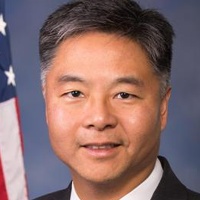
Ted Lieu
Representative
CA
Ted Lieu
Representative
CA
This bill officially designates the Russian Federation as a state sponsor of terrorism under U.S. law. The designation is based on Russia's documented support for international terrorism and its ongoing acts of violence against civilians in Ukraine. This designation triggers existing legal consequences but includes specific protections for humanitarian aid and limits the designation's duration. Furthermore, the Act preserves the President's authority over frozen Russian assets while protecting victims' rights to seek compensation through other legal channels.
This act mandates new durability standards, including a minimum heat resistance of 180 degrees, for railcar safety placards to better protect emergency responders.
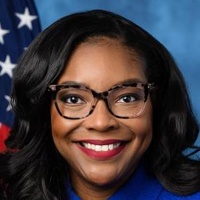
Emilia Sykes
Representative
OH
Emilia Sykes
Representative
OH
The RAPID Responders Act of 2026 mandates new federal regulations for railcar safety placards. These regulations will require placards to withstand temperatures exceeding 180 degrees Fahrenheit to ensure visibility during accidents. The Secretary of Transportation is tasked with issuing these durability standards within one year of enactment.
This bill mandates that companies registering securities on U.S. exchanges must disclose their use of goods or materials linked to forced labor in the Xinjiang Uyghur Autonomous Region, subject to independent verification and public availability.
Suhas Subramanyam
Representative
VA
Suhas Subramanyam
Representative
VA
The Uyghur Forced Labor Disclosure Act requires companies listing securities on U.S. exchanges to disclose their supply chain links to goods produced using forced labor in the Xinjiang Uyghur Autonomous Region (XUAR). This mandates detailed public reporting, independent verification of sourcing documentation, and penalties for noncompliance. These disclosure requirements are set to be repealed after eight years or sooner if the President certifies that China has ended human rights abuses in the region.
This bill mandates the Secretary of Agriculture to share foreign agricultural land ownership reports with CFIUS and update the AFIDA handbook based on GAO recommendations.
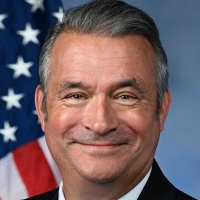
Don Bacon
Representative
NE
Don Bacon
Representative
NE
This bill mandates the Secretary of Agriculture to establish agreements with CFIUS to share information reported under the Agricultural Foreign Investment Disclosure Act (AFIDA). It also requires the Secretary to update the AFIDA handbook to incorporate recommendations from a recent GAO report on foreign investment in U.S. agricultural land. These measures aim to enhance the tracking and sharing of key information regarding foreign ownership of U.S. farmland to better identify national security risks.
This bill mandates that health insurance plans, including Medicaid and CHIP, must cover the cost of self-measured blood pressure monitoring devices for pregnant and postpartum individuals to safeguard against eclampsia risk.
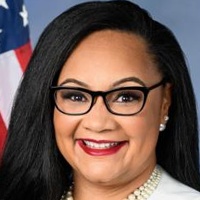
Nikema Williams
Representative
GA
Nikema Williams
Representative
GA
The Blood Pressure MATTERS Act mandates that health insurance plans, including Medicaid and CHIP, must cover self-measured blood pressure monitoring devices for pregnant and postpartum individuals without any out-of-pocket costs. This ensures access to vital monitoring tools for up to 12 months postpartum to help safeguard against eclampsia risk. The law requires devices to meet specific FDA and AMA validation standards.
This bill transfers the Transportation Security Administration (TSA) from the Department of Homeland Security to the Department of Transportation, maintaining it as a distinct entity.
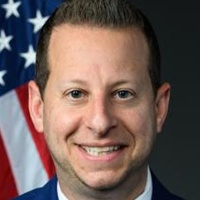
Jared Moskowitz
Representative
FL
Jared Moskowitz
Representative
FL
This bill, the Transportation Security Administration Transfer Act of 2026, moves the Transportation Security Administration (TSA) from the Department of Homeland Security to the Department of Transportation. The Secretary of Transportation assumes all existing authorities and responsibilities of the TSA Administrator. The transfer ensures legal continuity for all existing rules, contracts, and ongoing proceedings.
This bill establishes mandatory data recovery requirements, recovery time objectives, and annual certification reports for the Department of Defense to enhance resilience against cyberattacks.
Suhas Subramanyam
Representative
VA
Suhas Subramanyam
Representative
VA
The National Defense Data Resilience Act mandates the Department of Defense (DoD) to establish comprehensive data recovery requirements and submit a strategy to Congress. This legislation requires the DoD to classify data, set mandatory recovery time objectives, and field robust data recovery capabilities, including immutable backups and annual recovery exercises. The goal is to ensure the rapid and secure restoration of vital defense data following sophisticated cyberattacks.
This bill expands the ban on foreign money in U.S. elections with new reporting and enforcement rules while simultaneously restricting the federal government's collection and disclosure of donor information for tax-exempt organizations.
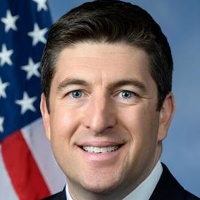
Bryan Steil
Representative
WI
Bryan Steil
Representative
WI
This act significantly expands the existing ban on foreign money used in U.S. elections, covering activities like voter registration and get-out-the-vote efforts, and introduces new certification and enforcement rules. It also restricts federal government entities from collecting or publicly releasing donor information for most tax-exempt organizations. The legislation aims to strengthen election integrity by tightening campaign finance rules against foreign influence while protecting domestic donor privacy.
This Act allows states and local governments to use federal transportation funds for shared micromobility projects like bike and scooter sharing.
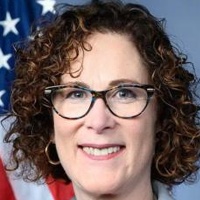
Valerie Hoyle
Representative
OR
Valerie Hoyle
Representative
OR
The Shared Micromobility Investment Act amends federal transportation law to allow states and local governments to use existing federal funds for shared micromobility projects. This makes bike-sharing, e-bike-sharing, and scooter-sharing systems eligible for funding under major programs like the Carbon Reduction Program. Projects must include plans to ensure equitable access and service for low-income communities and communities of color.
This bill establishes a grant program to provide employment skills, work experience, and expanded educational opportunities for current and former foster youth aged 14 to 26.

Max Miller
Representative
OH
Max Miller
Representative
OH
The Foster Youth Workforce Opportunity Act establishes a grant program to help current and former foster youth gain vital employment skills and work experience. This legislation expands educational and training opportunities for individuals who experienced foster care, lowering the entry age and broadening eligibility for support services. The bill authorizes significant funding to provide job training, internships, educational assistance, and supportive services for youth aged 14 to 26.
The CONNECT Act updates the Chafee Foster Care Program to focus on helping youth who experienced foster care develop supportive relationships and actively participate in their permanency planning.
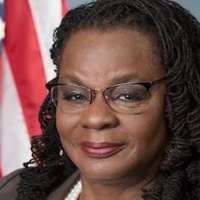
Gwen Moore
Representative
WI
Gwen Moore
Representative
WI
The CONNECT Act updates the purposes of the Chafee Foster Care Program to focus on helping older youth in foster care develop and maintain supportive relationships and connections. It also strengthens the rights of these youth to participate in their permanency planning process. The bill mandates new guidance for state and tribal agencies on best practices for mentoring, peer support, and documenting relationship-building activities.
This act amends the Chafee Foster Care Program to mandate that states provide legal counseling access and address specific legal issues for current and former foster youth.
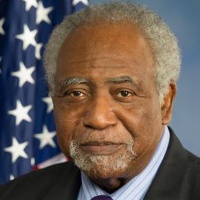
Danny Davis
Representative
IL
Danny Davis
Representative
IL
The Fresh Starts for Foster Youth Act amends the Chafee Foster Care Program to ensure that current and former foster youth have access to crucial legal counseling. This legislation requires participating states to certify that their case planning addresses specific legal issues impacting youth, such as those related to housing, education, and employment. The goal is to improve the transition to adulthood for foster youth by proactively addressing their legal needs.
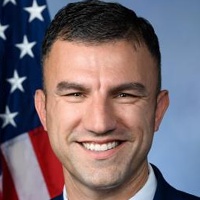
This bill amends the tax code to allow a deduction for loan interest payments made on certain recreational vehicles.
Rudy Yakym
Representative
IN
Rudy Yakym
Representative
IN
This bill seeks to amend the Internal Revenue Code to allow taxpayers to deduct loan interest payments made on certain recreational vehicles. It expands the definition of "qualified passenger vehicles" to include RVs, trailers, and campers used for temporary living quarters. This change would apply to debt incurred after December 31, 2025.
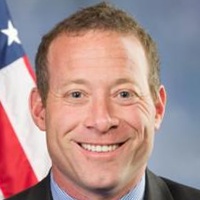
This act establishes a tax credit for businesses selling New Jersey-promoting products and grants preference to these businesses when leasing commercial space from port authorities.
Josh Gottheimer
Representative
NJ
Josh Gottheimer
Representative
NJ
The Jersey Pride Tax Credit Act of 2026 establishes a 25% tax credit for businesses selling products that promote New Jersey. Additionally, the bill mandates that port authorities give leasing preference to businesses selling these eligible "Jersey pride" products when renting commercial space. This aims to incentivize and support businesses highlighting the state.
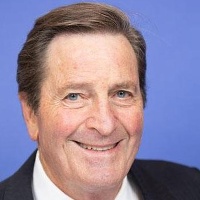
This bill establishes a competitive grant program to fund demonstration projects that enhance the resilience of critical transportation infrastructure against natural hazards.
John Garamendi
Representative
CA
John Garamendi
Representative
CA
This bill establishes the Accelerating Demonstration Approaches for Protecting Transportation Assets (ADAPT Assets) Program, a competitive grant initiative managed by the Secretary of Transportation. The program will award up to 10 grants for large-scale demonstration projects designed to make critical transportation infrastructure more resilient to natural hazards. Eligible projects must address documented hazard risks and aim to preserve mobility, safety, and economic function through adaptation, elevation, or protective measures.
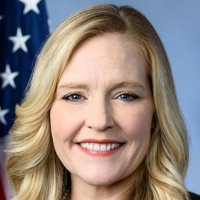
This act supports student-led mental health interventions on campus and expands youth awareness of the 988 Suicide and Crisis Lifeline.
Erin Houchin
Representative
IN
Erin Houchin
Representative
IN
The Campus Lifeline Act of 2026 aims to bolster student mental health support on college campuses by funding student-led intervention programs. It also enhances youth awareness of the 988 Suicide and Crisis Lifeline through new outreach strategies and requirements for listing the number on student IDs. This legislation focuses on peer education, early intervention training, and improving access to crisis resources for students.
The American Leadership in AI Act aims to strengthen U.S. leadership in artificial intelligence by establishing new standards, boosting research infrastructure, modernizing federal governance, protecting workers and small businesses, safeguarding against deepfakes, and expanding AI education and literacy.
Ted Lieu
Representative
CA
Ted Lieu
Representative
CA
The American Leadership in AI Act aims to secure U.S. leadership in artificial intelligence by strengthening safety standards, boosting federal research infrastructure, and modernizing government use of AI. The bill also focuses on protecting workers and small businesses from AI disruption while expanding education and penalizing harmful AI-enabled misuse like deepfakes. Overall, it establishes a comprehensive framework to foster innovation while mitigating risks associated with advanced AI.