Legislation
The Vehicle Innovation Act of 2026 establishes a comprehensive Department of Energy program to advance U.S. vehicle technology research, manufacturing, and deployment to improve fuel efficiency and reduce emissions across all vehicle sectors.
Debbie Dingell
Representative
MI
Debbie Dingell
Representative
MI
The Vehicle Innovation Act of 2026 establishes a comprehensive framework for the Department of Energy to advance U.S. vehicle technology through research, development, and manufacturing support. This legislation aims to improve fuel efficiency and reduce emissions across all vehicle sectors by funding transformative technologies, including electrification and hydrogen systems. It prioritizes domestic commercialization, strengthens public-private partnerships, and authorizes specific funding levels through Fiscal Year 2031. The Act also introduces new programs focused on heavy-duty commercial vehicles and the secondary use of vehicle batteries.
This act extends the prohibition on reducing personnel at service review agencies and mandates a Department of Defense report on the processing times for veterans seeking discharge upgrades due to PTSD or TBI.
James Walkinshaw
Representative
VA
James Walkinshaw
Representative
VA
The Streamline Upgrades for Veterans Act aims to improve the process for veterans seeking to upgrade their military discharge status. This bill extends the prohibition on reducing personnel assigned to service review agencies through 2030. Furthermore, it mandates a Department of Defense report detailing the time required for boards to decide discharge review cases related to PTSD or TBI, along with recommendations for speeding up the process.
This bill increases immediate tax deductions for reforestation expenses and creates a new, substantial deduction for replanting timber damaged by federally declared natural disasters.
Earl Carter
Representative
GA
Earl Carter
Representative
GA
The Save America’s Family Forests Act of 2026 aims to encourage forest restoration through tax incentives. It significantly increases the immediate deduction limit for standard reforestation expenses and introduces a new, substantial deduction for reforestation costs following a qualified natural disaster. These provisions are designed to support landowners by making forest recovery more financially feasible, with adjustments for inflation built in for future years.
This Act establishes national goals and funding to strengthen influenza vaccine development, manufacturing, supply chains, and public access to diagnostics and treatments to better prepare for seasonal and pandemic flu threats.
Rick Larsen
Representative
WA
Rick Larsen
Representative
WA
This Act aims to significantly bolster the nation's preparedness against seasonal and pandemic influenza threats. It establishes ambitious goals for rapid vaccine development, strengthens domestic manufacturing and supply chains for vaccines and diagnostics, and funds key public health programs. Furthermore, the bill focuses on increasing public access to vaccines and treatments while combating misinformation to build confidence in public health measures.
This bill prohibits financial institutions from collecting or requesting customer citizenship or immigration status information.
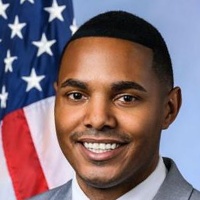
Ritchie Torres
Representative
NY
Ritchie Torres
Representative
NY
The Financial Access Protection Act prohibits banks and other financial institutions from collecting, requesting, or sharing a customer's citizenship or immigration status information. This legislation prevents regulators from mandating or penalizing institutions based on the collection of such data. The bill ensures that compliance with existing anti-money laundering and financial crime reporting obligations remains unaffected.
The RECOUP Act of 2026 mandates the Department of Homeland Security to reimburse state and local first responders for costs incurred while assisting ICE or CBP immigration enforcement activities.
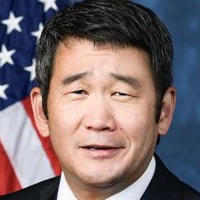
Dave Min
Representative
CA
Dave Min
Representative
CA
The RECOUP Act of 2026 mandates the Department of Homeland Security to reimburse state and local first responder agencies for costs incurred while assisting ICE or CBP with immigration enforcement activities. This section outlines streamlined procedures for agencies to submit cost estimates and receive payment from existing, unobligated ICE or CBP funds. The bill also ensures the protection of first responders' personal information collected during these reimbursement processes.
This bill establishes comprehensive standards for the care, housing, and treatment of pregnant women in federal custody, including mandated data collection, prohibitions on restrictive housing and restraints, and requirements for family unity services.
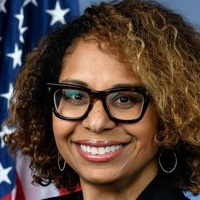
Sydney Kamlager-Dove
Representative
CA
Sydney Kamlager-Dove
Representative
CA
The Pregnant Women in Custody Act aims to establish comprehensive standards for the care, health services, and housing of pregnant individuals in federal custody, including those held by the Bureau of Prisons, CBP, ICE, and ORR. The bill mandates extensive data collection on the health needs of incarcerated pregnant women and strictly prohibits the use of restraints and restrictive housing during pregnancy, labor, and postpartum recovery, with very limited exceptions. Furthermore, it requires federal agencies to provide essential services like family unity programs, specialized medical care, and comprehensive education for pregnant and postpartum individuals.
This Act expands support for donor human milk activities through WIC funding, provides emergency grants to nonprofit milk banks, mandates a public awareness campaign, and directs the establishment of federal safety standards for donor milk.
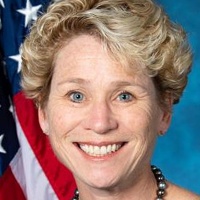
Chrissy Houlahan
Representative
PA
Chrissy Houlahan
Representative
PA
The Access to Donor Milk Act of 2026 aims to increase the availability and safety of donor human milk for infants. It expands the use of WIC funds to support milk collection and storage activities at nonprofit banks. The bill also establishes competitive grants for milk banks to expand emergency capacity and directs the creation of safety standards and a public awareness campaign.
This act aligns the VA home loan program with FHA requirements by modifying fee verification, refinancing rules, condominium eligibility, closing cost limits, appraisal standards, and mandates IT modernization.
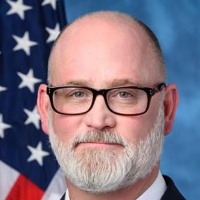
Derrick Van Orden
Representative
WI
Derrick Van Orden
Representative
WI
The VA Home Loan Affordability Act aligns the VA housing loan program with certain Federal Housing Administration (FHA) requirements to make homeownership more accessible for veterans. This legislation streamlines processes by waiving appraisals for certain refinances and removing development approval requirements for condominiums. It also establishes new limits on veteran-paid closing costs and seller fees, while requiring regular review of debt-to-income ratios.
This act mandates that hospitals and obstetric practitioners publicly disclose their specific policies regarding life-saving care for extremely premature infants to ensure parental transparency and informed consent.
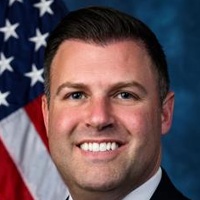
Ryan Mackenzie
Representative
PA
Ryan Mackenzie
Representative
PA
The Neonatal Care Transparency Act of 2026 aims to ensure parents receive clear information regarding life-saving care for extremely premature infants. It mandates that hospitals and obstetric practitioners publicly disclose their specific policies on providing intensive care for very premature babies. Failure to comply with these transparency requirements will result in the loss of federal Medicaid and CHIP funding.
This bill prohibits businesses from deducting expenses related to private jet ownership and operation starting in 2026, with specific exceptions for commercial or specialized use aircraft.
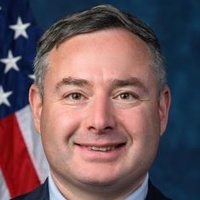
Eugene Vindman
Representative
VA
Eugene Vindman
Representative
VA
This bill, the "Stop Subsidizing Private Jets of 2026," aims to eliminate federal tax deductions for most business expenses related to owning and operating private, fixed-wing aircraft starting in 2026. It specifically disallows deductions for purchasing, maintaining, or operating these planes unless they meet narrow exceptions, such as being used primarily for cargo transport or specific commercial services. The legislation targets the common practice of businesses deducting the costs associated with personal or non-essential private jet use.
This Act establishes the Language Access Board to create standards and enforce requirements ensuring individuals with limited English proficiency can meaningfully access federal programs and services.
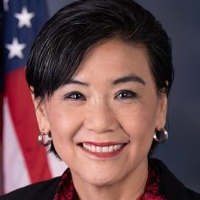
Judy Chu
Representative
CA
Judy Chu
Representative
CA
The Language Access Board Act of 2026 establishes a framework to ensure individuals with limited English proficiency (LEP) can meaningfully access federal programs and services. It creates a 32-member Language Access Board responsible for setting and enforcing language access standards across federal agencies. The Act mandates that federal agencies make public-facing materials accessible to LEP individuals, comparable to those provided to English speakers. Finally, the Board is empowered to investigate violations, develop corrective action plans, and report on compliance to Congress.
This bill establishes an FAA education program to inform the general aviation community about authorized unleaded aviation gasoline and track its progress.
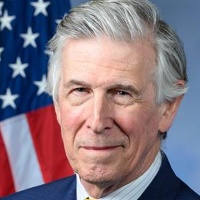
Donald Beyer
Representative
VA
Donald Beyer
Representative
VA
The **UNLEADED Act** mandates the FAA to establish a comprehensive education program informing the general aviation community about newly authorized unleaded aviation gasoline. This program requires the FAA to publish detailed compatibility, availability, and safety information on a public, continuously updated tracking mechanism. The goal is to ensure pilots, mechanics, and operators are fully educated on the transition to unleaded fuels through training and accessible resources until the program concludes in 2036.
The Long-Term Care Workforce Support Act aims to significantly improve the pay, training, working conditions, and stability of the direct care workforce through federal funding, new labor protections, and national compensation strategies.
Debbie Dingell
Representative
MI
Debbie Dingell
Representative
MI
The Long-Term Care Workforce Support Act aims to significantly improve the lives of direct care professionals by increasing their pay, benefits, and training opportunities through federal funding and grants. The bill establishes new labor protections, including fair scheduling, paid sick leave, and workplace violence prevention plans. Ultimately, this legislation seeks to stabilize the essential long-term care workforce to ensure better quality care for older adults and people with disabilities.
The Accelerating Forest Management Act streamlines environmental reviews and expands authorized projects on federal lands to rapidly reduce wildfire risk and improve forest health.
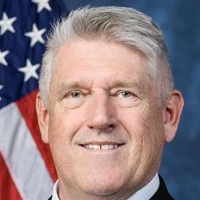
Troy Downing
Representative
MT
Troy Downing
Representative
MT
The Accelerating Forest Management Act aims to speed up forest management projects on federal lands to reduce wildfire risk and improve forest health. It streamlines environmental reviews, allowing for expedited processes for projects up to specified acreage limits. The bill also codifies a categorical exclusion for certain salvage harvesting on BLM lands and extends funding for the Forest Ecosystem Health and Recovery Fund.
This bill codifies the Optional Practical Training program, extending work authorization periods for international students, including a longer extension for those in STEM fields and specifically classifying nursing as a STEM field.

Valerie Foushee
Representative
NC
Valerie Foushee
Representative
NC
This bill aims to formally codify the Optional Practical Training (OPT) program within existing immigration law. It establishes longer work authorization periods for international students, granting up to 24 months generally, and up to 48 months for those in STEM fields. Furthermore, the legislation specifically requires that nursing be classified as a STEM field for this extended authorization.
This bill directs the President to impose asset blocking and visa restrictions on foreign entities using forced or child labor in cobalt mining.
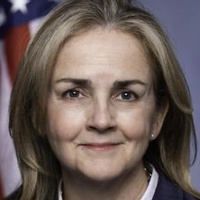
Madeleine Dean
Representative
PA
Madeleine Dean
Representative
PA
The Sanctioning Harmful Illicit Exploitation of Labor and Dependents (SHIELD) Act directs the President to impose sanctions on foreign entities using forced or child labor in cobalt mining sectors abroad. These mandatory sanctions include asset blocking and visa restrictions for violators. The Act aims to penalize human rights abuses related to dangerous mining practices.
This bill amends ESOP rules to allow direct stock distributions for S corporations and clarifies that Restricted Stock Units (RSUs) are exempt from overtime pay calculations.
Ryan Mackenzie
Representative
PA
Ryan Mackenzie
Representative
PA
The Valuing Employee Stock Today Act modernizes rules for Employee Stock Ownership Plans (ESOPs) by allowing direct distribution of S corporation stock to employees. It also clarifies that Restricted Stock Units (RSUs) are exempt from being included in the regular rate of pay calculation for overtime purposes. This legislation aims to encourage broader employee equity participation.
This bill expands and refocuses federal energy storage programs on enhancing safety, testing, research, and deployment across various system components and applications.
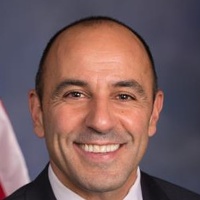
Jimmy Panetta
Representative
CA
Jimmy Panetta
Representative
CA
The Better Energy Storage and Safety Act amends existing law to significantly expand federal focus on energy storage safety, testing, and research. It broadens program objectives to cover system modules, residential deployment, and the development of failure prevention tools. The bill mandates rigorous, standardized testing across various failure conditions and increases funding and demonstration projects specifically targeting enhanced safety protocols.
This act transfers the United States Secret Service from the Department of Homeland Security to the Executive Office of the President.
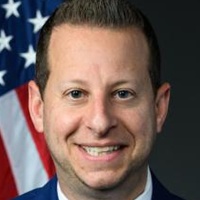
Jared Moskowitz
Representative
FL
Jared Moskowitz
Representative
FL
The Secret Service Transfer Act of 2026 moves the United States Secret Service from the Department of Homeland Security to the Executive Office of the President. This act ensures the continuity of all Secret Service functions, personnel, and assets under a Presidentially-appointed Director. The transfer must be completed within one year, with the agency initially maintaining its existing structure.