Legislative Activity
Track Randy's sponsored bills, co-sponsored legislation, and voting record
This bill establishes the Combating Organized Retail Crime Act of 2025 to enhance federal prosecution tools against organized retail and supply chain crime and create a DHS-led coordination center to align law enforcement efforts.
David Joyce
Representative
OH
David Joyce
Representative
OH
The Combating Organized Retail Crime Act of 2025 aims to combat sophisticated, cross-jurisdictional organized retail and supply chain theft. It achieves this by strengthening federal laws regarding money laundering and stolen property offenses, including lowering monetary thresholds for prosecution. Furthermore, the bill establishes a dedicated Center within the Department of Homeland Security to coordinate federal, state, and local enforcement efforts against these criminal organizations.
This act mandates the U.S. representative at international financial institutions to oppose funding for foreign shrimp farming, processing, or export projects, with a limited waiver option.
Troy Nehls
Representative
TX
Troy Nehls
Representative
TX
The Save Our Shrimpers Act mandates that the U.S. representative at international financial institutions must vote against and formally oppose any financial assistance for projects related to shrimp farming, processing, or exports in borrowing countries. This action aims to protect the domestic shrimping industry. The Treasury Secretary can waive this requirement if deemed in the U.S. national interest, and the mandate is set to expire after seven years.
This resolution expresses support for America's law enforcement professionals by recognizing their service, acknowledging the dangers they face, and calling for necessary equipment, training, and funding to ensure their safety and effectiveness.
Mike Ezell
Representative
MS
Mike Ezell
Representative
MS
This resolution expresses strong support and appreciation for America's law enforcement professionals, recognizing their daily service and sacrifice. It honors officers who have been injured or killed in the line of duty and highlights recent crime reduction successes attributed to their efforts. The bill calls for increased support, including better equipment, training, mental health resources, and tougher penalties for assaulting officers, to ensure their safety and effectiveness.
This Act prohibits the sale or importation of connected vehicles and components containing hardware or software from covered adversarial countries like China, Russia, Iran, and North Korea, starting in 2027.
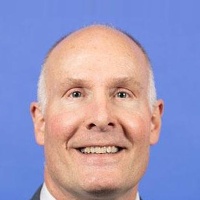
John Moolenaar
Representative
MI
John Moolenaar
Representative
MI
The Connected Vehicle Security Act of 2026 prohibits the sale or importation of connected vehicles, hardware, or software originating from or controlled by designated "covered countries" (North Korea, China, Russia, or Iran). This measure aims to safeguard U.S. economic and national security against risks like espionage and cyber intrusion posed by foreign adversaries exploiting vehicle connectivity technology. The Secretary of Commerce is tasked with issuing regulations to enforce these bans, which begin phasing in starting in 2027, though waivers may be granted under specific national security conditions.
The PEAT Act of 2026 clarifies that biologics cannot be classified solely based on the presence of a clinically inactive protein component.
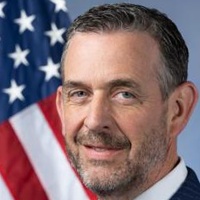
Michael Rulli
Representative
OH
Michael Rulli
Representative
OH
The PEAT Act of 2026 clarifies the classification of certain biologics under the Public Health Service Act. This legislation ensures that a biologic cannot be regulated solely based on the presence of a clinically inactive protein component. The bill aims to streamline regulatory requirements by focusing on active components.
This act prohibits the use of federal funds to compel federal employees or contractors to use preferred pronouns or names that do not align with an individual's biological sex.
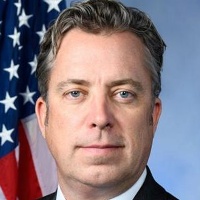
Andrew Ogles
Representative
TN
Andrew Ogles
Representative
TN
The Safeguarding Honest Speech Act of 2026 prohibits the use of federal funds to enforce policies that compel federal employees or contractors to use preferred pronouns or names that do not align with an individual's biological sex. This legislation establishes a process for employees and contractors to file complaints and pursue civil action against agencies for violations. The bill defines "sex" strictly as biological sex (male or female) based on reproductive systems.
This Act repeals the federal beneficial ownership information reporting requirements for domestic persons and entities, limiting them only to foreign individuals and foreign-connected companies, and mandates the deletion of existing domestic data.
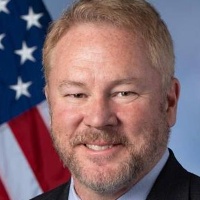
Warren Davidson
Representative
OH
Warren Davidson
Representative
OH
The Repealing Big Brother Overreach Act significantly narrows the federal beneficial ownership information reporting requirements. This legislation limits reporting obligations exclusively to foreign individuals and foreign-connected companies. Furthermore, it mandates the deletion of all previously collected data pertaining to domestic persons and entities.
This resolution expresses support for recognizing open water lifeguards as first responders and emergency response providers.
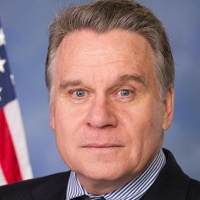
Christopher Smith
Representative
NJ
Christopher Smith
Representative
NJ
This resolution expresses strong support for open water lifeguards, recognizing their critical role as first responders and emergency response providers. It urges federal agencies to formally acknowledge the essential, lifesaving work these individuals perform, often at great personal risk. The bill calls for lifeguards to be treated as emergency responders, including eligibility for priority access to resources during public health emergencies.
The SACRED Act establishes federal criminal penalties and civil remedies for the intimidation, harassment, or obstruction of individuals accessing places of religious worship.
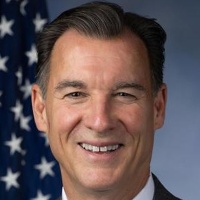
Thomas Suozzi
Representative
NY
Thomas Suozzi
Representative
NY
The SACRED Act establishes federal criminal penalties and civil remedies for individuals who intimidate, harass, or obstruct those attempting to enter or exit places of religious worship. By creating a 100-foot protected zone, the bill aims to safeguard the First Amendment right to religious freedom while ensuring the physical safety of congregants.
This bill restricts IRS staff from participating in Independent Office of Appeals conferences unless the taxpayer provides explicit consent.
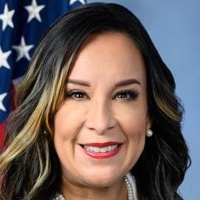
Mónica De La Cruz
Representative
TX
Mónica De La Cruz
Representative
TX
The Strengthen Taxpayer Rights Act of 2026 protects taxpayer privacy and independence during the appeals process by restricting IRS staff participation. Under this act, non-appeals IRS employees are prohibited from attending Independent Office of Appeals conferences unless the taxpayer explicitly consents to their presence.
The Words Matter Act of 2025 updates federal law by replacing the terms "mentally retarded" and "mental retardation" with "intellectual disability" or "individuals with intellectual disabilities" without altering existing rights or benefits.
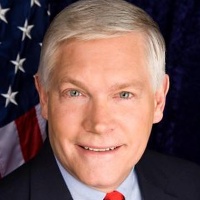
Pete Sessions
Representative
TX
Pete Sessions
Representative
TX
The Words Matter Act of 2025 mandates a comprehensive update across all federal laws, replacing the outdated terms "mentally retarded" and "mental retardation" with "intellectual disability" or "individuals with intellectual disabilities." This change is strictly a linguistic update intended to align federal statutes with current, respectful terminology. The Act explicitly states that this language revision does not alter eligibility for benefits, rights, or responsibilities under any existing federal program. Agencies are required to update their regulations to reflect this new terminology while maintaining a record of the previous language used.
This bill prohibits federal agencies from banning the use of lead ammunition and tackle on federal lands and waters unless specific, evidence-based criteria and state-level coordination requirements are met.
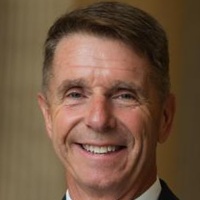
Robert Wittman
Representative
VA
Robert Wittman
Representative
VA
The Protecting Access for Hunters and Anglers Act prevents federal agencies from banning the use of lead ammunition and tackle on federal lands and waters open to hunting and fishing. Exceptions to this rule are only permitted if specific, site-based field data proves lead is causing a wildlife population decline and the action is approved by or consistent with state wildlife policies.
This Act establishes new federal standards and requirements for states issuing commercial driver's licenses (CDLs) to individuals who are not residents of that issuing state, particularly focusing on drivers from foreign countries and U.S. territories.
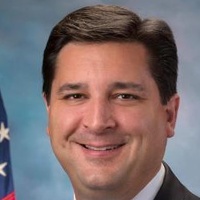
David Rouzer
Representative
NC
David Rouzer
Representative
NC
The Non-Domiciled CDL Integrity Act establishes new federal standards for states issuing Commercial Driver's Licenses (CDLs) to individuals who do not reside in that state. This bill sets specific, strict requirements for foreign nationals seeking a CDL, including proof of lawful status and job-related visas, while also outlining distinct procedures for applicants residing in U.S. territories. The legislation mandates enhanced record-keeping and reporting by states to the Secretary of Transportation regarding these non-domiciled licenses.
This act prohibits the use of federal education funds to develop or promote programs or materials for minors that contain sexually oriented material, with specific exceptions for standard science, religious texts, classic literature, and classic art.
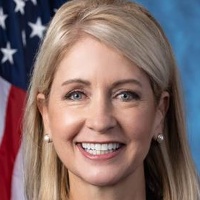
Mary Miller
Representative
IL
Mary Miller
Representative
IL
The Stop the Sexualization of Children Act prohibits the use of federal education funds to develop or promote programs, activities, or materials for minors that include sexually oriented material. This restriction specifically targets content exposing children to nudity, stripping, or lewd dancing. The bill carves out exceptions for standard science coursework, classic literature, classic art, and major world religious texts.
This bill reauthorizes and updates the Integrated Coastal and Ocean Observation System Act of 2009 to expand oceanographic research capabilities and authorize $47.5 million in annual funding through 2030.
Mike Ezell
Representative
MS
Mike Ezell
Representative
MS
This bill reauthorizes the Integrated Coastal and Ocean Observation System Act of 2009, updating its governing structure and expanding the scope of its oceanographic research and data-sharing capabilities. It also mandates improved collaboration between regional and federal observing systems to enhance data integration. Additionally, the legislation authorizes $47.5 million in annual funding for these initiatives from fiscal years 2026 through 2030.
The Enhanced Iran Sanctions Act of 2025 mandates broad economic and immigration sanctions on foreign individuals, entities, and financial institutions that support Iran’s nuclear, missile, drone, or terrorist activities, while specifically targeting the country's petroleum and petrochemical sectors.
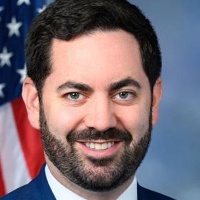
Michael Lawler
Representative
NY
Michael Lawler
Representative
NY
The Enhanced Iran Sanctions Act of 2025 strengthens U.S. policy by imposing mandatory sanctions on foreign persons and financial institutions that support Iran’s nuclear, ballistic missile, drone, and terrorist activities. The bill specifically targets Iran’s petroleum and petrochemical sectors to cut off funding for these malign programs. Additionally, it expands the State Department’s "Rewards for Justice" program to incentivize the reporting of individuals who evade these sanctions.
This bill exempts FEMA’s National Flood Insurance Program from Endangered Species Act reviews and mandates the withdrawal of existing biological opinions related to the program.
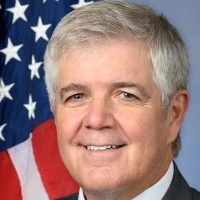
Cliff Bentz
Representative
OR
Cliff Bentz
Representative
OR
The National Flood Insurance Program Clarification Act of 2026 exempts FEMA’s flood insurance program activities from Endangered Species Act review requirements and mandates the withdrawal of existing related biological opinions. Additionally, the bill narrows the scope of land management criteria to focus exclusively on the protection of property and human health.
The Highway Formula Fairness Act establishes a new federal highway funding distribution formula for states based on 2012 apportionment levels and a minimum guarantee tied to highway user tax contributions.
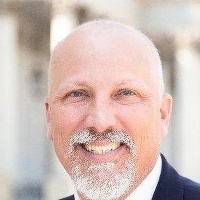
Chip Roy
Representative
TX
Chip Roy
Representative
TX
The Highway Formula Fairness Act establishes a new, equitable framework for distributing federal highway funds among states starting in fiscal year 2026. This legislation ensures states receive a guaranteed minimum share of funding based on their proportional contributions to the Highway Trust Fund. By modernizing the apportionment process, the bill aims to create a more balanced and transparent allocation of national infrastructure resources.
This bill prohibits federal agencies from providing funding or support for the creation or maintenance of state-level firearm ownership databases, with exceptions for records of lost or stolen weapons.
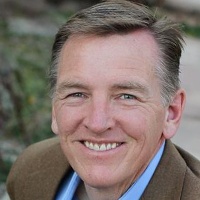
Paul Gosar
Representative
AZ
Paul Gosar
Representative
AZ
The Gun Owner Registration Information Protection Act prohibits federal agencies from providing funding or support for the creation and maintenance of state-level firearm ownership databases. This legislation ensures that federal resources cannot be used to track lawful gun owners, with a specific exception for databases tracking lost or stolen firearms.
The Iran Human Rights, Internet Freedom, and Accountability Act of 2026 aims to support the Iranian people by expanding internet access, strengthening sanctions against regime officials, and establishing a Treasury initiative to combat Iranian government corruption and kleptocracy.
Michael Lawler
Representative
NY
Michael Lawler
Representative
NY
The Iran Human Rights, Internet Freedom, and Accountability Act of 2026 aims to support the Iranian people by expanding access to uncensored internet and communication technologies. The bill strengthens U.S. policy against regime repression by mandating investigations into human rights abuses and establishing a new Treasury initiative to combat corruption and money laundering by Iranian officials. Additionally, it enhances congressional oversight of sanctions and promotes independent media to counter state-sponsored censorship.