Legislative Activity
Track Randy's sponsored bills, co-sponsored legislation, and voting record
This bill mandates the implementation of the Migrant Protection Protocols, requiring the Secretary of Homeland Security to return qualifying noncitizens arriving from contiguous countries to Mexico or Canada during their immigration proceedings.
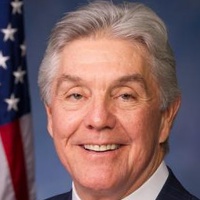
Roger Williams
Representative
TX
Roger Williams
Representative
TX
The Make the Migrant Protection Protocols Mandatory Act of 2025 amends the Immigration and Nationality Act to require, rather than permit, the return of certain noncitizens to Mexico or Canada while their immigration proceedings are pending. This legislation removes discretionary authority from the Department of Homeland Security, effectively mandating the implementation of the "Remain in Mexico" policy.
The HONDURAS Act authorizes the President to suspend all U.S. assistance to Honduras should the government refuse to continue hosting military and civilian personnel at Soto Cano Air Base.
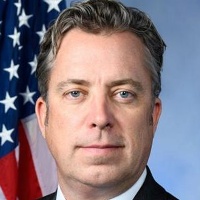
Andrew Ogles
Representative
TN
Andrew Ogles
Representative
TN
The HONDURAS Act authorizes the President to suspend all U.S. assistance to Honduras if the Honduran government refuses to continue hosting U.S. military and civilian personnel at Soto Cano Air Base. This legislation provides the executive branch with the authority to terminate aid agreements, regardless of existing mandates, should the host nation jeopardize the security presence at the facility.
The Federal Agency Sunset Commission Act of 2025 establishes a bipartisan commission to systematically review, evaluate, and periodically abolish federal agencies unless they are explicitly reauthorized by Congress.
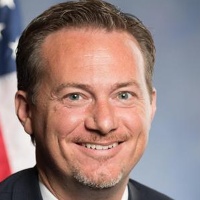
Michael Cloud
Representative
TX
Michael Cloud
Representative
TX
The Federal Agency Sunset Commission Act of 2025 establishes a bipartisan commission tasked with systematically reviewing federal agencies to determine their efficiency and necessity. Under this act, agencies will be subject to periodic review and automatic abolishment unless Congress passes legislation to reauthorize them. The commission is empowered to recommend the consolidation, reorganization, or termination of agencies to improve government efficiency and reduce redundancy.
This bill authorizes state and local law enforcement to utilize Byrne Justice Assistance Grant (JAG) funds for programs specifically designed to combat human trafficking.
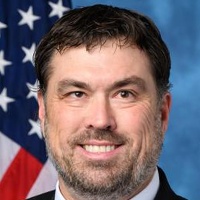
Morgan Luttrell
Representative
TX
Morgan Luttrell
Representative
TX
The Empowering Law Enforcement To Fight Sex Trafficking Demand Act of 2025 expands the authorized use of federal Byrne Justice Assistance Grant (Byrne JAG) funds. This legislation allows state and local agencies to specifically allocate these grants toward programs designed to combat human trafficking.
The Declaration of Energy Independence Act amends the Mineral Leasing Act to reduce royalty rates, minimum bids, and rental fees while streamlining the process for onshore oil and gas leasing.
Andrew Ogles
Representative
TN
Andrew Ogles
Representative
TN
The Declaration of Energy Independence Act amends the Mineral Leasing Act to reduce costs and streamline processes for onshore oil and gas development. Key provisions include lowering royalty rates, minimum bids, and annual rental fees, while eliminating expression of interest fees. The bill also establishes new frameworks for noncompetitive leasing and provides pathways for reinstating certain abandoned oil and gas claims.
Affirms states' rights to defend against invasion, citing the influx of cartels and criminal elements across the southern border and criticizing the Biden administration's border security policies.
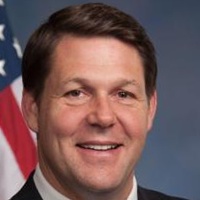
Jodey Arrington
Representative
TX
Jodey Arrington
Representative
TX
This bill asserts the constitutional right of states to defend themselves against invasion, citing the situation at the southern border from 2021-2024 as an invasion by cartels, terrorists, and criminal elements. It criticizes the Biden administration's border policies and claims the federal government failed to protect southern border states, thus empowering states to take defensive action.
The Offshore Lands Authorities Act of 2025 nullifies previous presidential withdrawals of unleased offshore lands and establishes strict new limitations and congressional oversight procedures for future executive leasing restrictions.
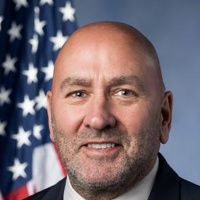
Clay Higgins
Representative
LA
Clay Higgins
Representative
LA
The Offshore Lands Authorities Act of 2025 nullifies several previous Presidential withdrawals of offshore lands, effectively reopening those areas to potential mineral leasing. The bill also establishes strict new limitations on the President’s authority to withdraw unleased offshore lands, including size and duration caps, mandatory resource assessments, and a streamlined congressional disapproval process.
The Chiropractic Medicare Coverage Modernization Act of 2025 expands Medicare coverage to include all services provided by doctors of chiropractic that are within the scope of their state licensure.
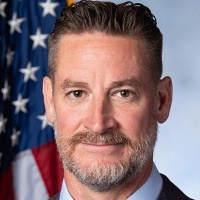
W. Steube
Representative
FL
W. Steube
Representative
FL
The Chiropractic Medicare Coverage Modernization Act of 2025 expands Medicare coverage to include all services legally authorized under a chiropractor’s state license, moving beyond the current restriction limited to manual spinal manipulation. This legislation aligns Medicare benefits with private insurance and other federal health programs to better reflect modern chiropractic practice. To provide these expanded services, chiropractors will be required to complete a one-time training program verified by the Secretary of Health and Human Services.
The Security First Act strengthens border security by increasing funding for state and local law enforcement, mandating a review of foreign terrorist organization designations for major cartels, and requiring comprehensive technology and workforce assessments.
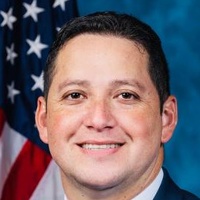
Ernest Gonzales
Representative
TX
Ernest Gonzales
Representative
TX
The Security First Act aims to strengthen U.S. border security by increasing funding for state and local law enforcement through the Operation Stonegarden grant program and a new dedicated trust fund. The bill also mandates a formal review to determine if major Mexican drug cartels and criminal gangs should be designated as foreign terrorist organizations. Additionally, it requires the Department of Homeland Security to conduct comprehensive technology needs assessments and report on its recent hiring practices to improve operational capacity.
The FORCE Act prohibits the removal of Cuba from the State Sponsors of Terrorism list until the country meets specific democratic and human rights requirements.

Maria Salazar
Representative
FL
Maria Salazar
Representative
FL
The FORCE Act prohibits the President and the Secretary of State from removing Cuba from the State Sponsors of Terrorism list. This restriction remains in effect until the administration certifies that Cuba has met the specific democratic and human rights requirements outlined in the LIBERTAD Act of 1996.
This bill reclassifies silencers under federal tax law, removes federal registration requirements for legally transferred silencers, preempts state taxation and registration of silencers in commerce, and mandates the destruction of existing federal silencer registration records.
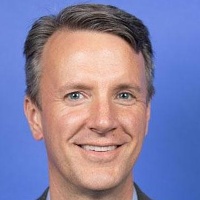
Ben Cline
Representative
VA
Ben Cline
Representative
VA
The Hearing Protection Act aims to remove silencers from the purview of the National Firearms Act (NFA) by treating them similarly to standard firearms under federal tax law. This legislation preempts certain state and local taxes and registration requirements related to silencers involved in interstate commerce. Furthermore, the bill mandates the destruction of existing federal silencer registration records and updates federal marking requirements for manufacturers.
The Border Security Investment Act imposes a 37-percent fee on certain international remittance transfers to fund border security technology, infrastructure, and state reimbursement programs.
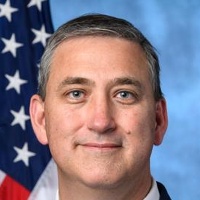
Nathaniel Moran
Representative
TX
Nathaniel Moran
Representative
TX
The Border Security Investment Act establishes a 37-percent fee on remittance transfers sent to countries with high rates of unlawful entry into the U.S. The revenue generated from these fees is split equally into two trust funds dedicated to reimbursing border states for security expenditures and financing federal border security initiatives, such as technology, physical barriers, and personnel. Any combined fund balance exceeding $50 billion will be permanently redirected toward federal deficit reduction.
This bill expands the security-related grounds for inadmissibility to the United States and restricts the government's authority to grant waivers for individuals involved in espionage, illegal exports, or activities aimed at undermining the U.S. government.
Ben Cline
Representative
VA
Ben Cline
Representative
VA
The Protecting America From Spies Act strengthens national security by expanding the grounds for which foreign nationals can be deemed inadmissible to the United States. It targets individuals involved in espionage, illegal technology exports, or activities aimed at undermining the U.S. government. Additionally, the bill restricts the government's authority to grant waivers for these security-related offenses, ensuring stricter enforcement of immigration entry requirements.
This bill mandates federal reimbursement for states that have spent over $2.5 billion on border security and enforcement efforts over the preceding decade.
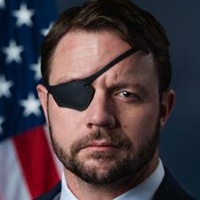
Dan Crenshaw
Representative
TX
Dan Crenshaw
Representative
TX
The State Border Security Reimbursement Act of 2025 mandates that the federal government reimburse states for significant expenditures made on border security and enforcement. This legislation aims to alleviate the financial burden on states that have spent over $2.5 billion on these federal responsibilities over the preceding decade. Eligible states may apply for full reimbursement of these non-federally funded costs within a specified timeframe.
The FAIR PREP Act of 2025 prohibits the Treasury Secretary from developing or operating government-run electronic tax preparation services, excluding existing programs like IRS Free File.
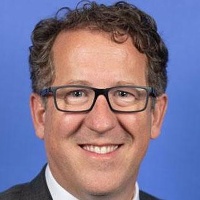
Adrian Smith
Representative
NE
Adrian Smith
Representative
NE
The FAIR PREP Act of 2025 prohibits the IRS from developing or operating its own electronic tax preparation and filing services. The bill restricts the Treasury Secretary from preparing tax returns or refund claims, while explicitly protecting existing programs like IRS Free File and volunteer tax assistance services. Additionally, it prevents the use of federal funds for the development of new government-run tax preparation systems without explicit congressional authorization.
This bill amends Title IX to prohibit schools receiving federal funds from allowing males to participate in female athletic programs, defining "sex" as determined at birth, while allowing males to train with female teams if it doesn't deprive females of opportunities or benefits. It also requires a study on the impact of male participation in female sports.
W. Steube
Representative
FL
W. Steube
Representative
FL
The "Protection of Women and Girls in Sports Act of 2025" amends Title IX to prohibit schools receiving federal funds from allowing males to participate in female athletic programs. Sex is defined as based on reproductive biology and genetics at birth. The bill allows males to train with female teams if it doesn't deprive females of opportunities. It also requires a study on the benefits lost to women when males participate in female sports.
The Thin Blue Line Act amends federal law to include the killing or attempted killing of law enforcement officers, firefighters, and other first responders as an aggravating factor in capital sentencing cases.
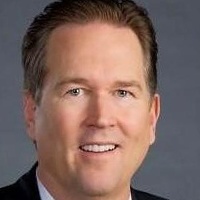
Vern Buchanan
Representative
FL
Vern Buchanan
Representative
FL
The Thin Blue Line Act amends federal law to designate the killing or attempted killing of a law enforcement officer, firefighter, or first responder as an aggravating factor in capital sentencing. This legislation ensures that when a jury considers the death penalty, they must take into account whether the victim was targeted due to their status as a public servant or while performing their official duties.
This bill prohibits the use of U.S. taxpayer funds for the United Nations Human Rights Council by withholding and rescinding the portion of annual UN contributions allocated to the Council.

Chip Roy
Representative
TX
Chip Roy
Representative
TX
The "No Taxpayer Funding for United Nations Human Rights Council Act" prohibits the use of U.S. funds to support the UN Human Rights Council. It mandates that the Secretary of State withhold the portion of U.S. contributions allocated to the Council and permanently rescinds those funds. This ensures that no American taxpayer dollars are directed toward the Council's operations.
The Regulation Reduction Act of 2025 mandates that federal agencies repeal at least three existing regulations for every new rule issued, ensuring that the costs of new major rules are fully offset by the elimination of previous ones.
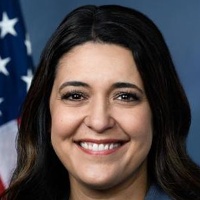
Stephanie Bice
Representative
OK
Stephanie Bice
Representative
OK
The Regulation Reduction Act of 2025 mandates that federal agencies repeal at least three existing regulations before issuing any new rule. For major rules, the legislation further requires that the cost of the new regulation be offset by the cost savings of the repealed rules. Additionally, the bill directs agencies to conduct a comprehensive review to identify and eliminate outdated, duplicative, or ineffective regulatory burdens.
The Honor Inauguration Day Act mandates that the United States flag be flown at full staff on every presidential Inauguration Day.
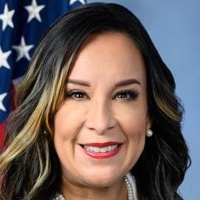
Mónica De La Cruz
Representative
TX
Mónica De La Cruz
Representative
TX
The Honor Inauguration Day Act mandates that the United States flag be flown at full staff on every presidential Inauguration Day. This legislation ensures that the flag remains at its highest peak to celebrate the democratic process and the expression of the people's will, regardless of any conflicting display regulations.