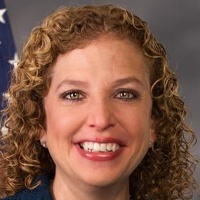
Legislative Activity
Track Debbie's sponsored bills, co-sponsored legislation, and voting record
This Act establishes a comprehensive federal strategy to combat rising antisemitism through policy statements, enhanced security grants, improved hate crime reporting, and specific mandates for educational institutions and federal agencies, while prohibiting the weaponization of antisemitism for partisan goals.
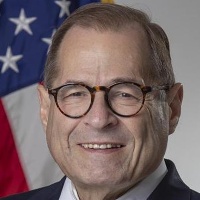
Jerrold Nadler
Representative
NY
Jerrold Nadler
Representative
NY
The Antisemitism Response and Prevention Act of 2025 aims to combat rising antisemitism through comprehensive federal action, emphasizing evidence-based strategies consistent with democratic values. The bill establishes new offices within the DOJ and FBI to coordinate counter-efforts and improve hate crime data collection. Furthermore, it mandates specific compliance and reporting requirements for colleges regarding civil rights and prohibits partisan conditions on nonprofit security grants.
This Act shifts control of certain munitions exports from the Commerce Department to the State Department and establishes new strategies and reporting requirements to combat illegal U.S. firearm trafficking to Mexico, Central America, and the Caribbean.
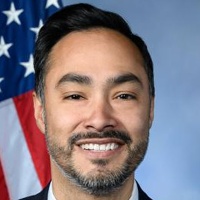
Joaquin Castro
Representative
TX
Joaquin Castro
Representative
TX
The Americas Regional Monitoring of Arms Sales (ARMAS) Act of 2025 seeks to combat illegal firearms trafficking to Mexico, Central America, and the Caribbean. It transfers regulatory control of certain munitions exports from the Department of Commerce back to the Department of State. The bill also mandates comprehensive reporting, strategy development, and increased tracking of U.S. firearm exports to designated "covered countries."
This bill authorizes Congress to award Congressional Gold Medals to the 1980 U.S. Men's Olympic Ice Hockey team for their historic "Miracle on Ice" victory.
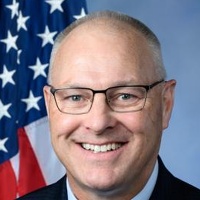
Pete Stauber
Representative
MN
Pete Stauber
Representative
MN
This bill, the Miracle on Ice Congressional Gold Medal Act, officially authorizes Congress to award Congressional Gold Medals to the 1980 U.S. Men's Olympic Ice Hockey Team for their historic "Miracle on Ice" victory. The medals will be struck by the Treasury and permanently displayed at specific national sports museums. The Act also permits the sale of duplicate bronze medals to cover production costs.
This act nullifies a recent Executive Order regarding federal labor relations and ensures existing collective bargaining agreements remain in effect.
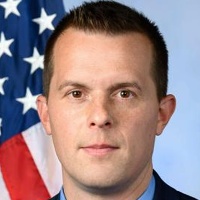
Jared Golden
Representative
ME
Jared Golden
Representative
ME
The Protect America's Workforce Act nullifies a specific Executive Order issued in March 2025 concerning exclusions from federal labor-management relations programs. This legislation ensures that any existing collective bargaining agreements between federal agencies and employee unions remain fully in effect until their stated expiration dates. The Act also prohibits the use of federal funds to implement the overturned Executive Order.
The Reuniting Families Act overhauls the immigration system to drastically reduce visa backlogs, recognize permanent partnerships, expand diversity visas, and expedite the reunification of refugee families.
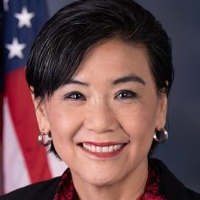
Judy Chu
Representative
CA
Judy Chu
Representative
CA
The Reuniting Families Act is comprehensive legislation designed to significantly reform U.S. immigration by reducing massive visa backlogs and prioritizing family reunification across various categories. It achieves this by recapturing unused visas, reclassifying certain family members as "immediate relatives," and creating new pathways for permanent partners and refugees to join their loved ones. Ultimately, the bill aims to keep families together, speed up legal immigration processes, and address past discrimination in the visa system.
This resolution reaffirms U.S. partnership with Honduras to counter narcotics while strongly condemning the pardon of former Honduran President Juan Orlando Hernández following his conviction on drug trafficking charges.
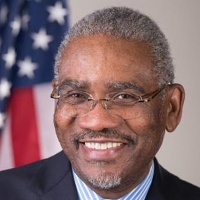
Gregory Meeks
Representative
NY
Gregory Meeks
Representative
NY
This resolution reaffirms the U.S. commitment to partnering with Honduras on security and counter-narcotics efforts while strongly condemning the pardon of former President Juan Orlando Hernández. It highlights Hernández's conviction for drug trafficking and argues that the pardon undermines U.S. anti-corruption efforts and justice for victims. The resolution also urges continued cooperation with Honduras on fair elections, security, and development, while rejecting unauthorized military force.
This bill establishes a CISA program to promote cybersecurity careers specifically to disadvantaged communities across the United States.

Shontel Brown
Representative
OH
Shontel Brown
Representative
OH
The Expanding Cybersecurity Workforce Act of 2025 establishes a new CISA program to actively promote cybersecurity careers to disadvantaged communities across the nation. This initiative specifically targets outreach to older individuals, minorities, people with disabilities, veterans, and those from nontraditional educational backgrounds. The goal is to diversify and strengthen the U.S. cyber workforce through tailored education and training assistance. The Act authorizes $20 million annually through fiscal year 2031 to support these efforts.
The Dignity for Detained Immigrants Act establishes comprehensive standards, rigorous oversight, and new custody procedures to ensure humane treatment and due process for all noncitizens detained by the Department of Homeland Security, while phasing out for-profit detention facilities.

Pramila Jayapal
Representative
WA
Pramila Jayapal
Representative
WA
The Dignity for Detained Immigrants Act aims to overhaul immigration detention by establishing mandatory, high standards based on ABA guidelines and increasing transparency through rigorous, unannounced inspections. The bill prohibits the use of private, for-profit detention facilities within three years and ends the mandatory detention of most noncitizens, prioritizing release or community-based alternatives. Furthermore, it establishes new due process rights, including timely custody hearings, a presumption of release, and prohibitions on detaining children or using solitary confinement.
This act rescinds significant immigration enforcement funding while establishing multiple new tax credits aimed at increasing housing affordability for first-time buyers, builders of starter homes, and renters, alongside incentives for converting commercial buildings into affordable housing.
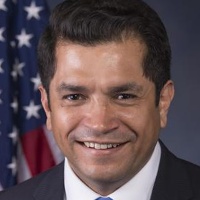
Jimmy Gomez
Representative
CA
Jimmy Gomez
Representative
CA
The Make Housing Affordable and Defend Democracy Act aims to increase housing accessibility through several tax incentives while simultaneously rescinding significant funding previously allocated for immigration enforcement. Key provisions establish new tax credits for first-time homebuyers, builders of starter homes, and the conversion of commercial buildings into affordable rentals. Additionally, the bill introduces a Renter Tax Credit for those spending over 30% of their income on rent, with an option for monthly advance payments.
This Act establishes a multi-agency Task Force to develop and implement a comprehensive strategy to dismantle transnational criminal syndicates operating forced-labor scam centers, particularly those targeting Americans with cryptocurrency fraud.
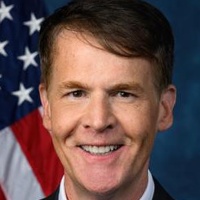
Jefferson Shreve
Representative
IN
Jefferson Shreve
Representative
IN
The Dismantle Foreign Scam Syndicates Act establishes a high-level Task Force, chaired by the Secretary of State, to develop and execute a comprehensive U.S. strategy against transnational criminal organizations running massive online scams, often utilizing victims of human trafficking in Southeast Asia. This strategy must focus on disrupting these operations, sanctioning responsible parties, and providing support for rescued victims. The bill authorizes $30 million over two years to fund these efforts and requires annual reporting to Congress on progress and impact.
The Mikaela Naylon Give Kids a Chance Act primarily focuses on enhancing pediatric drug research, ensuring completion of pediatric study requirements, extending incentives for rare pediatric disease treatments, and making targeted updates to FDA and organ transplant network operations.
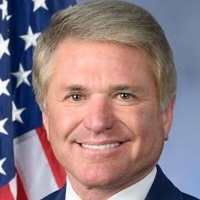
Michael McCaul
Representative
TX
Michael McCaul
Representative
TX
The Mikaela Naylon Give Kids a Chance Act focuses primarily on improving pediatric drug development and ensuring patient access to necessary treatments. This legislation mandates new research requirements for molecularly targeted pediatric cancer drugs, strengthens FDA enforcement of pediatric study completion, and extends incentives for developing drugs for rare pediatric diseases. Additionally, the bill updates organ transplant network functions and establishes an Abraham Accords Office within the FDA to enhance international regulatory cooperation.
This resolution recognizes the Ukrainian famine of 1932-1933, the Holodomor, as a genocide engineered by the Soviet Union and condemns current Russian aggression against Ukraine.
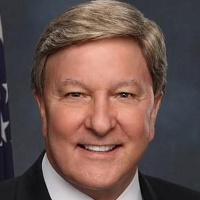
Mike Rogers
Representative
AL
Mike Rogers
Representative
AL
This resolution expresses the sense of the House of Representatives recognizing the Ukrainian famine of 1932-1933, known as the Holodomor, as a genocide perpetrated by the Soviet Union. It condemns the systematic starvation and repression of the Ukrainian people under Soviet rule. Furthermore, the resolution remembers the victims and encourages the dissemination of information about this historical tragedy.
This act establishes the Benay Taub Lung Cancer Research Act to create a task force examining disparities in lung cancer research, funding, and treatment access, with recommendations to Congress for increasing federal research funding.
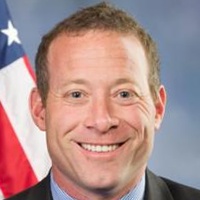
Josh Gottheimer
Representative
NJ
Josh Gottheimer
Representative
NJ
The Benay Taub Lung Cancer Research Act establishes a Lung Cancer Task Force within the National Institutes of Health. This task force is charged with examining disparities in lung cancer research, funding, and patient access compared to other diseases. The Act mandates that the Task Force submit a report to Congress with findings and recommendations, including proposals for increasing federal research funding.
This resolution declares that reproductive justice and immigrant justice are inseparable and calls for ending discriminatory barriers to comprehensive reproductive healthcare for all immigrants.
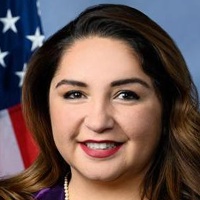
Delia Ramirez
Representative
IL
Delia Ramirez
Representative
IL
This resolution declares that immigrant justice and reproductive justice are inseparable, demanding that both movements be pursued together. It condemns systemic failures and policies that deny immigrants access to necessary reproductive health care while in custody or in the community. The resolution calls on Congress and federal agencies to eliminate barriers to health coverage and ensure equitable, comprehensive reproductive care for all individuals, regardless of immigration status.
This bill establishes Medicare coverage for genetic counseling services provided by licensed or certified genetic counselors starting in 2027.

Adrian Smith
Representative
NE
Adrian Smith
Representative
NE
The Access to Genetic Counselor Services Act of 2025 aims to expand healthcare access by establishing Medicare coverage for genetic counseling services starting in 2027. This legislation defines qualified genetic counselors and sets specific payment rules for these covered services under Medicare. The bill ensures that Medicare beneficiaries can receive essential genetic counseling from licensed or certified professionals.
This act prohibits individuals convicted of a misdemeanor hate crime or who received an enhanced sentence due to hate or bias from obtaining or possessing firearms.
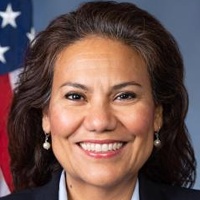
Veronica Escobar
Representative
TX
Veronica Escobar
Representative
TX
The Disarm Hate Act prohibits individuals convicted of a misdemeanor hate crime, or who received an enhanced sentence for a misdemeanor due to hate or bias, from obtaining or possessing firearms. This legislation specifically targets misdemeanor offenses involving threats or force motivated by bias against protected characteristics. The bill also makes it illegal for others to sell or transfer firearms to these prohibited persons.
The ROTOR Act mandates increased transparency for sensitive government flights by narrowing ADS-B exception rules, requires ADS-B In equipment on certain aircraft, and establishes safety reviews for military and civilian operations near major airports.
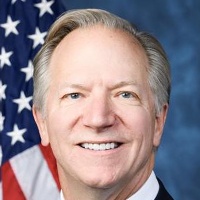
Robert Onder
Representative
MO
Robert Onder
Representative
MO
The ROTOR Act aims to enhance aviation safety and transparency, primarily by narrowing exceptions for disabling ADS-B tracking on government aircraft and mandating that aircraft equipped with ADS-B Out must also install ADS-B In technology. The bill further requires the FAA to conduct comprehensive safety reviews of military and civilian operations in complex airspace, such as around Reagan National Airport. Finally, it mandates formal agreements for the FAA and the Department of the Army to share critical aviation safety data.
This Act prohibits discrimination based on religion, sex, or marital status in federally funded child welfare services to improve outcomes for all children, especially LGBTQ youth.
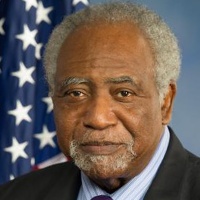
Danny Davis
Representative
IL
Danny Davis
Representative
IL
The John Lewis Every Child Deserves a Family Act prohibits discrimination based on religion, sex, or marital status in federally funded child welfare services. This aims to increase the number of stable, family-like placements for children, especially for LGBTQ youth who are overrepresented in foster care. The bill mandates federal guidance, training, and data collection to improve safety and well-being outcomes for all children involved in the system.
The Find It Early Act mandates no-cost coverage for additional, recommended breast cancer screenings for high-risk individuals across private insurance, Medicare, Medicaid, TRICARE, and VA health programs starting in 2026.
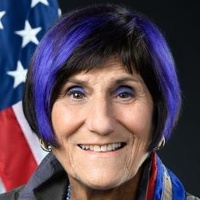
Rosa DeLauro
Representative
CT
Rosa DeLauro
Representative
CT
The Find It Early Act mandates that certain individuals at increased risk for breast cancer receive additional, recommended screenings with no out-of-pocket costs. This coverage requirement applies across private health plans, Medicare, Medicaid, TRICARE, and the Department of Veterans Affairs. These provisions are set to take effect starting January 1, 2026.
This Act expands access to lung cancer screening under Medicaid and Medicare without cost-sharing or prior authorization, broadens tobacco cessation coverage for all Medicaid individuals, and mandates public education and a demographic report on screening.

Kathy Castor
Representative
FL
Kathy Castor
Representative
FL
The Increasing Access to Lung Cancer Screening Act aims to expand access to crucial preventative care by mandating that Medicaid and Medicare cover annual lung cancer screenings without cost-sharing or prior authorization for eligible individuals. The bill also expands Medicaid coverage for tobacco cessation services to all beneficiaries and prohibits private health insurance plans from imposing prior authorization for recommended screenings. Finally, it authorizes funding for a national education campaign and requires a report on lung cancer screening demographics.