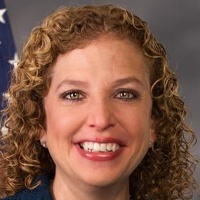
Legislative Activity
Track Debbie's sponsored bills, co-sponsored legislation, and voting record
This bill officially designates the United States Postal Service facility at 2600 Michigan Avenue in Kissimmee, Florida, as the "Robert Guevara Post Office Building."
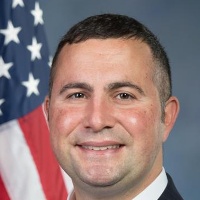
Darren Soto
Representative
FL
Darren Soto
Representative
FL
This bill officially designates the United States Postal Service facility located at 2600 Michigan Avenue in Kissimmee, Florida, as the "Robert Guevara Post Office Building." This action ensures the facility will be known by this new name in all official federal records and documents.
This bill seeks to disapprove and nullify the Department of Veterans Affairs' final rule regarding "Reproductive Health Services."
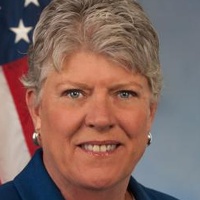
Julia Brownley
Representative
CA
Julia Brownley
Representative
CA
This resolution seeks to disapprove the Department of Veterans Affairs' final rule concerning "Reproductive Health Services" issued in September 2024. If enacted, this disapproval, made under the Congressional Review Act, would prevent the VA rule from taking legal effect.
This resolution expresses the House's sense that protecting women's rights and leadership is critical for Haiti's stability while condemning current failures in centering their needs and calling for urgent human rights measures.
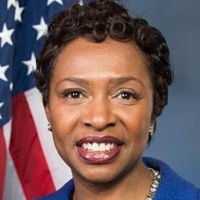
Yvette Clarke
Representative
NY
Yvette Clarke
Representative
NY
This resolution asserts that advancing the rights of women and girls in Haiti is crucial for the nation's stability and successful transition from crisis. It condemns the widespread gender-based violence and the exclusion of women from leadership roles in the transitional government. The bill calls for urgent measures to center women's needs, ensure their representation in government, and prioritize funding for survivor services and accountability for violence.
This bill enhances U.S.-Israel cooperation, funding, and reporting requirements to counter the growing threat of Iranian unmanned aerial systems.
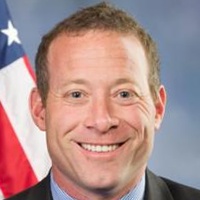
Josh Gottheimer
Representative
NJ
Josh Gottheimer
Representative
NJ
The U.S.-Israel Anti-Killer Drone Act of 2026 establishes a framework to significantly enhance joint U.S.-Israel cooperation specifically aimed at countering threats posed by Iranian unmanned aerial systems (drones). This legislation increases authorized funding for cooperative missile defense programs and mandates detailed annual reporting on joint counter-drone research, development, and deployment efforts. The goal is to accelerate the exchange of technology and expertise to defend against evolving drone attacks.
This Act supports Eastern Mediterranean nations as a strategic gateway for the India-Middle East-Europe Economic Corridor (IMEC) by prioritizing diplomacy, energy security, and defense cooperation.
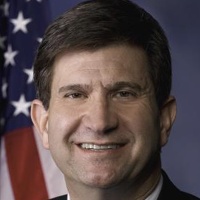
Bradley Schneider
Representative
IL
Bradley Schneider
Representative
IL
The Eastern Mediterranean Gateway Act supports key Eastern Mediterranean nations—Egypt, Greece, Cyprus, and Israel—as strategic partners for the India-Middle East-Europe Economic Corridor (IMEC). The bill directs the U.S. to prioritize diplomatic engagement, energy security, and defense cooperation in the region. It also mandates several reports to Congress detailing implementation, multilateral initiatives, and potential expansions of successful U.S.-Israel partnership models to other regional allies.
The PORCUPINE Act amends the Arms Export Control Act to include Taiwan in existing certification and reporting requirements and mandates a feasibility study for expediting military equipment transfers to Taiwan from key allies.

Robert Wittman
Representative
VA
Robert Wittman
Representative
VA
The PORCUPINE Act amends the Arms Export Control Act to formally include Taiwan in existing certification and reporting requirements. It also mandates a feasibility study for expediting the licensing process for allied nations transferring U.S.-origin military equipment to Taiwan. The legislation is intended to enhance security cooperation while affirming that it does not alter existing U.S. policy as defined by the Taiwan Relations Act.
This resolution recognizes the vital role of the Older Americans Act nutrition programs in combating senior hunger, malnutrition, and isolation while improving the health and quality of life for millions of older adults.
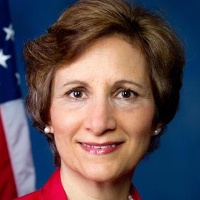
Suzanne Bonamici
Representative
OR
Suzanne Bonamici
Representative
OR
This resolution recognizes the vital role of the Older Americans Act (OAA) nutrition programs in combating hunger, malnutrition, and social isolation among seniors and individuals with disabilities. It highlights how these essential services improve health outcomes and reduce long-term medical costs while calling on Congress to support local providers through sustained funding and active volunteer participation.
This bill establishes a Department of Justice Task Force to combat anti-Sikh hate and discrimination through definition, education, and reporting.
Josh Gottheimer
Representative
NJ
Josh Gottheimer
Representative
NJ
The Sikh American Anti-Discrimination Act of 2026 establishes a Department of Justice Task Force dedicated to combating anti-Sikh hate and discrimination. This Task Force is charged with formally defining anti-Sikh hate, developing educational programs for law enforcement and schools, and collaborating with the Sikh community. The bill mandates annual reporting to Congress on hate crimes, legal actions, and ongoing threats against Sikhs.
This bill impeaches Secretary of Homeland Security Kristi Lynn Arnold Noem for high crimes and misdemeanors, citing willful refusal to comply with oversight law, violating the Impoundment Control Act, directing unlawful ICE misconduct, and misusing federal funds for personal gain.
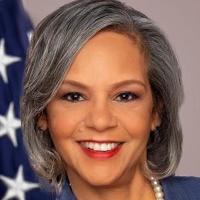
Robin Kelly
Representative
IL
Robin Kelly
Representative
IL
This resolution initiates impeachment proceedings against Secretary of Homeland Security Kristi Lynn Arnold Noem for high crimes and misdemeanors. The articles of impeachment charge her with willfully refusing to comply with Congressional oversight laws and violating the Impoundment Control Act by improperly withholding funds. Further articles allege she directed widespread misconduct by ICE agents that violated federal law and constitutional rights, and misused taxpayer funds for personal gain through improper contracting.
The Renewed Hope Act strengthens child exploitation investigations by mandating increased staffing, specialized training, and improved interagency coordination within the Department of Homeland Security.
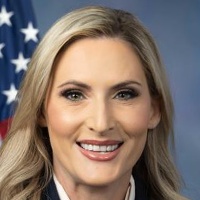
Laurel Lee
Representative
FL
Laurel Lee
Representative
FL
The Renewed Hope Act strengthens efforts to combat child sexual exploitation by mandating the hiring of additional forensic analysts and investigators within the Department of Homeland Security. The bill establishes specialized training programs, improves inter-agency coordination, and provides direct hiring authority to accelerate the rescue of victims. Additionally, it implements strict privacy protections to ensure that sensitive victim information is handled securely by law enforcement.
This bill expresses support for the Iranian people protesting for a free and democratic Iran while condemning the Islamic Republic's violent repression.
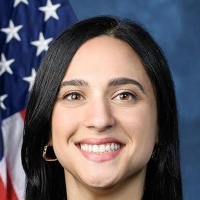
Yassamin Ansari
Representative
AZ
Yassamin Ansari
Representative
AZ
This resolution expresses strong support for the Iranian people protesting for freedom, democracy, and basic human rights against the repressive Islamic Republic. It condemns the regime's brutal crackdown on demonstrators and demands an end to violence and the release of political prisoners. Furthermore, it urges the U.S. government to work with allies to deter further lethal violence against protesters.
This bill modifies deposits into the Crime Victims Fund by excluding certain False Claims Act recoveries and mandates an Inspector General audit of the Fund's sustainability.
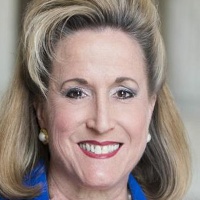
Ann Wagner
Representative
MO
Ann Wagner
Representative
MO
This bill amends the Victims of Crime Act of 1984 to temporarily exclude certain False Claims Act recoveries from being deposited into the Crime Victims Fund through fiscal year 2029. It also mandates a comprehensive audit by the Department of Justice Inspector General on the Fund's sustainability and the impact of recent legislative changes. The resulting report will provide recommendations for improving the Fund's effectiveness and oversight.
This act prohibits the use of federal funds and official action for any invasion of NATO member territory.
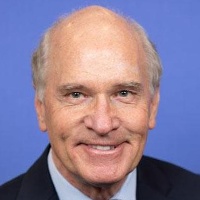
William Keating
Representative
MA
William Keating
Representative
MA
The **No Funds for NATO Invasion Act** prohibits the use of any federal funds for an invasion of any territory belonging to a member nation of the North Atlantic Treaty Organization (NATO). Furthermore, the bill bars U.S. officials from taking any action to execute such an invasion.
This act prohibits states from imposing new liens on Medicaid recipients' homes or recovering correctly paid Medicaid benefits from their estates.

Janice Schakowsky
Representative
IL
Janice Schakowsky
Representative
IL
The Stop Unfair Medicaid Recoveries Act prohibits states from imposing new liens on an individual's home for Medicaid benefits already paid. This legislation also stops states from initiating or continuing efforts to recover the costs of correctly paid Medicaid benefits from an individual's estate. Furthermore, existing liens related to these recoveries must be withdrawn shortly after the law is enacted.
This Act establishes a federal civil cause of action for victims of domestic violence involving reproductive coercion.
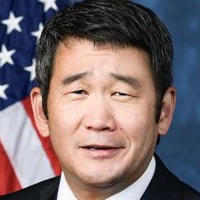
Dave Min
Representative
CA
Dave Min
Representative
CA
The Reproductive Coercion Prevention and Protection Act of 2025 addresses reproductive coercion as a form of intimate partner violence that undermines reproductive autonomy. This bill amends federal law to define reproductive coercion, which includes sabotaging contraception or forcing pregnancy decisions. Crucially, it establishes a new federal civil cause of action allowing victims to sue perpetrators when the abuse involves interstate or foreign commerce. This new right ensures victims can seek damages and relief in federal court for this specific type of domestic violence.
This bill imposes comprehensive sanctions on Russia for its war against Ukraine while permanently extending the U.S. sanctions authority against Iran.
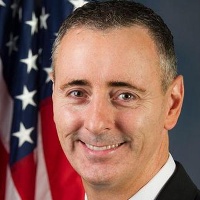
Brian Fitzpatrick
Representative
PA
Brian Fitzpatrick
Representative
PA
The Peace Through Strength Against Russia Act of 2025 imposes comprehensive sanctions on Russia's financial, military, and energy sectors in response to its war against Ukraine. This legislation cuts off major Russian banks from the U.S. financial system and bans new American investment in Russia. Additionally, the bill makes the existing sanctions authority against Iran permanent by removing its expiration date.
The Tobacco TRACE Act mandates that the Secretary of Health and Human Services establish a mandatory tracking and tracing system for tobacco products by June 1, 2026.
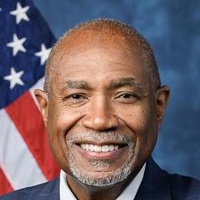
Herbert Conaway
Representative
NJ
Herbert Conaway
Representative
NJ
The Tobacco TRACE Act mandates that the Secretary of Health and Human Services establish a comprehensive tracking and tracing system for all tobacco products. By converting previous discretionary authority into a firm requirement, the bill sets a deadline of June 1, 2026, to implement these product codes to improve regulatory compliance and enforcement.
This bill mandates a Title VI awareness campaign, requires colleges to post civil rights information, and establishes monthly congressional briefings and annual audits regarding discrimination complaints on campus.
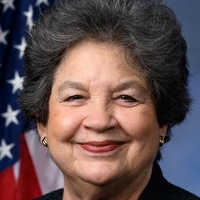
Lois Frankel
Representative
FL
Lois Frankel
Representative
FL
The Protecting Students on Campus Act of 2025 aims to increase awareness of civil rights protections for students under Title VI of the Civil Rights Act. The bill mandates a public awareness campaign and requires colleges receiving federal aid to prominently display links and materials related to filing discrimination complaints. Furthermore, it establishes regular congressional briefings and requires annual reporting and targeted audits on how institutions handle complaints of discrimination based on race, color, or national origin.
This Act establishes a comprehensive federal strategy to combat rising antisemitism through policy statements, enhanced security grants, improved hate crime reporting, and specific mandates for educational institutions and federal agencies, while prohibiting the weaponization of antisemitism for partisan goals.
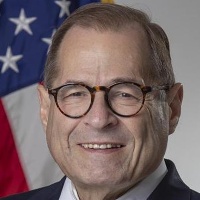
Jerrold Nadler
Representative
NY
Jerrold Nadler
Representative
NY
The Antisemitism Response and Prevention Act of 2025 aims to combat rising antisemitism through comprehensive federal action, emphasizing evidence-based strategies consistent with democratic values. The bill establishes new offices within the DOJ and FBI to coordinate counter-efforts and improve hate crime data collection. Furthermore, it mandates specific compliance and reporting requirements for colleges regarding civil rights and prohibits partisan conditions on nonprofit security grants.
This resolution condemns the antisemitic shooting in Sydney, Australia, and reaffirms the commitment to combating all forms of religious hatred and violence.
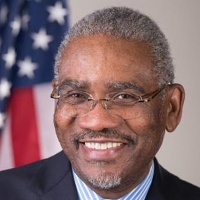
Gregory Meeks
Representative
NY
Gregory Meeks
Representative
NY
This resolution strongly condemns the antisemitic shooting attack during a Hanukkah celebration in Sydney, Australia. It expresses solidarity with the victims, their families, and the Jewish community worldwide. Furthermore, the bill reaffirms the U.S. commitment to combating all forms of religious hatred and violence.