Legislative Activity
Track Marc's sponsored bills, co-sponsored legislation, and voting record
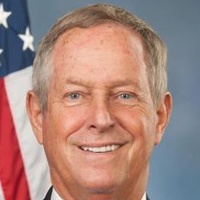
This bill implements the transfer and investment of frozen Russian sovereign assets into a dedicated Ukraine Support Fund, mandating regular aid disbursements and requiring diplomatic engagement with allies.
Joe Wilson
Representative
SC
Joe Wilson
Representative
SC
The REPO for Ukrainians Implementation Act of 2025 formally recognizes international calls to repurpose frozen Russian sovereign assets to aid Ukraine. This bill grants the President authority to transfer non-confiscated Russian assets into the Ukraine Support Fund, where they must be invested in U.S. government debt. Furthermore, the Secretary of State is mandated to obligate at least $250 million from the fund to Ukraine every quarter. The Act also requires the President to report on the location of these Russian assets globally and directs diplomatic efforts to encourage allies to contribute quarterly.
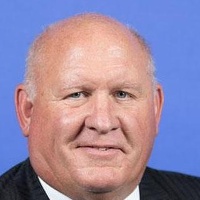
This resolution expresses support for designating a week in October 2025 as "Careers in Energy Week" to recognize the energy workforce and promote career opportunities in the sector.
Glenn Thompson
Representative
PA
Glenn Thompson
Representative
PA
This resolution expresses strong support for designating a specific week in October 2025 as "Careers in Energy Week." It aims to honor the vital contributions of the energy workforce and highlight the numerous rewarding career opportunities available across the sector. Furthermore, the bill encourages educational partnerships to promote necessary skills and prepare the future workforce for the evolving energy industry.
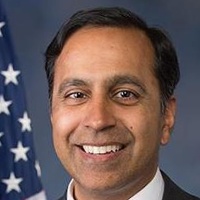
This resolution officially recognizes the religious and historical significance of the festival of Diwali for Indian-American communities across the United States.
Raja Krishnamoorthi
Representative
IL
Raja Krishnamoorthi
Representative
IL
This resolution formally recognizes the significant religious and historical importance of the festival of Diwali to Indian-American communities across the nation. Congress acknowledges Diwali as the festival of lights, celebrated by Hindus, Sikhs, and Jains for its symbolism of knowledge, peace, and the triumph of good over evil. By passing this, the House expresses respect for the Indian diaspora and appreciates the strong partnership between the United States and India.
This Act reforms Medicare payment for skin substitute products starting in 2026 and enhances program integrity by targeting high-volume providers with increased scrutiny and potential prior authorization requirements.
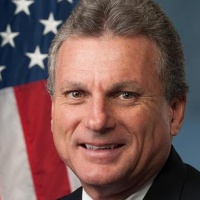
Earl Carter
Representative
GA
Earl Carter
Representative
GA
The Skin Substitute Access and Payment Reform Act establishes a new Medicare Part B payment system for advanced skin substitute products starting in 2026, basing initial payments on 2023 utilization data and subsequent annual updates tied to the Consumer Price Index. The bill also enhances program integrity by identifying high-volume providers for increased scrutiny, including prepayment reviews and mandatory prior authorization requirements starting in 2027. Furthermore, it mandates the creation of a single, consolidated billing code for all skin substitute products by 2026.
This bill, the Marine Fisheries Habitat Protection Act, establishes a streamlined process for converting inactive offshore oil and gas platforms and pipelines into artificial reefs, contingent upon state assumption of liability.
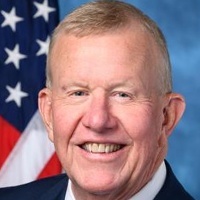
Mike Ezell
Representative
MS
Mike Ezell
Representative
MS
This bill, the Marine Fisheries Habitat Protection Act, establishes a streamlined process for converting inactive offshore oil and gas platforms and pipelines into artificial reefs. It defines key terms and outlines steps for applicants to seek approval to leave these structures in place, provided they meet environmental and safety criteria. The legislation also facilitates the transfer of long-term liability for these new reefs to participating state agencies. This process temporarily halts government removal orders while applications are under review.
This Act ensures continued funding and administrative operations for tribal housing programs authorized under the Native American Housing Assistance and Self-Determination Act of 1996 during periods of lapsed discretionary appropriations.
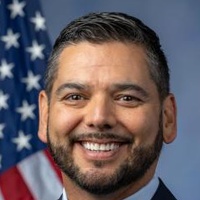
Raul Ruiz
Representative
CA
Raul Ruiz
Representative
CA
The Tribal Housing Continuity Act of 2025 ensures continued funding for critical housing programs serving tribal nations during lapses in discretionary appropriations. This Act appropriates \$1.6 billion to the Department of Housing and Urban Development (HUD) to cover necessary salaries and expenses under the Native American Housing Assistance and Self-Determination Act of 1996. These funds allow HUD to process essential administrative actions and funding opportunities, maintaining support for tribal housing projects.
This bill authorizes the Federal Government to reimburse states for using their own funds to maintain WIC program operations during a lapse in federal appropriations.
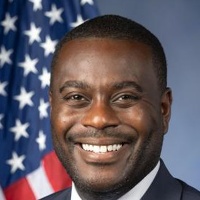
Gabe Amo
Representative
RI
Gabe Amo
Representative
RI
This bill ensures that states are reimbursed by the Federal Government for any state funds they use to maintain essential operations of the Special Supplemental Nutrition Program for Women, Infants, and Children (WIC) during a lapse in federal appropriations. It provides a mechanism for the Federal Government to pay back states that cover WIC costs during a government shutdown. This protects state budgets while keeping vital nutrition assistance running.
This Act establishes strict evidence requirements for states to remove registered voters from the rolls for federal elections and mandates timely notification to those affected.
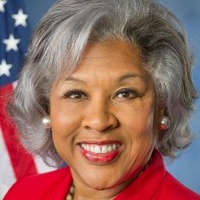
Joyce Beatty
Representative
OH
Joyce Beatty
Representative
OH
The Voter Purge Protection Act establishes strict new evidence requirements for states before they can remove registered voters from the rolls for federal elections. States must have objective proof that a voter is ineligible and cannot remove someone solely for not voting or failing to respond to a notice unless it was returned as undeliverable. If a voter is removed, the state must notify them within 48 hours with instructions on how to re-register.
This resolution expresses deep concern over the surge in book banning and threats to free expression, urging the immediate restoration of removed materials in federal schools and the repeal of restrictive directives.
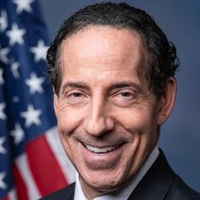
Jamie Raskin
Representative
MD
Jamie Raskin
Representative
MD
This resolution expresses deep concern over the growing trend of book banning and threats to freedom of expression in U.S. schools and libraries. It asserts that such censorship undermines democratic values and harms students by restricting access to diverse ideas and histories. The bill urges local entities to follow best practices for book challenges and calls for the immediate reinstatement of books removed from Department of Defense schools. Ultimately, it reaffirms the nation's commitment to First Amendment rights and the freedom to read.
This Act authorizes the presentation of a Congressional Gold Medal to recognize the American hostages and victims of the October 7, 2023, attacks by Hamas.
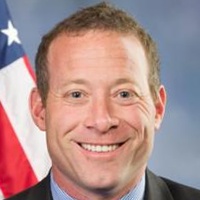
Josh Gottheimer
Representative
NJ
Josh Gottheimer
Representative
NJ
The October 7 Gold Medal Act authorizes Congress to award a Congressional Gold Medal to recognize the American hostages and victims of the brutal October 7, 2023, terrorist attacks in Israel. This medal honors their suffering, sacrifice, and the resilience shown by their families. The Secretary of the Treasury will strike the medal, and bronze duplicates may be sold to cover production costs. The official gold medal will ultimately be displayed at the Weitzman National Museum of American Jewish History.
This Act ensures that members of the Armed Forces, DoD civilian employees, and necessary contractors receive pay and allowances for fiscal year 2026 if a full budget has not been enacted by October 1, 2025.
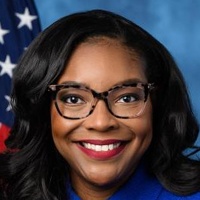
Emilia Sykes
Representative
OH
Emilia Sykes
Representative
OH
The Pay Our Military Act ensures that members of the Armed Forces continue to receive their pay and allowances if a full budget for fiscal year 2026 has not been enacted. This continuing appropriation provides necessary funds for active duty, reserves, and essential civilian support staff. This automatic funding remains in effect until a full appropriation is passed or until January 1, 2027.
This Act provides appropriations and mandates contract price adjustments to compensate federal contractor employees for losses incurred due to funding lapses or government shutdowns.
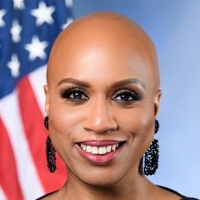
Ayanna Pressley
Representative
MA
Ayanna Pressley
Representative
MA
The Fair Pay for Federal Contractors Act of 2025 ensures that employees of federal contractors are compensated for losses incurred due to government funding lapses or shutdowns. It requires federal agencies to adjust existing contracts to cover reasonable costs associated with furloughs, pay cuts, or mandatory leave taken by contractor employees. The bill appropriates necessary funds to cover these contract price adjustments and mandates public reporting on the compensation provided.
**Katie Meyer's Law mandates that colleges receiving federal funding must offer students accused of misconduct the option of having a trained adviser present during disciplinary proceedings.**
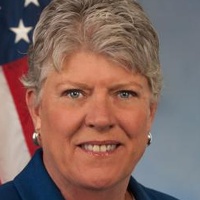
Julia Brownley
Representative
CA
Julia Brownley
Representative
CA
Katie Meyer's Law mandates that colleges and universities receiving federal funding must provide students accused of code of conduct violations the option to have a trained adviser assist them through the disciplinary process. Students can choose their own adviser or request an independent one provided by the institution. Additionally, the bill updates campus security reporting requirements to include incidents of suicide.
This act streamlines the Nuclear Regulatory Commission's licensing process by allowing permits and licenses to be issued without mandatory hearings unless requested, and by updating procedural requirements for various nuclear facility applications.
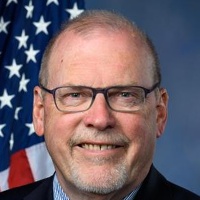
H. Griffith
Representative
VA
H. Griffith
Representative
VA
The Efficient Nuclear Licensing Hearings Act streamlines the Nuclear Regulatory Commission's (NRC) process for issuing certain nuclear facility permits and licenses. This legislation allows the NRC to issue permits without automatically holding a full hearing if no affected party requests one. It also updates procedures to favor informal hearings when they are held and modifies timing requirements for license issuance.
This bill establishes federal oversight, led by the FTC, requiring large entities to conduct impact assessments and report on high-stakes "covered algorithms" to ensure fairness and mitigate consumer harm.
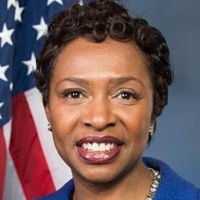
Yvette Clarke
Representative
NY
Yvette Clarke
Representative
NY
The Algorithmic Accountability Act of 2025 establishes federal oversight for large entities using complex automated systems, or "covered algorithms," that impact critical consumer decisions like employment or housing. It mandates that these entities conduct rigorous, ongoing impact assessments to test for bias, privacy risks, and performance issues. The Federal Trade Commission (FTC) is tasked with creating detailed regulations and enforcing compliance, including requiring covered entities to submit annual summary reports detailing their assessment findings. This Act ensures that significant algorithmic decisions are scrutinized for fairness and transparency without overriding stricter state or local regulations.
The America’s CHILDREN Act of 2025 establishes a path to permanent residency for certain long-term college graduates who entered the U.S. as dependents of work visa holders and updates age-out protections for dependent children.
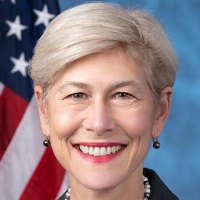
Deborah Ross
Representative
NC
Deborah Ross
Representative
NC
The America’s CHILDREN Act of 2025 establishes a new pathway to permanent residency for certain individuals who entered the U.S. as children, lived here legally for at least eight years as dependents of work visa holders, and subsequently earned a U.S. college degree. The bill also introduces significant "age-out" protections, allowing long-term dependents to retain their original priority dates for visa processing. Furthermore, it clarifies rules for derivative beneficiaries, potentially granting them work authorization in certain dependent statuses.
The Redistricting Reform Act of 2025 mandates the use of independent, nonpartisan commissions to draw fair congressional maps based on strict criteria, while establishing federal court oversight and administrative procedures to ensure compliance.
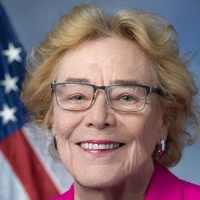
Zoe Lofgren
Representative
CA
Zoe Lofgren
Representative
CA
The Redistricting Reform Act of 2025 fundamentally overhauls congressional map-drawing by mandating the use of independent, non-partisan commissions in every state. This legislation establishes strict, prioritized criteria for map creation, explicitly banning partisan manipulation and requiring maps to prioritize community representation over political advantage. Furthermore, it sets firm deadlines for map enactment and establishes clear federal court procedures to intervene if states fail to adopt a lawful plan. Overall, the bill aims to ensure fairer congressional representation by removing map-drawing authority from state legislatures.
This bill mandates that federally funded higher education institutions update their harassment policies to explicitly cover technology-facilitated harassment and establishes a competitive grant program to fund anti-harassment initiatives.
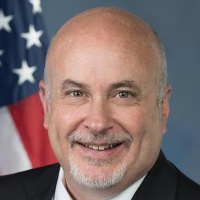
Mark Pocan
Representative
WI
Mark Pocan
Representative
WI
The Tyler Clementi Higher Education Anti-Harassment Act of 2025 mandates that colleges receiving federal funds update their policies to explicitly prohibit and detail procedures for addressing harassment based on protected characteristics, including technology-facilitated abuse. The bill also establishes a competitive grant program, funded up to $50 million annually, to support campus efforts in harassment prevention, training, and support services. This legislation adds new requirements without superseding existing civil rights protections.
This bill establishes a mechanism to ensure the Federal Aviation Administration remains funded and operational during a lapse in appropriations.
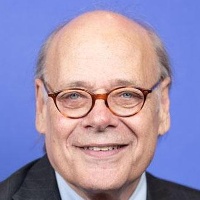
Steve Cohen
Representative
TN
Steve Cohen
Representative
TN
The Aviation Funding Stability Act of 2025 establishes an automatic mechanism to ensure the Federal Aviation Administration (FAA) remains funded during a lapse in appropriations. This allows the FAA to continue essential operations using existing funds from the Airport and Airway Trust Fund until a new budget or continuing resolution is enacted. Funding will cease after 30 days if no new appropriations are passed. This ensures continuity for core FAA programs, including operations, infrastructure, and grants.
This bill establishes stricter, mandatory prompt payment deadlines and penalties for Medicare Advantage organizations when paying clean claims submitted by healthcare providers.
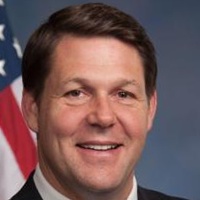
Jodey Arrington
Representative
TX
Jodey Arrington
Representative
TX
The Medicare Advantage Prompt Pay Act establishes stricter deadlines for Medicare Advantage organizations to pay clean claims submitted by doctors and suppliers. This legislation mandates that MA plans must pay at least 95% of electronic claims within 14 days and other clean claims within 30 days, starting January 1, 2027. Failure to meet these new prompt payment requirements will result in mandatory interest payments to providers and potential civil monetary penalties of up to $25,000 per violation for the MA organization. The Act also requires MA plans to begin reporting detailed data on their payment timeliness to the Secretary.