
Legislative Activity
Track Marc's sponsored bills, co-sponsored legislation, and voting record
This bill designates the United States Postal Service facility located at 4450 Oak Park Lane in Fort Worth, Texas, as the "United States Representative Kay Granger Post Office Building."
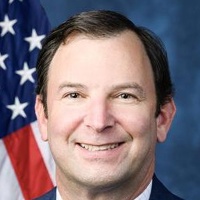
Craig Goldman
Representative
TX
Craig Goldman
Representative
TX
This bill designates the United States Postal Service facility located at 4450 Oak Park Lane in Fort Worth, Texas, as the "United States Representative Kay Granger Post Office Building." All official federal references to this facility will be updated to reflect this new name.
This resolution honors the life and historic congressional legacy of the Honorable Kay Granger, recognizing her trailblazing service as a Representative from Texas and her dedicated contributions to national defense and the city of Fort Worth.
Craig Goldman
Representative
TX
Craig Goldman
Representative
TX
This resolution honors the life and legacy of the Honorable Kay Granger, celebrating her nearly 28 years of service in the U.S. House of Representatives. It recognizes her historic achievements as a trailblazer for women in public office, her dedicated advocacy for national defense, and her lasting contributions to the city of Fort Worth, Texas.
The Protect American Values Act prohibits the use of federal funds to implement or enforce the Department of Homeland Security’s "Public Charge Ground of Inadmissibility" rule.

Judy Chu
Representative
CA
Judy Chu
Representative
CA
The Protect American Values Act seeks to block the implementation and enforcement of the Department of Homeland Security’s "Public Charge Ground of Inadmissibility" rule. The bill asserts that this policy harms immigrant families and local economies by restricting access to essential food, housing, and medical care. Consequently, it prohibits the use of federal funds to carry out or administer the rule.
The TPS Review Act strengthens judicial oversight and establishes congressional review for decisions to terminate Temporary Protected Status, ensuring that such actions are evidence-based and subject to legal challenge.
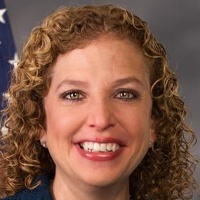
Debbie Wasserman Schultz
Representative
FL
Debbie Wasserman Schultz
Representative
FL
The Temporary Protected Status (TPS) Review Act strengthens oversight of government decisions to terminate TPS designations by reinstating judicial review and requiring that such decisions be supported by a comprehensive administrative record. The bill also subjects TPS terminations to congressional review under the Congressional Review Act, ensuring these decisions are subject to greater accountability. Additionally, it provides legal protections for beneficiaries by automatically staying terminations during the pendency of any legal challenges.
The Right to IVF Act of 2026 establishes a nationwide right to fertility care, mandates comprehensive insurance coverage for reproductive services, and expands access to fertility treatments for veterans and federal employees.
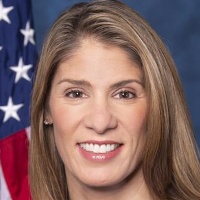
Lori Trahan
Representative
MA
Lori Trahan
Representative
MA
The Right to IVF Act of 2026 establishes a nationwide statutory right to access assisted reproductive technology (ART) and intrauterine insemination (IUI) while prohibiting states from imposing restrictive barriers. The bill further expands family-building support by mandating comprehensive fertility coverage across private insurance, Medicare, Medicaid, and federal employee health plans. Additionally, it guarantees expanded access to fertility services and preservation for military service members and veterans.
The Federal Naming Standards Act prohibits naming federal buildings, facilities, or programs after elected officials or political appointees until at least 10 years after they leave office.
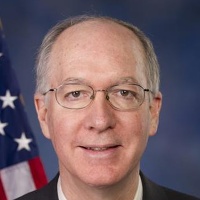
Bill Foster
Representative
IL
Bill Foster
Representative
IL
The Federal Naming Standards Act prohibits federal buildings, facilities, and programs from being named after elected officials or political appointees until at least 10 years after they leave office. This legislation aims to prevent the politicization of public property by establishing strict waiting periods and oversight by agency inspectors general. It includes specific exemptions for deceased individuals and historical or educational contexts.
This bill reauthorizes the Accelerating Access to Critical Therapies for ALS Act through 2031 while enhancing grant oversight, safety reporting requirements, and FDA strategic planning for rare neurodegenerative diseases.

Mike Quigley
Representative
IL
Mike Quigley
Representative
IL
The Accelerating Access to Critical Therapies for ALS Reauthorization Act of 2026 extends vital funding for ALS research and clinical trial programs through 2031. This legislation strengthens oversight by enhancing grant review processes, improving safety reporting requirements, and mandating a comprehensive five-year FDA action plan to accelerate the development of treatments for rare neurodegenerative diseases.
The Polling Place Standards Act establishes federal requirements for minimum polling station density and staffing levels to ensure accessible and efficient voting, supported by a new federal grant program for states.
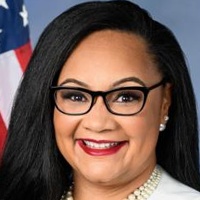
Nikema Williams
Representative
GA
Nikema Williams
Representative
GA
The Polling Place Standards Act establishes federal requirements for polling place availability, mandating at least one location for every 2,000 registered voters to ensure geographic diversity and efficient access. The bill also sets specific staffing standards to maintain security and minimize wait times, while providing a grant program to help states implement these improvements. These requirements are waived for states that provide universal mail-in or drop-box voting options.
The Lawful Hemp Protection Act establishes a comprehensive federal regulatory, tax, and safety framework for hemp-derived cannabinoid products to ensure consumer protection, prevent underage access, and standardize industry manufacturing and testing.
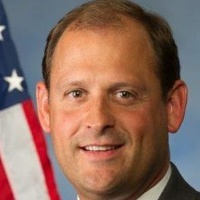
Garland Barr
Representative
KY
Garland Barr
Representative
KY
The Lawful Hemp Protection Act establishes a comprehensive federal regulatory framework for hemp-derived cannabinoid products to ensure consumer safety and industry accountability. The bill mandates strict age-gating, standardized manufacturing and labeling requirements, and FDA oversight to eliminate deceptive products. Additionally, it implements a federal tax and permit system for manufacturers and wholesalers while preserving the authority of states to enforce their own regulations.
Tyler's Law mandates a study and subsequent guidance on the routine testing for fentanyl in hospital emergency departments during overdose treatment.
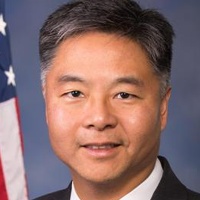
Ted Lieu
Representative
CA
Ted Lieu
Representative
CA
Tyler's Law mandates a comprehensive study by the Secretary of Health and Human Services on the frequency, cost, and impact of fentanyl testing in hospital emergency departments during overdose cases. Following the study, the Secretary must issue guidance on whether routine fentanyl testing should become standard practice for overdose patients. This guidance will also address staff training regarding existing drug test panels and the long-term health implications of such testing.
This bill clarifies that a franchisor is only considered a joint employer of a franchisee's workers if it exercises substantial, direct, and immediate control over essential terms of employment.
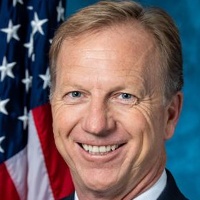
Kevin Hern
Representative
OK
Kevin Hern
Representative
OK
The American Franchise Act aims to protect the traditional franchise business model by clarifying the definition of a "joint employer." This legislation establishes that a franchisor is only considered a joint employer if it exercises "substantial direct and immediate control" over the essential terms of employment for a franchisee's workers. This change specifically targets liability risks associated with maintaining brand standards, ensuring franchisors are not automatically held responsible for local labor practices. The new standard applies prospectively to future legal proceedings.
The Justice for Incarcerated Moms Act aims to improve maternal health outcomes for incarcerated individuals by prohibiting the shackling of pregnant prisoners and establishing federal and state programs to provide comprehensive prenatal and postpartum care.

Ayanna Pressley
Representative
MA
Ayanna Pressley
Representative
MA
The Justice for Incarcerated Moms Act aims to improve maternal health outcomes and reduce disparities for pregnant and postpartum individuals in the criminal justice system. The bill mandates the end of shackling for pregnant individuals in federal and state facilities and establishes comprehensive model programs to provide prenatal and postpartum care. Additionally, it creates a grant program for state and local facilities to improve maternal health services and requires a federal report to identify and address systemic barriers to care.
The AADAPT Act expands grant eligibility and funding to integrate dementia care services into health centers through 2031.
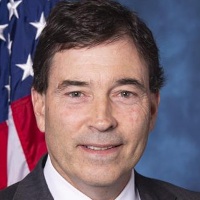
Troy Balderson
Representative
OH
Troy Balderson
Representative
OH
The AADAPT Act expands access to specialized dementia care by authorizing grants for public and nonprofit health centers to integrate these services into their programs. Additionally, the bill extends federal funding authorization through 2031 to ensure the continued growth and sustainability of these critical health outcomes.
This bill supports the designation of July 20, 2026, as "National Moon Landing Day" to honor the historic Apollo 11 mission and celebrate the ongoing achievements of the U.S. space program.

Andrea Salinas
Representative
OR
Andrea Salinas
Representative
OR
This resolution supports the designation of July 20, 2026, as "National Moon Landing Day" to commemorate the historic Apollo 11 mission and celebrate the United States' ongoing leadership in space exploration. It honors the contributions of astronauts, scientists, and the private sector while encouraging educational initiatives to inspire future generations in STEM fields.
This bill mandates the restoration of home-based care reimbursement rates for rural veterans and requires the VA to increase transparency and reporting regarding provider availability and rate-setting methodologies.
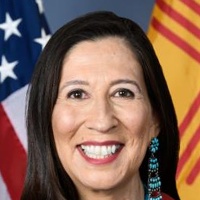
Teresa Leger Fernandez
Representative
NM
Teresa Leger Fernandez
Representative
NM
The Protecting Home-Based Care for Rural Veterans Act of 2026 mandates the restoration of reimbursement rates for the VA’s Homemaker and Home Health Aide program to 2025 levels and requires 90-day congressional notification for any future reductions. The bill also improves oversight by requiring the VA to report annually on provider availability and to provide full transparency regarding the methodology used to calculate reimbursement rates.
This bill mandates electronic prior authorization, increases transparency through required data reporting, and establishes faster decision timelines for Medicare Advantage plans to improve timely access to care for seniors.

Mike Kelly
Representative
PA
Mike Kelly
Representative
PA
The Improving Seniors’ Timely Access to Care Act of 2025 aims to streamline and modernize the prior authorization process within Medicare Advantage plans. This bill mandates the adoption of electronic prior authorization systems and significantly increases transparency regarding approval rates and decision times starting in 2027. Furthermore, it establishes new enrollee protections and grants the Secretary authority to enforce faster decision timeframes for medical services.
The Patients First Act of 2026 reforms Medicare physician payment systems to ensure more stable, predictable reimbursement for providers while improving patient access to primary care and value-based services.
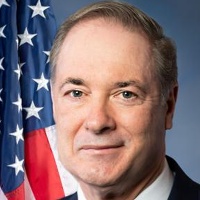
John Joyce
Representative
PA
John Joyce
Representative
PA
The Patients First Act of 2026 is comprehensive legislation designed to stabilize Medicare physician payments, improve patient access to primary care, and transition the current quality reporting system to a more clinician-led framework. By modernizing reimbursement formulas, reducing financial volatility for providers, and increasing transparency in value-based care models, the bill aims to ensure a more sustainable and predictable healthcare environment. These reforms seek to lower out-of-pocket costs for patients while supporting the long-term viability of medical practices.
This resolution designates July 10th as Journeyman Lineworkers Recognition Day to honor the essential service and sacrifices of the professionals who maintain our nation’s power grid.

Linda Sánchez
Representative
CA
Linda Sánchez
Representative
CA
This resolution designates July 10th as Journeyman Lineworkers Recognition Day to honor the essential, high-risk work performed by these skilled professionals. It pays tribute to the lineworkers who provide critical service during emergencies and recognizes those who have made the ultimate sacrifice in the line of duty.
This bill supports the goals of Alzheimer's and Brain Awareness Month by encouraging education, advocacy for research and care, and support for those affected by Alzheimer's disease.
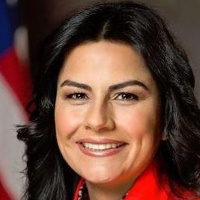
Nanette Barragán
Representative
CA
Nanette Barragán
Representative
CA
This resolution officially designates June as Alzheimer's and Brain Awareness Month. It highlights the widespread impact of Alzheimer's disease, including rising prevalence, significant caregiver strain, and health disparities. The measure encourages public education, advocacy for research and support services, and support for those affected by the disease.
This bill renames and revises the Great American Outdoors Act's maintenance fund, increases dedicated funding through new, higher fees for foreign visitors, and sets spending priorities for deferred maintenance across public lands agencies.
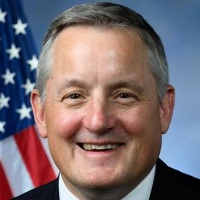
Bruce Westerman
Representative
AR
Bruce Westerman
Representative
AR
This bill, the Great American Outdoors Act 250, significantly reforms and renames the existing public lands restoration fund to the America’s Legacy Restoration Fund. It secures dedicated funding streams, primarily from energy revenues and new fees on foreign visitors, to address critical deferred maintenance across the National Park Service, Forest Service, and other public land agencies. The legislation establishes strict spending priorities for infrastructure repair while also creating pilot programs for enhancing outdoor recreation and sportsmen's access. Finally, it mandates increased transparency and accountability through standardized metrics and public reporting on all funded projects.