The Polling Place Standards Act establishes federal requirements for minimum polling station density and staffing levels to ensure accessible and efficient voting, supported by a new federal grant program for states.
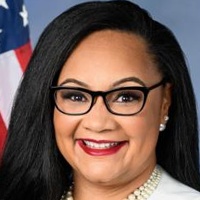
Nikema Williams
Representative
GA-5
The Polling Place Standards Act establishes federal requirements for polling place availability, mandating at least one location for every 2,000 registered voters to ensure geographic diversity and efficient access. The bill also sets specific staffing standards to maintain security and minimize wait times, while providing a grant program to help states implement these improvements. These requirements are waived for states that provide universal mail-in or drop-box voting options.
Polling Place Standards Act Mandates One Voting Site Per 2,000 Voters to Slash Wait Times and Boost Access
The Polling Place Standards Act aims to overhaul the physical logistics of federal elections by setting a national floor for voter access. Specifically, the bill requires states to provide at least one polling place or vote center for every 2,000 registered voters. To prevent 'voting deserts,' these locations must be spread out geographically rather than clustered in a few neighborhoods. If a state prefers to skip these physical requirements, they have a clear out: they must allow every single voter the option to cast their ballot via a secure drop box or through the mail. For states sticking to traditional in-person voting, the clock starts 30 days before an election to get these sites prepped and ready.
The 30-Minute Target
One of the most relatable parts of this bill is the push for 'adequate staffing.' Instead of leaving that term up to a guess, the bill (Section 2) tells officials to look at the math. They have to calculate staff needs based on the number of check-in stations, the availability of electronic voting machines, and the specific accessibility needs of the precinct. The ultimate goal? Keeping your wait time to 30 minutes or less. For someone squeezing a trip to the polls between a shift at the warehouse and picking up kids from daycare, the difference between a 20-minute line and a two-hour ordeal is the difference between participating in democracy and being forced to sit it out.
Mapping Out the Neighborhood
The bill distinguishes between a standard 'covered polling place'—which only serves a specific precinct—and 'vote centers' that can handle any voter in the jurisdiction. By requiring these sites to be 'geographically diverse,' the legislation tries to ensure that whether you live in a high-rise downtown or a farmhouse ten miles from the nearest stoplight, your commute to a ballot box remains reasonable. However, because 'geographically diverse' isn't strictly defined by mileage in the text, there is some room for interpretation that local officials will need to navigate to ensure they are actually meeting the spirit of the law.
Funding the Front Lines
Recognizing that more staff and more locations cost money, the bill establishes a new grant program through the Election Assistance Commission (Section 3). States can apply for these funds to help cover the costs of hiring poll workers, securing new locations, and upgrading equipment like ballot scanners. While the bill authorizes 'whatever sums are necessary' to make this happen, the actual impact on taxpayers will depend on how much the federal government decides to chip in versus how much state budgets have to stretch. For states that currently have very few polling locations, this could be a significant administrative lift, but the grant program is designed to be the financial bridge to get them there.