Legislative Activity
Track Juan's sponsored bills, co-sponsored legislation, and voting record
The FRESHER Act of 2025 amends water pollution laws to remove certain stormwater permit requirements for oil and gas operations while mandating a study on stormwater runoff contamination from these activities.
Jared Huffman
Representative
CA
Jared Huffman
Representative
CA
The FRESHER Act of 2025 aims to regulate stormwater runoff from oil, gas, and mining operations under the Federal Water Pollution Control Act. This legislation modifies existing permit requirements and mandates a study by the Secretary of the Interior on the contamination risks associated with this runoff. The resulting report will detail measurable contamination and the susceptibility of groundwater resources to pollution from these operations.
The CLOSE Act removes the Clean Air Act exemption for aggregating oil and gas emissions and mandates the EPA to list hydrogen sulfide as a hazardous air pollutant.
Yvette Clarke
Representative
NY
Yvette Clarke
Representative
NY
The CLOSE Act aims to strengthen air quality regulations by removing the exemption that previously allowed for the aggregation of emissions from oil and gas sources under the Clean Air Act. Furthermore, this legislation mandates the EPA to formally list hydrogen sulfide as a hazardous air pollutant. This action will require the EPA to establish specific source categories for hydrogen sulfide emissions, including oil and gas wells.
This bill mandates regular testing and public reporting of nearby drinking water sources for all hydraulic fracturing operations that inject fluids underground.

Janice Schakowsky
Representative
IL
Janice Schakowsky
Representative
IL
The Safe Hydration is an American Right in Energy Development Act of 2025 amends the Safe Drinking Water Act to establish new testing and reporting requirements for hydraulic fracturing (fracking) operations. This bill prohibits fracking injection unless operators agree to test nearby underground drinking water sources according to a set schedule and submit results to the EPA. The EPA is required to create a publicly accessible database of all submitted test results.
This act repeals specific sections of a prior reconciliation act to restore previous laws affecting American families and farmers.
Jahana Hayes
Representative
CT
Jahana Hayes
Representative
CT
The Restoring Food Security for American Families and Farmers Act of 2025 aims to strengthen domestic food security by repealing specific sections of a prior reconciliation act. This action effectively revives the original laws that were previously amended by the repealed provisions. The bill seeks to revert existing agricultural and food-related statutes to their pre-amendment status.
This bill mandates the disclosure of chemicals used in hydraulic fracturing operations to the state both before and after operations, while ensuring immediate disclosure of proprietary formulas during medical emergencies.

Diana DeGette
Representative
CO
Diana DeGette
Representative
CO
The Fracturing Responsibility and Awareness of Chemicals Act of 2025 amends the Safe Drinking Water Act to bring hydraulic fracturing fluid injection under federal regulation. This bill mandates that operators disclose the specific chemicals used before and after fracturing operations to the relevant state authority. Furthermore, it ensures immediate disclosure of proprietary chemical formulas to medical professionals during emergencies.
This bill authorizes federal grants for public transit systems to hire unarmed "transit support specialists" to enhance rider safety and deter disruptive behavior.
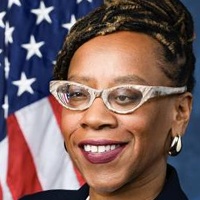
Lateefah Simon
Representative
CA
Lateefah Simon
Representative
CA
The RIDER Safety Act authorizes federal grants for public transit systems to hire unarmed "Transit Support Specialists." These specialists are tasked with increasing rider security through their visible presence, engaging with the public, and handling minor conflicts. Their role is to deter disruptive behavior and connect riders with necessary services, allowing law enforcement to focus on critical incidents.
This bill establishes a permanent Special Envoy for the Human Rights of LGBTQI+ Peoples within the Department of State to advance U.S. policy countering global criminalization, violence, and discrimination against LGBTQI+ individuals.
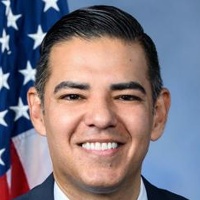
Robert Garcia
Representative
CA
Robert Garcia
Representative
CA
This bill, the International Human Rights Defense Act of 2025, establishes a permanent Special Envoy for the Human Rights of LGBTQI+ Peoples within the Department of State. It codifies U.S. policy to actively combat international criminalization, violence, and discrimination against LGBTQI+ individuals worldwide. The legislation also mandates enhanced reporting on these abuses in annual human rights reports and authorizes assistance to support related protection efforts abroad.
This Act ensures uninterrupted funding and operation for the SNAP and WIC programs through fiscal year 2026, even if appropriations for the Department of Agriculture are delayed.
Jahana Hayes
Representative
CT
Jahana Hayes
Representative
CT
The Keep SNAP and WIC Funded Act of 2025 ensures that the Supplemental Nutrition Assistance Program (SNAP) and the Special Supplemental Nutrition Program for Women, Infants, and Children (WIC) continue to operate without interruption in fiscal year 2026 if standard appropriations are delayed. If funding lapses, the Secretary of Agriculture is authorized to use funds from the Treasury to provide benefits and reimburse state agencies. This special funding remains in effect until full appropriations are enacted or until September 30, 2026.
This Act establishes strict standards, training, and reporting requirements for federal immigration enforcement personnel regarding the use of force, identification, and equipment.
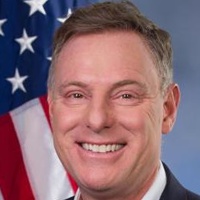
Scott Peters
Representative
CA
Scott Peters
Representative
CA
The Stop Excessive Force in Immigration Act of 2025 establishes strict new standards for the use of non-deadly force by federal immigration personnel, requiring proportionality and de-escalation efforts. The bill mandates identification requirements, restricts the use of certain crowd-control equipment, and imposes new body camera and detailed reporting mandates. Furthermore, it creates affirmative duties for officers to intervene against excessive force and requires annual training on these new policies.
This resolution urges the USDA to use its contingency funds and interchange authority to ensure continued funding for the Supplemental Nutrition Assistance Program (SNAP), especially during potential government shutdowns.
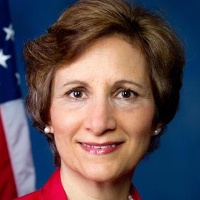
Suzanne Bonamici
Representative
OR
Suzanne Bonamici
Representative
OR
This resolution expresses the sense of the House that the Department of Agriculture should utilize its existing contingency funds and interchange authority to ensure the Supplemental Nutrition Assistance Program (SNAP) remains fully funded. The bill specifically urges the administration to immediately use these resources to finance SNAP operations, particularly during potential government funding lapses. This action is deemed crucial to support millions of vulnerable Americans, including children, seniors, and veterans, who rely on these benefits.
This resolution supports the goals of National Domestic Violence Awareness Month, highlights the pervasive and devastating impact of intimate partner violence across all demographics, and calls for increased funding for prevention and support programs.
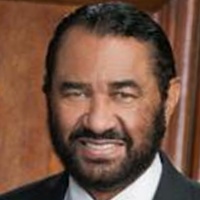
Al Green
Representative
TX
Al Green
Representative
TX
This resolution designates October as National Domestic Violence Awareness Month to highlight the widespread and devastating impact of intimate partner violence across all demographics. It recognizes the urgent need to eliminate domestic violence and supports increased funding for intervention and prevention programs. The resolution underscores the severe physical, emotional, and economic toll this abuse takes on individuals, families, and communities.
This Act expands charitable tax deductions for donations of food storage, transportation, and meal preparation equipment to organizations serving those in need.
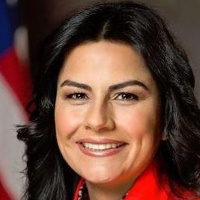
Nanette Barragán
Representative
CA
Nanette Barragán
Representative
CA
The Feed the Community Act amends tax law to encourage charitable donations of essential food service equipment, such as refrigerators, transport vehicles, and preparation tools. This bill expands the definition of eligible donated property beyond just food inventory to include functional food storage, transport, and meal preparation equipment. Donors can elect to limit the reduction in their charitable deduction for these specific donations, subject to certain dollar limits for transport and preparation equipment. These changes are set to take effect for taxable years beginning after December 31, 2025.
This bill extends and modifies various tax credits for energy production, efficiency improvements, and clean vehicle adoption to lower energy costs and support American energy leadership.
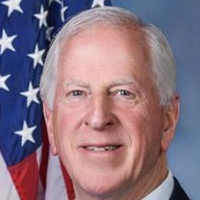
Mike Thompson
Representative
CA
Mike Thompson
Representative
CA
The American Energy Independence and Affordability Act is a comprehensive bill designed to lower energy costs by extending and adjusting key tax incentives across energy production, efficiency, and clean vehicle adoption. It stabilizes support for renewable energy manufacturing, extends deadlines for energy-efficient building credits, and ensures consumer incentives for electric vehicles remain available through 2032. Overall, the legislation aims to provide long-term certainty for energy investments and consumer adoption of cleaner technologies.
This resolution condemns Hamas for assassinating innocent Palestinians in Gaza following a ceasefire agreement.
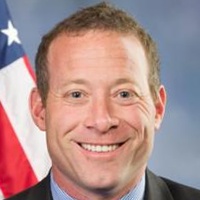
Josh Gottheimer
Representative
NJ
Josh Gottheimer
Representative
NJ
This resolution condemns Hamas for its campaign of assassinations and intimidation against innocent Palestinian civilians in Gaza following a recent ceasefire agreement. The House of Representatives expresses strong disapproval of these terroristic acts aimed at regaining territorial control. Furthermore, the resolution reaffirms the U.S. commitment to supporting the ceasefire and promoting stability for civilians in Gaza.
The PRODUCE Act extends the authorization and significantly increases the funding for the Office of Urban Agriculture and Innovative Production through 2030.
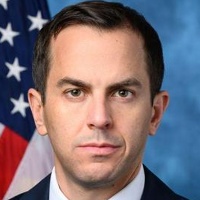
Robert Menendez
Representative
NJ
Robert Menendez
Representative
NJ
The PRODUCE Act reauthorizes and significantly increases funding for the USDA's Office of Urban Agriculture and Innovative Production through 2030. This legislation extends the office's authorization and boosts its annual budget cap from \$25 million to \$50 million. The goal is to strengthen support for urban agriculture initiatives.
This act ensures that state and local funds used to keep Head Start and Early Head Start programs running during a federal government shutdown are fully reimbursed.
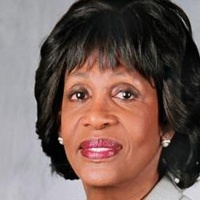
Maxine Waters
Representative
CA
Maxine Waters
Representative
CA
The Head Start Shutdown Protection Act of 2025 ensures that states, local governments, or school districts are reimbursed for any of their own funds used to keep Head Start and Early Head Start programs operational during a lapse in federal appropriations. This legislation protects these vital early childhood education services from disruption caused by government shutdowns. By guaranteeing reimbursement, the Act encourages local entities to maintain program continuity without bearing the financial burden.
This act permanently establishes the structure and staffing of the Office of Head Start to ensure continued comprehensive support for eligible children and families.
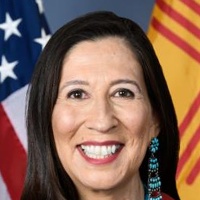
Teresa Leger Fernandez
Representative
NM
Teresa Leger Fernandez
Representative
NM
The Every Child Deserves a Head Start Act of 2025 aims to solidify the foundational support for the Head Start program, recognizing its vital role in early childhood development. This bill permanently establishes the structure and staffing levels of the Office of Head Start, including its 12 regional offices, as they existed before January 20, 2025. The legislation strictly limits the Secretary of Health and Human Services from altering this established structure or reducing staff without specific Congressional notification procedures. Ultimately, the Act ensures the consistent delivery of essential educational and support services to eligible children and families nationwide.
This resolution formally recognizes the vital role of Spanish-language media in informing, connecting, and strengthening diverse communities across the United States.
Nanette Barragán
Representative
CA
Nanette Barragán
Representative
CA
This resolution formally recognizes the vital role Spanish-language media plays in informing, educating, and connecting over 41 million Spanish speakers across the United States. It highlights how these outlets strengthen democracy by ensuring broad access to essential information and celebrate the rich cultural contributions of the Latino community. Ultimately, the bill encourages continued support for these crucial media sources nationwide.
This resolution officially designates October 8, 2025, as Latina Equal Pay Day to recognize and address the significant wage disparity faced by Latina women compared to White, non-Hispanic men.
Teresa Leger Fernandez
Representative
NM
Teresa Leger Fernandez
Representative
NM
This resolution officially designates October 8, 2025, as Latina Equal Pay Day to highlight the significant wage disparity faced by Latina workers. It recognizes that Latinas currently earn only about 58 cents for every dollar earned by White, non-Hispanic men, resulting in substantial lifetime earnings loss. The bill calls attention to systemic factors like workplace policies and harassment that contribute to this ongoing economic injustice. Ultimately, Congress reaffirms its commitment to achieving pay equity for all women.
This bill authorizes the Federal Government to reimburse states for using their own funds to maintain WIC program operations during a lapse in federal appropriations.
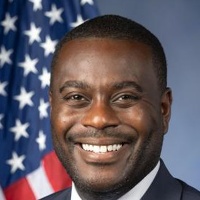
Gabe Amo
Representative
RI
Gabe Amo
Representative
RI
This bill ensures that states are reimbursed by the Federal Government for any state funds they use to maintain essential operations of the Special Supplemental Nutrition Program for Women, Infants, and Children (WIC) during a lapse in federal appropriations. It provides a mechanism for the Federal Government to pay back states that cover WIC costs during a government shutdown. This protects state budgets while keeping vital nutrition assistance running.