Legislative Activity
Track Juan's sponsored bills, co-sponsored legislation, and voting record
The Rebuild America’s Schools Act of 2026 establishes federal grant and bond programs to provide billions of dollars for the long-term improvement, modernization, and repair of public school facilities, prioritizing health, safety, and environmental conditions in high-need districts.
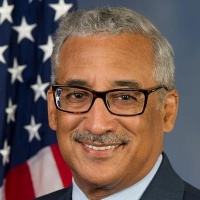
Robert Scott
Representative
VA
Robert Scott
Representative
VA
The **Rebuild America’s Schools Act of 2026** establishes major federal funding streams, including grants and tax-credit bonds, to modernize and repair public school facilities nationwide from 2027 through 2031. The legislation prioritizes districts with the greatest need, focusing on improving student health, safety, and environmental conditions in school buildings. It also mandates increased transparency through public databases tracking facility conditions and requires specific labor and "Buy America" standards for funded construction projects.
This bill establishes mandatory minimum humanitarian standards for health screening, water, sanitation, food, and shelter for all individuals in ICE and CBP custody.
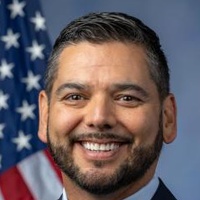
Raul Ruiz
Representative
CA
Raul Ruiz
Representative
CA
The Humanitarian Standards for Individuals in ICE and CBP Custody Act establishes minimum standards for health screening, nutrition, sanitation, and shelter for individuals detained by ICE and CBP. This bill mandates specific protocols for medical care, facility conditions, and personnel training to ensure humane treatment. It also requires regular inspections and public reporting on compliance and sexual abuse complaints.
This bill seeks to disapprove and nullify the Department of Veterans Affairs' final rule regarding "Reproductive Health Services."
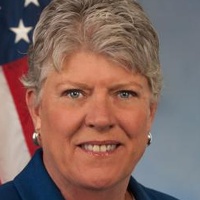
Julia Brownley
Representative
CA
Julia Brownley
Representative
CA
This resolution seeks to disapprove the Department of Veterans Affairs' final rule concerning "Reproductive Health Services" issued in September 2024. If enacted, this disapproval, made under the Congressional Review Act, would prevent the VA rule from taking legal effect.
This bill establishes a commission to investigate and recommend remedies for historical and ongoing racial, ethnic, and LGBTQ+ discrimination within the uniformed services.
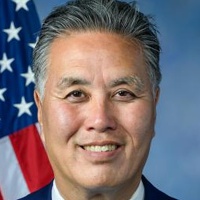
Mark Takano
Representative
CA
Mark Takano
Representative
CA
This bill establishes the Commission on Equity and Reconciliation in the Uniformed Services to investigate and document the history of racial, ethnic, and LGBTQ+ discrimination within the U.S. military since 1775. The Commission is tasked with holding hearings, gathering testimony, and developing recommendations for remedies, including apologies, compensation, and policy changes. It must submit a final report to Congress and the President detailing its findings and proposed actions within 18 months of its first meeting.
This bill mandates the removal of U.S. Armed Forces from Venezuela unless explicitly authorized by Congress.
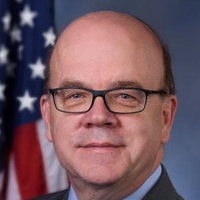
James McGovern
Representative
MA
James McGovern
Representative
MA
This bill mandates the President to withdraw all United States Armed Forces from Venezuela. This action is required unless Congress has formally declared war or passed specific legislation authorizing the use of military force in that country.
The Language Access for All Act of 2026 mandates that federal agencies implement comprehensive language assistance services, including translation and interpretation, to ensure meaningful access for individuals with limited English proficiency.

Grace Meng
Representative
NY
Grace Meng
Representative
NY
The Language Access for All Act of 2026 mandates that federal agencies provide meaningful access to programs and services for individuals with limited English proficiency. The bill requires agencies to implement comprehensive language access plans, establish technical standards for translation and interpretation, and appoint dedicated coordinators to ensure compliance. Additionally, it creates a public complaint system and sets strict guidelines for the use of AI in language services to ensure accuracy and accountability.
This bill impeaches Secretary of Homeland Security Kristi Lynn Arnold Noem for high crimes and misdemeanors, citing willful refusal to comply with oversight law, violating the Impoundment Control Act, directing unlawful ICE misconduct, and misusing federal funds for personal gain.
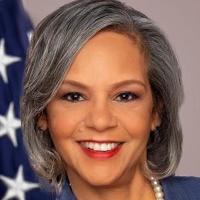
Robin Kelly
Representative
IL
Robin Kelly
Representative
IL
This resolution initiates impeachment proceedings against Secretary of Homeland Security Kristi Lynn Arnold Noem for high crimes and misdemeanors. The articles of impeachment charge her with willfully refusing to comply with Congressional oversight laws and violating the Impoundment Control Act by improperly withholding funds. Further articles allege she directed widespread misconduct by ICE agents that violated federal law and constitutional rights, and misused taxpayer funds for personal gain through improper contracting.
This act establishes federal preemption over state laws that restrict real property purchases based on a buyer's citizenship.
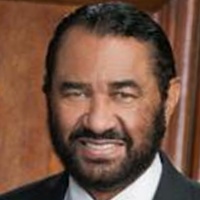
Al Green
Representative
TX
Al Green
Representative
TX
The Preemption of Real Property Discrimination Act establishes federal law over state restrictions on real estate purchases based on a buyer's citizenship. This legislation voids any state or territorial law that prohibits or restricts property ownership due to citizenship. The Attorney General is authorized to enforce this preemption, and individuals harmed by such laws can sue in federal court.
This resolution designates January 13th as Korean American Day to honor the contributions of Korean Americans and recognize the anniversary of the first Korean immigrants' arrival.
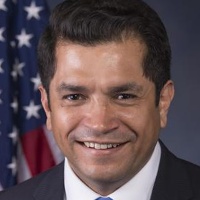
Jimmy Gomez
Representative
CA
Jimmy Gomez
Representative
CA
This resolution officially designates January 13th as Korean American Day. It expresses support for the day's ideals and encourages Americans to observe it. The resolution also honors the 123rd anniversary of the first Korean immigrants arriving in the United States.
This bill prohibits the use of federal funds to support Venezuela's oil and petroleum infrastructure and requires an annual report from the Secretary of State on compliance.
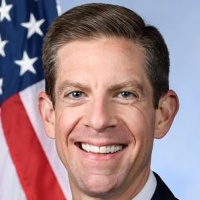
Mike Levin
Representative
CA
Mike Levin
Representative
CA
This bill prohibits the use of any federal funds to support, finance, or insure Venezuela's oil and petroleum infrastructure. It ensures taxpayer money is not used to aid the development or expansion of the Venezuelan oil sector. Furthermore, the Secretary of State must submit an annual report to Congress detailing compliance with this prohibition.
This act prohibits the use of federal funds and official action for any invasion of NATO member territory.
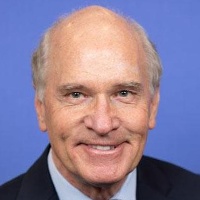
William Keating
Representative
MA
William Keating
Representative
MA
The **No Funds for NATO Invasion Act** prohibits the use of any federal funds for an invasion of any territory belonging to a member nation of the North Atlantic Treaty Organization (NATO). Furthermore, the bill bars U.S. officials from taking any action to execute such an invasion.
This act prohibits federal officials and employees from trading prediction market contracts while possessing material nonpublic government information.
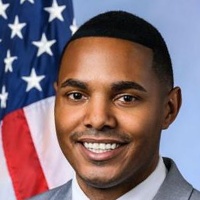
Ritchie Torres
Representative
NY
Ritchie Torres
Representative
NY
The Public Integrity in Financial Prediction Markets Act of 2026 prohibits federal officials and employees from trading in prediction market contracts while possessing material, nonpublic government information. This ban specifically targets transactions related to government policy, actions, or political outcomes. The goal is to prevent insider trading within these emerging financial markets by those with privileged access to government knowledge.
This resolution recognizes the 15th anniversary of the 2011 Tucson shooting, honoring the victims, survivors, and the ongoing advocacy of Gabby Giffords.
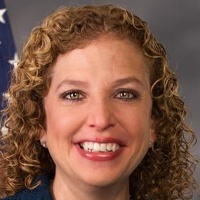
Debbie Wasserman Schultz
Representative
FL
Debbie Wasserman Schultz
Representative
FL
This resolution commemorates the 15th anniversary of the tragic January 8, 2011, Tucson shooting, honoring the six lives lost and the thirteen injured. It specifically commends the courage and ongoing advocacy of gun violence survivor and former Congresswoman Gabby Giffords. The resolution also recognizes the resilience of the community and reaffirms a commitment to ending political violence.
This resolution observes the one-year anniversary of the devastating 2025 Southern California wildfires, honoring victims and first responders while affirming commitment to ongoing community rebuilding efforts.
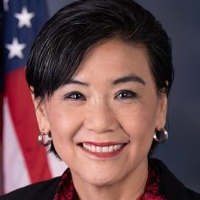
Judy Chu
Representative
CA
Judy Chu
Representative
CA
This resolution observes the one-year anniversary of the devastating 2025 Southern California wildfires. It honors the 31 lives lost, recognizes the heroic efforts of thousands of emergency responders, and affirms commitment to supporting the ongoing rebuilding efforts in affected communities.
This act voids the recent renaming of the Kennedy Center and restricts the Board of Trustees from ever renaming the center again.
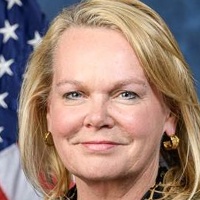
April McClain Delaney
Representative
MD
April McClain Delaney
Representative
MD
The Kennedy Center Protection Act voids the Board of Trustees' 2025 vote to rename the performing arts center. This legislation mandates the immediate removal of any signage reflecting the altered name and restores the official title to the "John F. Kennedy Center for the Performing Arts." Furthermore, it explicitly prohibits the Board from ever taking action to rename the center in the future.
This bill expresses support for designating a week in September as "National Hispanic-Serving Institutions Week" to recognize their achievements and goals.
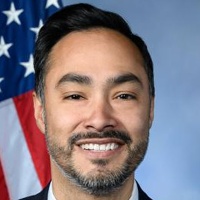
Joaquin Castro
Representative
TX
Joaquin Castro
Representative
TX
This bill officially designates the week of September 15 through September 21, 2024, as "National Hispanic-Serving Institutions Week." It recognizes the significant achievements and goals of these vital institutions across the nation. The resolution encourages public observance with appropriate activities to demonstrate support for Hispanic-Serving Institutions during Hispanic Heritage Month.
This resolution condemns antisemitism amplified by AI, urges robust platform safeguards, and encourages stakeholder collaboration to counter this threat while upholding constitutional rights.
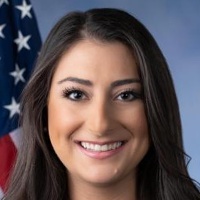
Sara Jacobs
Representative
CA
Sara Jacobs
Representative
CA
This resolution condemns antisemitism in all its forms, particularly its proliferation on artificial intelligence (AI) platforms. It urges technology companies to implement robust, transparent safeguards to prevent AI systems from generating or amplifying antisemitic content. The bill encourages the development of standards, research, and public awareness initiatives to combat this threat while ensuring all actions remain consistent with constitutional protections.
The Essential Caregivers Act of 2025 guarantees nursing home and long-term care residents the right to designate an essential caregiver who maintains access to them even during public health emergencies.
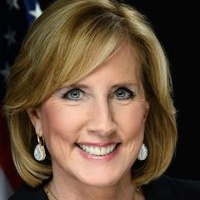
Claudia Tenney
Representative
NY
Claudia Tenney
Representative
NY
The Essential Caregivers Act of 2025 protects the rights of residents in long-term care facilities to designate an essential caregiver who can provide support and companionship. This legislation ensures that these caregivers maintain in-person access to residents even during public health emergencies when general visitation is restricted. By establishing clear protocols and an appeals process, the bill aims to prevent the harmful effects of isolation and ensure residents continue to receive vital care and advocacy.
This act restricts senior government officials and their families from owning or trading specific investments, requiring divestment of existing holdings to restore public trust.
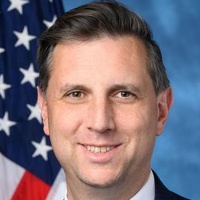
Seth Magaziner
Representative
RI
Seth Magaziner
Representative
RI
The Restore Trust in Government Act establishes strict new federal restrictions on senior government officials and their immediate families regarding the ownership and trading of specific financial investments. Covered individuals must divest existing investments that fall under the law's definition within a set timeframe, with limited exceptions. Violators face significant financial penalties, including a 10% fee on the investment value and disgorgement of any profits earned from prohibited transactions.
This Act shifts control of certain munitions exports from the Commerce Department to the State Department and establishes new strategies and reporting requirements to combat illegal U.S. firearm trafficking to Mexico, Central America, and the Caribbean.
Joaquin Castro
Representative
TX
Joaquin Castro
Representative
TX
The Americas Regional Monitoring of Arms Sales (ARMAS) Act of 2025 seeks to combat illegal firearms trafficking to Mexico, Central America, and the Caribbean. It transfers regulatory control of certain munitions exports from the Department of Commerce back to the Department of State. The bill also mandates comprehensive reporting, strategy development, and increased tracking of U.S. firearm exports to designated "covered countries."