Legislative Activity
Track David's sponsored bills, co-sponsored legislation, and voting record
This resolution expresses support for designating May as "Fallen Heroes Memorial Month" to honor the more than 1.3 million service members who died protecting American liberty and requests a Presidential proclamation to encourage national remembrance.
Barry Moore
Representative
AL
Barry Moore
Representative
AL
This resolution expresses strong support for designating the month of May as "Fallen Heroes Memorial Month." It honors the more than 1.3 million service members who have died protecting American liberty throughout history. Furthermore, the bill urges the President to issue a proclamation encouraging all Americans to reflect upon and honor the ultimate sacrifice made by these heroes.
This Act establishes a grant program through the Department of Homeland Security to fund medical care for retired Federal working dogs living with their former handlers.
Brian Fitzpatrick
Representative
PA
Brian Fitzpatrick
Representative
PA
The Honoring our K9 Heroes Act establishes a new grant program administered by the Department of Homeland Security to help cover medical expenses for retired Federal working dogs. Eligible non-profit organizations with a history of supporting these retired K9s can apply for funding. This initiative is authorized with $1 million annually from Fiscal Year 2026 through 2030 to support dogs living with their former handlers.
The FAIR Fleets Act mandates the Postal Service to modernize its vehicle fleet and establish a fair distribution plan prioritizing underserved and rural areas, supported by annual reporting to Congress.
Jim Costa
Representative
CA
Jim Costa
Representative
CA
The Fair Allocation and Improvement of Regional Fleets Act (FAIR Fleets Act) mandates that the U.S. Postal Service modernize its vehicle fleet with environmentally friendly options and ensure a fair distribution of vehicles nationwide. This law requires the USPS to prioritize underserved and rural areas when allocating its fleet resources. Furthermore, the Postal Service must submit annual reports to Congress detailing fleet locations and actions taken to improve service equity.
This bill establishes grants for local governments to train building code enforcement officers on identifying and addressing public health threats stemming from building code violations.
Jim Costa
Representative
CA
Jim Costa
Representative
CA
The Safety Training for Officers on Public Health Threats Act establishes a grant program through HHS to help local governments train building code enforcement officers. This training will focus on identifying and addressing public health dangers stemming from building code violations. Priority for funding will go to applicants who can effectively deliver this specialized training and to areas already facing such threats.
The Prove It Act establishes a formal process for small businesses to challenge agency claims about the economic impact of proposed rules and strengthens requirements for agencies to consider indirect costs on small entities.
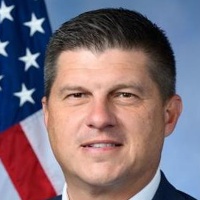
Brad Finstad
Representative
MN
Brad Finstad
Representative
MN
The Prove It Act aims to strengthen protections for small businesses against burdensome federal regulations. It establishes a formal process for small entities to challenge agency claims that a proposed rule will not significantly impact them. The bill also expands the required analysis of indirect costs and imposes consequences if agencies fail to periodically review existing rules on time.
This resolution supports recognizing the International Day for Mine Awareness and reaffirms U.S. leadership in eliminating global landmines and unexploded ordnance, especially given new urgency from conflicts like the war in Ukraine.
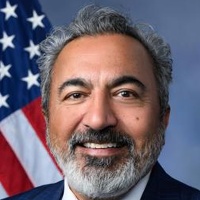
Ami Bera
Representative
CA
Ami Bera
Representative
CA
This resolution strongly supports the recognition of the International Day for Mine Awareness and Assistance in Mine Action on April 4, 2025. It reaffirms the United States' long-standing leadership and commitment to funding global efforts to clear landmines and unexploded ordnance. The bill emphasizes the urgent need to address contamination caused by recent conflicts, like the war in Ukraine, while continuing support for long-affected regions. Ultimately, it calls for sustained U.S. action to eliminate these deadly hazards worldwide.
This Act directs the Assistant Secretary of Commerce for Travel and Tourism to actively promote domestic and international travel to U.S. music-related locations and events.
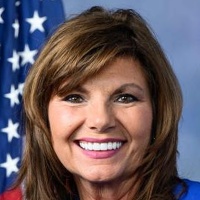
Diana Harshbarger
Representative
TN
Diana Harshbarger
Representative
TN
The American Music Tourism Act of 2025 directs the Assistant Secretary of Commerce for Travel and Tourism to actively promote domestic and international travel focused on U.S. music heritage and events. This includes identifying key music tourism locations and streamlining international visitor access to these sites. The Act also establishes new biennial reporting requirements to Congress detailing progress on these tourism goals.
The DISASTER Act of 2025 mandates the annual public reporting of all federal disaster spending, broken down by agency and purpose, to improve budget oversight and mitigation planning.
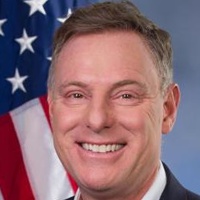
Scott Peters
Representative
CA
Scott Peters
Representative
CA
The DISASTER Act of 2025 mandates that the Office of Management and Budget (OMB) annually report comprehensive data on all federal disaster-related spending to Congress. This report must detail spending by agency, disaster event, and type of aid provided. The goal is to increase transparency, improve future budget decisions, and identify cost-saving mitigation opportunities. The new public reporting requirement takes effect with the Fiscal Year 2027 budget submission.
This resolution recognizes the vital contributions of linemen, often acting as first responders, and supports designating April 18, 2025, as "National Lineman Appreciation Day."
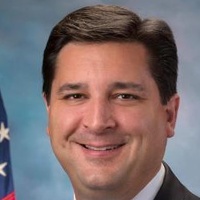
David Rouzer
Representative
NC
David Rouzer
Representative
NC
This resolution officially recognizes the vital and dangerous work performed by power linemen who maintain our electrical infrastructure and ensure public safety. It highlights their crucial role as first responders, often working in hazardous conditions after disasters. Furthermore, the resolution supports the designation of April 18, 2025, as "National Lineman Appreciation Day" to formally honor their service.
This Act secures \$5 million annually in grants for youth organizations from fiscal years 2026 through 2030.
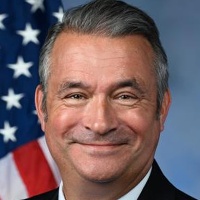
Don Bacon
Representative
NE
Don Bacon
Representative
NE
The Youth Lead Act establishes dedicated federal funding for youth organizations by setting aside \$5 million annually for grants between fiscal years 2026 and 2030. This legislation amends existing law to ensure consistent financial support for these organizations.
This act prohibits the Federal Motor Carrier Safety Administration from mandating speed limiting devices on interstate commercial vehicles over 26,000 pounds.
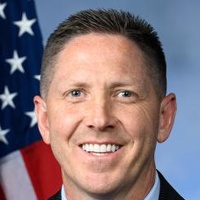
Josh Brecheen
Representative
OK
Josh Brecheen
Representative
OK
The DRIVE Act prohibits the Federal Motor Carrier Safety Administration from mandating speed limiting devices on heavy commercial vehicles engaged in interstate commerce. This legislation removes any federal requirement for trucks over 26,000 pounds to have their top speed electronically capped. In essence, the bill deregulates restrictions concerning speed control technology for large, cross-state eighteen-wheelers.
This Act expands Medicare coverage to include audiology services provided directly by qualified audiologists starting in 2027, removing physician supervision and referral requirements.

Gus Bilirakis
Representative
FL
Gus Bilirakis
Representative
FL
The Medicare Audiology Access Improvement Act of 2025 expands Medicare coverage for audiology services, beginning in 2027. This legislation allows qualified audiologists to provide diagnostic and treatment services without physician referral or supervision, as permitted by state law. The bill also specifies payment rates and includes audiologists in coverage for Rural Health Clinics and Federally Qualified Health Centers.
The Affordable Housing Credit Improvement Act of 2025 updates state allocation formulas, reforms tenant eligibility and credit determination rules, and enhances assistance for Native American and rural housing projects.
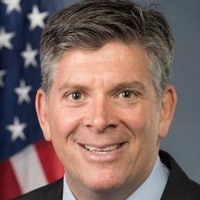
Darin LaHood
Representative
IL
Darin LaHood
Representative
IL
The Affordable Housing Credit Improvement Act of 2025 updates federal housing tax credit allocations to reflect current economic realities and boosts minimum state allotments. It reforms tenant eligibility rules to stabilize tenancy and enhance protections for vulnerable residents, including victims of abuse. The bill also provides disaster relief for property owners, increases incentives for housing the extremely low-income, and directs greater resources toward Native American and rural housing needs. Finally, it streamlines administrative processes and signals a future focus on data transparency and discouraging restrictive local zoning.
The Invest to Protect Act of 2025 establishes a Department of Justice grant program to fund training, mental health resources, and recruitment/retention bonuses for small local law enforcement agencies.
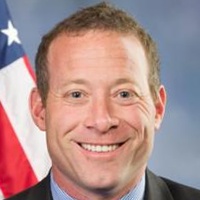
Josh Gottheimer
Representative
NJ
Josh Gottheimer
Representative
NJ
The Invest to Protect Act of 2025 establishes a new, streamlined grant program within the Department of Justice to support small local and Tribal law enforcement agencies (under 175 officers). These funds are specifically designated for officer training, mental health resources, and recruitment/retention bonuses. The law mandates a rapid application process and includes strict accountability measures, such as audits and public reporting of bonuses. Congress is authorized to appropriate up to $50 million annually for this program through fiscal year 2031.
This Act establishes a specific P visa category for temporary workers employed by traveling carnivals, circuses, and associated concession providers, while subjecting them to existing H-2B temporary worker regulations.
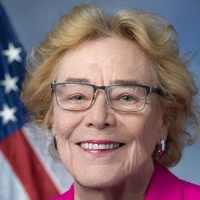
Zoe Lofgren
Representative
CA
Zoe Lofgren
Representative
CA
The Carnivals are Real Entertainment Act establishes a specific P visa pathway for temporary workers employed by traveling carnivals, circuses, and associated concession providers. This new classification ensures essential mobile entertainment staff can enter the U.S. while adhering to existing H-2B temporary worker program regulations. The law mandates that the Secretaries of Homeland Security and Labor develop and finalize the necessary rules within one year of enactment.
This bill establishes strict deadlines for states to count ballots and certify federal election results, with penalties for non-compliance unless specific emergency exceptions apply.
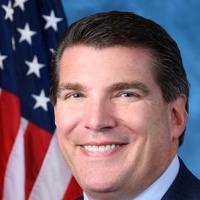
Jay Obernolte
Representative
CA
Jay Obernolte
Representative
CA
The Election Results Accountability Act establishes strict, new deadlines for states to count and officially certify the results of federal elections. States must release initial results within 72 hours and finalize certification within two weeks of poll closure. Penalties for missing these deadlines include the loss of federal election assistance funds, unless the delay is due to specific, agreed-upon emergencies or technical issues.
This Act establishes a federal grant program to help public water systems reduce nitrate and arsenic contamination in drinking water, prioritizing disadvantaged communities.
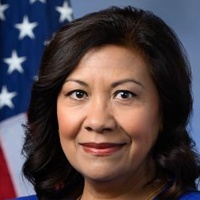
Norma Torres
Representative
CA
Norma Torres
Representative
CA
This Act establishes the Nitrate and Arsenic Reduction Grant Program under the Safe Drinking Water Act to fund projects that reduce these contaminants in public drinking water systems. Priority for these grants will be given to disadvantaged communities and systems that have previously failed to meet safety standards. The program aims to ensure cleaner drinking water, with special consideration for projects benefiting schools and low-income residents.
This resolution supports Financial Literacy Month by recognizing widespread financial struggles and calling for increased education and awareness across the nation.
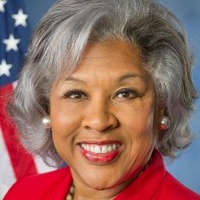
Joyce Beatty
Representative
OH
Joyce Beatty
Representative
OH
This resolution officially supports the goals of Financial Literacy Month by recognizing the widespread financial challenges facing American households. It highlights the urgent need for improved personal finance education due to low budgeting rates and high levels of household debt. The bill calls upon federal, state, and local entities to promote programs that enhance financial understanding and responsible money management.
The EASE Act of 2025 mandates the testing of a new model to improve specialty healthcare access for rural and underserved Medicare and Medicaid beneficiaries using digital tools and coordinated care.
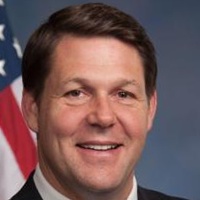
Jodey Arrington
Representative
TX
Jodey Arrington
Representative
TX
The EASE Act of 2025 mandates that the Center for Medicare and Medicaid Innovation (CMMI) test a new model to improve access to specialty health services. This "Specialty Health Care Services Access Model" will utilize digital tools, like telehealth, to connect eligible Medicare, Medicaid, and CHIP beneficiaries in rural or underserved areas with necessary specialty care. The model must be tested through a network of qualified, experienced, and primarily rural-based nonprofit providers.
This Act imposes sweeping, mandatory sanctions, tariffs, and investment prohibitions on the Russian Federation and its affiliates until Russia negotiates a lasting peace with Ukraine.
Brian Fitzpatrick
Representative
PA
Brian Fitzpatrick
Representative
PA
The Sanctioning Russia Act of 2025 imposes sweeping economic penalties on the Russian Federation in response to its aggression against Ukraine. This legislation mandates severe, immediate sanctions against key Russian officials, financial institutions, and energy sector entities, including asset freezes and trade prohibitions. Furthermore, the Act dramatically increases import duties on Russian goods and requires the President to review and reimpose these measures until Russia negotiates a lasting peace with Ukraine.