
Legislative Activity
Track Chris's sponsored bills, co-sponsored legislation, and voting record
The ICBM Act pauses the costly Sentinel missile program, redirects its funding to education, extends the life of existing Minuteman III missiles, and mandates an independent study comparing the two systems.
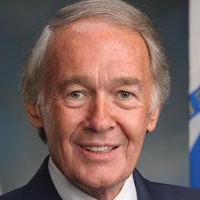
Edward Markey
Senator
MA
Edward Markey
Senator
MA
The Investing in Children Before Missiles (ICBM) Act pauses the costly and delayed Sentinel missile program due to significant cost overruns. This legislation redirects unspent funds earmarked for Sentinel and related warhead modifications directly to the Department of Education to support low-income students. Furthermore, the bill mandates an independent study on extending the life of the existing Minuteman III missiles until at least 2050, while also analyzing strategic alternatives.
This Act mandates that colleges and secondary schools establish and practice venue-specific emergency action plans for heat-related illnesses, along with promoting federal grants for prevention resources.

Angela Alsobrooks
Senator
MD
Angela Alsobrooks
Senator
MD
The Jordan McNair Student Athlete Heat Fatality Prevention Act mandates that colleges and secondary schools receiving federal aid develop and implement venue-specific emergency action plans to prevent and respond to heat-related illnesses. These comprehensive plans must be created in coordination with local emergency responders, include procedures for cold water immersion and AED use, and be practiced annually by all relevant personnel. Furthermore, the bill requires the promotion of federal grants to help educational institutions purchase necessary equipment and develop training programs for heat safety.
This bill restricts the use of federal law enforcement and military personnel for domestic crowd control, mandating clear identification and limiting their deployment to federal property unless specific conditions are met.

Jeff Merkley
Senator
OR
Jeff Merkley
Senator
OR
This Act restricts the deployment and actions of federal law enforcement and military personnel during domestic crowd control and protest situations. It mandates that all deployed personnel clearly display identifying information and prohibits the use of unmarked vehicles during civilian arrests at such events. Furthermore, the bill requires federal agencies to publicly report on the deployment of personnel for crowd control within 24 hours.
The EACH Act of 2025 mandates that all federally funded health programs and plans must cover abortion services and prohibits federal interference with state or private insurance coverage for abortion.

Tammy Duckworth
Senator
IL
Tammy Duckworth
Senator
IL
The EACH Act of 2025 mandates that all federally funded health programs and insurance plans must cover abortion services without imposing restrictions based on income or insurance type. This legislation aims to eliminate existing federal bans and state-level restrictions that prevent access to comprehensive reproductive care. Furthermore, the bill prevents the federal government from interfering with state or private insurance plans that choose to cover abortion services. It explicitly repeals Section 1303 of the Affordable Care Act and establishes that this Act takes precedence over all conflicting federal laws.
This resolution urges the Senate to provide advice and consent for the ratification of the United Nations Convention on the Law of the Sea (UNCLOS) to secure U.S. interests on the world's oceans.

Mazie Hirono
Senator
HI
Mazie Hirono
Senator
HI
This resolution calls upon the Senate to provide its advice and consent for the ratification of the United Nations Convention on the Law of the Sea (UNCLOS). It argues that joining this widely accepted international treaty is crucial for securing U.S. economic and security interests globally. Ratification would grant the U.S. a stronger voice in resolving maritime disputes and governing critical seabed resources. Ultimately, the resolution urges the Senate to make ratifying UNCLOS a top priority.
The ADAPT Act expands Medicare and provides guidance for state Medicaid/CHIP programs to cover mental health services furnished by advanced psychology trainees under general supervision.
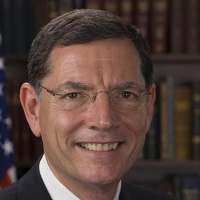
John Barrasso
Senator
WY
John Barrasso
Senator
WY
The Accelerating the Development of Advanced Psychology Trainees (ADAPT) Act expands Medicare coverage for mental health services provided by advanced psychology trainees under the general supervision of a licensed psychologist. This allows doctoral interns and postdoctoral residents to bill for services, improving access to care. The bill also directs the Secretary of Health and Human Services to issue guidance to states on covering these trainee services under Medicaid and CHIP.
This Act prohibits the Department of Homeland Security from sharing an individual's DACA application information with most law enforcement agencies, except in narrow circumstances related to fraud, national security, or felony investigations.
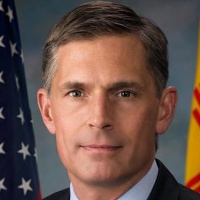
Martin Heinrich
Senator
NM
Martin Heinrich
Senator
NM
The Protect DREAMer Confidentiality Act of 2025 mandates that the Secretary of Homeland Security must keep all information submitted for the Deferred Action for Childhood Arrivals (DACA) program confidential. This law strictly prohibits sharing DACA application data with agencies like ICE, CBP, or local law enforcement for general immigration enforcement purposes. Information can only be disclosed narrowly for DACA program administration, fraud prevention, or in specific, serious criminal or national security investigations.
This concurrent resolution formally recognizes the health and safety emergency facing children due to the previous administration's fossil fuel promotion and suppression of climate science, demanding alignment with children's rights and climate stability goals.
Jeff Merkley
Senator
OR
Jeff Merkley
Senator
OR
This concurrent resolution formally recognizes a health and safety emergency disproportionately affecting children due to the previous administration's directives promoting fossil fuels and suppressing climate science. Congress asserts these policies increased greenhouse gas emissions, endangering children's fundamental constitutional rights to life and security. The resolution demands the reversal of policies that hindered clean energy and calls for federal actions to align with limiting CO2 to below 350 ppm this century to protect future generations.
This resolution urges the United States to lead a global effort to halt and reverse the nuclear arms race through negotiation, policy changes, and a commitment to a nuclear-weapon-free world.
Edward Markey
Senator
MA
Edward Markey
Senator
MA
This resolution urges the United States to take the lead in a global effort to halt and reverse the nuclear arms race. It calls on the President to prioritize negotiations with all nuclear-armed states to reduce arsenals and adopt a "no first use" policy. Furthermore, the bill demands significant domestic changes, including ending "hair-trigger" alert postures and investing in cleanup and support for affected communities. Ultimately, it advocates for verifiable steps toward a nuclear-weapon-free world.
This bill amends federal law to establish new restrictions, cooling-off periods, and public reporting requirements for donations made to Presidential Libraries and Centers.

Elizabeth Warren
Senator
MA
Elizabeth Warren
Senator
MA
This bill establishes new restrictions and transparency requirements for donations made to Presidential Libraries and Centers. It bans certain prohibited entities, such as lobbyists and foreign nationals, from donating while a President is in office or for two years after leaving. The legislation also imposes a $10,000 aggregate donation limit per person and mandates public quarterly reporting of all significant contributions.
The Asunción Valdivia Heat Illness, Injury, and Fatality Prevention Act of 2025 mandates that employers protect workers from heat stress and requires the Secretary to establish comprehensive, science-based worker heat protection standards with strict enforcement and reporting mechanisms.

Alejandro Padilla
Senator
CA
Alejandro Padilla
Senator
CA
The Asunción Valdivia Heat Illness, Injury, and Fatality Prevention Act of 2025 mandates that employers protect workers from dangerous heat stress conditions. This Act requires the Secretary (of Labor) to rapidly establish comprehensive, science-based worker heat protection standards, including mandatory rest, water, and shade provisions. Furthermore, it grants enforcement power to OSHA, ensuring these new heat safety rules carry the full weight of existing occupational safety law. The legislation also establishes strong anti-retaliation protections for employees who report heat hazards.
The Access to Birth Control Act mandates that pharmacies must promptly dispense or facilitate access to contraception and related medications, prohibiting interference or misinformation.
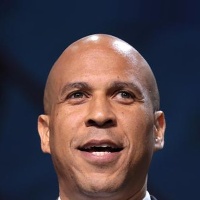
Cory Booker
Senator
NJ
Cory Booker
Senator
NJ
The Access to Birth Control Act aims to ensure that individuals can easily obtain FDA-approved contraception and related medications without systemic barriers. This legislation mandates that pharmacies must promptly dispense birth control or immediately facilitate a transfer or order if the item is out of stock. Furthermore, the bill prohibits intimidation, interference, or misleading information when customers seek these essential healthcare services.
This resolution expresses the Senate's view that the Trump Administration's drastic staff reductions, funding freezes, and agency dismantlements have harmed communities and increased costs for American families.

Jacky Rosen
Senator
NV
Jacky Rosen
Senator
NV
This Senate resolution expresses the view that the Trump Administration's drastic staff reductions, funding freezes, and agency dismantlements have harmed communities and increased costs for American families. It argues these actions disrupt essential services like healthcare, benefits, and research without targeting actual waste. The resolution calls for a shift in focus toward protecting families, lowering costs, and supporting veterans, research, and small businesses.
This resolution expresses support for designating June 2025 as National Post-Traumatic Stress Awareness Month and June 27, 2025, as National Post-Traumatic Stress Awareness Day to raise awareness and reduce the stigma surrounding PTS among service members and veterans.
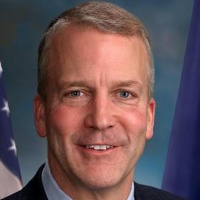
Dan Sullivan
Senator
AK
Dan Sullivan
Senator
AK
This resolution expresses support for designating June 2025 as "National Post-Traumatic Stress Awareness Month" and June 27, 2025, as "National Post-Traumatic Stress Awareness Day." The goal is to raise public awareness, combat the stigma surrounding Post-Traumatic Stress (PTS), and encourage timely treatment for service members and veterans. It recognizes the significant impact of combat stress and supports ongoing efforts by the DoD and VA to educate the public and improve care.
The Child Care for Working Families Act establishes federal entitlements and grants to guarantee access to affordable, high-quality child care and universal preschool while mandating significant wage increases for early childhood educators.
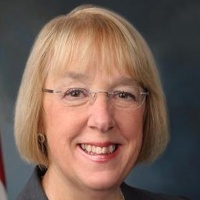
Patty Murray
Senator
WA
Patty Murray
Senator
WA
The Child Care for Working Families Act establishes comprehensive federal programs to guarantee access to high-quality, affordable child care for young children of working families. It mandates significant investments to stabilize the child care workforce by requiring higher provider pay and sets strict caps on costs for parents based on income. Additionally, the bill creates a framework for universal, free preschool for three- and four-year-olds and extends service hours and raises compensation for Head Start staff.
This bill authorizes the creation and sale of commemorative coins for the 2028 Los Angeles Olympic and Paralympic Games and the 2034 Salt Lake City Winter Olympic and Paralympic Games to help fund their hosting and legacy programs.
Alejandro Padilla
Senator
CA
Alejandro Padilla
Senator
CA
This Act authorizes the creation and sale of commemorative coins to celebrate the upcoming 2028 Summer Olympic and Paralympic Games in Los Angeles and the 2034 Winter Olympic and Paralympic Games in Salt Lake City. The Secretary of the Treasury is empowered to mint various denominations of gold, silver, and clad coins for each event, with designs reflecting American participation. A mandatory surcharge on each coin sold will directly fund the respective organizing committees for the Games and their legacy programs, provided the government recovers all minting costs first.
This resolution officially designates July 2025 as "Plastic Pollution Action Month" to raise awareness and encourage national efforts to combat the growing crisis of plastic waste.
Jeff Merkley
Senator
OR
Jeff Merkley
Senator
OR
This resolution officially designates July 2025 as "Plastic Pollution Action Month" to raise national awareness about the growing crisis of plastic pollution. It acknowledges the severe environmental and health risks posed by plastic waste, including its impact on wildlife and human bodies. The measure encourages individuals and communities across the United States to actively participate in efforts to reduce, reuse, and clean up plastic pollution during this designated month.
This resolution expresses support for designating July 10, 2025, as Journeyman Lineworkers Recognition Day to honor their critical, often dangerous, service to the nation's power grid.

Catherine Cortez Masto
Senator
NV
Catherine Cortez Masto
Senator
NV
This resolution expresses support for designating July 10, 2025, as Journeyman Lineworkers Recognition Day. It honors the critical, often dangerous work these essential employees perform to maintain the nation's power grid 24/7. The day commemorates their service, especially during emergencies, and recognizes the sacrifice of those who have lost their lives in the line of duty.
This resolution recognizes climate change as a public health crisis and calls for coordinated federal action, primarily through HHS, to mitigate its impacts, support vulnerable communities, and strengthen the healthcare sector's resilience.
Edward Markey
Senator
MA
Edward Markey
Senator
MA
This resolution recognizes that climate change is a growing public health crisis in the United States, causing increased illness, mental health strain, and disproportionate harm to vulnerable populations. It calls for coordinated federal action, primarily through the Department of Health and Human Services (HHS), to bolster the healthcare sector's climate readiness and ensure equitable distribution of resources. The bill also directs agencies to improve data sharing, restore key climate and equity offices, and mandates the Department of Labor to establish strong worker heat protection standards.
This concurrent resolution officially recognizes Black Women's Equal Pay Day to highlight the significant and persistent wage disparity Black women face compared to White, non-Hispanic men.

Lisa Blunt Rochester
Senator
DE
Lisa Blunt Rochester
Senator
DE
This concurrent resolution officially recognizes the significance of equal pay and highlights the persistent wage disparity faced by Black women compared to White, non-Hispanic men. It designates July 10, 2025, as Black Women's Equal Pay Day to draw attention to the economic losses caused by this gap. The resolution underscores that closing this disparity is vital for the economic stability and wealth-building of Black women and their families.