
Legislative Activity
Track Shri's sponsored bills, co-sponsored legislation, and voting record
This act ensures and expands Medicare coverage for mental and behavioral health services provided through telehealth, effective retroactively to 2021.

Doris Matsui
Representative
CA
Doris Matsui
Representative
CA
The Telemental Health Care Access Act of 2025 updates Medicare rules to ensure comprehensive coverage for mental and behavioral health services delivered via telehealth. This legislation clarifies and expands the scope of telehealth coverage under Medicare for these essential services. Furthermore, it removes previous restrictions, making the expanded coverage effective retroactively to the Consolidated Appropriations Act of 2021.
This Act establishes new procedures for Federal Firearms Licensees when background checks are delayed, mandates reporting on delayed and denied transfers, and removes a specific time limit from existing background check law.

James Clyburn
Representative
SC
James Clyburn
Representative
SC
The Enhanced Background Checks Act of 2025 reforms federal firearm background check procedures, establishing a formal petition process for buyers when the system delays a decision beyond 10 business days. This bill removes the previous 10-day time limit on background checks under the Brady Act while mandating extensive reporting from the GAO and FBI on the effectiveness and outcomes of these delayed transfers. Furthermore, the Attorney General must report on the law's impact on domestic violence victims within 150 days of enactment.
The ADINA Act mandates that drugs containing major food allergens or ingredients derived from gluten-containing grains must clearly display this information on their labels.
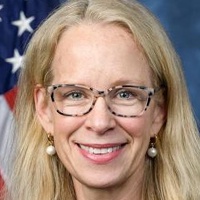
Kelly Morrison
Representative
MN
Kelly Morrison
Representative
MN
The ADINA Act mandates that prescription and over-the-counter drugs must clearly label if they contain ingredients derived from major food allergens or gluten-containing grains. This new requirement aims to protect consumers by ensuring transparency regarding potential allergens in medications. Drugs failing to include this specific warning will be considered misbranded under federal law.
The Elder Pride Protection Act of 2025 establishes an Attorney General-led task force to combat abuse specifically targeting older LGBTQI+ individuals through investigation, guideline development, and training.
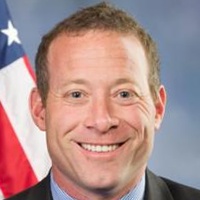
Josh Gottheimer
Representative
NJ
Josh Gottheimer
Representative
NJ
The Elder Pride Protection Act of 2025 establishes the ELDER Task Force within the Department of Justice to combat abuse targeting older LGBTQI+ individuals. This group is charged with studying the causes of this abuse, developing national best practices, and creating training materials for law enforcement. The Task Force must report its findings and progress to Congress within one year of the Act's enactment.
The TRACE Act mandates that firearms receive a second, hidden serial number, extends the retention period for background check records, requires licensed dealers to conduct physical inventory checks, and removes certain spending limitations on the ATF.

Mike Quigley
Representative
IL
Mike Quigley
Representative
IL
The TRACE Act mandates that all newly manufactured firearms include a second, hidden serial number, either internally or visible only under infrared light. It also extends the retention period for instant criminal background check records to 180 days and requires licensed dealers to conduct regular physical inventories of their firearms. Finally, the bill removes several past budgetary limitations placed on the Bureau of Alcohol, Tobacco, Firearms and Explosives (ATF).
The Don't Miss Your Flight Act establishes a grant program to fund infrastructure improvements connecting to public airports to reduce traffic and increase access.

Steve Cohen
Representative
TN
Steve Cohen
Representative
TN
The "Don't Miss Your Flight Act" establishes a new grant program managed by the Secretary of Transportation to fund infrastructure improvements connecting to public airports. These grants aim to reduce traffic, increase capacity, and improve access roads, rail, or transit lines within five miles of an airport. Funding is specifically allocated to benefit large and medium hub airports, drawing $1 billion annually from the Highway Trust Fund between 2027 and 2031.
This Act mandates comprehensive, no-cost-sharing coverage for prenatal, childbirth, neonatal, perinatal, and postpartum health care under the Affordable Care Act.

Jared Golden
Representative
ME
Jared Golden
Representative
ME
The Supporting Healthy Moms and Babies Act mandates that essential health benefits under the ACA must comprehensively cover prenatal, childbirth, neonatal, perinatal, and postpartum care for one full year. This legislation explicitly bans all cost-sharing, including copays and deductibles, for these essential maternity and newborn health services. The bill ensures robust coverage, including specific requirements like mandatory ultrasounds and mental health services for new parents.
This bill removes certain numerical caps on specific employment-based immigrant visas to better allocate green cards.
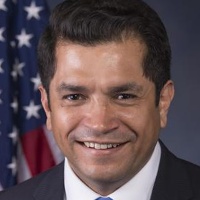
Jimmy Gomez
Representative
CA
Jimmy Gomez
Representative
CA
The Protect Vulnerable Immigrant Youth Act aims to reform employment-based immigration by eliminating certain numerical caps for specific visa categories. This legislation amends existing law to adjust how preference statuses are allocated for these immigrant visas. The overall goal is to streamline the process for certain employment-based immigrants.
The Farmers Feeding America Act of 2025 updates funding rules, increases financial support for storage and infrastructure, and provides flexible food procurement options for geographically isolated states within the Emergency Food Assistance Program.
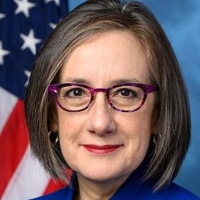
Andrea Salinas
Representative
OR
Andrea Salinas
Representative
OR
The Farmers Feeding America Act of 2025 aims to strengthen the Emergency Food Assistance Program (TEFAP) by updating funding rules based on 2030 data and mandating $500 million in annual funding from 2026 through 2030. The bill doubles funding for food storage and distribution costs to $200 million and extends infrastructure grant eligibility until 2030. Furthermore, it establishes new flexibility for geographically isolated states, allowing them alternative methods for receiving or purchasing necessary food commodities.
The PROTECT Act of 2025 grants Tribal courts authority to issue warrants under the Stored Communications Act, expands Tribal court jurisdiction over certain drug and gun offenses, and includes offenders under this new jurisdiction in the Bureau of Prisons Tribal Prisoner Program.
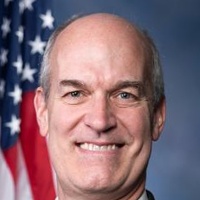
Rick Larsen
Representative
WA
Rick Larsen
Representative
WA
The PROTECT Act of 2025 enhances Tribal sovereignty by formally recognizing Tribal courts as competent jurisdictions under federal laws governing electronic data requests, such as the Stored Communications Act. It also expands the scope of offenses over which Tribal courts have jurisdiction, specifically including defined controlled substance and firearms offenses on Tribal lands. Furthermore, the bill ensures that offenders convicted under this expanded Tribal jurisdiction can participate in the Bureau of Prisons Tribal Prisoner Program.
The Pride In Mental Health Act of 2025 establishes grants and federal initiatives to improve mental health services and research specifically for LGBTQ+ youth while explicitly prohibiting the use of funds for conversion therapy.
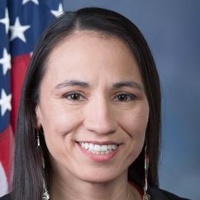
Sharice Davids
Representative
KS
Sharice Davids
Representative
KS
The Pride In Mental Health Act of 2025 establishes a new grant program to improve mental health and substance abuse outcomes for LGBTQ+ youth through culturally competent care and resource development. These grants strictly prohibit funding for conversion therapy practices. The bill also mandates federal data collection on LGBTQ+ youth mental health and requires a report on the needs of those in foster care.
The Don’t Settle for Bribes Act of 2025 immediately pauses all civil lawsuits against presidential candidates, the President-elect, and the sitting President, including their immediate family and related business interests, until their term or election challenge concludes.
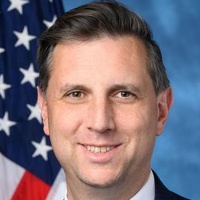
Seth Magaziner
Representative
RI
Seth Magaziner
Representative
RI
The "Don’t Settle for Bribes Act of 2025" mandates an immediate pause on all civil lawsuits against a sitting President, President-elect, or presidential candidate until their term or election status concludes. This restriction also extends to the immediate family members and certain business entities controlled by the President or their family. Furthermore, the statute of limitations for any paused lawsuit will be tolled until the presidential stay is lifted.
This act updates WIC terminology and mandates the development of specialized nutrition education and outreach for participants affected by substance use disorder.
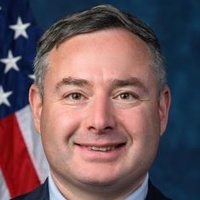
Eugene Vindman
Representative
VA
Eugene Vindman
Representative
VA
The Supporting Healthy Mothers and Infants Act of 2025 updates the WIC program by replacing outdated terminology with "substance use disorder." This legislation mandates the development of specialized, evidence-based nutrition education materials for WIC participants affected by substance use disorder. Furthermore, it requires the Secretary of Agriculture to actively reach out to and support these families through training and resource sharing. The Act authorizes $1 million for fiscal year 2026 to implement these new support activities.
The POST GRAD Act reinstates the government's authority to issue Federal Direct Stafford Loans to graduate and professional students until June 30, 2025, without requiring standard rulemaking procedures.
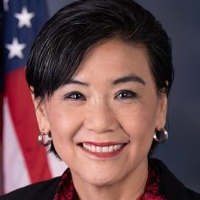
Judy Chu
Representative
CA
Judy Chu
Representative
CA
The POST GRAD Act reinstates the government's authority to issue Federal Direct Stafford Loans to graduate and professional students through June 30, 2025. This legislation amends existing law to extend the availability of these federal loans. Furthermore, the Act allows these changes to take effect immediately by exempting them from standard federal rulemaking and public comment requirements.
This Act requires federal agencies to write contract opportunity notices for small businesses in clear, plain language on the main government website.
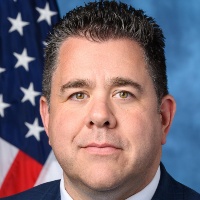
Nicolas LaLota
Representative
NY
Nicolas LaLota
Representative
NY
The Plain Language in Contracting Act requires federal agencies to write contract opportunity notices for small businesses in a clear, concise, and easily understandable manner. This ensures small businesses can quickly find and comprehend relevant government contract postings on the main federal website. The Small Business Administration is tasked with establishing the rules to implement these clarity standards.
This act mandates that FHA loan disclosures include comparable VA loan information and requires lenders to ask about military service on standard loan applications.
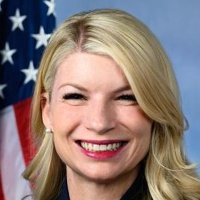
Brittany Pettersen
Representative
CO
Brittany Pettersen
Representative
CO
The VA Loan Informed Disclosure Act of 2025 (VALID Act) aims to increase awareness of VA loan options among homebuyers. It requires lenders to include comparative information about potential VA loan terms on standard FHA disclosure forms. Furthermore, the Act mandates that the Uniform Residential Loan Application include a prominent question regarding the applicant's military service.
This bill establishes an FBI Animal Cruelty Crimes Taskforce to investigate federal animal cruelty laws, train local law enforcement, and report annually to Congress on enforcement efforts.
Josh Gottheimer
Representative
NJ
Josh Gottheimer
Representative
NJ
The FBI Animal Cruelty Taskforce Act of 2025 establishes a dedicated Animal Cruelty Crimes Taskforce within the FBI to investigate and enforce federal laws against severe animal cruelty, such as dogfighting and crush videos. This Taskforce is also responsible for developing training materials for local law enforcement. Furthermore, it must coordinate with other federal agencies and submit annual reports to Congress detailing enforcement statistics, including charges filed and convictions secured.
The JUST Act of 2025 mandates accountability for USDA civil rights misconduct, establishes a Senate-confirmed Assistant Secretary for Civil Rights, creates an independent Ombudsperson's office, and shifts the burden of proof in related appeals hearings.
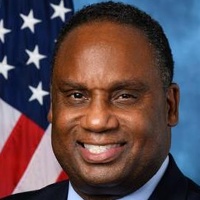
Jonathan Jackson
Representative
IL
Jonathan Jackson
Representative
IL
The JUST Act of 2025 aims to significantly strengthen civil rights accountability and transparency within the USDA. It establishes a new, Senate-confirmed Assistant Secretary for Civil Rights to oversee compliance and creates an independent Office of the Civil Rights Ombudsperson to assist program participants. Furthermore, the bill mandates disciplinary action for employee misconduct and shifts the burden of proof in agency appeal hearings to the USDA.
The Fair and Equal Housing Act of 2025 updates the Fair Housing Act to explicitly prohibit discrimination based on sexual orientation and gender identity, and expands protections against discrimination based on association or perceived identity.
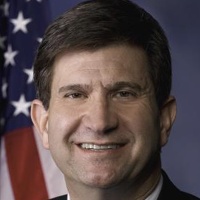
Bradley Schneider
Representative
IL
Bradley Schneider
Representative
IL
The Fair and Equal Housing Act of 2025 significantly updates existing fair housing laws to explicitly prohibit discrimination based on sexual orientation and gender identity. This legislation broadens protections to cover discrimination based on association or perceived association with protected groups. Furthermore, it strengthens anti-intimidation measures related to these newly defined protected characteristics in housing matters.
This resolution expresses strong support for designating June 6, 2025, as National Gun Violence Awareness Day and June 2025 as National Gun Violence Awareness Month to honor victims and promote awareness.
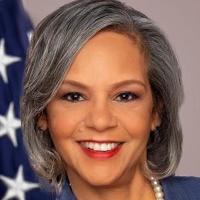
Robin Kelly
Representative
IL
Robin Kelly
Representative
IL
This resolution expresses strong support for designating June 6, 2025, as "National Gun Violence Awareness Day" and June 2025 as "National Gun Violence Awareness Month." It highlights the devastating scale of gun violence in the U.S., recognizing the thousands of annual deaths and injuries across all demographics. The bill encourages Americans to wear orange on the designated day to honor victims and promote increased awareness and community action regarding gun safety.