Legislative Activity
Track Shri's sponsored bills, co-sponsored legislation, and voting record
This Act establishes a National Science Foundation grant program to create non-traditional STEM apprenticeship programs and mandates an interagency task force to review existing federal STEM career development efforts.
Luz Rivas
Representative
CA
Luz Rivas
Representative
CA
The STEM Pathways for the Future Act establishes a new competitive grant program through the National Science Foundation (NSF) to create and improve STEM apprenticeship programs outside of traditional four-year colleges. This legislation prioritizes funding for community colleges and minority-serving institutions to develop these pathways. Additionally, it mandates the creation of a temporary interagency task force to review and report on existing federal STEM career development programs.
The Community Paramedicine Act of 2025 establishes a grant program administered by HRSA to fund specially trained paramedics providing mobile healthcare services, particularly in rural and Tribal communities.
Emanuel Cleaver
Representative
MO
Emanuel Cleaver
Representative
MO
The Community Paramedicine Act of 2025 establishes a new grant program administered by HRSA to support specially trained paramedics providing mobile healthcare services outside of emergency calls, primarily in rural areas. Eligible non-profit entities can apply for up to $\$1.5$ million over five years to fund staffing, equipment, training, and medical oversight for these patient-centered services. The bill specifically reserves a portion of funding for Tribal community programs and requires rigorous reporting on program outcomes.
This bill establishes a comprehensive "Domestic Workers Bill of Rights" to extend federal labor protections, including overtime, paid sick leave, and anti-discrimination coverage, to domestic employees while creating a standards board to advise on future working conditions.
Pramila Jayapal
Representative
WA
Pramila Jayapal
Representative
WA
The Domestic Workers Bill of Rights Act seeks to significantly expand labor protections for domestic employees by bringing them under standard federal laws, including eligibility for overtime pay and mandated paid sick leave. The bill establishes written employment agreements, sets clear privacy boundaries for workers in private homes, and creates a Standards Board to recommend ongoing improvements to wages and benefits. Furthermore, it establishes enforcement mechanisms and temporarily increases federal Medicaid funding for in-home care services to help offset compliance costs.
This act exempts qualifying small businesses from special import duties or fees imposed by the President during a declared national emergency.
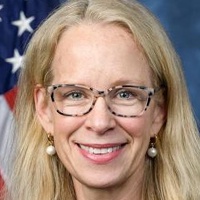
Kelly Morrison
Representative
MN
Kelly Morrison
Representative
MN
The Small Business Liberation Act exempts qualifying small businesses from special duties or fees imposed by the President following a national emergency declaration. This provision ensures that small businesses are not burdened by extra import costs triggered during times of national crisis.
This bill directs HUD and the Census Bureau to study and report on how federal agencies identify and record various forms of housing loss across the United States.
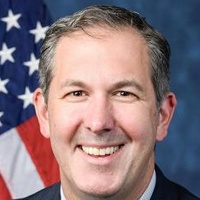
Johnny Olszewski
Representative
MD
Johnny Olszewski
Representative
MD
This bill directs the Secretary of Housing and Urban Development and the Director of the Census Bureau to conduct a comprehensive study on how federal agencies currently identify and record various forms of housing loss in the United States. The resulting report must define different types of housing loss, identify current data collection methods, and recommend improvements for federal tracking. The goal is to enhance the government's ability to accurately count and understand involuntary displacement since 2022.
This bill requires colleges receiving federal funding to proactively notify work-study and Pell Grant-eligible students about their potential eligibility for the Supplemental Nutrition Assistance Program (SNAP).
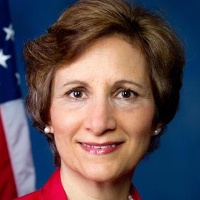
Suzanne Bonamici
Representative
OR
Suzanne Bonamici
Representative
OR
The Opportunity To Address College Hunger Act requires colleges receiving federal funding to proactively notify students receiving Federal work-study assistance about their potential eligibility for the Supplemental Nutrition Assistance Program (SNAP). This notification must include official documentation proving work-study status to help students meet SNAP eligibility exceptions. The goal is to streamline the process for food-insecure students to access federal nutrition benefits.
This Act establishes a comprehensive, federally funded grant program to support evidence-based violence prevention and trauma-informed support for high-risk youth in schools located in high-violence communities.
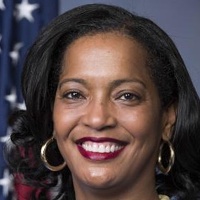
Jahana Hayes
Representative
CT
Jahana Hayes
Representative
CT
The School Violence Prevention Act establishes a new, comprehensive grant program to fund evidence-based violence prevention initiatives in high-risk communities. These grants will support partnerships between schools and community organizations to implement trauma-informed programs focused on youth development, social skills, and connecting students with mental health resources. The bill mandates rigorous evaluation of these programs to measure their impact on student success and overall community safety.
The FIGHT Act of 2025 strengthens federal prohibitions against animal fighting, enhances enforcement mechanisms, and allows citizens to sue violators of animal fighting provisions.
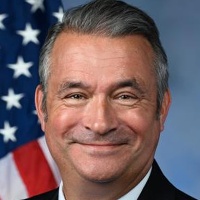
Don Bacon
Representative
NE
Don Bacon
Representative
NE
The FIGHT Act of 2025 significantly strengthens federal prohibitions against animal fighting ventures, specifically targeting the sponsorship, exhibition, and gambling associated with these events. This legislation clarifies the definition of a rooster for legal purposes and bans the interstate transport of roosters for fighting. Furthermore, it empowers private citizens to file lawsuits against violators, allowing for civil penalties and the potential seizure of property used to facilitate illegal animal fighting.
This resolution urges the establishment of a United States Commission on Truth, Racial Healing, and Transformation to acknowledge historical racial injustices and promote national healing and equity.
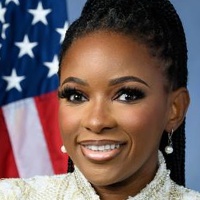
Jasmine Crockett
Representative
TX
Jasmine Crockett
Representative
TX
This resolution urges the establishment of a United States Commission on Truth, Racial Healing, and Transformation to formally acknowledge the nation's history of systemic racial injustice. The proposed commission would memorialize this history and serve as a catalyst for eliminating persistent racial inequities. It is intended to complement, not replace, efforts focused on reparations.
The PHARA Act of 2025 mandates the immediate release of existing NIH grant funding, requires termination clauses in future agreements, and prohibits the NIH from ending funding solely due to shifting agency priorities.
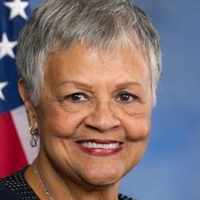
Bonnie Watson Coleman
Representative
NJ
Bonnie Watson Coleman
Representative
NJ
The PHARA Act of 2025 mandates the immediate release of all existing National Institutes of Health (NIH) grant funding and prohibits the cancellation of active research agreements. Moving forward, all new NIH grant agreements must include specific termination clauses requiring a 90-day notice and good-faith negotiation before ending the funding. Furthermore, this Act explicitly prevents the NIH from terminating agreements solely because the research no longer aligns with current agency goals or priorities.
This Act establishes an interagency task force and mandates annual studies by the USCCR to address systemic disparities and recommend policy improvements for Black women and girls across education, economics, healthcare, justice, and housing.
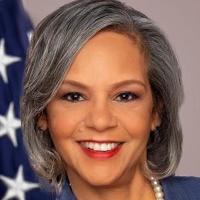
Robin Kelly
Representative
IL
Robin Kelly
Representative
IL
The Protect Black Women and Girls Act establishes a new federal Interagency Task Force, led by the Attorney General, to examine and recommend policy improvements across education, economic development, healthcare, justice, and housing for Black women and girls. Additionally, the bill mandates the U.S. Commission on Civil Rights to conduct annual studies on critical issues impacting this demographic, including violence, incarceration rates, and health disparities. The legislation aims to coordinate federal efforts and gather data to address systemic challenges and improve outcomes for Black women and girls nationwide.
This Act mandates that U.S. Immigration and Customs Enforcement (ICE) agents operating within the United States must clearly display their name and agency affiliation and cannot wear facial coverings, with limited exceptions subject to supervisory review.
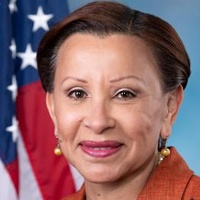
Nydia Velázquez
Representative
NY
Nydia Velázquez
Representative
NY
The No Anonymity in Immigration Enforcement Act of 2025 mandates that U.S. Immigration and Customs Enforcement (ICE) agents conducting domestic enforcement operations must clearly display their name and agency affiliation, and cannot wear facial coverings. Exceptions to this identification rule are permitted only in cases of immediate danger or necessary safety gear, subject to supervisory review within 48 hours. The bill also establishes disciplinary procedures for non-compliance and requires annual reporting to Congress on enforcement and complaints.
This resolution expresses Congressional support for designating June 2025 as "Black Music Month" to recognize the profound cultural impact and historical significance of music created by Black Americans.
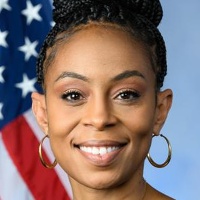
Shontel Brown
Representative
OH
Shontel Brown
Representative
OH
This resolution formally expresses Congressional support for designating June 2025 as "Black Music Month." It recognizes the profound and foundational cultural impact of Black artists across all American music genres, from spirituals to hip-hop. The bill encourages the nation to actively celebrate this rich heritage through educational programs and public acknowledgment. Ultimately, it honors the creators whose work reflects the American experience and promotes diversity through music.
This Act permanently protects inventoried roadless areas within the National Forest System from new road construction and logging, upholding existing federal "Roadless Rule" prohibitions.
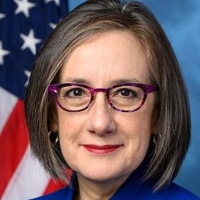
Andrea Salinas
Representative
OR
Andrea Salinas
Representative
OR
The Roadless Area Conservation Act of 2025 aims to provide lasting protection for inventoried roadless areas within the National Forest System. This legislation codifies existing federal regulations, known as the "Roadless Rule," which generally prohibits the construction of new roads or the cutting of timber in these sensitive zones. The purpose is to safeguard critical ecological benefits, clean water sources, and wildlife habitats while maintaining the Forest Service's multiple-use management mission.
The My Body, My Data Act of 2025 establishes strict limits on the collection, use, and sharing of personal reproductive and sexual health information, while granting individuals robust rights to access, correct, and delete their sensitive data.
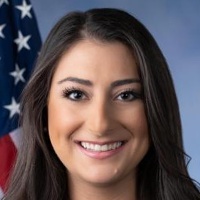
Sara Jacobs
Representative
CA
Sara Jacobs
Representative
CA
The My Body, My Data Act of 2025 establishes strict federal protections for personal reproductive and sexual health information held by regulated entities. This law limits data collection and sharing to only what is strictly necessary for providing requested services. It grants individuals the rights to access, correct, and delete this sensitive data, and requires clear public privacy policies detailing data handling practices. Finally, the Act prohibits retaliation against individuals who exercise these new privacy rights and grants enforcement authority to the FTC while allowing individuals to sue violators.
The Runaway and Homeless Youth and Trafficking Prevention Act of 2025 updates federal programs to enhance support, prevention, and data collection for runaway, homeless, and trafficked youth through updated grant requirements and service mandates.
Suzanne Bonamici
Representative
OR
Suzanne Bonamici
Representative
OR
The Runaway and Homeless Youth and Trafficking Prevention Act of 2025 updates federal programs to better support and protect runaway, homeless, and trafficked youth. This legislation modernizes grant programs to ensure services are trauma-informed, culturally sensitive, and address critical needs like housing, education, and mental health. It also expands communication channels to include online outreach and strengthens coordination across federal agencies to combat youth homelessness and exploitation.
This bill establishes minimum and emergency staffing requirements for the Low-Income Home Energy Assistance Program (LIHEAP) and limits the use of contractors.
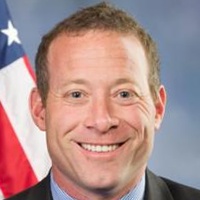
Josh Gottheimer
Representative
NJ
Josh Gottheimer
Representative
NJ
The LIHEAP Staffing Support Act establishes minimum staffing requirements for the Low-Income Home Energy Assistance Program (LIHEAP) to ensure effective program administration. It mandates a baseline of at least 20 dedicated employees, with limits on contractor usage during normal operations. Furthermore, the bill requires an emergency staffing boost to at least 30 employees within 45 days of declaring an energy crisis.
This Act mandates that most private firearm transfers must go through a licensed dealer to ensure background checks are performed on all purchasers.
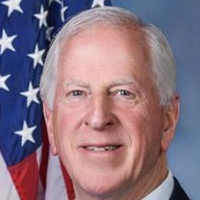
Mike Thompson
Representative
CA
Mike Thompson
Representative
CA
The Bipartisan Background Checks Act of 2025 aims to strengthen existing federal background check systems to prevent prohibited persons from acquiring firearms. This bill primarily mandates that most private firearm transfers must be facilitated through a licensed dealer who will conduct a background check. The legislation includes specific exceptions for family gifts, law enforcement, and temporary transfers under emergency circumstances.
This resolution expresses the House's sense that the U.S. must take urgent, coordinated action to address the national housing crisis through the preservation and production of affordable housing.
Shontel Brown
Representative
OH
Shontel Brown
Representative
OH
This resolution declares the severe lack of affordable housing a national crisis requiring urgent, coordinated action. It calls upon federal, state, and local governments, alongside private and nonprofit partners, to prioritize the production of new affordable units and the preservation of existing ones. The bill emphasizes the need for smart policies that encourage building, protect tenants, and ensure housing stability for all Americans.
The Community TEAMS Act of 2025 establishes grants for medical schools to partner with rural and underserved health facilities to expand community-based clinical training for medical students.
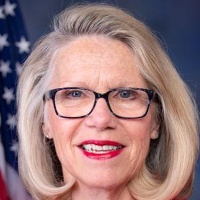
Carol Miller
Representative
WV
Carol Miller
Representative
WV
The Community TEAMS Act of 2025 establishes new federal grants to fund partnerships between medical schools and local health facilities in rural and medically underserved communities. These grants aim to expand clinical training opportunities for medical students in high-need areas. The ultimate goal is to encourage these students to establish long-term medical practices within those communities after graduation.