Legislative Activity
Track Shri's sponsored bills, co-sponsored legislation, and voting record
This bill reauthorizes and extends funding for the Special Diabetes Program for Indians through fiscal year 2030 at an annual level of $160 million.
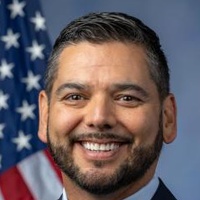
Raul Ruiz
Representative
CA
Raul Ruiz
Representative
CA
This bill, the Special Diabetes Program for Indians Reauthorization Act of 2025, ensures continued funding for critical diabetes programs serving Native American communities. It extends the authorization for the Special Diabetes Program for Indians through fiscal year 2030. The legislation secures an annual appropriation of \$160 million for these essential services through that period.
This bill mandates that federally funded higher education institutions update their harassment policies to explicitly cover technology-facilitated harassment and establishes a competitive grant program to fund anti-harassment initiatives.
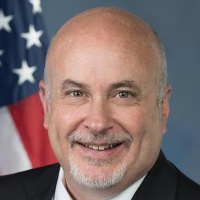
Mark Pocan
Representative
WI
Mark Pocan
Representative
WI
The Tyler Clementi Higher Education Anti-Harassment Act of 2025 mandates that colleges receiving federal funds update their policies to explicitly prohibit and detail procedures for addressing harassment based on protected characteristics, including technology-facilitated abuse. The bill also establishes a competitive grant program, funded up to $50 million annually, to support campus efforts in harassment prevention, training, and support services. This legislation adds new requirements without superseding existing civil rights protections.
The Michelle Alyssa Go Act revises the Medicaid definition of an "institution for mental diseases" to allow federal funding for smaller mental health facilities (36 beds or less) that meet specific federal quality standards.

Dan Goldman
Representative
NY
Dan Goldman
Representative
NY
The Michelle Alyssa Go Act revises the definition of an "institution for mental diseases" under Medicaid to allow federal funding for smaller facilities. Specifically, it excludes mental health facilities with 36 beds or fewer from the IMD exclusion if they meet specific, evidence-based quality standards set by the Secretary of Health and Human Services. This change aims to increase access to care by making smaller, qualified treatment centers eligible for Medicaid reimbursement.
This House resolution strongly condemns all forms of political violence and demands an end to dehumanizing rhetoric against political opponents.
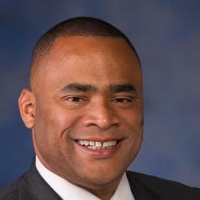
Marc Veasey
Representative
TX
Marc Veasey
Representative
TX
This House Resolution strongly condemns all forms of political violence and threats against elected officials and public figures, regardless of political affiliation. It affirms that disagreements must be resolved through peaceful and democratic means, not intimidation or force. The resolution urges law enforcement to prosecute those who commit or encourage such violence. Finally, it calls on all leaders to cease using dehumanizing rhetoric and promote civil discourse.
This bill establishes a mechanism to ensure the Federal Aviation Administration remains funded and operational during a lapse in appropriations.
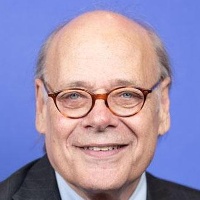
Steve Cohen
Representative
TN
Steve Cohen
Representative
TN
The Aviation Funding Stability Act of 2025 establishes an automatic mechanism to ensure the Federal Aviation Administration (FAA) remains funded during a lapse in appropriations. This allows the FAA to continue essential operations using existing funds from the Airport and Airway Trust Fund until a new budget or continuing resolution is enacted. Funding will cease after 30 days if no new appropriations are passed. This ensures continuity for core FAA programs, including operations, infrastructure, and grants.
The SHINE for Autumn Act of 2025 establishes federal grants for states to improve stillbirth surveillance, data collection, and risk factor research while mandating the development of standardized educational guidelines on stillbirth.

Young Kim
Representative
CA
Young Kim
Representative
CA
The SHINE for Autumn Act of 2025 aims to significantly improve federal support for state-level stillbirth research and data collection. It authorizes grants for states to enhance surveillance, track risk factors, and build local capacity for analyzing stillbirth data, provided the information remains de-identified. Furthermore, the bill mandates the development of standardized guidelines and educational materials regarding stillbirth awareness and risk factors, developed in consultation with experts and bereaved families.
This bill amends the Social Security Act to provide Medicare coverage for FDA-approved multi-cancer early detection screening tests starting in 2028.
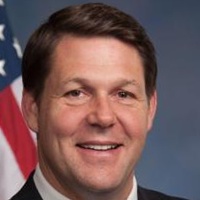
Jodey Arrington
Representative
TX
Jodey Arrington
Representative
TX
The Nancy Gardner Sewell Medicare Multi-Cancer Early Detection Screening Coverage Act amends the Social Security Act to provide Medicare Part B coverage for multi-cancer early detection screening tests starting January 1, 2028. This legislation establishes clear criteria for qualifying tests and outlines payment structures to ensure beneficiaries have access to these advanced diagnostic tools. Importantly, this coverage is designed to complement, rather than replace, existing Medicare-covered cancer screenings.
This constitutional amendment grants Congress and the states the authority to regulate campaign contributions and expenditures, and to establish public financing systems for political campaigns.
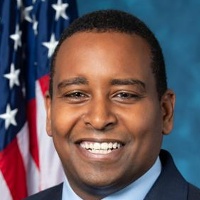
Joe Neguse
Representative
CO
Joe Neguse
Representative
CO
This constitutional amendment seeks to grant Congress and the states the authority to regulate contributions and expenditures in political campaigns. It specifically allows for the establishment of public financing systems to offset the influence of private money in elections. The amendment ensures that any regulations enacted must not infringe upon the freedom of the press.
This bill mandates dedicated, funded resources for specialized 988 Suicide Prevention Lifeline services for LGBTQ+ youth.
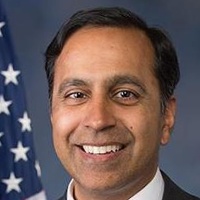
Raja Krishnamoorthi
Representative
IL
Raja Krishnamoorthi
Representative
IL
The **988 LGBTQ+ Youth Access Act of 2025** addresses the high rates of suicide risk among LGBTQ youth by strengthening specialized support through the national crisis hotline. This bill mandates that dedicated resources and services, such as a specific dialing option, must be maintained for LGBTQ individuals contacting 988. Furthermore, it requires that at least 9 percent of appropriated funds for the hotline be specifically reserved to ensure these specialized services for LGBTQ youth remain fully operational.
This Act amends the Fair Housing Act to prohibit discrimination in housing based on source of income, veteran status, or military status.
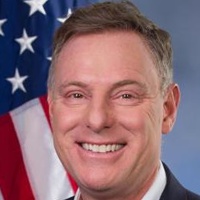
Scott Peters
Representative
CA
Scott Peters
Representative
CA
The Fair Housing Improvement Act of 2025 amends the Fair Housing Act to prohibit discrimination in housing based on source of income, veteran status, and military status. This expansion ensures that landlords cannot deny housing based on factors like the use of housing vouchers or military service. The Act also strengthens existing prohibitions against intimidation related to these newly protected statuses.
This bill significantly increases federal funding for state and local wetlands protection programs and raises the authorization cap for state water pollution control management assistance through 2030.
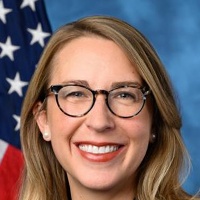
Hillary Scholten
Representative
MI
Hillary Scholten
Representative
MI
The Federal-State Partnership for Clean Water Act of 2025 significantly increases federal funding authorizations to support state and local efforts in water quality management. This bill boosts dedicated funding for wetlands protection and restoration programs through 2030, guaranteeing a minimum of \$100 million annually for state and local initiatives. Additionally, it authorizes \$500 million annually through 2030 to assist states in managing their core water pollution control programs.
This resolution expresses support for and officially designates September 17, 2025, as "Constitution Day" to honor the foundational document as the 250th anniversary approaches.
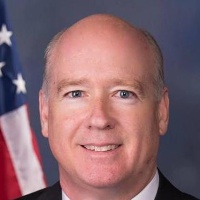
Robert Aderholt
Representative
AL
Robert Aderholt
Representative
AL
This resolution expresses strong support for and officially designates **September 17, 2025, as "Constitution Day."** It recognizes the profound historical importance of the U.S. Constitution as the nation approaches its 250th anniversary. The measure encourages all Americans to observe the day with suitable ceremonies reflecting on the freedoms and responsibilities the document grants.
The FAMILY Act establishes a national paid family and medical leave insurance program administered by the Social Security Administration, providing benefits for caregiving related to serious health conditions or victims of violence.
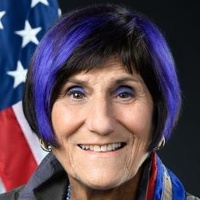
Rosa DeLauro
Representative
CT
Rosa DeLauro
Representative
CT
The FAMILY Act establishes a national Paid Family and Medical Leave Insurance program administered by a new office within the Social Security Administration. This program provides monthly benefits to eligible individuals who take time off for qualified caregiving reasons, including serious health conditions or victims of violence. The Act also sets forth detailed eligibility requirements, benefit calculation formulas, and job protection guarantees for employees utilizing the leave. Finally, it creates a funding mechanism to support existing state-level paid leave programs that meet federal standards.
This Act establishes grants for Minority-Serving Institutions to enhance arts education, support minority students, and address diversity gaps in the arts sector.
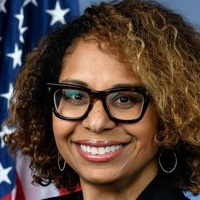
Sydney Kamlager-Dove
Representative
CA
Sydney Kamlager-Dove
Representative
CA
The Equitable Arts Education Enhancement Act establishes a new grant program to boost arts education at Minority-Serving Institutions (MSIs). These funds are intended to increase access to the arts for minority students through financial aid, mentorship, and career development. The bill aims to address the lack of diversity in arts leadership by supporting institutions well-positioned to train diverse arts professionals. Ultimately, this legislation seeks to preserve and promote the work of artists of color while strengthening arts programs nationwide.
This bill establishes interstate telehealth licensing reciprocity for college mental health providers to offer services to their enrolled students across state lines.
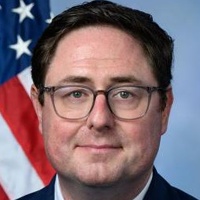
Mike Flood
Representative
NE
Mike Flood
Representative
NE
The College Students Continuation of Mental Health Care Act of 2025 establishes a system for licensing reciprocity, allowing college mental health providers to offer telehealth services to their enrolled students across state lines. This streamlines care by generally adhering to the provider's home state licensing rules, while ensuring patient safety through required disclosures and identity verification. The Act also encourages interstate agreements to further facilitate this cross-state mental health support for students.
The George Floyd Justice in Policing Act of 2025 comprehensively reforms policing by increasing accountability, mandating transparency through data collection, restricting dangerous tactics, and prohibiting sexual misconduct by officials acting under color of law.
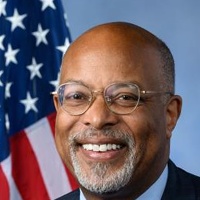
Glenn Ivey
Representative
MD
Glenn Ivey
Representative
MD
The George Floyd Justice in Policing Act of 2025 is a comprehensive bill designed to increase police accountability and transparency nationwide through federal mandates and funding incentives. It reforms standards for prosecuting civil rights violations, eliminates qualified immunity, and establishes national registries for police misconduct and use-of-force data. Furthermore, the Act bans specific dangerous police tactics like chokeholds and restricts the transfer of military equipment to local departments.
The FAIR Act of 2025 invalidates pre-dispute arbitration agreements and joint-action waivers for employment, consumer, antitrust, and civil rights claims, while preserving the right to voluntary arbitration after a dispute arises.

Henry Johnson
Representative
GA
Henry Johnson
Representative
GA
The FAIR Act of 2025 invalidates pre-dispute arbitration agreements and class action waivers for employment, consumer, antitrust, and civil rights claims. This law restores the right for individuals to pursue these disputes in court or through collective legal action. The provisions apply to all covered disputes arising on or after the date the Act is enacted.
This bill establishes the National Infrastructure Bank to finance major U.S. infrastructure projects while granting the Bank and its investors favorable federal tax exemptions.
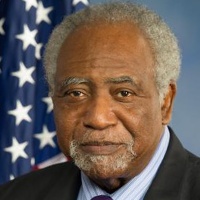
Danny Davis
Representative
IL
Danny Davis
Representative
IL
The National Infrastructure Bank Act of 2025 establishes a new, mixed-ownership federal corporation chartered to finance major infrastructure projects across the nation. This legislation authorizes the Bank to raise substantial capital and issue significant loans to spur economic growth while prioritizing projects in disadvantaged communities. Furthermore, the bill grants the Bank and its specific investors favorable tax exemptions to encourage participation and operation.
This resolution expresses support for increasing the number of Latino students and young professionals entering and succeeding in science, technology, engineering, and mathematics (STEM) careers.
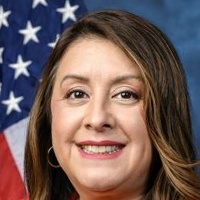
Luz Rivas
Representative
CA
Luz Rivas
Representative
CA
This resolution expresses strong support for increasing the number of Latino students and young professionals entering high-demand careers in science, technology, engineering, and mathematics (STEM). It highlights the significant underrepresentation of Latinos in these vital fields despite their growing presence in the U.S. workforce. The bill encourages federal investment in programs that address barriers and promote STEM education pathways for the Latino community. Ultimately, this focus aims to strengthen the nation's high-skilled workforce and economic competitiveness.
This act increases the corporate tax rate for companies whose CEO-to-worker pay ratio exceeds 50 to 1, based on a five-year average calculation.
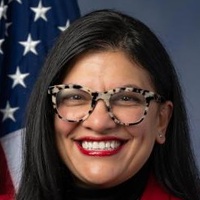
Rashida Tlaib
Representative
MI
Rashida Tlaib
Representative
MI
The Tax Excessive CEO Pay Act of 2025 imposes a federal income tax penalty on corporations whose CEO-to-worker pay ratio exceeds 50-to-1, calculated using a five-year average. If the ratio is too high, the standard 21% corporate tax rate will increase according to a specified penalty table. This measure applies to tax years beginning after December 31, 2025, with exceptions for smaller companies below a $100 million revenue threshold.