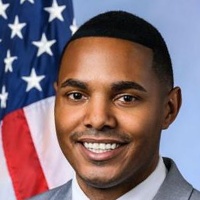
Legislative Activity
Track Ritchie's sponsored bills, co-sponsored legislation, and voting record
This bill prohibits high-ranking government officials and their families from trading, profiting from, or controlling digital assets while in office to prevent conflicts of interest.
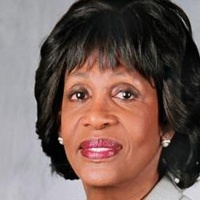
Maxine Waters
Representative
CA
Maxine Waters
Representative
CA
The Stop TRUMP in Crypto Act of 2025 prohibits covered government officials and their immediate families from trading, owning, or profiting from digital assets while in office. This legislation specifically bans insider trading of crypto and prevents officials from using intermediaries or complex ownership structures to bypass these restrictions. The Act aims to eliminate conflicts of interest by ensuring high-ranking officials cannot benefit financially from involvement with cryptocurrencies.
The College for All Act of 2025 establishes federal-state partnerships and grants to eliminate tuition and fees at public and tribal colleges, boosts Pell Grants, and increases funding for minority-serving institutions.

Pramila Jayapal
Representative
WA
Pramila Jayapal
Representative
WA
The College for All Act of 2025 establishes a Federal-State partnership to eliminate tuition and required fees at public and Tribal colleges for eligible students, while significantly increasing Federal Pell Grant maximum awards and expanding eligibility to include many "Dreamer students." The bill also creates new grant programs to cover tuition at private non-profit HBCUs and MSIs, and funds initiatives to improve student success and support for low-income and first-generation students. Finally, it increases overall appropriations for HBCUs, Tribal Colleges, and other Minority-Serving Institutions.
This bill establishes a regulatory safe harbor protecting non-controlling blockchain developers and service providers from being treated as financial service providers unless they control users' digital assets.
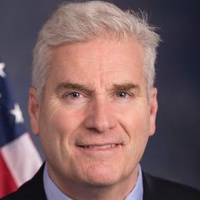
Tom Emmer
Representative
MN
Tom Emmer
Representative
MN
The Blockchain Regulatory Certainty Act establishes a "safe harbor" to protect non-controlling blockchain developers and service providers from being regulated as financial institutions. This protection applies as long as they do not regularly control users' digital assets on the network. Essentially, the bill shields those who build or provide access to blockchain software unless they have the unilateral power to move user funds.
This Act establishes the national Wildlife Confiscations Network to coordinate the proper care and placement of live animals seized by federal authorities during wildlife smuggling enforcement.
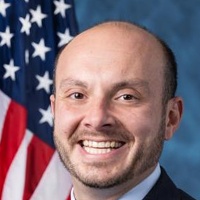
Andrew Garbarino
Representative
NY
Andrew Garbarino
Representative
NY
The Wildlife Confiscations Network Act of 2025 establishes a national, voluntary partnership—the Wildlife Confiscations Network—to coordinate the care and placement of illegally smuggled or confiscated wildlife. This network will utilize qualified animal care facilities to ensure seized animals receive proper triage, housing, and forensic documentation. The Act authorizes up to $5 million annually from Fiscal Year 2026 through 2030 to support this critical infrastructure.
The Financial Integrity and Regulation Management Act prohibits federal banking agencies from using "reputational risk" as a factor in supervising, examining, or taking enforcement actions against depository institutions.
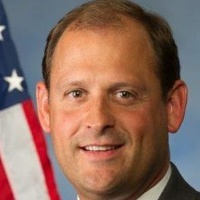
Garland Barr
Representative
KY
Garland Barr
Representative
KY
The Financial Integrity and Regulation Management (FIRM) Act prohibits federal banking agencies from using "reputational risk" as a factor in supervising, examining, or rating financial institutions. This legislation aims to ensure that bank oversight focuses strictly on financial safety and soundness, rather than public perception or political considerations. Agencies must remove all references to reputational risk from their guidance and report back to Congress on their compliance within 180 days.
This Act establishes a new federal grant program to provide operating support for high-quality public transit that prioritizes service improvements in underserved communities, while also increasing the federal share for rural transit operating costs.

Henry Johnson
Representative
GA
Henry Johnson
Representative
GA
The Stronger Communities through Better Transit Act establishes a new federal grant program to provide operating support for high-quality public transit services. This funding is specifically targeted to improve mobility and environmental outcomes, with a requirement that the majority of funds benefit underserved communities or areas of persistent poverty. The Act also increases the federal share for rural transit operating assistance up to 80%.
This bill establishes mandatory minimum registered nurse-to-patient staffing ratios in hospitals to enhance patient safety, enforces these standards across federal healthcare programs, and funds initiatives to support the nursing workforce.

Janice Schakowsky
Representative
IL
Janice Schakowsky
Representative
IL
The Nurse Staffing Standards for Hospital Patient Safety and Quality Care Act of 2025 establishes mandatory minimum registered nurse-to-patient ratios across various hospital units to enhance patient safety and care quality. This legislation requires hospitals to implement detailed staffing plans, ensures enforcement through federal programs like Medicare and Medicaid, and supports the nursing workforce through expanded financial aid and retention initiatives. Furthermore, the bill protects nurses who refuse unsafe assignments and establishes clear mechanisms for reporting violations.
This bill prohibits the use of federal funds to implement Executive Order 14160, which sought to limit birthright citizenship guaranteed by the Fourteenth Amendment.
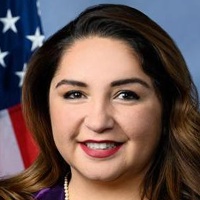
Delia Ramirez
Representative
IL
Delia Ramirez
Representative
IL
The Born in the USA Act of 2025 declares that Executive Order 14160, which attempted to restrict birthright citizenship, is unconstitutional and contrary to the 14th Amendment. This Act prohibits the use of any federal funds to implement or enforce that Executive Order. It affirms the established constitutional right to birthright citizenship for nearly everyone born on U.S. soil.
The Water Affordability, Transparency, Equity, and Reliability Act of 2025 establishes a dedicated trust fund financed by a corporate tax increase to improve water infrastructure, mandate affordability and equity reporting, and expand job training and assistance for underserved communities.
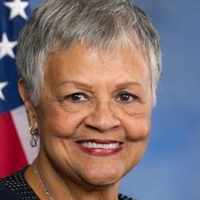
Bonnie Watson Coleman
Representative
NJ
Bonnie Watson Coleman
Representative
NJ
The Water Affordability, Transparency, Equity, and Reliability Act of 2025 establishes a dedicated federal Trust Fund, financed by an increase in the corporate tax rate, to support water infrastructure and affordability programs nationwide. The bill mandates a comprehensive EPA report analyzing water affordability, civil rights compliance, and public participation in water planning. It also significantly increases funding for household water well systems and revises state revolving loan fund rules to expand eligible projects, including lead line replacement and PFAS contamination cleanup. Finally, the Act creates new job training grants for the water sector and enhances drinking water assistance for colonias.
The Women’s and Family Protection Act of 2025 amends federal homelessness definitions to better include marginalized communities and prioritizes emergency grants for nonprofits serving vulnerable populations like women, children, and victims of gender-based violence.
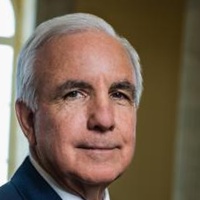
Carlos Gimenez
Representative
FL
Carlos Gimenez
Representative
FL
The Women’s and Family Protection Act of 2025 amends federal definitions related to homelessness to explicitly include residents of indigenous, rural, or marginalized communities and clarifies protections for survivors of gender-based violence. The bill also establishes a dedicated set-aside within the Emergency Solutions Grants Program, prioritizing funding for nonprofit organizations that serve high-needs populations like homeless women, children, and victims of trauma. These grants will support operating costs, outpatient services, and housing relocation assistance for vulnerable individuals. Finally, the Act mandates specific reporting requirements and technical assistance focused on trauma-informed care for service providers receiving these funds.
This Act mandates that health plans cover medically necessary treatment for congenital anomalies or birth defects affecting the eyes, ears, teeth, mouth, or jaw to restore normal function and appearance.
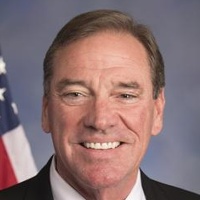
Neal Dunn
Representative
FL
Neal Dunn
Representative
FL
The Ensuring Lasting Smiles Act mandates that group health plans and insurance policies provide comprehensive coverage for medically necessary treatment related to congenital anomalies or birth defects affecting the eyes, ears, teeth, mouth, or jaw. This coverage must include services needed to restore normal function and appearance, including necessary dental and orthodontic support. Plans must apply cost-sharing rules no more restrictive than those for other medical benefits, excluding purely cosmetic procedures.
The HABLA Act of 2025 mandates that federal agencies develop and implement plans to ensure Limited English Proficiency (LEP) individuals can access federally conducted and assisted programs and activities.
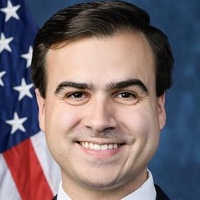
Pablo José Hernández Rivera
Representative
PR
Pablo José Hernández Rivera
Representative
PR
The HABLA Act of 2025 mandates that all federal agencies develop and implement detailed plans to ensure individuals with limited English proficiency (LEP) can access federally conducted programs. Furthermore, the bill requires agencies distributing federal funds to issue specific guidance to their recipients on providing language access to avoid national origin discrimination. Throughout this process, agencies must consult with LEP individuals and stakeholders to create practical, fiscally responsible implementation strategies.
This Act prohibits the advertising and provision of paid conversion therapy intended to change an individual's sexual orientation or gender identity, empowering the FTC and State Attorneys General to enforce these prohibitions.
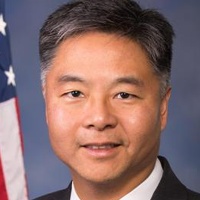
Ted Lieu
Representative
CA
Ted Lieu
Representative
CA
The Therapeutic Fraud Prevention Act of 2025 declares that practices attempting to change an individual's sexual orientation or gender identity for payment constitute an unfair and deceptive business practice. Citing professional consensus on the ineffectiveness and harm of such "conversion therapy," the bill prohibits its provision and advertising. Enforcement authority is granted to the Federal Trade Commission (FTC), and the law allows both the U.S. Attorney General and State Attorneys General to file civil actions against violators.
The VA Employee Fairness Act of 2025 streamlines collective bargaining rules for Veterans Health Administration employees by modifying existing statutes while preserving the Secretary's authority regarding incentive pay and expedited hiring.
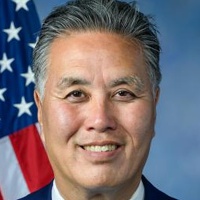
Mark Takano
Representative
CA
Mark Takano
Representative
CA
The VA Employee Fairness Act of 2025 modifies the collective bargaining rules for employees of the Veterans Health Administration (VHA) by streamlining existing statutes. This act removes outdated subsections related to bargaining and renumbers the remaining relevant section. Importantly, these changes do not affect the Secretary of Veterans Affairs' existing authority regarding incentive pay or expedited hiring processes.
This bill establishes a permanent advisory committee to study and report on the financial market fallout from potential Chinese military aggression toward Taiwan, requiring regular reports and recommendations to bolster U.S. market resilience.
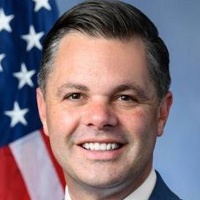
Zachary (Zach) Nunn
Representative
IA
Zachary (Zach) Nunn
Representative
IA
This bill establishes a permanent advisory committee focused on studying and reporting on the severe financial market fallout that could result from Chinese military aggression toward Taiwan. The committee, composed of market experts and regulators, will advise the Financial Stability Oversight Council on potential economic vulnerabilities. The Council must then issue an annual public report detailing market risks, potential losses, and specific recommendations for regulators to fortify U.S. financial systems against such geopolitical shocks.
This Act establishes federal penalties for assaulting hospital personnel and creates a grant program to help medical facilities improve workforce safety.
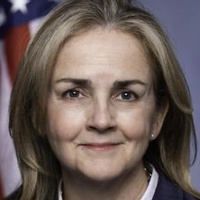
Madeleine Dean
Representative
PA
Madeleine Dean
Representative
PA
The Save Healthcare Workers Act aims to protect hospital personnel by making assault against them a federal crime with severe penalties. It also establishes a new federal grant program to help hospitals implement crucial safety measures, such as violence prevention training and physical security upgrades. This legislation seeks to reduce workplace violence in healthcare settings across the nation.
This resolution recognizes the impact of menstrual stigma and expresses support for designating May as National Menstrual Health Awareness Month to promote education, research, and equitable access to care.
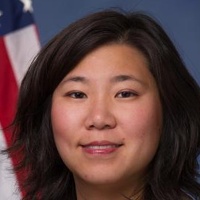
Grace Meng
Representative
NY
Grace Meng
Representative
NY
This resolution expresses strong support for designating May as "National Menstrual Health Awareness Month." It recognizes the significant impact that menstruation stigma has on the health, education, and economic participation of women and people who menstruate. The bill advocates for increased education, better access to care for menstrual conditions, and greater clinical research into women's reproductive health.
This act mandates that states must replace the exact amount of Electronic Benefit Transfer (EBT) benefits stolen from households receiving SNAP.
Grace Meng
Representative
NY
Grace Meng
Representative
NY
The Fairness for Victims of SNAP Skimming Act of 2025 mandates that states must replace the exact amount of Electronic Benefit Transfer (EBT) benefits stolen from households. This legislation ensures that the replacement benefit amount precisely matches the value of the stolen funds. It simplifies and clarifies the process for compensating victims of EBT skimming.
The Better CARE for Animals Act of 2025 strengthens the enforcement of the Animal Welfare Act by expanding investigative authority, establishing new civil penalties up to \$10,000 per day, and explicitly granting the Attorney General power to file civil actions, including seeking seizure and forfeiture of animals.
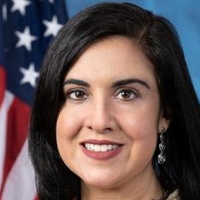
Nicole Malliotakis
Representative
NY
Nicole Malliotakis
Representative
NY
The Better CARE for Animals Act of 2025 significantly strengthens enforcement of the Animal Welfare Act by clarifying definitions and expanding the scope of investigations. It grants the Attorney General explicit authority to file civil actions seeking penalties up to $10,000 per day, and mandates that collected fines help cover temporary animal care costs. The bill also requires the Secretary of Agriculture and the Attorney General to establish a formal agreement for coordinated enforcement.
This bill designates the United States Postal Service facility located at 216 Cumberland Street in Rochester, New York, as the "Minister Franklin Florence Memorial Post Office."
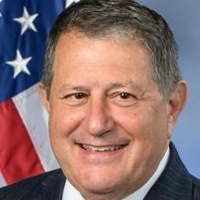
Joseph Morelle
Representative
NY
Joseph Morelle
Representative
NY
This bill officially designates the United States Postal Service facility located at 216 Cumberland Street in Rochester, New York, as the "Minister Franklin Florence Memorial Post Office." All official government records and documents will reflect this new name moving forward.