Legislative Activity
Track Lateefah's sponsored bills, co-sponsored legislation, and voting record
The Stop CHEATERS Act provides significant multi-year funding to the IRS to modernize technology, improve taxpayer services, and enhance tax enforcement efforts focused on high-income individuals and large corporations.
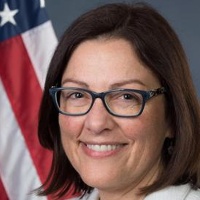
Suzan DelBene
Representative
WA
Suzan DelBene
Representative
WA
The Stop CHEATERS Act provides significant multi-year funding to the IRS to modernize its technology, improve taxpayer services, and strengthen tax enforcement. The bill specifically mandates that the agency prioritize auditing high-income individuals and large corporations to close the tax gap. Additionally, it requires regular reporting to Congress to ensure accountability and progress in these enforcement efforts.
Orlin’s Law establishes comprehensive protections for detained immigrant parents, prioritizing family unity by mandating release procedures, access to legal and child welfare proceedings, and the creation of a dedicated office to coordinate parental rights and care.
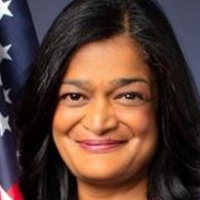
Pramila Jayapal
Representative
WA
Pramila Jayapal
Representative
WA
Orlin’s Law establishes critical protections for immigrant parents in U.S. custody to prevent the unnecessary separation of families. The bill mandates that detained parents be prioritized for release, provided with the means to participate in family court proceedings, and granted access to resources for their children’s care. Additionally, it creates an Office of Detained Parent Coordination to oversee these protections and requires the government to provide alternatives to detention for parents.
This bill designates the Department of Veterans Affairs community-based outpatient clinic in San Jose, California, as the "Corporal Patrick D. Tillman VA Clinic."
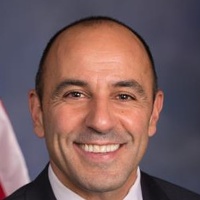
Jimmy Panetta
Representative
CA
Jimmy Panetta
Representative
CA
This bill designates the Department of Veterans Affairs community-based outpatient clinic in San Jose, California, as the "Corporal Patrick D. Tillman VA Clinic." This renaming honors the legacy of Pat Tillman, a San Jose native and former NFL player who left his professional career to serve as an Army Ranger and made the ultimate sacrifice for his country.
This bill mandates electronic prior authorization, increases transparency through required data reporting, and establishes faster decision timelines for Medicare Advantage plans to improve timely access to care for seniors.
Mike Kelly
Representative
PA
Mike Kelly
Representative
PA
The Improving Seniors’ Timely Access to Care Act of 2025 aims to streamline and modernize the prior authorization process within Medicare Advantage plans. This bill mandates the adoption of electronic prior authorization systems and significantly increases transparency regarding approval rates and decision times starting in 2027. Furthermore, it establishes new enrollee protections and grants the Secretary authority to enforce faster decision timeframes for medical services.
This resolution reaffirms the commitment to universal accessibility by advocating for the full implementation of disability-inclusive design standards across all federally funded infrastructure and public facilities.
Jahana Hayes
Representative
CT
Jahana Hayes
Representative
CT
This resolution reaffirms the federal commitment to ensuring equal access to public facilities and rights-of-way for all individuals, including the more than 70 million Americans living with disabilities. It supports the full implementation of accessibility guidelines for pedestrian infrastructure and pledges to prioritize universal, inclusive design in all future federal projects. By upholding the principles of the Americans with Disabilities Act, the bill aims to remove systemic barriers and guarantee that all citizens can engage fully and safely in society.
This resolution designates July 10th as Journeyman Lineworkers Recognition Day to honor the essential service and sacrifices of the professionals who maintain our nation’s power grid.
Linda Sánchez
Representative
CA
Linda Sánchez
Representative
CA
This resolution designates July 10th as Journeyman Lineworkers Recognition Day to honor the essential, high-risk work performed by these skilled professionals. It pays tribute to the lineworkers who provide critical service during emergencies and recognizes those who have made the ultimate sacrifice in the line of duty.
The Extreme Temperatures Injustice in Prisons Act of 2026 mandates upgrades to HVAC systems, establishes strict temperature safety standards, and requires regular monitoring and oversight to protect incarcerated individuals and staff from extreme heat and cold in federal prisons.
Alma Adams
Representative
NC
Alma Adams
Representative
NC
The Extreme Temperatures Injustice in Prisons Act of 2026 mandates that the Bureau of Prisons upgrade HVAC systems and implement strict temperature monitoring across all federal correctional facilities. The bill establishes enforceable standards to protect both incarcerated individuals and staff from extreme heat and cold while requiring the provision of essential mitigation supplies. Additionally, it mandates regular health reporting, oversight by the Inspector General, and specialized protections for medically vulnerable populations.
This bill directs the President to remove U.S. Armed Forces from hostilities in Lebanon within seven days, pursuant to the War Powers Resolution.
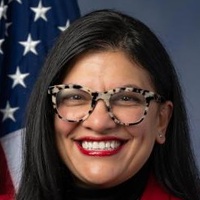
Rashida Tlaib
Representative
MI
Rashida Tlaib
Representative
MI
This resolution directs the President to withdraw U.S. Armed Forces from hostilities in Lebanon within seven days, utilizing authority under the War Powers Resolution. It explicitly clarifies that this action does not authorize the use of military force or limit security cooperation with Lebanese forces or the protection of diplomatic facilities.
This resolution reaffirms the nation's founding ideals and commits the House to advancing equity and opportunity for all immigrant communities as the U.S. approaches its 250th anniversary.
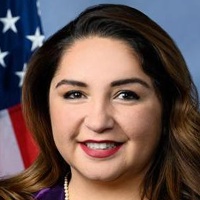
Delia Ramirez
Representative
IL
Delia Ramirez
Representative
IL
This resolution reaffirms the House of Representatives' commitment to the founding ideals of liberty, equality, and opportunity for all immigrant communities as the nation approaches its 250th anniversary. It acknowledges past failures to fully realize these ideals and highlights the significant contributions immigrants make to the United States. The bill supports expanding programs that help immigrants overcome barriers to full participation and urges increased investment in equitable community strengthening initiatives.
This bill designates the United States Postal Service facility located at 6444 San Fernando Road in Glendale, California, as the "Paul Ignatius Post Office."
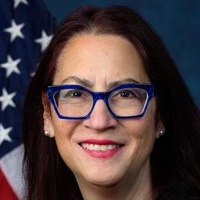
Laura Friedman
Representative
CA
Laura Friedman
Representative
CA
This bill designates the United States Postal Service facility located at 6444 San Fernando Road in Glendale, California, as the "Paul Ignatius Post Office." All official references to this location will henceforth bear this name.
This bill impeaches Secretary of Education Linda M. McMahon for high crimes and misdemeanors, citing unlawful transfers of departmental offices, misleading Congress, and disrupting federal education funding.
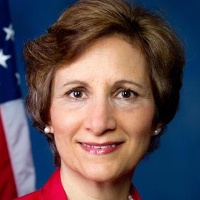
Suzanne Bonamici
Representative
OR
Suzanne Bonamici
Representative
OR
This bill impeaches Secretary of Education Linda M. McMahon for high crimes and misdemeanors related to her alleged unlawful transfer of departmental offices, willful non-compliance with federal law, and misleading Congress. The resolution cites her actions as a deliberate attempt to dismantle the Department of Education without congressional approval and a breach of her oath of office. These actions, including massive workforce reductions and the delayed disbursement of congressionally authorized funds, warrant her removal and disqualification from future office.
This act strengthens worker protections by increasing pay transparency, expanding recovery for wage theft, and establishing grants to combat illegal pay practices.

Rosa DeLauro
Representative
CT
Rosa DeLauro
Representative
CT
The Wage Theft Prevention and Wage Recovery Act strengthens worker protections by amending the Fair Labor Standards Act to mandate pay transparency, guarantee timely final pay, and significantly increase penalties for wage theft. It also extends the statute of limitations for filing wage claims and establishes a federal grant program to support local efforts in preventing wage theft and assisting workers with recovery. Overall, the bill aims to ensure workers receive the full wages they are owed through stricter enforcement and greater accountability for employers.
This bill renames and revises the Great American Outdoors Act's maintenance fund, increases dedicated funding through new, higher fees for foreign visitors, and sets spending priorities for deferred maintenance across public lands agencies.
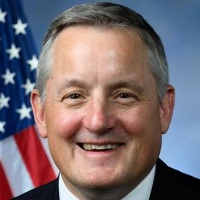
Bruce Westerman
Representative
AR
Bruce Westerman
Representative
AR
This bill, the Great American Outdoors Act 250, significantly reforms and renames the existing public lands restoration fund to the America’s Legacy Restoration Fund. It secures dedicated funding streams, primarily from energy revenues and new fees on foreign visitors, to address critical deferred maintenance across the National Park Service, Forest Service, and other public land agencies. The legislation establishes strict spending priorities for infrastructure repair while also creating pilot programs for enhancing outdoor recreation and sportsmen's access. Finally, it mandates increased transparency and accountability through standardized metrics and public reporting on all funded projects.
This bill restricts federal agencies from relocating to states with restrictive abortion laws, provides travel allowances and administrative leave for employees seeking out-of-state reproductive care, and protects employees' privacy regarding such care in security clearance and personnel decisions.
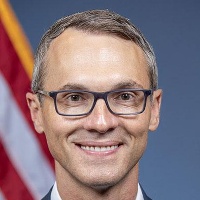
James Walkinshaw
Representative
VA
James Walkinshaw
Representative
VA
The Federal Workforce Reproductive Rights Protection Act restricts federal agencies from relocating operations to states with restrictive abortion laws. It also provides federal employees with travel allowances and administrative leave to access out-of-state reproductive healthcare services. Furthermore, the bill prohibits using reproductive health decisions as a factor in security clearance determinations or other personnel actions.
This Act establishes the fundamental right to vote in federal elections and prohibits governments from imposing undue burdens or substantial impairments on that right through a rigorous judicial review process.
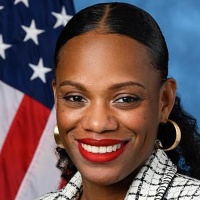
Summer Lee
Representative
PA
Summer Lee
Representative
PA
The Right to Vote Act establishes the fundamental right of every citizen to vote in federal elections and prohibits governments from imposing undue burdens on this right. It sets strict standards for when a government action that diminishes or substantially impairs voting can be upheld, requiring it to be the least restrictive means of furthering an important governmental interest. The Act also authorizes private citizens to bring civil actions in federal court to challenge violations, with expedited proceedings and provisions for awarding attorney's fees.
The LIFT the BAR Act restores federal public benefit eligibility, including SNAP, Medicaid, and housing assistance, for many lawfully present noncitizens by repealing restrictions from the 1996 welfare law and updating terminology.
Pramila Jayapal
Representative
WA
Pramila Jayapal
Representative
WA
The LIFT the BAR Act repeals decades-old restrictions that barred many lawfully present noncitizens from accessing essential federal public benefits. This legislation restores eligibility for programs like SNAP, Medicaid, CHIP, and housing assistance for qualified noncitizens. The bill also updates terminology, replacing "alien" with "noncitizen" throughout relevant statutes.
This resolution urges Congress to take immediate action to restore and strengthen voting rights protections and consider structural reforms to the Senate and Supreme Court to safeguard American democracy.
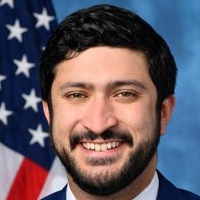
Gregorio Casar
Representative
TX
Gregorio Casar
Representative
TX
This resolution expresses the House's urgent call for Congress to restore and strengthen civil rights and fair political representation for all Americans. It specifically condemns recent Supreme Court decisions that have weakened the Voting Rights Act and enabled partisan gerrymandering. The bill asserts that Congress must act boldly, including considering Senate and Supreme Court reforms, to protect multiracial democracy.
The Latonya Reeves Freedom Act of 2026 strengthens the right of individuals eligible for long-term services and supports to live in the most integrated community setting possible, holding states and providers accountable for transitioning people out of institutions.
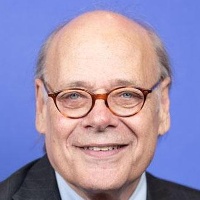
Steve Cohen
Representative
TN
Steve Cohen
Representative
TN
The Latonya Reeves Freedom Act of 2026 aims to strengthen the right of individuals eligible for long-term services and supports (LTSS) to live in the most integrated community setting possible. It prohibits discrimination by public entities and insurers against those who qualify for institutional placement but desire community-based services. The Act mandates comprehensive planning, self-evaluation, and enforcement mechanisms to speed up the transition of individuals out of institutions and ensure maximum control over their supports.
This act doubles the maximum Pell Grant award, makes funding mandatory, extends eligibility to Dreamer students, restores previous eligibility limits, and reforms Satisfactory Academic Progress rules.
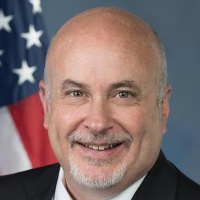
Mark Pocan
Representative
WI
Mark Pocan
Representative
WI
The Pell Grant Preservation and Expansion Act of 2026 aims to significantly strengthen federal student aid by doubling the maximum Pell Grant award and funding it through mandatory appropriations. This bill also expands eligibility to include Dreamer students, restores Pell Grant eligibility for students with certain scholarships, and reforms Satisfactory Academic Progress (SAP) rules to make regaining aid easier after academic setbacks. These changes are designed to stabilize and expand access to postsecondary education for millions of students.
This bill mandates the creation of an online detainee locator system by DHS, requires notification for medical transfers, and increases public reporting on CBP arrests and enforcement operations.
Rashida Tlaib
Representative
MI
Rashida Tlaib
Representative
MI
This bill, the "Find Our Families Act of 2026," mandates the creation of a public, online detainee locator system for individuals in CBP and ICE custody, accessible in multiple languages. It requires timely posting of custody and location information, along with new notification requirements for medical transfers to family members. Additionally, the bill requires the public reporting of detailed information regarding CBP arrests and ongoing enforcement operations.