This resolution reaffirms the nation's founding ideals and commits the House to advancing equity and opportunity for all immigrant communities as the U.S. approaches its 250th anniversary.
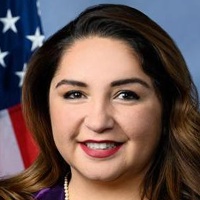
Delia Ramirez
Representative
IL-3
This resolution reaffirms the House of Representatives' commitment to the founding ideals of liberty, equality, and opportunity for all immigrant communities as the nation approaches its 250th anniversary. It acknowledges past failures to fully realize these ideals and highlights the significant contributions immigrants make to the United States. The bill supports expanding programs that help immigrants overcome barriers to full participation and urges increased investment in equitable community strengthening initiatives.
House Resolution Marks 250th Anniversary with Push for Immigrant Integration and Expanded Services
As the United States approaches its 250th birthday, a new House resolution is looking to bridge the gap between the nation’s founding promises and the reality of life for immigrant communities. The resolution reaffirms the core ideals of liberty and equality while acknowledging that the federal government hasn't always hit the mark, particularly when it comes to asylum seekers and refugees. It sets a clear intention for the House to prioritize inclusion and equity, focusing on the roughly 45 million immigrants currently navigating the American system. The bill specifically points to the practical hurdles many face—like language barriers, job placement struggles, and limited access to healthcare, housing, and education—as areas that require urgent legislative attention.
A Roadmap for Integration
The resolution advocates for a significant expansion of programs designed to help people fully participate in the economy and civic life. This isn't just about abstract rights; it’s about the nuts and bolts of daily survival and success. The text supports increased funding for language access programs, workforce training, and naturalization services. For a small business owner looking to hire skilled workers or a local trade union seeking to diversify its ranks, these provisions aim to streamline the transition into the workforce. By bolstering legal support and naturalization services, the resolution seeks to provide a more stable path for residents to contribute to their local communities and the broader economy.
Partnering for Local Impact
One of the key strategies outlined is a push for deeper collaboration between the federal government and the people already doing the work on the ground. The resolution encourages partnerships with local nonprofits, faith-based groups, and community organizations. The idea is to ensure that services aren't just available, but are 'culturally responsive'—meaning they actually work for the people they are intended to serve. For a family new to a city, this could mean the difference between struggling to find a grocery store and having access to a community center that provides translated documents and job leads. While the resolution is light on specific dollar amounts, it urges all levels of government to increase investments in these equity-focused initiatives.
Global Ties and Future Challenges
Beyond domestic policy, the resolution connects the immigrant experience in the U.S. to the Universal Declaration of Human Rights, signaling a commitment to global solidarity. It celebrates the cultural and economic contributions immigrants make, framing their success as essential to the nation’s future. However, because the text uses broader terms like 'essential services' and 'appropriate measures,' the real-world impact will depend heavily on how these goals are funded and managed in the coming years. Without specific mandates, the challenge will be ensuring that these commitments translate into consistent, well-funded programs rather than just symbolic gestures as the country nears its semi-quincentennial milestone.