This act doubles the maximum Pell Grant award, makes funding mandatory, extends eligibility to Dreamer students, restores previous eligibility limits, and reforms Satisfactory Academic Progress rules.
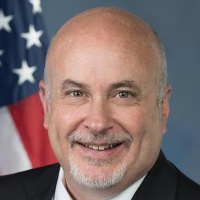
Mark Pocan
Representative
WI-2
The Pell Grant Preservation and Expansion Act of 2026 aims to significantly strengthen federal student aid by doubling the maximum Pell Grant award and funding it through mandatory appropriations. This bill also expands eligibility to include Dreamer students, restores Pell Grant eligibility for students with certain scholarships, and reforms Satisfactory Academic Progress (SAP) rules to make regaining aid easier after academic setbacks. These changes are designed to stabilize and expand access to postsecondary education for millions of students.
Pell Grants to Double and Expand to Dreamers: New Bill Sets $15,000 Maximum Award by 2031
The Pell Grant Preservation and Expansion Act of 2026 is a massive overhaul of how the government helps students pay for college. Starting July 1, 2026, the bill begins a steady climb to double the maximum Pell Grant, moving it from current levels to $10,000 in the first year and eventually hitting $15,000 by 2031. Crucially, the bill shifts this funding to the 'mandatory' side of the federal budget. In plain English, that means the money is guaranteed by law every year—like Social Security—rather than being a political football that Congress has to argue over during every annual budget cycle. It also links future increases to inflation, so the grant's buying power doesn't get eaten away by rising tuition costs.
More Time and More Access
For students who need a little longer to finish their degrees, the bill extends the lifetime limit for Pell Grants from 12 semesters to 18. This is a game-changer for part-time students or those balancing work and family who can't always carry a full course load. The bill also officially opens federal aid eligibility to 'Dreamer' students—individuals who came to the U.S. as children and meet specific education or military service requirements. Additionally, it fixes a technical glitch that previously stripped Pell Grants away from students who were 'too successful' at winning private scholarships; under Section 9, those scholarships will no longer disqualify you from receiving federal grant money.
The 'Second Chance' Academic Reset
Life happens, and sometimes a bad semester can lead to losing financial aid due to 'Satisfactory Academic Progress' (SAP) rules. This bill makes those rules much more human. It introduces a 'restart' button: if you’ve been out of school for at least two years, your previous academic failures are wiped clean for financial aid purposes when you re-enroll (Section 8). Even for students who stay in school, the bill requires colleges to offer a 'financial aid warning' period, giving you one semester to get your grades up before pulling your funding. It’s a shift from a 'one strike and you're out' system to one that actually helps students get back on track.
Simplifying the Paperwork
If you’ve received any means-tested federal benefits (like SNAP or Medicaid) in the last two years, the bill drastically simplifies your financial aid math. Under Section 5, the Department of Education will automatically set your 'Student Aid Index' to a fixed number, bypassing the long, invasive financial forms usually required to prove you're low-income. Furthermore, for the most cash-strapped students, the bill allows for a 'negative index.' This means if your financial situation is particularly tough, you could actually receive a Pell Grant that is larger than the standard maximum to help cover the full cost of living while studying. While this will require a significant increase in federal spending, the goal is to ensure that a student’s bank account—or lack thereof—isn't the thing that stops them from finishing their degree.