Legislative Activity
Track Hillary's sponsored bills, co-sponsored legislation, and voting record
The Local Health Care Protection Act of 2026 provides a temporary eligibility exception for the 340B drug discount program for hospitals impacted by Medicaid funding cuts and mandates a congressional study on rural hospital payment adjustments.
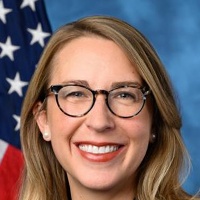
Hillary Scholten
Representative
MI
Hillary Scholten
Representative
MI
The Local Health Care Protection Act of 2026 provides a temporary eligibility exception for the 340B drug discount program, ensuring hospitals maintain access to critical savings even if they experience fluctuations in Medicaid patient volume through 2030. Additionally, the bill mandates a comprehensive study by the Comptroller General to evaluate the impact of declining Medicare payments on rural and underserved hospitals. This legislation aims to stabilize essential health services and inform future policy reforms regarding hospital payment adjustments.
The Fair Prescription Pricing Act of 2026 caps patient cost-sharing for outpatient drugs at the nationwide average consumer purchase price to ensure more affordable access to medications.
Hillary Scholten
Representative
MI
Hillary Scholten
Representative
MI
The Fair Prescription Pricing Act of 2026 establishes a nationwide cap on cost-sharing for covered outpatient drugs dispensed by in-network pharmacies. By limiting out-of-pocket costs to the nationwide average consumer purchase price, the bill ensures more predictable and affordable prescription pricing for patients. These requirements apply to group health plans, individual insurance issuers, and pharmacy benefit managers.
The Defending Our Energy and Water Act mandates updated water efficiency standards and cooling requirements for both civilian and military data centers to better protect local water resources.
Hillary Scholten
Representative
MI
Hillary Scholten
Representative
MI
The Defending Our Energy and Water Act mandates stricter water efficiency standards for both new civilian and military data centers. By requiring the use of advanced cooling technologies and integrating water-saving innovations, the bill aims to improve infrastructure resiliency and minimize the impact of data centers on local water resources. Additionally, the legislation extends federal oversight of these efficiency requirements through 2031.
This Act directs the Department of Commerce to conduct and publish annual surveys regarding the energy and water consumption of data centers across the United States to improve transparency and regulatory oversight.
Hillary Scholten
Representative
MI
Hillary Scholten
Representative
MI
The Data Center Resource Disclosure Act directs the Department of Commerce to conduct an annual survey of energy and water consumption by U.S. data centers. The results, including an interactive map and public feedback, will be published online to increase transparency. Additionally, the Act requires a report to Congress with recommendations for improving data center regulation and oversight.
This bill officially renames the United States Postal Service facility at 324 Washington Avenue, Suite 1 in Grand Haven, Michigan, as the "Ell Thomas Simantz Post Office Building."
Hillary Scholten
Representative
MI
Hillary Scholten
Representative
MI
This bill officially renames the United States Postal Service facility located at 324 Washington Avenue, Suite 1 in Grand Haven, Michigan. The facility will now be known as the "Ell Thomas Simantz Post Office Building." This designation updates all official records and references to reflect the new name.
The Women’s Business Centers Improvement Act of 2026 modernizes and strengthens the SBA’s Women’s Business Center Program by enhancing grant oversight, establishing accreditation standards, and expanding entrepreneurial resources for women-owned small businesses.
Hillary Scholten
Representative
MI
Hillary Scholten
Representative
MI
The Women’s Business Centers Improvement Act of 2026 overhauls the Small Business Administration’s Women’s Business Center Program to better support women entrepreneurs through enhanced counseling, training, and financial assistance. The bill establishes a structured grant framework, introduces mandatory accreditation standards, and strengthens oversight to ensure centers effectively serve socially and economically disadvantaged business owners. Additionally, it authorizes $31.5 million in annual funding through 2029 to expand the reach and operational viability of this nationwide network.
The Capping Appointed Positions Act limits the total number of Schedule C and Schedule G federal executive branch positions to 1,600, effective fiscal year 2027.
Hillary Scholten
Representative
MI
Hillary Scholten
Representative
MI
The Capping Appointed Positions Act seeks to streamline the federal workforce by limiting the number of Schedule C and Schedule G political appointments. Starting in fiscal year 2027, the bill mandates a cap of 1,600 total positions for these roles within the executive branch.
The Quiet Skies Act mandates that the Secretary of Transportation implement a federal rule prohibiting passengers from making voice calls on mobile phones during commercial airline flights.
Hillary Scholten
Representative
MI
Hillary Scholten
Representative
MI
The Quiet Skies Act directs the Secretary of Transportation to establish a formal rule prohibiting passengers from making voice calls on mobile phones during commercial airline flights. This legislation aims to ensure a quieter and more comfortable travel environment for all passengers.
This bill requires the Secretary of the Army to study the impact of new commercial and industrial water users on the water levels of Corps of Engineers reservoirs.
Hillary Scholten
Representative
MI
Hillary Scholten
Representative
MI
This bill, the "Water Reservoir Transparency Act," mandates a study by the Secretary of the Army to assess the impact of new commercial and industrial water users on the water levels of Army Corps of Engineers reservoirs. The results of this study must be reported to relevant Congressional committees and made publicly available online within 180 days of enactment.
This bill mandates the Corps of Engineers to conduct advanced planning for dredging in PFAS-contaminated areas, focusing on disposal, mitigation, and potential delays.
Hillary Scholten
Representative
MI
Hillary Scholten
Representative
MI
This bill, the "Clean Ports for Commerce Act," requires the Army Corps of Engineers to conduct advanced planning before dredging in areas known to have PFAS contamination. This planning must identify disposal sites, detail mitigation strategies for water quality and public health impacts from PFAS, and address potential project delays.
This bill expands the national small business policy to prioritize federal antitrust enforcement against anticompetitive conduct harming small businesses and requires regular reporting on these enforcement actions.
Hillary Scholten
Representative
MI
Hillary Scholten
Representative
MI
The Main Street Competes Act expands federal economic policy to prioritize competitive markets and consumer choice through antitrust enforcement that protects small businesses. It mandates regular, detailed reporting from the Department of Justice and the Federal Trade Commission on how their antitrust actions specifically impact small businesses. Finally, the Small Business Administration's Office of Advocacy will analyze this data and report recommendations to Congress on promoting competition.
This bill establishes a grant program to fund the integration of environmental DNA (eDNA) monitoring techniques into sport fish surveys to improve data accuracy and conservation efforts.
Hillary Scholten
Representative
MI
Hillary Scholten
Representative
MI
This bill establishes the "Advancing Next-Generation Genetic Learning for Effective Resource Strategy Act" to create a grant program for incorporating environmental DNA (eDNA) monitoring into sport fish surveys. Administered by the Secretary of the Interior, these grants will help eligible entities expand the scale and frequency of monitoring to improve data accuracy for fisheries management and conservation. The program is authorized to receive $4 million annually from fiscal years 2027 through 2033.
This bill directs the NIH and USPSTF to study hormone variability before perimenopause and the clinical usefulness of hormone testing for perimenopause management.
Hillary Scholten
Representative
MI
Hillary Scholten
Representative
MI
This bill directs the National Institutes of Health (NIH) to study natural hormone variability in women before perimenopause. It also requires the U.S. Preventive Services Task Force to review the clinical usefulness of hormone testing for diagnosing or managing perimenopause. The findings and recommendations will be reported to Congress within 18 months of enactment.
This bill expresses support for designating May 24th as National Aviation Maintenance Technician Day to honor the vital work of aviation maintenance professionals.
Hillary Scholten
Representative
MI
Hillary Scholten
Representative
MI
This bill designates May 24th as National Aviation Maintenance Technician Day to honor the vital contributions of Aviation Maintenance Technicians (AMTs) to aviation safety and reliability. It recognizes their essential role in maintaining aircraft and highlights the growing demand for these skilled professionals in the aviation industry.
This bill directs the Transportation Research Board to evaluate innovative hull designs and advanced materials for more durable and efficient waterborne transit systems.
Hillary Scholten
Representative
MI
Hillary Scholten
Representative
MI
This Act directs the Transportation Research Board to study innovative hull designs and advanced materials for waterborne transit systems. The goal is to enhance operational performance and payload capacity through the use of technologies like carbon fiber and composite materials.
This Act streamlines federal transit law by expediting fund apportionment, extending bus grant availability, easing asset disposition rules, and simplifying environmental, historic preservation, and reporting requirements for transit agencies.
Hillary Scholten
Representative
MI
Hillary Scholten
Representative
MI
The Streamlined Apportionment, Flexibility, and Efficiency Transit Act aims to reduce regulatory burdens on transit agencies. This bill streamlines the timing of formula fund apportionments, extends the availability of bus grant funds, and eases rules for asset disposition. It also simplifies environmental reviews and consolidates federal reporting requirements for greater efficiency.
The Main Street BRIDGE Act mandates collaboration between Small Business Development Centers and MBDA Business Centers to enhance support for small businesses.
Hillary Scholten
Representative
MI
Hillary Scholten
Representative
MI
The Main Street BRIDGE Act mandates collaboration between Small Business Development Centers and Minority Business Development Agency (MBDA) Business Centers to better serve small businesses. This partnership requires joint reporting to Congress on its results, including metrics on businesses served and jobs created. The goal is to enhance resource integration and support for small business growth and equity.
This bill mandates the Small Business Administration (SBA) to create and implement a plan for reporting on its use and consideration of artificial intelligence in line with existing federal guidance.
Hillary Scholten
Representative
MI
Hillary Scholten
Representative
MI
The SBA AI Adoption Reporting Act of 2026 mandates that the Small Business Administration (SBA) develop and implement policies for disclosing its use and consideration of artificial intelligence (AI). This requires the SBA Administrator to submit an implementation plan to Congress detailing how the agency will document and publish its AI use cases, following existing federal guidance. The goal is to ensure transparency regarding the SBA's adoption of AI in its operations.
This act mandates a study on using the Informed Delivery platform to send customers electronic alerts about weather-related mail delays and post office closures.
Hillary Scholten
Representative
MI
Hillary Scholten
Representative
MI
The Postal Alert and Weather Preparedness Act requires the Postmaster General to study the feasibility of using the Informed Delivery platform to send electronic alerts to customers about weather-related mail delays or post office closures. This study must also consider including reminders for property owners to clear mail delivery paths. Following the report to Congress, the Postal Service may implement this notification program.
This bill recognizes and honors the International Hearing Society on its 75th anniversary for its dedication to advancing hearing healthcare and supporting hearing professionals and patients.
Hillary Scholten
Representative
MI
Hillary Scholten
Representative
MI
This bill recognizes and honors the International Hearing Society on its 75th anniversary in 2026. It celebrates the organization's history, its dedication to connecting hearing professionals, and its vital role in advancing hearing health care. The legislation also commends the Society for its advocacy work to improve patient care and expand access to quality services nationwide.