The Local Health Care Protection Act of 2026 provides a temporary eligibility exception for the 340B drug discount program for hospitals impacted by Medicaid funding cuts and mandates a congressional study on rural hospital payment adjustments.
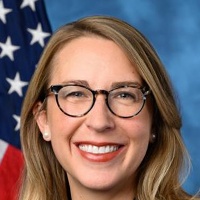
Hillary Scholten
Representative
MI-3
The Local Health Care Protection Act of 2026 provides a temporary eligibility exception for the 340B drug discount program, ensuring hospitals maintain access to critical savings even if they experience fluctuations in Medicaid patient volume through 2030. Additionally, the bill mandates a comprehensive study by the Comptroller General to evaluate the impact of declining Medicare payments on rural and underserved hospitals. This legislation aims to stabilize essential health services and inform future policy reforms regarding hospital payment adjustments.
Local Health Care Protection Act of 2026: Temporary 340B Drug Discount Shield for Hospitals Through 2030
If you live in a rural area or rely on a local hospital that serves a lot of low-income patients, there is a technical battle brewing over how those facilities afford their pharmacy bills. The Local Health Care Protection Act of 2026 is essentially a financial life raft for hospitals that are currently at risk of losing access to the 340B drug discount program. This program allows eligible hospitals to buy outpatient drugs at significantly reduced prices, which helps them keep their doors open even when they’re treating patients who can’t pay full price. The bill creates a temporary exception, allowing hospitals that were in the program as of July 2025 to stay in it through September 2030, even if they fail to meet specific 'disproportionate share' requirements due to Medicaid cuts or other bureaucratic shifts.
A Safety Net for the Safety Net
For a nurse at a community clinic or a patient managing a chronic condition in a small town, this bill is about preventing a sudden spike in costs. Usually, if a hospital’s percentage of low-income patients drops below a certain legal threshold—even by a fraction—they lose their 340B status and their drug costs skyrocket. This legislation (specifically Section 2) hits the pause button on those rules. It says that if a hospital was already participating by mid-2025, they can keep their discounts for the next few years regardless of those fluctuating percentages. It’s a move designed to stabilize local healthcare systems that are currently getting squeezed by rising costs and shifting Medicaid rules, ensuring that a technicality doesn’t result in a rural oncology unit or maternity ward shutting down.
Investigating the Root Cause
While the bill provides immediate relief, it also admits that the current system is a bit of a mess. It mandates a deep-dive study by the Comptroller General to be delivered within one year. This report isn't just paperwork; it’s tasked with looking at why rural hospitals are losing essential services like OB-GYN and oncology and whether the current formulas for government payments are actually fair. For taxpayers and policy nerds, this is the 'fine print' section. The study will investigate if Social Security disability backlogs are messing up the data used to fund these hospitals and will review competing ideas from groups like the American Hospital Association on how to fix the payment formulas for good.
The Long-Term Stakes
There is a bit of a 'kick the can down the road' vibe here. By granting an exception 'regardless of any other provision of law,' the bill bypasses standard oversight to provide a quick fix. While this is great for a hospital administrator trying to balance a budget today, it leaves a big question mark for what happens after September 2030. If you’re a taxpayer, you might wonder if this is a necessary subsidy or a way to avoid fixing a broken funding model. The pharmaceutical industry also has a stake here, as these discounts directly impact their bottom line. Ultimately, the bill buys time, but the real impact will depend on whether Congress actually uses the mandated report to fix the underlying issues before the 2030 deadline hits.