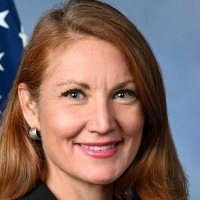
Legislative Activity
Track Melanie's sponsored bills, co-sponsored legislation, and voting record
This Act establishes a grant program to provide emergency assistance to farm workers affected by covered disasters through eligible worker organizations.
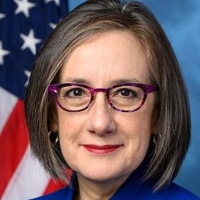
Andrea Salinas
Representative
OR
Andrea Salinas
Representative
OR
The Disaster Relief for Farm Workers Act establishes a new grant program to provide emergency assistance to farm workers following covered disasters, such as severe weather or health crises. Beginning in fiscal year 2026, the Secretary must award grants to eligible farm worker organizations to deliver direct relief and build community resilience. These funds are specifically designated to help workers who lose income or are unable to work due to a qualifying event.
This Act prohibits the advertising and provision of paid conversion therapy intended to change an individual's sexual orientation or gender identity, empowering the FTC and State Attorneys General to enforce these prohibitions.
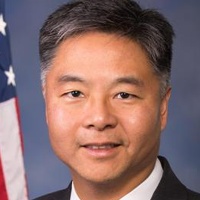
Ted Lieu
Representative
CA
Ted Lieu
Representative
CA
The Therapeutic Fraud Prevention Act of 2025 declares that practices attempting to change an individual's sexual orientation or gender identity for payment constitute an unfair and deceptive business practice. Citing professional consensus on the ineffectiveness and harm of such "conversion therapy," the bill prohibits its provision and advertising. Enforcement authority is granted to the Federal Trade Commission (FTC), and the law allows both the U.S. Attorney General and State Attorneys General to file civil actions against violators.
Violet's Law mandates that federal research facilities establish procedures to place retired dogs, cats, nonhuman primates, guinea pigs, hamsters, and rabbits with approved rescue organizations, sanctuaries, shelters, or individuals.
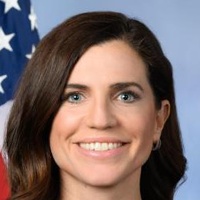
Nancy Mace
Representative
SC
Nancy Mace
Representative
SC
Violet's Law mandates that federal research facilities establish procedures to place retired research animals, including dogs, cats, and primates, into new homes. These facilities must adhere to the Animal Welfare Act standards and ensure animals are certified healthy by a veterinarian before adoption. Eligible placements include registered animal rescue organizations, sanctuaries, shelters, or private individuals.
The HOME Act of 2025 establishes federal prohibitions against housing price gouging during declared affordable housing crises and mandates investigations into market manipulation, excessive institutional purchasing, and unfair rental screening practices.
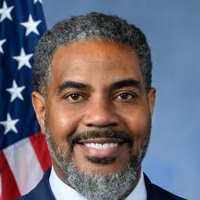
Steven Horsford
Representative
NV
Steven Horsford
Representative
NV
The HOME Act of 2025 aims to combat the affordable housing crisis by prohibiting price gouging on rentals and sales during officially declared crisis periods. It mandates investigations into housing market manipulation, including excessive purchases by large investors, and establishes a new HUD unit to monitor and enforce fair housing practices. Furthermore, the bill directs regulators to set standards for Fannie Mae and Freddie Mac investments to protect renters from unfair rent hikes and requires a review of anti-competitive behavior in housing markets.
This act establishes research grants and training programs to develop and implement PFAS-free, next-generation turnout gear to protect firefighters from occupational illness and injury.
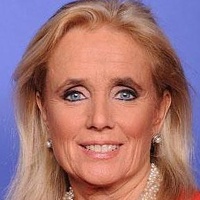
Debbie Dingell
Representative
MI
Debbie Dingell
Representative
MI
The PFAS Alternatives Act aims to protect firefighters by funding research and development for next-generation turnout gear that eliminates harmful PFAS chemicals. The bill establishes grants through NIOSH to create safer, PFAS-free protective equipment and separate funding for training programs on the proper care of this new gear. Ultimately, this legislation seeks to reduce occupational illness and injury among fire and EMS personnel.
The SAFE STEPS for Veterans Act of 2025 establishes a dedicated VA Office of Falls Prevention to standardize care, boost research, and implement educational campaigns to reduce falls among veterans.
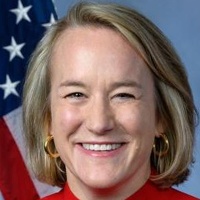
Nicole (Nikki) Budzinski
Representative
IL
Nicole (Nikki) Budzinski
Representative
IL
The SAFE STEPS for Veterans Act of 2025 establishes a dedicated Office of Falls Prevention within the VA to centralize and standardize all efforts to reduce falls among veterans. This office will set care standards, oversee national education campaigns, and promote research into evidence-based prevention programs. The Act also mandates specific falls risk assessments and prevention services for veterans in VA nursing homes and updates requirements for extended care services.
The Captive Primate Safety Act of 2025 bans the interstate commerce, breeding, and possession of most nonhuman primates, with limited exceptions for existing registered owners and research facilities.

Mike Quigley
Representative
IL
Mike Quigley
Representative
IL
The Captive Primate Safety Act of 2025 amends the Lacey Act to prohibit the importation, sale, breeding, and possession of most nonhuman primates across state lines. This sweeping ban includes species like monkeys and lemurs, with limited exceptions for registered research facilities and existing owners who register their animals promptly. The law establishes immediate prohibitions, even before the Secretary of the Interior finalizes all associated regulations.
This bill expands the definition of highly compensated individuals whose executive pay is not tax-deductible for corporations, applying to tax years beginning after December 31, 2024.
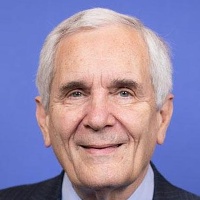
Lloyd Doggett
Representative
TX
Lloyd Doggett
Representative
TX
The Stop Subsidizing Multimillion Dollar Corporate Bonuses Act expands the tax code rules that limit corporate deductions for excessive executive compensation. This bill broadens the definition of "covered individuals" whose high pay is subject to these limits, including certain past top executives. The changes aim to prevent companies from deducting multi-million dollar bonuses for highly compensated employees and grant the IRS authority to issue clarifying regulations.
This Act establishes a grant program through the Department of Homeland Security to fund medical care for retired Federal working dogs living with their former handlers.
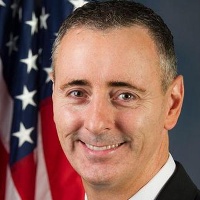
Brian Fitzpatrick
Representative
PA
Brian Fitzpatrick
Representative
PA
The Honoring our K9 Heroes Act establishes a new grant program administered by the Department of Homeland Security to help cover medical expenses for retired Federal working dogs. Eligible non-profit organizations with a history of supporting these retired K9s can apply for funding. This initiative is authorized with $1 million annually from Fiscal Year 2026 through 2030 to support dogs living with their former handlers.
This resolution recognizes the impact of menstrual stigma and expresses support for designating May as National Menstrual Health Awareness Month to promote education, research, and equitable access to care.
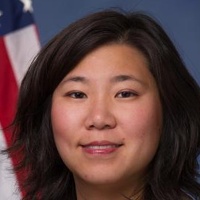
Grace Meng
Representative
NY
Grace Meng
Representative
NY
This resolution expresses strong support for designating May as "National Menstrual Health Awareness Month." It recognizes the significant impact that menstruation stigma has on the health, education, and economic participation of women and people who menstruate. The bill advocates for increased education, better access to care for menstrual conditions, and greater clinical research into women's reproductive health.
This Act expands the Occupational Safety and Health Act (OSHA) to explicitly cover all public employees of the United States, states, and local governments.
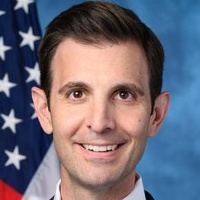
Chris Deluzio
Representative
PA
Chris Deluzio
Representative
PA
The Public Service Worker Protection Act expands the Occupational Safety and Health Act (OSHA) to explicitly cover all public employees, including those working for federal, state, and local governments. This change brings public sector workers under the general protections afforded by OSHA. While the expansion takes effect generally within 90 days, states without an existing OSHA plan are given a three-year transition period before federal oversight applies to their employees.
This bill mandates that certain immigration officers prominently display large, visible identification during all immigration enforcement actions.
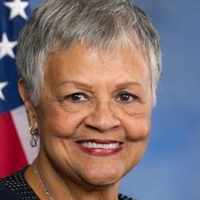
Bonnie Watson Coleman
Representative
NJ
Bonnie Watson Coleman
Representative
NJ
This bill mandates that certain immigration officers from agencies like CBP and ICE must clearly display large, highly visible identification during all enforcement actions. The identification, at least 12x6 inches, cannot be obscured by external gear like body armor. This ensures clear identification of immigration officers while they are actively carrying out their duties.
This bill bans the manufacture, sale, and transfer of specific semiautomatic assault weapons and large-capacity ammunition feeding devices while grandfathering existing possessions and establishing new transfer requirements.
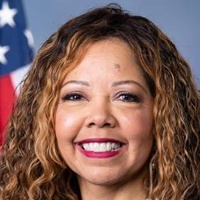
Lucy McBath
Representative
GA
Lucy McBath
Representative
GA
The Assault Weapons Ban of 2025 comprehensively defines and bans the manufacture, sale, and transfer of specific semiautomatic assault weapons and large capacity ammunition feeding devices. The bill grandfathers existing weapons but imposes new requirements for their secure storage and mandates dealer involvement for future private transfers. It also allows federal grant money to be used by states for buy-back programs targeting these banned items.
This act establishes a grant program through the NSF to boost the participation and retention of women, underrepresented minorities, and people with disabilities in STEM fields.
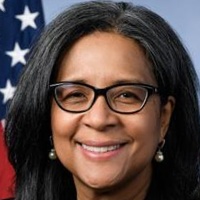
Marilyn Strickland
Representative
WA
Marilyn Strickland
Representative
WA
The Women and Underrepresented Minorities in STEM Booster Act of 2025 establishes a new grant program managed by the National Science Foundation. This program is designed to increase the participation and retention of women, underrepresented minorities, and people with disabilities in science, technology, engineering, and math (STEM) fields. Funds will support activities such as mentoring, internships, and outreach aimed at addressing documented gaps in STEM education and the workforce. Congress has authorized $15 million annually for this initiative from 2026 through 2030.
This resolution expresses support for designating the last Tuesday of April as "APOL1-Mediated Kidney Disease (AMKD) Awareness Day" to promote education and genetic testing for this serious health disparity affecting people of African descent.
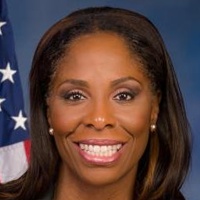
Stacey Plaskett
Representative
VI
Stacey Plaskett
Representative
VI
This resolution expresses the support of Congress for designating the last Tuesday of April as "APOL1-Mediated Kidney Disease (AMKD) Awareness Day." It highlights the disproportionate impact of AMKD, often linked to APOL1 gene variants common in people of African descent, on kidney health. The bill encourages public education and genetic testing to help identify at-risk individuals early. Ultimately, it aims to raise awareness to reduce kidney disease disparities and promote further research into specific treatments.
The Consent is Key Act increases federal grant funding for states that enact laws allowing civil lawsuits against individuals who remove sexual protection barriers without consent.
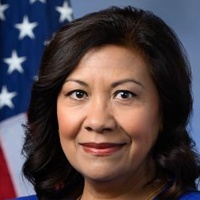
Norma Torres
Representative
CA
Norma Torres
Representative
CA
The Consent is Key Act increases federal grant funding for states that enact laws allowing civil lawsuits against individuals who remove sexual protection barriers without consent. To receive this increased funding, states must apply to the Attorney General, detailing their compliance with the new law. This funding boost, capped at 20% of recent averages, is available for a four-year period.
This bill establishes a universal, comprehensive national health insurance program called "Medicare for All" that eliminates patient cost-sharing and transitions the nation away from private insurance duplication.

Pramila Jayapal
Representative
WA
Pramila Jayapal
Representative
WA
The Medicare for All Act establishes a universal, nationwide health insurance program providing comprehensive coverage for all U.S. residents with no out-of-pocket costs. It fundamentally restructures healthcare financing by implementing global budgets for institutions and a new fee schedule for individuals, while phasing out existing federal programs like Medicare and Medicaid. The legislation also sets strict quality standards for providers and creates a dedicated Trust Fund to manage the system's finances.
This bill establishes a federal civil cause of action against individuals who remove a sexual protection barrier without consent during sexual contact, provided the act involves interstate commerce or travel.
Norma Torres
Representative
CA
Norma Torres
Representative
CA
The Stealthing Act of 2025 establishes a federal civil right of action against individuals who remove a sexual protection barrier, such as a condom, during sexual contact without the partner's consent. This law recognizes the non-consensual removal of protection as a serious violation exposing victims to risks like STIs and pregnancy. Victims can sue for damages if the act involved interstate travel, commerce, or communication.
The Equality Act comprehensively prohibits discrimination based on sex, sexual orientation, and gender identity across key areas including public accommodations, employment, housing, credit, and jury service.
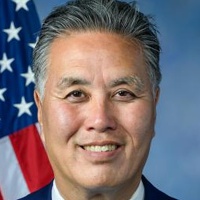
Mark Takano
Representative
CA
Mark Takano
Representative
CA
The Equality Act comprehensively expands federal civil rights protections against discrimination based on sex, sexual orientation, and gender identity across key areas of American life. It amends existing laws to prohibit discrimination in public accommodations, housing, credit, employment, and federal funding. The purpose of the bill is to provide consistent, explicit, and comprehensive remedies for individuals facing bias in these essential sectors.
This bill repeals the Arctic National Wildlife Refuge oil and gas program and designates over 1.5 million acres of the refuge as protected wilderness.
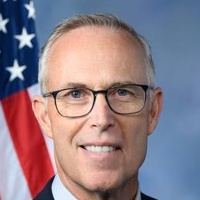
Jared Huffman
Representative
CA
Jared Huffman
Representative
CA
The Arctic Refuge Protection Act officially repeals the previous law authorizing oil and gas leasing in the Arctic National Wildlife Refuge. This legislation simultaneously designates approximately 1.56 million acres within the Refuge as protected wilderness under the National Wilderness Preservation System. The Secretary of the Interior is now required to manage this newly designated land according to strict wilderness preservation standards.