Legislative Activity
Track Melanie's sponsored bills, co-sponsored legislation, and voting record
This act repeals specific sections of a prior reconciliation act to restore previous laws affecting American families and farmers.
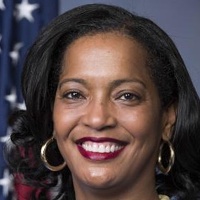
Jahana Hayes
Representative
CT
Jahana Hayes
Representative
CT
The Restoring Food Security for American Families and Farmers Act of 2025 aims to strengthen domestic food security by repealing specific sections of a prior reconciliation act. This action effectively revives the original laws that were previously amended by the repealed provisions. The bill seeks to revert existing agricultural and food-related statutes to their pre-amendment status.
This Act establishes new regulations and serial number requirements for tableting and encapsulating machines and their critical parts to combat illicit drug manufacturing.
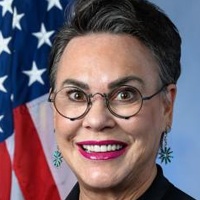
Harriet Hageman
Representative
WY
Harriet Hageman
Representative
WY
The Fight Illicit Pill Presses Act amends the Controlled Substances Act to regulate equipment used in illicit drug manufacturing. This legislation requires manufacturers and distributors of tableting and encapsulating machines, and their critical parts, to apply permanent serial numbers to these items. The bill also prohibits the removal or alteration of these required serial numbers.
This resolution supports the goals of National Domestic Violence Awareness Month, highlights the pervasive and devastating impact of intimate partner violence across all demographics, and calls for increased funding for prevention and support programs.

Al Green
Representative
TX
Al Green
Representative
TX
This resolution designates October as National Domestic Violence Awareness Month to highlight the widespread and devastating impact of intimate partner violence across all demographics. It recognizes the urgent need to eliminate domestic violence and supports increased funding for intervention and prevention programs. The resolution underscores the severe physical, emotional, and economic toll this abuse takes on individuals, families, and communities.
This bill extends and modifies various tax credits for energy production, efficiency improvements, and clean vehicle adoption to lower energy costs and support American energy leadership.
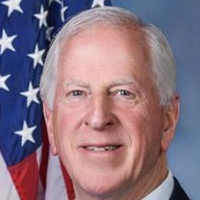
Mike Thompson
Representative
CA
Mike Thompson
Representative
CA
The American Energy Independence and Affordability Act is a comprehensive bill designed to lower energy costs by extending and adjusting key tax incentives across energy production, efficiency, and clean vehicle adoption. It stabilizes support for renewable energy manufacturing, extends deadlines for energy-efficient building credits, and ensures consumer incentives for electric vehicles remain available through 2032. Overall, the legislation aims to provide long-term certainty for energy investments and consumer adoption of cleaner technologies.
This bill mandates that group health plans and insurers provide comprehensive coverage for all stages and modalities of breast or chest wall reconstruction, including symmetry procedures and complication treatment, following breast cancer treatment.
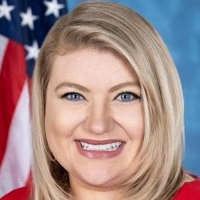
Katherine Cammack
Representative
FL
Katherine Cammack
Representative
FL
The Women’s Health and Cancer Rights Modernization Act of 2025 mandates that group health plans and issuers provide comprehensive coverage for all stages of breast or chest wall reconstruction following breast cancer treatment. This coverage must include every modality, type, and procedural variation of reconstruction, as well as treatment for related complications like lymphedema. Furthermore, the bill requires plans to ensure in-network access to providers for these services and prohibits discrimination against patients seeking reconstruction.
This bill strengthens and enforces mandatory country of origin labeling requirements specifically for beef, protecting the authority to enforce these standards against international trade challenges.
Harriet Hageman
Representative
WY
Harriet Hageman
Representative
WY
The Country of Origin Labeling Enforcement Act of 2025 updates existing agricultural law to specifically clarify and strengthen country of origin labeling requirements for beef. This bill ensures that beef labeling rules mirror those currently applied to lamb and venison, including for ground products. Furthermore, it explicitly protects the Secretary of Agriculture's authority to enforce these beef labeling standards against any conflicting international trade rulings.
This resolution formally recognizes the significant and systemic pay disparity faced by disabled women compared to both disabled and non-disabled men, reaffirming a commitment to achieving equal pay.

Sheila Cherfilus-McCormick
Representative
FL
Sheila Cherfilus-McCormick
Representative
FL
This resolution officially recognizes the significant and systemic pay disparities faced by disabled women compared to both disabled and non-disabled men. It highlights stark statistics showing disabled women earn substantially less across various racial and ethnic groups. While not enacting new law, the resolution reaffirms Congress's commitment to addressing the underlying barriers that perpetuate this unfair wage gap.
The FALCON Act of 2025 mandates that federal employees, contractors, and grant recipients cooperate with Inspector General requests for information within 60 days or face administrative discipline.
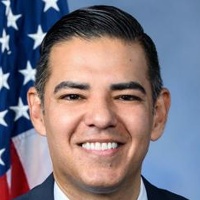
Robert Garcia
Representative
CA
Robert Garcia
Representative
CA
The FALCON Act of 2025 mandates that federal employees, contractors, and grant recipients must cooperate with requests from an agency's Inspector General (IG) within 60 days. Failure to comply can result in administrative discipline for employees or adverse actions for contractors, as determined by the agency head. The IG must report any non-compliance to Congress and the relevant agency head within 30 days of determination. This legislation strengthens oversight by ensuring timely access to information for internal watchdogs.
This resolution supports designating the week beginning October 12, 2025, as National Wildlife Refuge Week to celebrate the vital conservation, economic, and recreational contributions of the National Wildlife Refuge System.
Mike Thompson
Representative
CA
Mike Thompson
Representative
CA
This resolution officially designates the week beginning October 12, 2025, as "National Wildlife Refuge Week" to honor the importance of the National Wildlife Refuge System. It recognizes the system's critical role in protecting over 850 million acres of habitat, supporting threatened species, and providing vital economic and recreational benefits nationwide. The bill also highlights the system's commitment to urban access and collaboration with Tribal and Native Hawaiian communities.
This resolution formally recognizes the vital role of Spanish-language media in informing, connecting, and strengthening diverse communities across the United States.
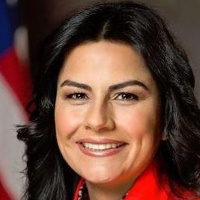
Nanette Barragán
Representative
CA
Nanette Barragán
Representative
CA
This resolution formally recognizes the vital role Spanish-language media plays in informing, educating, and connecting over 41 million Spanish speakers across the United States. It highlights how these outlets strengthen democracy by ensuring broad access to essential information and celebrate the rich cultural contributions of the Latino community. Ultimately, the bill encourages continued support for these crucial media sources nationwide.
This resolution demands the President promptly transmit all documents related to potential furloughs, pay withholding, and legal justifications concerning federal employees affected by a funding lapse starting October 1, 2025.
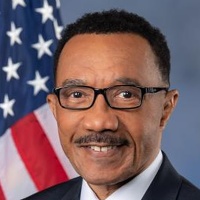
Kweisi Mfume
Representative
MD
Kweisi Mfume
Representative
MD
This resolution is an official request demanding the President transmit specific, unredacted documents to the House of Representatives within 14 days. Congress is seeking all communications and records related to potential furloughs, layoffs, or the withholding of pay for federal employees due to a funding lapse beginning October 1, 2025. The request specifically targets documents concerning legal opinions that might undermine the requirement to pay furloughed workers after appropriations resume.
The FAST Justice Act allows federal employees or job applicants to file a civil lawsuit in district court if the Merit Systems Protection Board (MSPB) fails to decide their appeal within 120 days.

James Walkinshaw
Representative
VA
James Walkinshaw
Representative
VA
The Fair Access to Swift and Timely Justice Act, or FAST Justice Act, allows federal employees or job applicants to file a civil lawsuit in federal district court if the Merit Systems Protection Board (MSPB) fails to issue a decision on their appeal within 120 days. This provision provides an alternative remedy when the MSPB's review process causes undue delay. Filing a lawsuit pauses the MSPB appeal, but the original appeal rights remain intact if the lawsuit is dismissed.
The TAAP Act reauthorizes and expands the Transboundary Aquifer Assessment Program to include Arizona, updates its annual funding authorization through 2033, and modifies its expiration date.
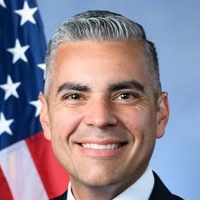
Juan Ciscomani
Representative
AZ
Juan Ciscomani
Representative
AZ
The Transboundary Aquifer Assessment Program Act (TAAP Act) reauthorizes and updates the existing program for assessing shared underground water resources between the U.S. and Mexico. This update officially expands the program's scope to include Arizona alongside Texas and New Mexico. Furthermore, the bill authorizes $1.5 million annually for the program from fiscal years 2026 through 2033.
This Act provides appropriations and mandates contract price adjustments to compensate federal contractor employees for losses incurred due to funding lapses or government shutdowns.

Ayanna Pressley
Representative
MA
Ayanna Pressley
Representative
MA
The Fair Pay for Federal Contractors Act of 2025 ensures that employees of federal contractors are compensated for losses incurred due to government funding lapses or shutdowns. It requires federal agencies to adjust existing contracts to cover reasonable costs associated with furloughs, pay cuts, or mandatory leave taken by contractor employees. The bill appropriates necessary funds to cover these contract price adjustments and mandates public reporting on the compensation provided.
The Child Care for Every Community Act establishes a national framework to guarantee universal access to high-quality, regulated early learning programs with mandated national standards and comparable pay for staff.
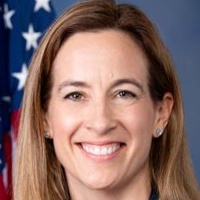
Mikie Sherrill
Representative
NJ
Mikie Sherrill
Representative
NJ
The Child Care for Every Community Act establishes a national framework to guarantee universal access to high-quality, regulated child care and early learning programs for every young child. It mandates federal standards for quality, ensures child care staff receive pay comparable to K-12 employees, and requires local coordination with school systems. Furthermore, the bill protects existing state funding levels and caps family fees based on income.
The No Shame at School Act of 2025 mandates that schools must eliminate meal debt stigma by prohibiting overt identification of students who owe fees and ensuring immediate action to certify eligible children for free or reduced-price meals.

Ilhan Omar
Representative
MN
Ilhan Omar
Representative
MN
The No Shame at School Act of 2025 mandates that schools must stop shaming students over unpaid meal debt by prohibiting overt identification or segregation of students who owe fees. This law requires local agencies to actively pursue free meal certification for students with outstanding balances and prevents schools from taking food away after it has been served. Furthermore, it establishes strict rules for debt collection, forbidding communication directed at the child and banning the use of third-party debt collectors.
This bill prohibits the removal of Federal employees during a lapse in discretionary appropriations, ensuring job security for civil servants during government shutdowns.
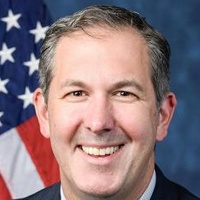
Johnny Olszewski
Representative
MD
Johnny Olszewski
Representative
MD
This bill prohibits federal agencies from removing civil service employees during any lapse in discretionary appropriations, commonly known as a government shutdown. If an employee is terminated in violation of this rule during a shutdown, they will have the option to be reinstated with full back pay once funding resumes. This measure aims to protect federal workers from job loss caused by budget impasses.
**Katie Meyer's Law mandates that colleges receiving federal funding must offer students accused of misconduct the option of having a trained adviser present during disciplinary proceedings.**
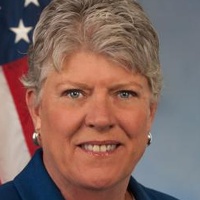
Julia Brownley
Representative
CA
Julia Brownley
Representative
CA
Katie Meyer's Law mandates that colleges and universities receiving federal funding must provide students accused of code of conduct violations the option to have a trained adviser assist them through the disciplinary process. Students can choose their own adviser or request an independent one provided by the institution. Additionally, the bill updates campus security reporting requirements to include incidents of suicide.
This resolution condemns using federal regulatory power or litigation to suppress lawful political speech critical of a party or the President, warning against authoritarianism.
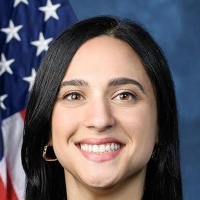
Yassamin Ansari
Representative
AZ
Yassamin Ansari
Representative
AZ
This resolution strongly condemns attempts to use federal regulatory power or litigation to suppress lawful speech critical of a political party or the President. It reaffirms the fundamental importance of the First Amendment and warns that such actions resemble tactics used by authoritarian regimes. The bill urges government agencies to protect free expression and ensure accountability, not political censorship.
The Safe Step Act mandates that group health plans using medication step therapy establish clear, timely exception processes for patients and doctors when required drugs are medically inappropriate or ineffective.

Rick Allen
Representative
GA
Rick Allen
Representative
GA
The Safe Step Act establishes mandatory, transparent exception processes for health plans that use "step therapy" protocols for prescription drugs. This ensures patients or their doctors can quickly request coverage for a prescribed medication when specific clinical criteria are met, such as previous treatment failure or risk of harm. Plans must decide on standard requests within 72 hours and urgent requests within 24 hours, and approved exceptions must last for at least one year. Furthermore, insurers must report detailed data annually on exception requests, approvals, and denials to the Secretary of Health and Human Services.