The Vet CENTERS for Mental Health Act of 2026 mandates that the Department of Veterans Affairs establish and maintain a minimum number of Vet Centers in every state based on geographic size and veteran population.
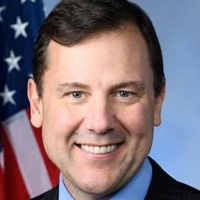
Thomas Kean
Representative
NJ-7
The Vet CENTERS for Mental Health Act of 2026 mandates that the Department of Veterans Affairs ensure every state meets a minimum threshold of Vet Centers based on land area and veteran population. This legislation aims to improve accessibility by requiring the establishment of additional centers or outstations to guarantee that veterans nationwide have consistent, reliable access to mental health resources.
New Vet Center Mandate: VA Must Add Mental Health Hubs Based on State Size and Veteran Population by 2027
The Vet CENTERS for Mental Health Act of 2026 is a straightforward push to fix a geographic math problem: currently, where a veteran lives dictates how easily they can get mental health support. This bill sets a hard deadline of one year for the VA to ensure every state meets a new minimum quota of 'covered Vet Centers.' For the lower 48 states, the bill uses two metrics to decide how many centers you get: one for every 30,000 square miles or one for every 55,000 veterans—whichever number is higher. For places like Alaska, Hawaii, and Puerto Rico, the law ensures they either keep what they had in 2020 or have at least one center, whichever is greater.
Mapping Out Mental Health
To hit these new targets, the VA isn't just required to build from scratch. Section 2 allows the Secretary to partner with local governments or Indian tribes to use existing buildings, which could speed up the rollout in rural areas where construction is slow but the need is high. If you’re a veteran in a sprawling state like Montana or a densely populated one like Florida, this could mean a significantly shorter drive to talk to a counselor. The bill defines a 'covered' center as one open at least 40 hours a week (8 hours a day, 5 days a week), ensuring these aren't just 'ghost offices' with limited hours.
The Outstation Option
There is a bit of a loophole in how these centers are built. If a state needs more than one new location to meet its quota, the VA only has to build one full-scale Vet Center. For the rest of the requirement, they can use 'outstations.' The good news? These outstations are required to provide childcare services—a massive win for parents who usually have to choose between a therapy appointment and finding a sitter. The catch is that the Secretary has the discretion to decide when an outstation is 'enough' versus a full center, which could lead to a difference in the depth of services available depending on your zip code.
Flexibility or a Loophole?
While the 40-hour work week requirement is solid, the bill (Section 2) gives the VA Secretary the power to temporarily close centers for 'appropriate reasons.' While this covers obvious stuff like snowstorms or pandemics, the phrasing is a bit vague. For a veteran relying on a weekly session, 'appropriate' needs to stay strictly defined so that staffing shortages don't become an excuse for reduced access. Overall, this bill moves the needle from 'we provide services' to 'we provide services where you actually live,' forcing the bureaucracy to keep pace with the real-world distribution of the veteran community.