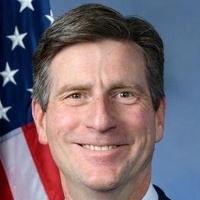
Legislative Activity
Track Greg's sponsored bills, co-sponsored legislation, and voting record
This resolution directs the President to remove U.S. Armed Forces from hostilities with Iran, unless necessary for imminent self-defense.
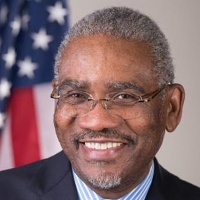
Gregory Meeks
Representative
NY
Gregory Meeks
Representative
NY
This resolution directs the President, under the War Powers Resolution, to remove U.S. Armed Forces from hostilities involving Iran. The order mandates withdrawal unless forces are necessary for imminent self-defense of the U.S. or its allies. Any continued defensive action must comply with existing War Powers reporting requirements.
This bill officially renames the United States Postal Service facility in Marana, Arizona, to the Mayor Ed Honea Memorial Post Office.
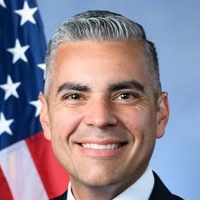
Juan Ciscomani
Representative
AZ
Juan Ciscomani
Representative
AZ
This bill officially renames the United States Postal Service facility located at 13355 North Lon Adams Road in Marana, Arizona. The facility will now be known as the Mayor Ed Honea Memorial Post Office. This designation will be reflected in all official records and documents referencing the location.
This bill officially renames the United States Postal Service facility at 12208 North 19th Avenue in Phoenix, Arizona, as the Officer Zane T. Coolidge Post Office.
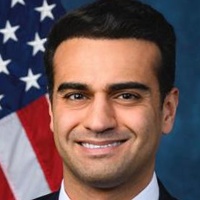
Abraham Hamadeh
Representative
AZ
Abraham Hamadeh
Representative
AZ
This bill officially renames the United States Postal Service facility located at 12208 North 19th Avenue in Phoenix, Arizona. The facility will now be known as the Officer Zane T. Coolidge Post Office. This designation standardizes the name for all official federal records and documents.
This bill establishes a commission of medical and former government experts to evaluate a President's physical or mental capacity to discharge the duties of the office when directed by Congress.
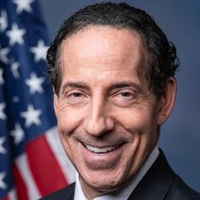
Jamie Raskin
Representative
MD
Jamie Raskin
Representative
MD
This bill establishes the Commission on Presidential Capacity to Discharge the Powers and Duties of the Office, a body tasked with evaluating the physical or mental fitness of the President. The Commission, composed of medical experts and former high-ranking officials, can be directed by Congress to examine the President. Its findings regarding the President's ability to execute their duties are then reported to Congress and the Vice President.
This resolution honors the University of Michigan Wolverines for their historic 2026 NCAA Division I Men's Basketball Championship victory.
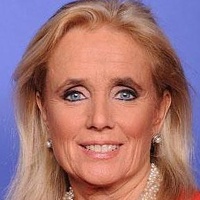
Debbie Dingell
Representative
MI
Debbie Dingell
Representative
MI
This resolution formally congratulates the University of Michigan men's basketball team on winning the 2026 NCAA Division I National Championship. It honors the players, coaching staff, and the university community for their historic season and record-breaking performance. The bill further invites the team to be recognized at the United States Capitol for their achievement.
This Act establishes a federal program to secure critical undersea infrastructure, specifically prioritizing the protection of Taiwan’s telecommunications and energy networks against sabotage through enhanced monitoring, international cooperation, and the imposition of sanctions.
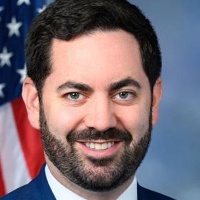
Michael Lawler
Representative
NY
Michael Lawler
Representative
NY
The Critical Undersea Infrastructure Resilience Initiative Act establishes a comprehensive federal program to protect vital subsea energy and telecommunications networks from sabotage and foreign threats. The bill specifically creates a dedicated initiative to bolster the security of undersea infrastructure near Taiwan through enhanced monitoring, rapid response protocols, and international cooperation. Additionally, it mandates sanctions against those responsible for infrastructure sabotage and requires the development of interagency contingency plans to address potential crises in the Taiwan Strait.
The Native American Housing Assistance and Self-Determination Modernization Act of 2026 streamlines environmental reviews, reauthorizes critical housing funding, and expands support for tribal homeownership, veteran assistance, and infrastructure development.
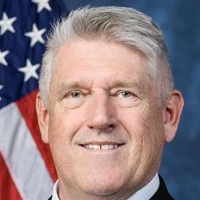
Troy Downing
Representative
MT
Troy Downing
Representative
MT
The Native American Housing Assistance and Self-Determination Modernization Act of 2026 streamlines federal housing programs to better support tribal communities. The bill simplifies environmental review processes, expands homeownership and rental assistance opportunities, and reauthorizes critical funding through 2032. Additionally, it enhances tribal authority over housing management, improves access to loan guarantees, and establishes new support programs for homeless or at-risk Native American veterans.
This resolution expresses concern over unauthorized workforce reductions at FEMA, CISA, and TSA, calling for an immediate halt to these cuts and a full accounting to ensure the continued security of the nation.
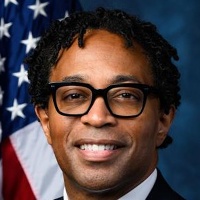
Wesley Bell
Representative
MO
Wesley Bell
Representative
MO
This resolution expresses deep concern over unauthorized workforce reductions at FEMA, CISA, and TSA, which have compromised national security and disaster response capabilities. It asserts that these cuts violate federal law and congressional appropriations, calling on the administration to halt further personnel reductions and provide a full accounting of the staffing losses. Ultimately, the bill reaffirms the necessity of a stable, professional career workforce to ensure the safety and security of the United States.
This resolution formally recognizes the persistence of the gender wage gap in the United States and reaffirms a commitment to achieving equal pay for equal work.
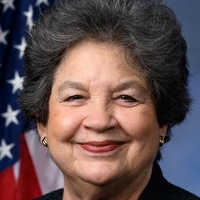
Lois Frankel
Representative
FL
Lois Frankel
Representative
FL
This resolution formally recognizes the persistent gender wage gap in the United States and its significant negative impact on women, families, and the national economy. It highlights the systemic factors contributing to pay disparities across various demographics and occupations. Ultimately, the resolution reaffirms Congress's commitment to achieving equal pay for equal work.
The PREDICT Act prohibits federal officials and their associates from trading in prediction markets tied to political event outcomes.
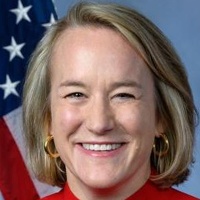
Nicole (Nikki) Budzinski
Representative
IL
Nicole (Nikki) Budzinski
Representative
IL
The PREDICT Act prohibits federal officials, including members of Congress, the President, and high-level executive and judicial employees, from trading in prediction markets tied to political events. The bill mandates financial penalties for violations, requires the disgorgement of any profits, and ensures public transparency by requiring ethics offices to disclose all assessed fines.
The Supporting VA Families Act provides Department of Veterans Affairs employees with four additional weeks of unpaid parental leave following the birth, adoption, or foster placement of a child.
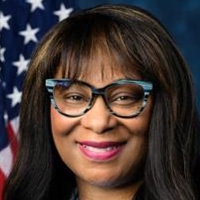
Janelle Bynum
Representative
OR
Janelle Bynum
Representative
OR
The Supporting VA Families Act establishes a supplemental parental leave program for Department of Veterans Affairs employees. This legislation provides eligible staff with four additional administrative weeks of unpaid leave following the birth, adoption, or foster care placement of a child. This benefit is designed to supplement, rather than replace, existing family and medical leave entitlements.
The Energy Bills Relief Act aims to lower energy costs for families by reversing clean energy rollbacks, expanding assistance programs, streamlining grid upgrades, and increasing transparency in utility regulation.
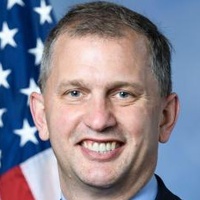
Sean Casten
Representative
IL
Sean Casten
Representative
IL
The Energy Bills Relief Act is a comprehensive bill designed to lower energy costs for American families, accelerate the deployment of low-cost, clean energy, and modernize the nation's electricity grid. It achieves this by reversing harmful policies against renewables, expanding energy assistance programs, streamlining grid connection processes, and increasing transparency in utility regulation. Ultimately, the legislation aims to create a more reliable, affordable, and cleaner energy system while ensuring communities have a stronger voice in energy development.
The Momnibus Act is a comprehensive legislative package designed to improve maternal health outcomes and reduce racial disparities by addressing social determinants, expanding nutritional and mental health support, diversifying the perinatal workforce, and investing in data-driven, community-based care.
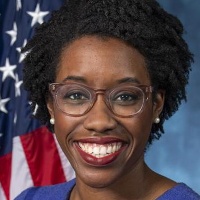
Lauren Underwood
Representative
IL
Lauren Underwood
Representative
IL
The Momnibus Act is a comprehensive legislative package designed to end preventable maternal mortality and close racial and ethnic disparities in maternal health outcomes. By addressing social determinants of health, expanding nutritional and mental health support, and investing in a diverse, culturally competent workforce, the bill provides a holistic framework for improving care. Through targeted federal grants, enhanced data collection, and innovative technology, the Act aims to ensure that all pregnant and postpartum individuals receive the equitable, high-quality care they deserve.
This bill establishes an interest-bearing U.S. Treasury account to manage state contributions for the Lower Colorado River Multi-Species Conservation Program.
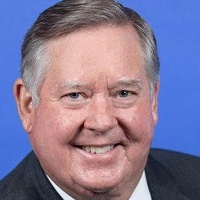
Ken Calvert
Representative
CA
Ken Calvert
Representative
CA
The Lower Colorado River Multi-Species Conservation Program Amendment Act of 2025 establishes a dedicated, interest-bearing account within the U.S. Treasury to manage non-federal contributions for the program. This legislation streamlines the handling of state funding and clarifies the investment authority and expenditure processes for these conservation resources.
This bill redesignates the Chiricahua National Monument as the Chiricahua National Park while mandating the protection of and tribal access to traditional cultural and religious sites within the park.
Juan Ciscomani
Representative
AZ
Juan Ciscomani
Representative
AZ
The Chiricahua National Park Act redesignates the existing Chiricahua National Monument in Arizona as Chiricahua National Park. This legislation ensures the continued administration of the site under National Park Service standards while mandating the protection of and tribal access to traditional cultural and religious sites within the park's boundaries.
The Enhanced Iran Sanctions Act of 2025 mandates broad economic and immigration sanctions on foreign individuals, entities, and financial institutions that support Iran’s nuclear, missile, drone, or terrorist activities, while specifically targeting the country's petroleum and petrochemical sectors.
Michael Lawler
Representative
NY
Michael Lawler
Representative
NY
The Enhanced Iran Sanctions Act of 2025 strengthens U.S. policy by imposing mandatory sanctions on foreign persons and financial institutions that support Iran’s nuclear, ballistic missile, drone, and terrorist activities. The bill specifically targets Iran’s petroleum and petrochemical sectors to cut off funding for these malign programs. Additionally, it expands the State Department’s "Rewards for Justice" program to incentivize the reporting of individuals who evade these sanctions.
This resolution urges the President to order U.S. flags flown at half-staff to honor the life and legacy of civil rights leader Reverend Jesse Jackson.
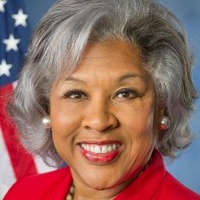
Joyce Beatty
Representative
OH
Joyce Beatty
Representative
OH
This resolution formally honors the life and enduring legacy of civil rights leader Reverend Jesse Louis Burns Jackson, Sr. It recognizes his significant contributions to the Civil Rights Movement, including his work with Dr. Martin Luther King, Jr. and his founding of Operation PUSH. The bill specifically urges the President to order that the U.S. flag be flown at half-staff in his memory.
This bill prohibits the Secretary of Homeland Security from imposing arbitrary monetary thresholds that delay or restrict the disbursement of FEMA disaster relief funds.
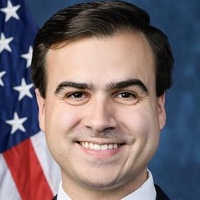
Pablo José Hernández Rivera
Representative
PR
Pablo José Hernández Rivera
Representative
PR
The Disaster Aid Without Delay Act of 2026 prohibits the Secretary of Homeland Security from imposing arbitrary monetary thresholds on FEMA disaster relief funding. This legislation ensures that essential emergency assistance is not delayed or restricted by fixed dollar-amount requirements, streamlining the disbursement of aid to those in need.
The PrEP Access and Coverage Act of 2026 mandates comprehensive, cost-free insurance coverage for HIV prevention services across public and private health plans while prohibiting discriminatory insurance practices and funding national education and outreach programs.
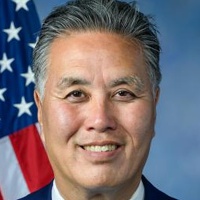
Mark Takano
Representative
CA
Mark Takano
Representative
CA
The PrEP Access and Coverage Act of 2026 mandates comprehensive, cost-free insurance coverage for HIV prevention services (PrEP and PEP) across private health plans, Medicare, Medicaid, TRICARE, and veteran health programs. The bill prohibits insurers from denying coverage or increasing premiums based on the use of HIV prevention medication and establishes robust patient confidentiality protections. Additionally, it authorizes national public health education campaigns and provides grant funding to expand access to prevention services for uninsured and underinsured populations.
This bill strengthens democracy by banning foreign spending in U.S. elections, increasing transparency for "dark money" in politics, and mandating clear disclosure of funders in political advertising.
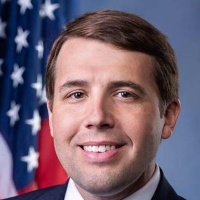
Chris Pappas
Representative
NH
Chris Pappas
Representative
NH
The Democracy Is Strengthened by Casting Light On Spending in Elections Act of 2026 aims to increase transparency and security in U.S. elections. It closes loopholes to ban foreign national spending in elections, mandates disclosure for "dark money" political spending, and requires clear funding disclosures on political ads. The bill also centralizes legal challenges to campaign finance laws in Washington, D.C., for faster resolution.