Legislative Activity
Track Mary's sponsored bills, co-sponsored legislation, and voting record
This bill amends the Immigration and Nationality Act to include Irish nationals in the E-3 visa program under specific conditions and numerical limitations, requiring employer participation in E-Verify.
Richard Neal
Representative
MA
Richard Neal
Representative
MA
This bill amends the Immigration and Nationality Act to include Irish nationals in the E-3 visa program if reciprocity is determined by the Secretary of State. Employers hiring Irish nationals under this program must participate in E-Verify. The number of E-3 visas available to Irish nationals annually is capped at the difference between 10,500 and the number of visas issued to Australian nationals in the previous fiscal year.
The "Ending DOGE Conflicts Act" mandates financial disclosures for special government employees who own or lead companies contracting with the federal government, ensuring transparency and preventing conflicts of interest.

John Larson
Representative
CT
John Larson
Representative
CT
The "Ending DOGE Conflicts Act" mandates that special government employees with financial ties to companies contracting with the federal government must adhere to strict financial disclosure requirements. It requires the Director of the Office of Government Ethics to certify these employees' financial reports and prohibits them from performing official duties until compliance is confirmed.
Prohibits federal funds from being used to eliminate the United States Agency for International Development (USAID) as an independent entity, requiring the Secretary of State to certify compliance.
Sara Jacobs
Representative
CA
Sara Jacobs
Representative
CA
The "Protect US National Security Act" ensures that federal funds cannot be used to eliminate the United States Agency for International Development (USAID) as an independent entity. It asserts that only an act of Congress can eliminate USAID. The Secretary of State must certify compliance with this requirement to Congress within 30 days of the act's enactment and annually for 5 years.
The SHIELD Act of 2025 makes it a federal crime to knowingly distribute intimate visual depictions without consent, with exceptions for law enforcement, reporting illegal activity, and legitimate purposes, while also protecting communications service providers from liability unless they intentionally solicit or knowingly distribute the content.
Jefferson Van Drew
Representative
NJ
Jefferson Van Drew
Representative
NJ
The "SHIELD Act of 2025" aims to protect individuals from the non-consensual distribution of intimate visual depictions, establishing federal offenses and penalties for those who knowingly distribute such images with reckless disregard for the depicted individual's lack of consent, or distribute depictions of nude minors. It defines key terms, sets forth specific offenses, and outlines penalties including fines and imprisonment, while also providing exceptions for law enforcement activities, good-faith distributions, and protecting communications service providers from liability under certain conditions. The act also addresses threats related to the distribution of intimate images and establishes extraterritorial jurisdiction in certain cases.
The Protect Our Letter Carriers Act of 2025 authorizes $7 billion to upgrade postal security infrastructure while mandating dedicated federal prosecutors for postal crimes and increasing sentencing guidelines for assaults against postal employees.
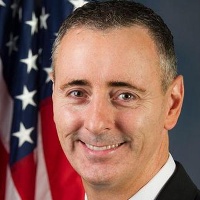
Brian Fitzpatrick
Representative
PA
Brian Fitzpatrick
Representative
PA
The Protect Our Letter Carriers Act of 2025 aims to enhance the safety of postal workers by funding high-security infrastructure upgrades, including electronic mailbox keys. The bill also mandates the appointment of dedicated federal prosecutors for postal crimes in every judicial district and requires stricter sentencing guidelines for those who assault or rob postal employees.
The "Taxpayer Data Protection Act" limits access to the Treasury Department's payment systems to authorized personnel and requires investigation and reporting of unauthorized access.

Haley Stevens
Representative
MI
Haley Stevens
Representative
MI
The Taxpayer Data Protection Act limits access to the Treasury Department's payment systems to Treasury employees or contractors with satisfactory performance reviews and security clearances. It sets specific criteria for individuals accessing the system, including conflict of interest restrictions, training, and ethics agreements. The Act also mandates the Treasury Department's Inspector General to investigate and report to Congress on any unauthorized system use.
The Scientific Integrity Act mandates federal agencies to establish and enforce scientific integrity policies that protect scientific research from political interference, ensure open communication of scientific findings, and provide whistleblower protection for scientists.
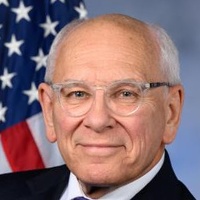
Paul Tonko
Representative
NY
Paul Tonko
Representative
NY
The Scientific Integrity Act mandates that federal agencies that fund, conduct, or oversee scientific research establish and enforce scientific integrity policies. These policies aim to protect scientists from political interference, ensure the open communication of scientific findings, and establish clear processes for reporting and addressing scientific misconduct. The Act requires agencies to appoint Scientific Integrity Officers, provide regular training, and report on misconduct complaints, with oversight from the Office of Science and Technology Policy and Congress. It also protects the rights of federal employees and contractors to share their findings and prevents the suppression or distortion of scientific data.
The "Protecting Sensitive Locations Act" restricts immigration enforcement actions at sensitive locations like schools and places of worship, requiring discretion and oversight.
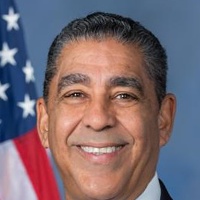
Adriano Espaillat
Representative
NY
Adriano Espaillat
Representative
NY
The "Protecting Sensitive Locations Act" amends the Immigration and Nationality Act to restrict immigration enforcement actions within 1,000 feet of sensitive locations like schools, hospitals, and places of worship, except in exigent circumstances. It mandates training, reporting, and oversight for enforcement activities near these locations, and invalidates evidence obtained in violation of the Act. The Act aims to ensure discretion and limit enforcement impact on sensitive community spaces, while also requiring annual reports to Congress on enforcement actions taken in sensitive locations.
The Right to Contraception Act establishes a federal right to obtain and use contraception and prohibits government interference with access to contraceptive services and information.

Lizzie Fletcher
Representative
TX
Lizzie Fletcher
Representative
TX
The Right to Contraception Act establishes a federal right for individuals to access and use contraception without government interference. It prohibits federal and state governments from enacting laws that restrict access to contraceptives or the provision of related services. The Act provides clear enforcement mechanisms, allowing individuals and the Attorney General to sue to strike down any rule that violates these protections.
This resolution supports the goals and ideals of "Career and Technical Education Month" by recognizing the vital role of CTE programs in building a skilled workforce and strengthening the U.S. economy.
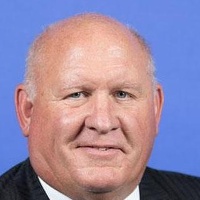
Glenn Thompson
Representative
PA
Glenn Thompson
Representative
PA
This resolution supports the designation of "Career and Technical Education Month" to celebrate the vital role of CTE programs in building a skilled workforce. It highlights how these programs provide students with essential training and credentials that align with modern economic demands. Furthermore, it encourages educators and parents to promote CTE as a respected and effective educational pathway for future success.
This resolution expresses the House of Representatives' formal disapproval of granting pardons to individuals convicted of assaulting Capitol Police officers.
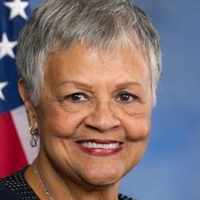
Bonnie Watson Coleman
Representative
NJ
Bonnie Watson Coleman
Representative
NJ
This resolution expresses the formal disapproval of the House of Representatives regarding the granting of pardons to individuals convicted of assaulting Capitol Police officers. It serves as a clear statement of opposition toward clemency for those who committed violent acts against law enforcement during the attack on the U.S. Capitol.
This bill codifies Executive Order 11246 to establish the principles of Equal Employment Opportunity as permanent federal law.

Shontel Brown
Representative
OH
Shontel Brown
Representative
OH
This bill formally codifies Executive Order 11246, "Equal Employment Opportunity," into federal law. By establishing these protections as statute, the legislation ensures the long-standing mandate against employment discrimination by federal contractors remains permanent and legally binding.
The No Tax Breaks for Outsourcing Act amends the Internal Revenue Code to eliminate tax incentives for offshoring by reforming international corporate taxation, tightening interest deduction rules, and closing loopholes used by inverted and foreign-managed corporations.

Lloyd Doggett
Representative
TX
Lloyd Doggett
Representative
TX
The **No Tax Breaks for Outsourcing Act** amends the Internal Revenue Code to discourage corporations from shifting profits and operations overseas. The bill replaces the current global intangible low-taxed income (GILTI) regime with a "net CFC tested income" system, implements country-by-country tax reporting, and limits interest deductions for large international groups. Additionally, it strengthens rules to prevent corporate inversions and treats foreign corporations managed within the United States as domestic entities for tax purposes.
The Caring for All Families Act expands the Family and Medical Leave Act to cover a broader range of family relationships and introduces new leave entitlements for parental involvement and routine family wellness.
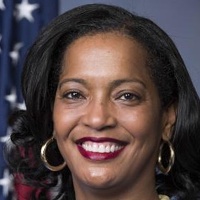
Jahana Hayes
Representative
CT
Jahana Hayes
Representative
CT
The Caring for All Families Act expands the Family and Medical Leave Act (FMLA) to allow employees to take job-protected leave to care for a broader range of family members, including domestic partners, extended relatives, and individuals with close, family-like bonds. Additionally, the bill introduces a new leave entitlement for parental involvement and family wellness, providing up to 24 hours of leave per year for school activities and routine medical care. These updates apply to both private-sector and federal employees to better support modern caregiving needs.
The Stop Arming Cartels Act of 2025 bans the sale of .50 caliber rifles, restricts firearm transfers to designated foreign narcotics traffickers, and allows civil lawsuits against gun manufacturers who knowingly supply prohibited individuals.
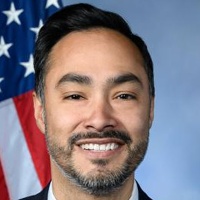
Joaquin Castro
Representative
TX
Joaquin Castro
Representative
TX
The Stop Arming Cartels Act of 2025 aims to curb the flow of firearms to criminal organizations by banning the future manufacture and import of .50 caliber rifles and requiring dealers to report multiple rifle sales. The bill also strengthens background checks to block firearm transfers to designated foreign narcotics traffickers and removes legal liability protections for gun manufacturers or sellers who knowingly supply these prohibited individuals.
The Access to Counsel Act requires the Department of Homeland Security to provide individuals undergoing secondary or deferred immigration inspection with meaningful access to legal counsel and interested parties.

Pramila Jayapal
Representative
WA
Pramila Jayapal
Representative
WA
The Access to Counsel Act ensures that U.S. nationals, lawful permanent residents, and valid visa holders have the right to consult with legal counsel and interested parties during secondary or deferred immigration inspections at ports of entry. The bill mandates that this access be provided within one hour of inspection and offers specific protections for permanent residents regarding the abandonment of their status. By guaranteeing this support, the legislation aims to provide individuals with meaningful advocacy and assistance during the inspection process.
The Stop the Wait Act of 2025 eliminates the five-month waiting period for Social Security Disability Insurance (SSDI) benefits and removes the 24-month Medicare waiting period for eligible individuals lacking affordable health coverage.
Lloyd Doggett
Representative
TX
Lloyd Doggett
Representative
TX
The Stop the Wait Act of 2025 aims to provide faster financial and medical support to individuals with disabilities by eliminating the five-month waiting period for Social Security Disability Insurance (SSDI) benefits by 2030. Additionally, the bill removes the 24-month Medicare waiting period for SSDI recipients who lack access to affordable health insurance, ensuring they can access necessary medical coverage sooner.
The NO BAN Act prohibits religious discrimination in immigration and establishes stricter oversight and evidentiary requirements for the President’s authority to suspend or restrict entry into the United States.
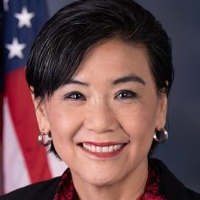
Judy Chu
Representative
CA
Judy Chu
Representative
CA
The NO BAN Act prohibits discrimination in immigration based on religion, race, sex, nationality, or place of birth. It also places strict limitations on the President’s authority to suspend or restrict entry into the United States, requiring evidence-based justification, congressional oversight, and public reporting. These measures ensure that any future immigration restrictions are narrowly tailored and subject to judicial review.
This resolution expresses strong support for the U.S. Department of Education and public K-12 schools, while formally opposing any efforts to defund, dismantle, or weaken federal support for public education.
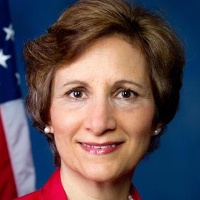
Suzanne Bonamici
Representative
OR
Suzanne Bonamici
Representative
OR
This resolution affirms strong support for the U.S. Department of Education and its critical role in funding and protecting public K-12 schools. It emphasizes the importance of federal investment in closing opportunity gaps and ensuring civil rights protections for all students. Furthermore, the bill explicitly condemns any efforts to defund public education, dismantle the Department of Education, or divert public funds to private school vouchers.
This bill provides a 6.62 percent Medicare payment increase for physicians and practitioners from April through December 2025 to help stabilize medical practices.
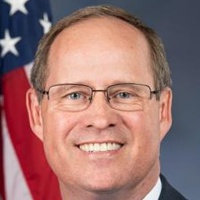
Gregory Murphy
Representative
NC
Gregory Murphy
Representative
NC
The Medicare Patient Access and Practice Stabilization Act of 2025 aims to support healthcare providers by extending Medicare payment adjustments through the end of 2025. Specifically, the bill provides a 6.62 percent payment increase for services rendered between April 1, 2025, and December 31, 2025, to help practitioners adjust to evolving Medicare payment policies.