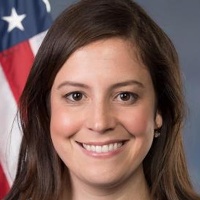
Legislative Activity
Track Elise's sponsored bills, co-sponsored legislation, and voting record
This bill mandates the revision of the Standard Occupational Classification system to establish a distinct code for Direct Support Professionals to better recognize their critical role in supporting individuals with disabilities.
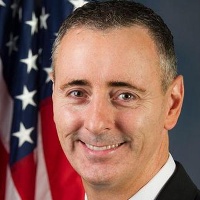
Brian Fitzpatrick
Representative
PA
Brian Fitzpatrick
Representative
PA
The Recognizing the Role of Direct Support Professionals Act aims to address the critical shortage and high turnover among Direct Support Professionals (DSPs) who assist individuals with intellectual and developmental disabilities. The bill mandates that the Office of Management and Budget review and revise the Standard Occupational Classification system to establish a distinct code for DSPs. This change will allow for more accurate labor market data collection to better support these essential workers. The Act does not authorize any new funding.
This bill mandates that a percentage of federal cancer research funds, based on the proportion of the US population under 18, must be dedicated to pediatric cancer research starting in fiscal year 2026.
Brian Fitzpatrick
Representative
PA
Brian Fitzpatrick
Representative
PA
The Fairness to Kids with Cancer Act of 2025 mandates that a specific, population-based percentage of total Federal cancer research funds must be dedicated to pediatric cancer research each fiscal year starting in 2026. This required percentage will be calculated annually based on the ratio of the U.S. population under age 18 to the total U.S. population. This ensures federal research funding reflects the proportion of children affected by cancer.
This resolution honors the service and sacrifice of America's veterans and reaffirms the nation's commitment to supporting them and their families.
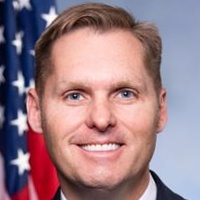
Michael Guest
Representative
MS
Michael Guest
Representative
MS
This resolution honors the service and sacrifice of America's veterans on Veterans Day, 2025, recognizing the history of the observance from Armistice Day. It affirms the nation's deep commitment to supporting the over 15 million veterans and their families. The resolution calls upon the public to observe Veterans Day and ensure veterans continue to receive the services they deserve.
This Act requires Executive agencies to report detailed data on furloughed and non-furloughed employees following a lapse in appropriations, and mandates the CBO to report on the economic effects of such lapses.
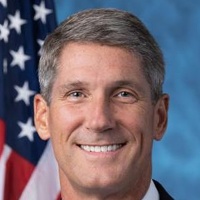
C. Franklin
Representative
FL
C. Franklin
Representative
FL
The Non-Essential Workers Transparency Act mandates that Executive agencies report detailed information regarding furloughed employees, known as "covered employees," following a lapse in appropriations. These reports must be submitted to relevant congressional committees and subsequently published online. Additionally, the Congressional Budget Office is required to produce and release a public report detailing the economic effects of the funding lapse.
The UNtaxed Act prohibits the United Nations from imposing taxes or fees on U.S. citizens and companies and restricts federal funding for any UN-led global carbon tax initiatives.
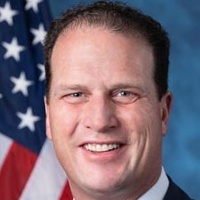
August Pfluger
Representative
TX
August Pfluger
Representative
TX
The UNtaxed Act prohibits the United Nations and its affiliated bodies from imposing taxes, fees, or penalties on U.S. citizens and companies without formal Senate approval. Additionally, the bill restricts U.S. funding for any UN organization involved in the implementation or enforcement of a global carbon tax.
This act ensures the uninterrupted funding of the Supplemental Nutrition Assistance Program (SNAP) for fiscal year 2026, even if Congress delays passing the full USDA budget.
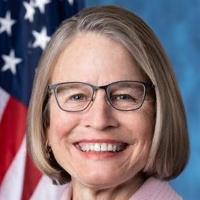
Mariannette Miller-Meeks
Representative
IA
Mariannette Miller-Meeks
Representative
IA
The Keep SNAP Funded Act of 2025 ensures that Supplemental Nutrition Assistance Program (SNAP) benefits continue without interruption if Congress fails to pass the full Department of Agriculture budget by October 1, 2025. This legislation authorizes automatic funding from the Treasury to maintain benefit payments. Furthermore, it guarantees that any benefits missed due to a funding lapse will be paid retroactively once the bill is enacted.
This bill authorizes the striking and presentation of a Congressional Gold Medal to Donald J. Trump in recognition of his alleged extraordinary peacemaking efforts and brokered international agreements.
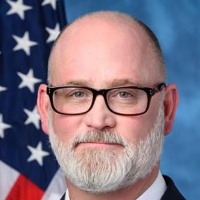
Derrick Van Orden
Representative
WI
Derrick Van Orden
Representative
WI
This bill authorizes the striking and presentation of a Congressional Gold Medal to Donald J. Trump in recognition of his alleged extraordinary peacemaking efforts globally. Congress specifically cites several purported international peace deals and ceasefires secured by the former President as justification for this high honor. The Act also outlines the process for creating and selling bronze duplicates of the medal to cover production costs.
This resolution supports designating September 30, 2025, as "Impact Aid Recognition Day" to celebrate the 75th anniversary of the federal program that financially supports school districts impacted by tax-exempt federal property and federally connected students.
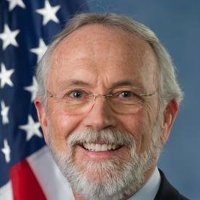
Dan Newhouse
Representative
WA
Dan Newhouse
Representative
WA
This resolution designates September 30, 2025, as "Impact Aid Recognition Day" to celebrate the 75th anniversary of the Impact Aid program. The program provides essential financial assistance to local school districts that educate students living on tax-exempt federal property. This recognition underscores Congress's continued commitment to ensuring quality education for federally connected students.
The Pray Safe Act of 2025 establishes a Department of Homeland Security Federal Clearinghouse to publish evidence-based safety and security best practices and information on federal grants for nonprofit organizations, faith-based organizations, and houses of worship.
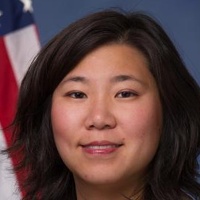
Grace Meng
Representative
NY
Grace Meng
Representative
NY
The Pray Safe Act of 2025 establishes a Federal Clearinghouse within the Department of Homeland Security to publish evidence-based safety and security best practices for nonprofit organizations, faith-based organizations, and houses of worship. This Clearinghouse will centralize information on security recommendations and available federal grant programs to help these entities prevent and respond to threats. The Act also mandates a GAO report evaluating existing federal security grant programs for these organizations.
This bill officially designates the United States Postal Service facility at 47 Echo Avenue in Miller Place, New York, as the "Christopher Pendergast Post Office Building."
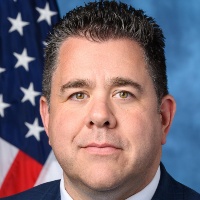
Nicolas LaLota
Representative
NY
Nicolas LaLota
Representative
NY
This bill officially designates the United States Postal Service facility located at 47 Echo Avenue in Miller Place, New York, as the "Christopher Pendergast Post Office Building." The legislation ensures that all official government records and documents reflect this new name for the location.
This bill officially renames the Department of Veterans Affairs medical center in Northport, New York, as the Navy (SEAL) Lieutenant Michael P. Murphy VA Medical Center to honor his Medal of Honor service.
Nicolas LaLota
Representative
NY
Nicolas LaLota
Representative
NY
This bill officially renames the Department of Veterans Affairs medical center in Northport, New York, in honor of Navy SEAL Lieutenant Michael P. Murphy. The renaming recognizes his ultimate sacrifice and heroism during Operation Red Wings in Afghanistan, for which he was posthumously awarded the Medal of Honor. This designation will serve as a permanent tribute to his legacy of courage and service.
This bill officially renames the United States Postal Service facility at 240 Main Street in Northport, New York, as the "Coast Guard Petty Officer 3rd Class Nate Bruckenthal Post Office Building."
Nicolas LaLota
Representative
NY
Nicolas LaLota
Representative
NY
This bill officially renames the United States Postal Service facility at 240 Main Street in Northport, New York. The building will now be known as the "Coast Guard Petty Officer 3rd Class Nate Bruckenthal Post Office Building." This action ensures all official records reflect the new designation honoring Petty Officer Bruckenthal.
This Act codifies and sets conditions for waiving existing visa sanctions against members of the Palestine Liberation Organization and Palestinian Authority officials based on their commitment to counterterrorism and peace efforts.
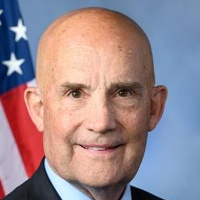
Keith Self
Representative
TX
Keith Self
Representative
TX
The Return to Palestinian Entities Accountability and Counterterrorism Enforcement Act, or the Return to PEACE Act, ensures that existing visa sanctions against members of the Palestine Liberation Organization (PLO) and Palestinian Authority (PA) officials remain in effect. The Secretary of State can waive these bans for renewable 180-day periods only after certifying to Congress that the PLO/PA are not undermining prior commitments, pursuing international legal action against Israel, or supporting terrorism. These provisions are set to expire seven years after enactment.
The FARMS Act temporarily pauses the calculation of the Adverse Effect Wage Rate (AEWR) for H-2A agricultural workers for up to two years if a valid current rate cannot be determined.
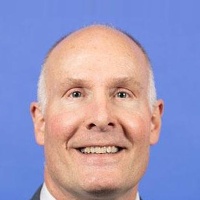
John Moolenaar
Representative
MI
John Moolenaar
Representative
MI
The FARMS Act temporarily pauses the calculation of the Adverse Effect Wage Rate (AEWR) for H-2A agricultural visa workers for up to two years. This allows the Secretary of Labor to continue using the existing AEWR if a reliable new calculation method cannot be determined. The goal is to maintain wage stability for temporary foreign agricultural workers during this period.
This bill officially designates the United States Postal Service facility at 170 Main Street in Westhampton Beach, New York, as the "Jolly 51 Memorial Post Office Building."
Nicolas LaLota
Representative
NY
Nicolas LaLota
Representative
NY
This bill officially renames the United States Postal Service facility at 170 Main Street in Westhampton Beach, New York. The building will henceforth be known as the "Jolly 51 Memorial Post Office Building." This designation ensures all federal references to the location use the new memorial name.
This bill officially renames the Department of Veterans Affairs clinic in Riverhead, New York, to the "Private First Class Garfield M. Langhorn VA Clinic" to honor his heroic sacrifice.
Nicolas LaLota
Representative
NY
Nicolas LaLota
Representative
NY
This bill officially renames the Department of Veterans Affairs clinic in Riverhead, New York, to honor a local hero. The facility will now be known as the "Private First Class Garfield M. Langhorn VA Clinic." This designation recognizes PFC Langhorn's extraordinary bravery and ultimate sacrifice while serving in Vietnam.
This resolution honors the life and legacy of Charles "Charlie" James Kirk, condemns his assassination as political violence, and calls for a renewed commitment to civil discourse and American founding principles.

Mike Johnson
Representative
LA
Mike Johnson
Representative
LA
This resolution honors the life and legacy of Charles "Charlie" James Kirk, founder of Turning Point USA. It strongly condemns his assassination as an act of political violence. The bill calls for a renewed national commitment to civil discourse and the founding principles of the United States.
This Act expands integrated cross-border law enforcement operations, particularly with Canada, and enhances legal protections and cooperation mechanisms for U.S. and foreign law enforcement personnel working together internationally.
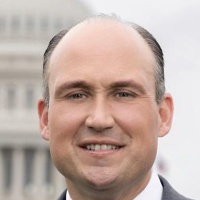
Nicholas Langworthy
Representative
NY
Nicholas Langworthy
Representative
NY
The Integrated Cross-Border Law Enforcement Operations Expansion Act encourages the Secretary of Homeland Security to enhance joint law enforcement operations with Canada across land, air, and sea borders. This legislation also grants authority to establish agreements that provide legal protections to designated foreign law enforcement officers working alongside U.S. Customs officials. Furthermore, it allows for the stationing of U.S. law enforcement personnel overseas and the acceptance of foreign personnel in the U.S. for cooperative security missions.
This bill posthumously awards a Congressional Gold Medal to Welles Remy Crowther for his heroic actions during the September 11, 2001, attacks.
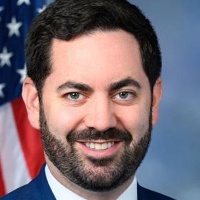
Michael Lawler
Representative
NY
Michael Lawler
Representative
NY
This bill, the Welles Remy Crowther Congressional Gold Medal Act, authorizes the posthumous presentation of a Congressional Gold Medal to Welles Remy Crowther for his extraordinary heroism and sacrifice during the September 11, 2001, attacks. The medal will be presented to his mother, Alison Crowther, on behalf of Congress. The Act also permits the creation and sale of bronze duplicates to cover production costs.
This resolution supports designating the week of September 21 through September 27, 2025, as "Gold Star Families Remembrance Week" to honor the families of fallen service members.
Dan Newhouse
Representative
WA
Dan Newhouse
Representative
WA
This resolution supports designating the week of September 21 through September 27, 2025, as "Gold Star Families Remembrance Week." The measure aims to officially recognize and honor the profound sacrifices made by families who have lost a loved one serving in the U.S. Armed Forces. It encourages communities nationwide to observe this week through acts of service and by celebrating the lives of these fallen service members.