Legislative Activity
Track Brad's sponsored bills, co-sponsored legislation, and voting record
This bill strengthens democracy by banning foreign spending in U.S. elections, increasing transparency for "dark money" in politics, and mandating clear disclosure of funders in political advertising.
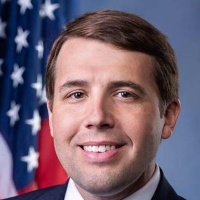
Chris Pappas
Representative
NH
Chris Pappas
Representative
NH
The Democracy Is Strengthened by Casting Light On Spending in Elections Act of 2026 aims to increase transparency and security in U.S. elections. It closes loopholes to ban foreign national spending in elections, mandates disclosure for "dark money" political spending, and requires clear funding disclosures on political ads. The bill also centralizes legal challenges to campaign finance laws in Washington, D.C., for faster resolution.
This resolution honors the life, legacy, and enduring commitment to civil rights and equality of Reverend Jesse Louis Jackson, Sr.
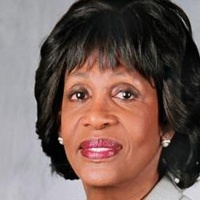
Maxine Waters
Representative
CA
Maxine Waters
Representative
CA
This resolution honors the life, leadership, and enduring legacy of Reverend Jesse Louis Jackson, Sr. It recognizes his pivotal role as a civil rights leader, his groundbreaking political campaigns, and his global advocacy for human rights and equality. The measure encourages all Americans to continue his work by moving forward with hope rather than fear and division.
The Trade Adjustment Assistance Modernization Act expands and strengthens federal support, training, and financial aid for workers, firms, communities, and farmers negatively impacted by international trade.

Linda Sánchez
Representative
CA
Linda Sánchez
Representative
CA
The Trade Adjustment Assistance Modernization Act strengthens and expands federal support for American workers, businesses, communities, and farmers negatively impacted by international trade. This legislation increases financial benefits, improves access to retraining and healthcare subsidies, and provides new economic development grants for distressed regions. By extending these programs through 2033, the bill ensures a more robust, long-term safety net for those navigating the challenges of a changing global economy.
This resolution demands the President, Treasury Secretary, and Homeland Security Secretary provide the House with documents related to the implementation and enforcement of the information-sharing agreement between Treasury and Homeland Security concerning nontax criminal enforcement.
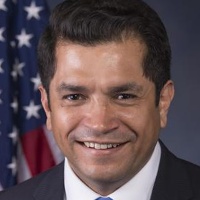
Jimmy Gomez
Representative
CA
Jimmy Gomez
Representative
CA
This resolution demands that the President, Treasury Secretary, and Homeland Security Secretary provide the House of Representatives with specific documents related to the "Memorandum of Understanding for the Exchange of Information for Nontax Criminal Enforcement." The request focuses on all communications and policies concerning the disclosure and handling of taxpayer return information between the two departments. The required information must be furnished within 14 days, subject to necessary legal redactions.
This bill authorizes the use of Emancipation Hall in the Capitol Visitor Center for a Holocaust Remembrance ceremony on April 14, 2026.
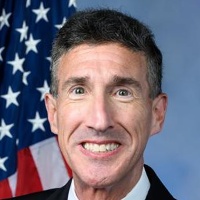
David Kustoff
Representative
TN
David Kustoff
Representative
TN
This bill authorizes the use of Emancipation Hall in the Capitol Visitor Center for a ceremony commemorating the Days of Remembrance of victims of the Holocaust. The specified date for this event is April 14, 2026. Any necessary physical preparations for the ceremony must adhere to the conditions set by the Architect of the Capitol.
The RELIEF Act mandates the refunding of certain tariffs collected by U.S. Customs and Border Protection under the International Emergency Economic Powers Act starting January 1, 2025.
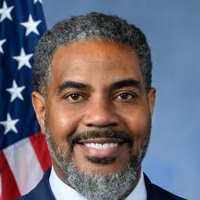
Steven Horsford
Representative
NV
Steven Horsford
Representative
NV
The RELIEF Act establishes a mandatory refund process for certain tariffs collected by U.S. Customs and Border Protection starting January 1, 2025, specifically those imposed under the International Emergency Economic Powers Act. This legislation requires the Commissioner of Customs and Border Protection to automatically issue refunds to importers within 90 days of enactment. Importers will receive these refunds without needing to file an application or protest.
This resolution demands the President and HHS Secretary provide Congress with documents related to the "Defend the Spend" freeze on child care payments to states, tribes, and territories.
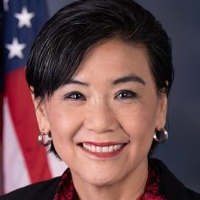
Judy Chu
Representative
CA
Judy Chu
Representative
CA
This resolution demands that the President and the Secretary of Health and Human Services provide the House of Representatives with specific documents. These documents must relate to the "Defend the Spend" freeze on child care payments distributed to states, tribes, and territories. The request seeks information regarding communications, payment delays, and contractual procedures surrounding these federal funds.
The RELIEF Act mandates that U.S. Customs and Border Protection automatically refund all tariffs collected under the International Emergency Economic Powers Act since January 1, 2025.
Steven Horsford
Representative
NV
Steven Horsford
Representative
NV
The RELIEF Act mandates that U.S. Customs and Border Protection refund all tariffs collected under the International Emergency Economic Powers Act since January 1, 2025. These refunds will be processed automatically for importers of record without the need for a formal application or protest. The agency is required to complete all disbursements within 90 days of the bill's enactment.
The Iran Human Rights, Internet Freedom, and Accountability Act of 2026 aims to support the Iranian people by expanding internet access, strengthening sanctions against regime officials, and establishing a Treasury initiative to combat Iranian government corruption and kleptocracy.
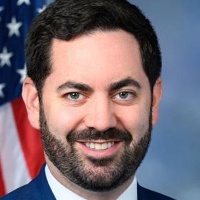
Michael Lawler
Representative
NY
Michael Lawler
Representative
NY
The Iran Human Rights, Internet Freedom, and Accountability Act of 2026 aims to support the Iranian people by expanding access to uncensored internet and communication technologies. The bill strengthens U.S. policy against regime repression by mandating investigations into human rights abuses and establishing a new Treasury initiative to combat corruption and money laundering by Iranian officials. Additionally, it enhances congressional oversight of sanctions and promotes independent media to counter state-sponsored censorship.
This bill establishes a federal process for Extreme Risk Protection Orders, creates a grant program to incentivize states to adopt similar laws, and mandates the recognition of such orders across state lines.
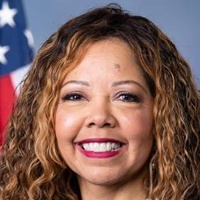
Lucy McBath
Representative
GA
Lucy McBath
Representative
GA
The Federal Extreme Risk Protection Order Act of 2026 establishes a federal process for issuing Extreme Risk Protection Orders (ERPOs) that temporarily prohibit individuals deemed a danger from possessing firearms. The bill allows family members or law enforcement to petition federal courts for temporary or long-term orders based on evidence of imminent risk of harm. Furthermore, it creates a federal grant program to incentivize and support states and tribes in implementing their own qualifying ERPO laws. Finally, it mandates that individuals subject to these federal orders surrender their firearms and ensures these orders are recognized across state lines.
This bill expands and improves agricultural cooperation, research, and trade between the United States and Israel, while also broadening the scope of the existing Binational Agricultural Research and Development Fund (BARD Fund) to include Abraham Accords signatories.
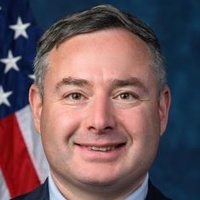
Eugene Vindman
Representative
VA
Eugene Vindman
Representative
VA
This bill aims to significantly expand and improve agricultural cooperation between the United States and Israel through enhanced joint research, development, and trade activities. It authorizes new funding streams and establishes an accelerator program to fast-track promising cooperative agricultural technologies. Furthermore, the legislation broadens the scope of the existing Binational Agricultural Research and Development (BARD) Fund to include partners from the Abraham Accords nations.
This bill expresses the House's condolences for the victims of the 2019 Aurora, Illinois mass shooting and designates February 15, 2020, as "Henry Pratt Company Victims and Aurora Heroes Day" in Illinois.
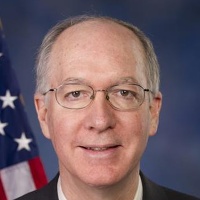
Bill Foster
Representative
IL
Bill Foster
Representative
IL
This resolution expresses the deep condolences of the House of Representatives for the victims of the February 15, 2019, mass shooting in Aurora, Illinois. It also honors the memory of those killed and commends the bravery of the first responders. Finally, the bill designates February 15, 2020, as "Henry Pratt Company Victims and Aurora Heroes Day" in Illinois.
This Act establishes the United States-Israel Defense Technology Cooperation Initiative to accelerate joint research, development, and integration of defense technologies between the two nations.
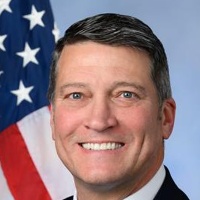
Ronny Jackson
Representative
TX
Ronny Jackson
Representative
TX
This bill establishes the United States-Israel Defense Technology Cooperation Initiative to accelerate joint research, development, and integration of critical defense technologies. The initiative focuses on key areas like AI, missile defense, and counter-drone systems to enhance the security and technological edge of both nations. It mandates regular reporting to Congress on progress and authorizes funding for fiscal years 2027 through 2029.
This Act repeals major U.S. sanctions against Cuba, normalizing trade, travel, and telecommunications while establishing a framework for property claims and human rights negotiations.
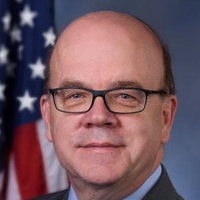
James McGovern
Representative
MA
James McGovern
Representative
MA
The United States-Cuba Trade Act of 2026 comprehensively repeals major U.S. sanctions laws against Cuba, effectively normalizing trade relations. This legislation removes restrictions on travel, exports, and financial remittances between the two nations. It also establishes a framework for the President to negotiate property claims and human rights protections with the Cuban government. The Act aims to promote democratic change in Cuba through the extension of nondiscriminatory trade treatment.
This resolution demands the President provide the House with documents regarding the Department of Government Efficiency's access to and use of Social Security Administration personal data, including NUMIDENT.
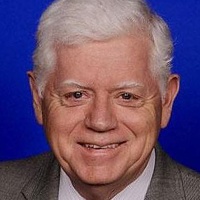
John Larson
Representative
CT
John Larson
Representative
CT
This resolution of inquiry demands the President provide the House of Representatives with specific documents related to the Department of Government Efficiency's (DOGE) access to and use of Social Security Administration data, including NUMIDENT. The request focuses on communications concerning the sharing of personally identifiable information with external groups, the Department of Homeland Security, and any potential violations of court orders. The House requires these materials within 14 days of the resolution's adoption.
This bill establishes new prerequisites for the Financial Stability Oversight Council (FSOC) before designating a nonbank financial company for enhanced Federal Reserve supervision.
Bill Foster
Representative
IL
Bill Foster
Representative
IL
This bill, the Financial Stability Oversight Council Improvement Act of 2025, establishes new procedural hurdles for the FSOC before it can designate a nonbank financial company for stricter Federal Reserve supervision. The Council must first make an initial determination, in consultation with the company and its regulator, that other actions are insufficient to address the risk. This ensures that designation is a measure of last resort against threats to U.S. financial stability.
The Internet Reach and Access Now Act establishes a program to counter Iranian internet censorship by funding technologies like VPNs and eSIMs, safeguarding satellite access, and training civil society groups to ensure the free flow of information.
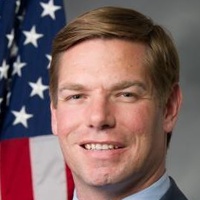
Eric Swalwell
Representative
CA
Eric Swalwell
Representative
CA
The Internet Reach and Access Now (IRAN) Act establishes a program to counter Iranian government censorship by providing technologies and support to help citizens access the open internet. It directs the Secretary of State to coordinate efforts, update strategies to ensure sanctions don't block access tools, and safeguard satellite coverage over Iran. The bill authorizes significant funding to support these initiatives, including cybersecurity training for Iranian civil society.
This act imposes a 100% tax on civil damages received by a sitting U.S. President or related persons from lawsuits filed against the United States during their term in office.
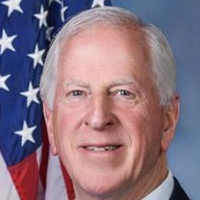
Mike Thompson
Representative
CA
Mike Thompson
Representative
CA
The Prevent Presidential Profiteering Act imposes a 100% tax on certain civil damages received by a sitting U.S. President or their related persons from lawsuits filed against the United States during their term in office. This tax is levied on the "qualified civil action amount" received from such litigation. These damages are specifically excluded from regular gross income for standard income tax purposes.
This bill establishes a new Medicare benefit and payment system for comprehensive ALS-related services, effective in 2027, while also requiring a report on clinical trial challenges.

Janice Schakowsky
Representative
IL
Janice Schakowsky
Representative
IL
The ALS Better Care Act aims to improve care for individuals with ALS by establishing new Medicare coverage for essential ALS-related services starting in 2027. This includes creating a new, single payment system for providers delivering specialized care, such as therapy and nursing support. Additionally, the bill mandates a report to address current challenges in staffing and administering ALS clinical trials.
This Act ensures federal employees and certain contractors are paid during any government shutdown in fiscal year 2026 and prohibits workforce reductions during such funding gaps.
James Walkinshaw
Representative
VA
James Walkinshaw
Representative
VA
The True Shutdown Fairness Act ensures that federal employees and certain contract employees receive their full pay and benefits during any government shutdown in fiscal year 2026. It also mandates retroactive contract price adjustments to compensate contractors for costs incurred during previous shutdowns. Furthermore, the bill prohibits federal agencies from implementing workforce reductions or placing employees on extended administrative leave during funding lapses.