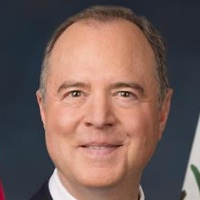
Legislative Activity
Track Adam's sponsored bills, co-sponsored legislation, and voting record
This resolution supports the Transgender Day of Remembrance by recognizing the epidemic of violence against transgender people and memorializing those lost this year.

Mazie Hirono
Senator
HI
Mazie Hirono
Senator
HI
This resolution supports the goals of Transgender Day of Remembrance by formally recognizing the epidemic of violence targeting transgender people. It specifically honors the lives lost to violence over the past year, particularly transgender women of color. The resolution calls on Congress and the executive branch to enact inclusive legislation and policies to protect transgender lives and ensure their dignity.
This Act prohibits discrimination based on religion, sex, or marital status in federally funded child welfare services while establishing measures to improve outcomes for LGBTQ youth in care.

Kirsten Gillibrand
Senator
NY
Kirsten Gillibrand
Senator
NY
The John Lewis Every Child Deserves a Family Act prohibits discrimination based on religion, sex, or marital status in federally funded child welfare services. This aims to increase the number of available, stable foster and adoptive homes, particularly for LGBTQ youth and youth of color who are overrepresented in the system. The bill mandates federal guidance, cultural competency training, and the establishment of a resource center to improve safety and permanency outcomes for all children in care. Entities found in violation may face the withholding of federal payments.
This resolution congratulates the Los Angeles Dodgers on winning the 2025 Major League Baseball World Series.
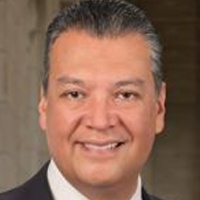
Alejandro Padilla
Senator
CA
Alejandro Padilla
Senator
CA
This resolution formally congratulates the Los Angeles Dodgers on winning the 2025 Major League Baseball World Series. It celebrates the team's dedication and historic achievement during the season. The resolution directs that official copies be sent to the team's ownership, president, and manager.
This act establishes federal requirements mandating licensed dealers to conduct background checks for most private firearm transfers between unlicensed individuals.

Christopher Murphy
Senator
CT
Christopher Murphy
Senator
CT
The Background Check Expansion Act mandates that nearly all private firearm transfers between unlicensed individuals must go through a licensed dealer to complete a federal background check. This legislation establishes a universal background check requirement for these transactions, with specific exceptions for family gifts and law enforcement transfers. The bill aims to close loopholes in existing firearm transfer laws while explicitly prohibiting the creation of a national firearms registry.
This Act prohibits discrimination in health insurance coverage for gender-affirming care, establishes grants to improve medical education and provider training in this area, and expands capacity at community health centers.
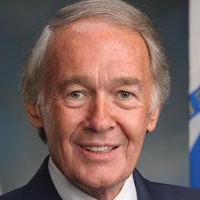
Edward Markey
Senator
MA
Edward Markey
Senator
MA
The Transgender Health Care Access Act aims to ensure equitable access to gender-affirming care by prohibiting insurance discrimination and establishing federal nondiscrimination protections. The bill also invests significantly in improving the healthcare workforce by creating grant programs to enhance medical education and training in gender-affirming and culturally competent care. Finally, it supports community health centers in building their capacity to deliver these essential services, particularly in rural areas.
The EXPERTS Act of 2025 aims to increase transparency and accountability in federal rulemaking by mandating disclosures for submitted studies, streamlining agency review processes, establishing new judicial review standards, and creating an Office of the Public Advocate.
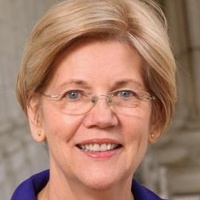
Elizabeth Warren
Senator
MA
Elizabeth Warren
Senator
MA
The EXPERTS Act of 2025 aims to reform the federal rulemaking process by increasing transparency and accountability across executive agencies. It mandates extensive disclosure requirements for studies and funding sources submitted during public comment periods and establishes new standards for judicial review of agency actions. Furthermore, the bill creates an Office of the Public Advocate to focus on social equity in regulations and streamlines the review timeline for significant regulatory actions by the Office of Information and Regulatory Affairs (OIRA).
This bill amends the Revised Statutes to allow civil actions against individuals acting under the authority of the United States or any state.

Sheldon Whitehouse
Senator
RI
Sheldon Whitehouse
Senator
RI
The Bivens Act of 2025 amends existing federal law to clarify the scope of civil actions that can be brought against individuals acting under federal authority. This legislation specifically modifies Section 1979 of the Revised Statutes to ensure its application extends to actions taken by federal agents.
This resolution recognizes National Native American Heritage Month and celebrates the rich cultures, history, and enduring contributions of Native Americans to the United States.

Lisa Murkowski
Senator
AK
Lisa Murkowski
Senator
AK
This resolution officially recognizes November as National Native American Heritage Month. It celebrates the rich cultures, histories, and significant contributions of Native Americans to the United States across various fields. The resolution also reaffirms the government's commitment to tribal self-governance and the government-to-government relationship with Indian Tribes.
This bill restricts who can donate to projects near the residences or monuments of the President or Vice President, mandates strict approval processes, and imposes severe penalties for violations.
Elizabeth Warren
Senator
MA
Elizabeth Warren
Senator
MA
The Stop Ballroom Bribery Act establishes strict rules and prohibitions on accepting donations for projects connected to the President or Vice President, including property near the White House. It bars donations from individuals or entities currently involved in litigation, seeking federal contracts, or lobbying the executive branch. The bill mandates public disclosure of donor meetings and imposes significant civil and criminal penalties for violations, including straw donations and coercion.
This act repeals a specific provision from a 2026 appropriations act to reinstate a 2005 law regarding the Legislative Branch.
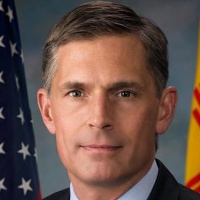
Martin Heinrich
Senator
NM
Martin Heinrich
Senator
NM
The Anti-Cash Grab Act repeals a specific provision (Section 213 of division C of the Continuing Appropriations Act, 2026). This repeal effectively restores a previous law, Section 10 of the Legislative Branch Appropriations Act, 2005. The legislation is designed to take effect retroactively as if the repealed section had never been enacted.
This bill, the Restoring Access for Detainees Act, mandates the provision of free telephone, email, and video communication services for individuals in ICE custody to ensure access to legal counsel and family contact.
Christopher Murphy
Senator
CT
Christopher Murphy
Senator
CT
This bill, the Restoring Access for Detainees Act, mandates that U.S. Immigration and Customs Enforcement (ICE) provide detained individuals with free, limited telephone and electronic communication services. It aims to ensure detainees can consult with legal counsel and maintain essential family ties at no cost. The legislation specifies minimum free calling minutes, required access for legal consultation, and prohibits monitoring of confidential communications with attorneys.
This Act ensures continuous funding for all Head Start programs through fiscal year 2026 until regular appropriations are enacted or September 30, 2026, whichever comes first.

Tammy Baldwin
Senator
WI
Tammy Baldwin
Senator
WI
The Keep Head Start Funded Act of 2025 ensures the uninterrupted continuation of all Head Start projects and activities throughout fiscal year 2026, even if full appropriations are delayed. This legislation provides necessary continuing funding based on the terms of existing 2025 continuing resolutions. Funding authority under this Act will terminate upon the enactment of regular 2026 appropriations or by September 30, 2026.
This Senate resolution urges the Department of Agriculture to immediately use its contingency funds to finance the Supplemental Nutrition Assistance Program (SNAP) through November.

Jeff Merkley
Senator
OR
Jeff Merkley
Senator
OR
This Senate resolution urges the Department of Agriculture to immediately use its contingency funds and interchange authority to ensure the Supplemental Nutrition Assistance Program (SNAP) is fully financed. The Senate asserts the administration has a legal obligation to use these existing resources to support millions of vulnerable Americans through November. This measure expresses a position and does not enact new law.
This Act prohibits the use of federal funds in fiscal year 2026 for nuclear weapons test explosions that produce a measurable yield, while allowing for zero-yield stockpile stewardship activities.
Edward Markey
Senator
MA
Edward Markey
Senator
MA
The No Nuclear Testing Act of 2025 prohibits the use of federal funds in fiscal year 2026 for any nuclear weapons test explosion that produces a measurable yield. This measure maintains the current ban on explosive testing while allowing for zero-yield stockpile stewardship activities to continue.
This resolution supports designating October 2025 as "Substance Use & Misuse Prevention Month" to raise national awareness about substance use statistics and the need for prevention.
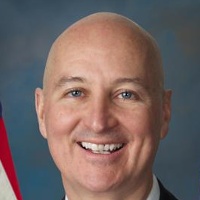
Pete Ricketts
Senator
NE
Pete Ricketts
Senator
NE
This resolution supports designating October 2025 as "Substance Use & Misuse Prevention Month" to raise national awareness about the scope of substance use in the United States. It highlights current statistics on substance use disorders and illicit drug use among Americans aged 12 and older. The measure expresses the Senate's support for effective prevention programs aimed at addressing the ongoing addiction and overdose epidemic.
This bill ensures uninterrupted funding for SNAP and WIC benefits through fiscal year 2026, covering any missed payments during a funding lapse.
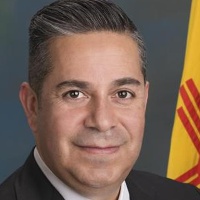
Ben Luján
Senator
NM
Ben Luján
Senator
NM
The Keep SNAP and WIC Funded Act of 2025 ensures that essential nutrition programs, including SNAP and WIC, continue to provide benefits without interruption if full appropriations for the Department of Agriculture are not enacted for Fiscal Year 2026. This legislation immediately makes funds available to cover benefits and state operating costs during any funding lapse, retroactive to September 30, 2025. These special appropriations terminate once the standard FY 2026 funding bill is passed or by September 30, 2026.
This resolution commemorates the seventh anniversary of Jamal Khashoggi's murder while calling on Saudi Arabia to hold those responsible accountable and cease its transnational repression against dissidents.
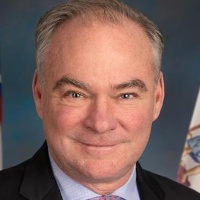
Timothy Kaine
Senator
VA
Timothy Kaine
Senator
VA
This resolution commemorates the seventh anniversary of Jamal Khashoggi's murder and addresses ongoing transnational repression by the Government of Saudi Arabia. It calls for accountability for those responsible for Khashoggi's death and urges Saudi Arabia to release all wrongfully detained individuals. Furthermore, the resolution emphasizes that these human rights abuses strain the strategic relationship between the U.S. and Saudi Arabia.
The LABEL Act mandates clear and conspicuous country of origin and production method labeling for both farm-raised and wild fish sold to consumers.

Cindy Hyde-Smith
Senator
MS
Cindy Hyde-Smith
Senator
MS
The LABEL Act mandates clear and conspicuous labeling for consumers regarding the country of origin and whether fish products are farm-raised or wild-caught. This information must be displayed prominently using a font size no smaller than the description of the fish itself. The requirements will take effect 180 days after the bill is enacted.
This Act ensures back pay for federal employees, contractors, and service members affected by a government shutdown beginning October 1, 2025, and prohibits agency staffing reductions during such lapses.

Chris Van Hollen
Senator
MD
Chris Van Hollen
Senator
MD
The True Shutdown Fairness Act ensures that federal employees, contractors, and service members affected by a government funding lapse starting October 1, 2025, receive retroactive back pay for the period they worked without funding. Additionally, the bill prohibits agencies from initiating permanent staffing reductions or furloughs during such a lapse. These provisions are designed to provide financial security and stability to essential government personnel during periods of lapsed appropriations.
This bill ensures that certain critical access hospitals that lost compliance with distance requirements after January 1, 2024, can retain their designation.
Cindy Hyde-Smith
Senator
MS
Cindy Hyde-Smith
Senator
MS
The Restoring Rural Health Act aims to support critical access hospitals facing compliance issues. This legislation specifically addresses facilities that were designated as critical access hospitals as of January 1, 2024, but subsequently receive notice of noncompliance with the distance requirement. It amends the Social Security Act to ensure these specific rural hospitals maintain their status despite the notification.