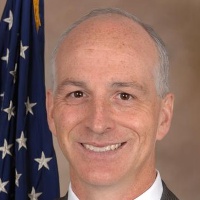
Legislative Activity
Track Adam's sponsored bills, co-sponsored legislation, and voting record
The SOAR Act of 2025 reforms Medicare oxygen benefits by removing competitive bidding, establishing specific supplier responsibilities, enhancing fraud protection through electronic documentation, and enshrining patient rights for supplemental oxygen recipients.
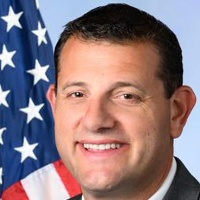
David Valadao
Representative
CA
David Valadao
Representative
CA
The SOAR Act of 2025 aims to significantly reform Medicare access to supplemental oxygen by removing it from the competitive bidding program and establishing new payment rates. The bill also mandates clearer documentation requirements for medical necessity using electronic templates and restores clinical judgment in claim audits. Finally, it establishes specific rights for oxygen beneficiaries and improves reimbursement for respiratory therapists.
This act increases federal reimbursement rates by 10 cents per meal or snack served through the Child and Adult Care Food Program and streamlines payment calculations for day care homes.
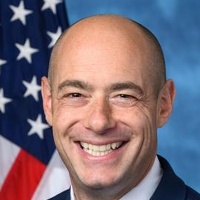
Greg Landsman
Representative
OH
Greg Landsman
Representative
OH
The Child Care Nutrition Enhancement Act of 2025 increases federal support for child care nutrition programs. This bill mandates an additional 10 cents in reimbursement for every meal or snack served through the Child and Adult Care Food Program (CACFP). It also streamlines the calculation methods for payments made to family and group day care homes participating in the program.
This bill amends the Small Business Act to make disaster loans available to small businesses for damages and resilience upgrades resulting from prolonged power outages.
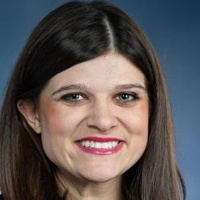
Haley Stevens
Representative
MI
Haley Stevens
Representative
MI
This bill amends the Small Business Act to allow disaster loans to be issued specifically for damages resulting from prolonged power outages. It defines a "prolonged power outage" based on the number of affected properties and the duration or severity of uninsured losses. Furthermore, the legislation permits loan funds to be used by small businesses for purchasing energy resilience systems, such as generators and solar power equipment.
This act bans bump stocks and similar devices that increase the firing rate of semi-automatic firearms, requiring registration for any previously modified weapons.
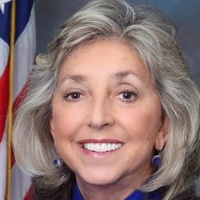
Dina Titus
Representative
NV
Dina Titus
Representative
NV
The Closing the Bump Stock Loophole Act of 2025 seeks to amend federal gun laws by banning devices and modifications that significantly increase the rate of fire of semiautomatic firearms, effectively treating them like machineguns. The bill specifically prohibits the manufacture, sale, or possession of such accessories and modified firearms after 120 days of enactment. Existing owners of previously modified firearms must register them under the National Firearms Act within that same timeframe to legally keep them.
This bill establishes the American Family Act, which revamps the Child Tax Credit into a system of refundable monthly advance payments for qualifying children and a separate credit for other dependents.
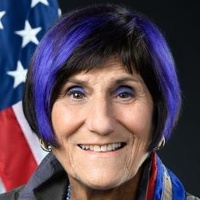
Rosa DeLauro
Representative
CT
Rosa DeLauro
Representative
CT
The American Family Act fundamentally overhauls the Child Tax Credit by replacing the annual lump sum with a system of advance, refundable monthly payments delivered directly to families. These monthly allowances vary based on the child's age, with higher amounts provided for younger children. The bill also establishes a separate, smaller credit for other dependents and outlines procedures for annual renewal and reconciliation of advance payments when filing taxes.
This bill prevents Congress from using the reconciliation process to cut funding or eligibility for Medicaid and SNAP until January 20, 2029.
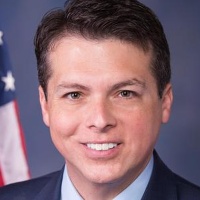
Brendan Boyle
Representative
PA
Brendan Boyle
Representative
PA
The Hands Off Medicaid and SNAP Act of 2025 prevents Congress from using the budget reconciliation process to cut funding or eligibility for Medicaid and the Supplemental Nutrition Assistance Program (SNAP). This protection establishes a significant procedural roadblock against reducing benefits for these essential social programs. However, this restriction is temporary and is set to expire on January 20, 2029.
This Act establishes federal minimum standards for public employee collective bargaining rights, allowing states to maintain their own laws if they meet or exceed these standards, otherwise the Federal Labor Relations Authority will enforce federal rules.
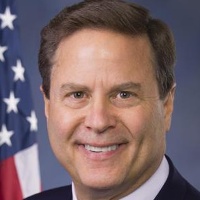
Donald Norcross
Representative
NJ
Donald Norcross
Representative
NJ
The Public Service Freedom to Negotiate Act of 2025 establishes federal minimum standards for collective bargaining rights for public employees across the nation. It requires the Federal Labor Relations Authority (FLRA) to review state laws to ensure they substantially provide these minimum rights, including the right to organize and bargain collectively. If a state fails to meet these standards, the FLRA will administer federal labor relations rules for the uncovered employees. The Act also prohibits strikes or lockouts that would measurably disrupt emergency or public safety services.
This Act allows employees to fully deduct union dues above the line and restores the itemized deduction for certain other job-related business expenses.
Brendan Boyle
Representative
PA
Brendan Boyle
Representative
PA
The Tax Fairness for Workers Act restores key federal tax deductions for employees, effective after 2024. This legislation makes union dues fully deductible "above the line," meaning they reduce Adjusted Gross Income without itemizing. Additionally, it allows itemizers to deduct certain other job-related business expenses that were previously limited.
The No Tax Breaks for Union Busting Act denies businesses tax deductions for expenses incurred while influencing employees regarding union organization and activities.
Donald Norcross
Representative
NJ
Donald Norcross
Representative
NJ
The No Tax Breaks for Union Busting (NTBUB) Act aims to disallow businesses from deducting federal income taxes for expenses incurred while attempting to influence employees regarding union organization or activities. This change is intended to stop companies from subsidizing anti-union campaigns through tax write-offs. The bill also establishes new, significant reporting requirements and penalties for businesses and third-party consultants who engage in these influence expenditures.
This bill eliminates reduced-price school meals while expanding eligibility for free meals by raising the income threshold and allowing direct certification for children receiving Medicaid.
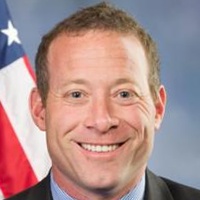
Josh Gottheimer
Representative
NJ
Josh Gottheimer
Representative
NJ
The Expanding Access to School Meals Act of 2025 aims to simplify school meal programs by eliminating the "reduced-price" meal category for both breakfast and lunch. It significantly expands eligibility for free school meals by raising the federal poverty level threshold to 224% and allowing automatic certification for children receiving Medicaid benefits. Additionally, the bill enhances financial support for schools by allowing retroactive reimbursement claims and increasing the multiplier for the Community Eligibility Program.
This act mandates the FAA to create and annually update a public list of medications deemed safe for pilots and air traffic controllers to use while maintaining their medical certification.
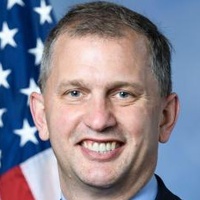
Sean Casten
Representative
IL
Sean Casten
Representative
IL
The Aviation Medication Transparency Act of 2025 mandates the Federal Aviation Administration (FAA) to create and maintain a public list of medications deemed safe for pilots and air traffic controllers to use while maintaining their medical certification. This list must be developed in consultation with relevant industry and labor groups. The FAA is required to update this comprehensive list annually, ensuring airmen and their doctors have clear guidance on medication approval status and necessary waiting periods.
The Reentry Act of 2025 allows inmates to receive Medicaid assistance during the 30 days preceding their release and mandates a comprehensive report on healthcare standards within correctional facilities.
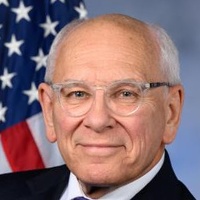
Paul Tonko
Representative
NY
Paul Tonko
Representative
NY
The Reentry Act of 2025 allows incarcerated individuals to receive medical assistance through Medicaid during the 30 days immediately preceding their release. This legislation also mandates a comprehensive report from MACPAC analyzing current healthcare standards within correctional facilities. The report will examine the impact of this coverage change and offer recommendations for improving healthcare access for those transitioning back into the community.
The Hot Foods Act of 2025 lifts the general ban on purchasing ready-to-eat hot foods with SNAP benefits while imposing a sales cap on retailers that primarily sell such items.
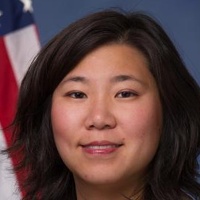
Grace Meng
Representative
NY
Grace Meng
Representative
NY
The Hot Foods Act of 2025 removes the general federal ban on using Supplemental Nutrition Assistance Program (SNAP) benefits to purchase hot, ready-to-eat foods. This legislation clarifies that hot foods are now eligible for purchase with SNAP benefits, while also setting a new rule that limits SNAP-participating retailers to deriving no more than 50% of their gross sales from these ready-to-eat hot items. The act updates existing statutes to reflect this expanded purchasing power for recipients.
This resolution formally recognizes and supports the goals and ideals of the International Transgender Day of Visibility to honor the achievements and acknowledge the ongoing struggles of the transgender community.
Sara Jacobs
Representative
CA
Sara Jacobs
Representative
CA
This resolution formally recognizes and celebrates the International Transgender Day of Visibility. Congress acknowledges the achievements of transgender individuals while highlighting the ongoing discrimination and violence they face. The resolution encourages appropriate ceremonies and activities to observe the day and celebrate the community's leadership and fight for equality.
The Hunger-Free Future Act of 2025 mandates that any adjustment to the Thrifty Food Plan used for SNAP benefits cannot result in an increase in household food insecurity.
Shontel Brown
Representative
OH
Shontel Brown
Representative
OH
The Hunger-Free Future Act of 2025 mandates that any adjustment to the Thrifty Food Plan used for calculating SNAP benefits must not result in an increase in food insecurity. This ensures that updates to the cost of the food plan do not negatively impact households' ability to afford adequate nutrition.
This Act expands and reforms the Low-Income Home Energy Assistance Program (LIHEAP) to increase funding, simplify eligibility, mandate energy efficiency upgrades, and protect low-income families from high utility costs and shutoffs.
Yassamin Ansari
Representative
AZ
Yassamin Ansari
Representative
AZ
The Heating and Cooling Relief Act aims to significantly expand and modernize energy assistance for low-income families facing high utility costs and extreme weather. It increases funding for the Low-Income Home Energy Assistance Program (LIHEAP), streamlines eligibility requirements, and mandates that energy suppliers take steps to prevent shutoffs and eliminate late fees for recipients. Furthermore, the bill prioritizes using funds for weatherization and home retrofitting to reduce fossil fuel dependence and improve climate resilience for vulnerable households.
This bill designates numerous specific tracts of land across Utah as official Wilderness Areas to preserve their unique ecological, geological, and cultural values while establishing administrative rules for their management.
Melanie Stansbury
Representative
NM
Melanie Stansbury
Representative
NM
The America's Red Rock Wilderness Act focuses on designating numerous specific tracts of land across Utah as official Wilderness Areas, granting them the highest level of federal protection. This legislation aims to preserve the unique ecological, geological, and cultural values of these diverse landscapes from development. It also establishes administrative provisions for managing these new areas, including boundary definitions, water rights, and the continuation of existing uses like livestock grazing. Ultimately, the bill significantly expands protected wilderness in Utah while safeguarding critical natural and historical resources.
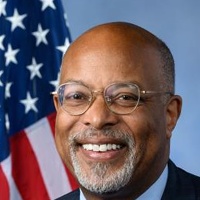
This Act raises the minimum age for Federal Firearms Licensees to sell certain semiautomatic rifles and shotguns to 21, with exceptions for qualified individuals aged 18-20, and mandates an FBI report on its public access line operations.
Glenn Ivey
Representative
MD
Glenn Ivey
Representative
MD
The Raise the Age Act of 2025 generally prohibits Federal Firearms Licensees from selling certain semiautomatic centerfire rifles or shotguns capable of holding magazines over five rounds to anyone under 21, with exceptions for qualified military or government personnel. The bill also maintains the existing minimum age of 18 for general firearm purchases, excluding the newly restricted categories. Finally, it mandates that the FBI Director report on the operational procedures of its public access line within 90 days of enactment.
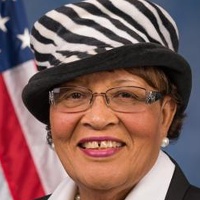
This Act removes existing restrictions and clarifies eligibility requirements for striking workers seeking Supplemental Nutrition Assistance Program (SNAP) benefits.
Alma Adams
Representative
NC
Alma Adams
Representative
NC
The Food Secure Strikers Act of 2025 aims to clarify and simplify eligibility rules for striking workers seeking Supplemental Nutrition Assistance Program (SNAP) benefits. This legislation removes outdated restrictions and clarifies the precise conditions under which participation in a labor strike affects a worker's SNAP eligibility. The goal is to streamline the existing law regarding striker access to food assistance.
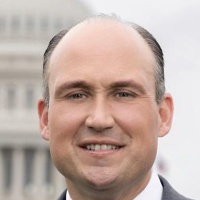
The Safer Skies Act of 2025 mandates that certain smaller charter and commuter air carriers currently exempt from TSA checkpoints must adopt the same security screening standards as larger airlines.
Nicholas Langworthy
Representative
NY
Nicholas Langworthy
Representative
NY
The Safer Skies Act of 2025 mandates enhanced security screening for certain smaller charter and commuter air carriers that sell individual passenger seats publicly. This legislation requires these specific operations, currently exempt from TSA checkpoints, to adopt the security standards applied to larger commercial airlines. The goal is to raise the baseline security level across a broader segment of air travel operations.