
Legislative Activity
Track Maria's sponsored bills, co-sponsored legislation, and voting record
This resolution expresses support for designating 2026 as the "National Year of the Volunteer" to honor service and encourage nationwide community engagement.
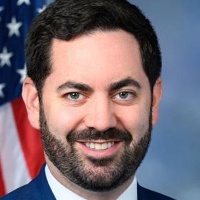
Michael Lawler
Representative
NY
Michael Lawler
Representative
NY
This resolution expresses support for designating 2026 as the "National Year of the Volunteer" to celebrate and recommit to community service. It recognizes the vital role volunteers play in strengthening communities despite recent declines in volunteer rates. The designation encourages nationwide efforts to highlight service opportunities in honor of the nation's 250th anniversary.
The PASTEUR Act of 2026 establishes a subscription-style contract program to incentivize the development and ensure the availability of novel antimicrobials against urgent threats while promoting their appropriate use.
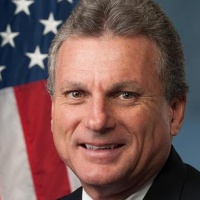
Earl Carter
Representative
GA
Earl Carter
Representative
GA
The PASTEUR Act of 2026 aims to combat antimicrobial resistance by creating a subscription-style contract program to incentivize the research and development of new, life-saving antibiotics. This program will provide substantial annual payments to drug sponsors for ensuring the availability and appropriate use of eligible antimicrobials targeting urgent threats. The bill also establishes grants to promote stewardship programs in healthcare facilities and enhance national surveillance of resistance data.
This bill mandates that unspent federal agency funds be split, with most going to debt reduction, some rolled over for one year, and a small portion used for employee retention bonuses, while also limiting future budget requests.
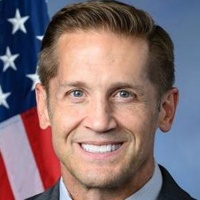
Rich McCormick
Representative
GA
Rich McCormick
Representative
GA
The Incentivize Savings Act mandates how federal agencies must handle unspent appropriations by dedicating the majority to debt reduction and allowing a portion for employee retention bonuses. This legislation also restricts future budget requests to only account for inflation unless the agency fully spends its prior allocation. Ultimately, the bill aims to encourage fiscal responsibility by linking unspent funds to debt reduction and limiting budget growth.
This Act prohibits the air transport of adult roosters, with an exemption for legitimate commercial agricultural purposes, to enhance aviation safety and combat illegal fighting operations.
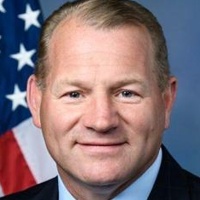
Troy Nehls
Representative
TX
Troy Nehls
Representative
TX
The No Flight, No Fight Act of 2026 restricts the air transportation of adult roosters to enhance aviation safety and combat illegal activities like cockfighting. The bill prohibits air carriers from knowingly transporting adult roosters as cargo, with an exemption for shipments related to certified commercial farms for legitimate agricultural purposes. Enforcement authority rests with the Secretary of Transportation, and violations are subject to civil penalties.
The Internet Reach and Access Now Act establishes a program to counter Iranian internet censorship by funding technologies like VPNs and eSIMs, safeguarding satellite access, and training civil society groups to ensure the free flow of information.
Eric Swalwell
Representative
CA
Eric Swalwell
Representative
CA
The Internet Reach and Access Now (IRAN) Act establishes a program to counter Iranian government censorship by providing technologies and support to help citizens access the open internet. It directs the Secretary of State to coordinate efforts, update strategies to ensure sanctions don't block access tools, and safeguard satellite coverage over Iran. The bill authorizes significant funding to support these initiatives, including cybersecurity training for Iranian civil society.
This bill authorizes the Caribbean Basin Security Initiative to enhance security, promote the rule of law, combat transnational crime, and build disaster resilience in beneficiary Caribbean nations through 2029.
Adriano Espaillat
Representative
NY
Adriano Espaillat
Representative
NY
This bill establishes the Caribbean Basin Security Initiative to enhance citizen safety and promote the rule of law in designated Caribbean countries through 2029. The Initiative focuses on combating transnational crime, strengthening justice systems, and implementing crime prevention programs. It also mandates the development of strategies to improve natural disaster response and resilience across the region.
This bill establishes a non-legislative Permanent Select Committee on Aging in the House of Representatives to comprehensively study and coordinate policies affecting older Americans.
Seth Magaziner
Representative
RI
Seth Magaziner
Representative
RI
This bill proposes establishing a **Permanent Select Committee on Aging** within the House of Representatives. This committee will focus on conducting comprehensive studies regarding the challenges and needs of older Americans across various areas like health, income, and housing. It is important to note that this committee will not have legislative authority to write or vote on bills.
This bill awards a Congressional Gold Medal to Frank Siller for his leadership in founding the Tunnel to Towers Foundation and honoring the legacy of first responders and military service members.
Neal Dunn
Representative
FL
Neal Dunn
Representative
FL
This bill proposes awarding a Congressional Gold Medal to Frank Siller in recognition of his tireless work through the Tunnel to Towers Foundation. The foundation honors his brother's sacrifice by supporting first responders, military service members, and their families. This legislation formally recognizes Siller's leadership in promoting patriotism, gratitude, and remembrance for America's heroes.
This Act supports Eastern Mediterranean nations as a strategic gateway for the India-Middle East-Europe Economic Corridor (IMEC) by prioritizing diplomacy, energy security, and defense cooperation.
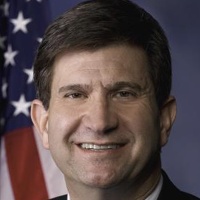
Bradley Schneider
Representative
IL
Bradley Schneider
Representative
IL
The Eastern Mediterranean Gateway Act supports key Eastern Mediterranean nations—Egypt, Greece, Cyprus, and Israel—as strategic partners for the India-Middle East-Europe Economic Corridor (IMEC). The bill directs the U.S. to prioritize diplomatic engagement, energy security, and defense cooperation in the region. It also mandates several reports to Congress detailing implementation, multilateral initiatives, and potential expansions of successful U.S.-Israel partnership models to other regional allies.
This resolution commemorates the Dalai Lama's 90th birthday as a "Day of Compassion" while reaffirming U.S. support for Tibetan human rights, religious freedom, and the Tibetan people's right to choose their own religious leaders without interference from China.
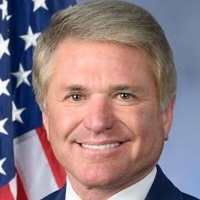
Michael McCaul
Representative
TX
Michael McCaul
Representative
TX
This resolution commemorates the 90th birthday of the Dalai Lama by designating July 6, 2025, as a "Day of Compassion." It strongly reaffirms U.S. support for the human rights, religious freedom, and cultural preservation of the Tibetan people. Furthermore, the resolution asserts that the selection of the next Dalai Lama is solely the right of the Tibetan Buddhist community, rejecting any interference by the People's Republic of China.
The AI OVERWATCH Act establishes a strict licensing requirement for exporting advanced integrated circuits to designated countries of concern while creating exemptions for trusted U.S. entities and mandating a comprehensive national security review for all approved transfers.
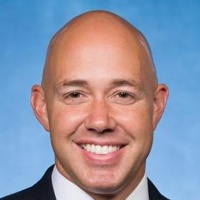
Brian Mast
Representative
FL
Brian Mast
Representative
FL
The AI OVERWATCH Act establishes strict new licensing requirements for exporting advanced integrated circuits to designated countries of concern, including China and Russia. This legislation mandates detailed national security certifications to Congress before any license can be approved for these high-performance technologies. Furthermore, the bill creates an exemption process for trusted U.S. companies while terminating existing licenses for these sensitive exports.
The PORCUPINE Act amends the Arms Export Control Act to include Taiwan in existing certification and reporting requirements and mandates a feasibility study for expediting military equipment transfers to Taiwan from key allies.

Robert Wittman
Representative
VA
Robert Wittman
Representative
VA
The PORCUPINE Act amends the Arms Export Control Act to formally include Taiwan in existing certification and reporting requirements. It also mandates a feasibility study for expediting the licensing process for allied nations transferring U.S.-origin military equipment to Taiwan. The legislation is intended to enhance security cooperation while affirming that it does not alter existing U.S. policy as defined by the Taiwan Relations Act.
This bill mandates that state Medicaid programs cover whole genome and whole exome sequencing for children with specific medical needs starting in 2027.
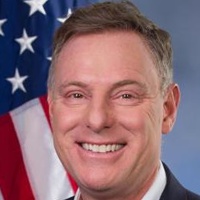
Scott Peters
Representative
CA
Scott Peters
Representative
CA
The Genomic Answers for Children’s Health Act of 2026 mandates that state Medicaid programs cover whole genome and whole exome sequencing for children with specific medical conditions, effective January 1, 2027. This sequencing is to be covered as a first-tier diagnostic test for genetic disorders, rare diseases, or conditions of unknown origin. The bill also directs the HHS Secretary to promote awareness and address implementation challenges for this new mandatory benefit.
This bill extends and expands U.S. sanctions and investment restrictions against the Nicaraguan government while establishing a grant program to support democracy and human rights efforts within the country.
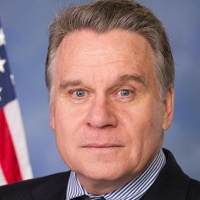
Christopher Smith
Representative
NJ
Christopher Smith
Representative
NJ
The Restoring Sovereignty and Human Rights in Nicaragua Act of 2026 significantly expands U.S. sanctions against the Nicaraguan government, targeting its gold sector and officials involved in human rights abuses. The bill also prohibits new U.S. investment in Nicaragua while establishing a grant program to support civil society and democracy promotion efforts. Ultimately, this legislation seeks to increase economic and diplomatic pressure until Nicaragua commits to a democratic resolution and respects human rights.
This act requires a Secretary of Energy certification, deemed in the public interest, for any U.S. natural gas exports to designated "covered nations."
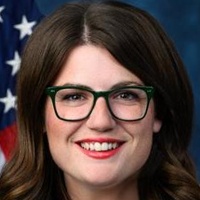
Sarah Elfreth
Representative
MD
Sarah Elfreth
Representative
MD
The Protecting American Energy Security Act of 2026 introduces a new requirement for exporting natural gas to designated "covered nations." This legislation mandates that exporters must obtain a specific certification from the Secretary of Energy, confirming the export is in the public interest, before shipping gas to these foreign countries.
This resolution commends President Trump and U.S. forces for the successful "Operation Absolute Resolve" to apprehend Nicolás Maduro and dismantle the Cartel de los Soles.
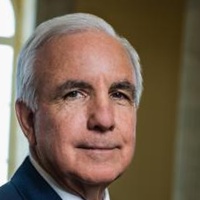
Carlos Gimenez
Representative
FL
Carlos Gimenez
Representative
FL
This resolution commends President Trump and U.S. forces for the successful "Operation Absolute Resolve," which apprehended fugitive Nicolás Maduro and dismantled the command structure of the Cartel de los Soles. It recognizes the operation as a critical step against state-sponsored narcoterrorism that fuels the U.S. drug crisis. Furthermore, the bill reaffirms the Monroe Doctrine and supports a democratic transition in Venezuela.
This bill expresses support for the Iranian people protesting for a free and democratic Iran while condemning the Islamic Republic's violent repression.
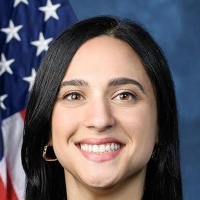
Yassamin Ansari
Representative
AZ
Yassamin Ansari
Representative
AZ
This resolution expresses strong support for the Iranian people protesting for freedom, democracy, and basic human rights against the repressive Islamic Republic. It condemns the regime's brutal crackdown on demonstrators and demands an end to violence and the release of political prisoners. Furthermore, it urges the U.S. government to work with allies to deter further lethal violence against protesters.
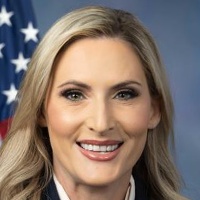
The Renewed Hope Act strengthens child exploitation investigations by mandating increased staffing, specialized training, and improved interagency coordination within the Department of Homeland Security.
Laurel Lee
Representative
FL
Laurel Lee
Representative
FL
The Renewed Hope Act strengthens efforts to combat child sexual exploitation by mandating the hiring of additional forensic analysts and investigators within the Department of Homeland Security. The bill establishes specialized training programs, improves inter-agency coordination, and provides direct hiring authority to accelerate the rescue of victims. Additionally, it implements strict privacy protections to ensure that sensitive victim information is handled securely by law enforcement.
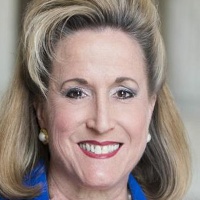
This bill modifies deposits into the Crime Victims Fund by excluding certain False Claims Act recoveries and mandates an Inspector General audit of the Fund's sustainability.
Ann Wagner
Representative
MO
Ann Wagner
Representative
MO
This bill amends the Victims of Crime Act of 1984 to temporarily exclude certain False Claims Act recoveries from being deposited into the Crime Victims Fund through fiscal year 2029. It also mandates a comprehensive audit by the Department of Justice Inspector General on the Fund's sustainability and the impact of recent legislative changes. The resulting report will provide recommendations for improving the Fund's effectiveness and oversight.
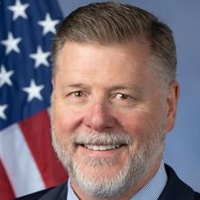
This resolution denounces Nicolás Maduro's regime, commends President Trump's decisive action against him, and criticizes Democratic members who opposed Maduro's arrest despite past condemnations of his government.
Eric Crawford
Representative
AR
Eric Crawford
Representative
AR
This resolution strongly condemns the authoritarian regime of Nicolás Maduro in Venezuela and commends President Trump for taking decisive action against him. It specifically denounces recent statements by Democratic Members of Congress that opposed Maduro's arrest, noting these statements contradict prior legislation they introduced condemning the regime. The resolution affirms the long-held belief by a broad coalition in the House that Maduro poses a threat to U.S. national security.