This bill extends and expands U.S. sanctions and investment restrictions against the Nicaraguan government while establishing a grant program to support democracy and human rights efforts within the country.
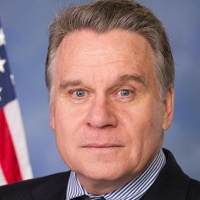
Christopher "Chris" Smith
Representative
NJ-4
The Restoring Sovereignty and Human Rights in Nicaragua Act of 2026 significantly expands U.S. sanctions against the Nicaraguan government, targeting its gold sector and officials involved in human rights abuses. The bill also prohibits new U.S. investment in Nicaragua while establishing a grant program to support civil society and democracy promotion efforts. Ultimately, this legislation seeks to increase economic and diplomatic pressure until Nicaragua commits to a democratic resolution and respects human rights.
New Nicaragua Sanctions Act Bans U.S. Investment and Targets Gold Sector Through 2030
The Restoring Sovereignty and Human Rights in Nicaragua Act of 2026 is a major legislative push to financially isolate the Nicaraguan government. The bill doesn't just tweak existing policy; it significantly ramps up the pressure by extending U.S. sanctions authority for another seven years and, most notably, slapping a ban on new American investments in the country. It specifically targets the Nicaraguan gold sector and other revenue streams that U.S. officials believe are lining the pockets of the ruling family, while also creating a hit list of officials involved in the persecution of the Catholic Church and political prisoners.
The Investment Deep Freeze
For the average American business owner or investor, the most immediate impact is found in Title II, which prohibits any new U.S. investment in Nicaragua. This isn't a suggestion—it’s a hard line backed by existing economic emergency powers. If you were planning to open a manufacturing branch or invest in a Nicaraguan startup, those plans are effectively grounded. While there are carve-outs for food, medicine, and humanitarian aid (SEC. 2), the bill creates a high compliance hurdle. The goal is to starve the regime of fresh capital, but the side effect is that U.S. companies already operating there or looking to expand will find themselves locked out of the market until the President certifies that the country has returned to democratic norms.
Following the Money Trail
The bill also takes a surgical approach to the Nicaraguan economy by focusing on the gold industry and the Military Institute of Social Security (IPSM). Under Title I, the U.S. will prioritize sanctions on officials linked to these entities, essentially treating them as the regime's ATM. By targeting the gold sector, the legislation aims to disrupt the flow of cash that keeps the current government afloat. For those in the international trade or mining business, this means a much higher level of scrutiny and a likely end to any partnerships involving these specific Nicaraguan sectors. It also directs U.S. diplomats to lean on international banks to stop loans that might benefit the Nicaraguan government, further tightening the financial noose.
Support for the Ground Level
It’s not all about restrictions; Title III authorizes grants for non-profit organizations working on human rights and democracy within Nicaragua. This is intended to provide a lifeline to civil society groups and those documenting abuses, though the bill is very clear that no group with even a hint of a tie to the current Nicaraguan government can touch this money. While this aims to empower local citizens, the 'Medium' level of vagueness in the bill regarding what constitutes 'significant corruption' (SEC. 2) means the U.S. President has a lot of leeway in deciding who gets blacklisted and who gets a pass. For the busy professional, this bill represents a significant shift in regional stability and a clear message that doing business in Nicaragua is about to get a lot more complicated.