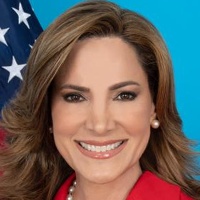
Legislative Activity
Track Maria's sponsored bills, co-sponsored legislation, and voting record
This bill officially designates a section of 16th Street Northwest in Washington, D.C., as "Oswaldo Payá Way" to honor the late Cuban democracy activist.
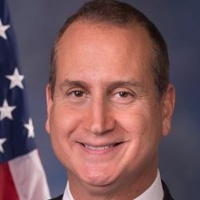
Mario Diaz-Balart
Representative
FL
Mario Diaz-Balart
Representative
FL
This bill officially designates a specific section of 16th Street Northwest in Washington, D.C., as "Oswaldo Payá Way." This action honors the late Cuban dissident Oswaldo Payá Sardinas for his lifelong, nonviolent advocacy for democracy and human rights in Cuba. The legislation also changes the official street address for one property on that block to reflect the new designation.
This Act prohibits the Federal Reserve from directly or indirectly issuing a Central Bank Digital Currency (CBDC) and bars the Fed from developing or using one for monetary policy without explicit Congressional authorization.
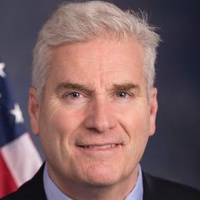
Tom Emmer
Representative
MN
Tom Emmer
Representative
MN
The Anti-CBDC Surveillance State Act strictly prohibits the Federal Reserve from directly or indirectly issuing a Central Bank Digital Currency (CBDC) to individuals. This legislation prevents the Fed from developing, testing, or implementing any digital currency that functions as a direct liability of the Federal Reserve. Furthermore, Congress asserts that any authority to create such a digital asset must explicitly come from Congress itself.
This bill mandates the State Department to develop and deliver a comprehensive strategy to counter Iranian and Hezbollah influence operations across Latin America.
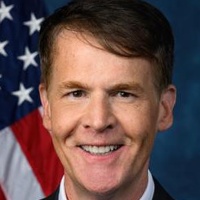
Jefferson Shreve
Representative
IN
Jefferson Shreve
Representative
IN
The BANNED in Latin America Act mandates the Secretary of State to develop a comprehensive strategy to counter Iranian and Hezbollah influence operations across Latin America. This plan must detail actions against cultural centers, restrict the activities of Iranian agents, and boost intelligence gathering on these networks. Furthermore, the strategy will outline measures to disrupt Iranian and Hezbollah media platforms and address radicalization efforts within university networks.
This act mandates the FDA to study the human health impacts of microplastic exposure through food and water and report recommendations to Congress.
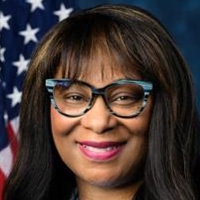
Janelle Bynum
Representative
OR
Janelle Bynum
Representative
OR
The Microplastics Safety Act mandates the FDA to conduct a comprehensive study on the human health impacts of microplastic exposure through food and water. This research must specifically investigate risks to children's health, endocrine function, cancer, and reproduction. Following the study, the FDA is required to report its findings and recommend necessary legislative or regulatory actions to Congress.
This resolution applauds President Trump for brokering a peace agreement between Rwanda and the DRC while urging continued diplomatic efforts, good governance, and transparent economic cooperation to achieve lasting peace in the region.
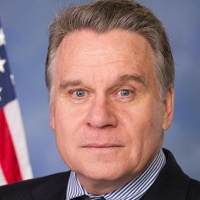
Christopher Smith
Representative
NJ
Christopher Smith
Representative
NJ
This resolution applauds President Trump for brokering a peace agreement between Rwanda and the Democratic Republic of the Congo (DRC). It supports ongoing diplomatic efforts and urges both nations to uphold human rights and good governance. Furthermore, the bill backs economic cooperation, particularly concerning critical minerals, while calling for sanctions against corrupt actors and armed groups fueling the regional crisis.
This Act mandates that VA medical staff promptly certify the deaths of veterans who died from natural causes within 48 hours to expedite burial and survivor benefits.
Tom Emmer
Representative
MN
Tom Emmer
Representative
MN
The Veteran Burial Timeliness and Death Certificate Accountability Act addresses significant delays in obtaining death certificates for veterans who die from natural causes, often due to VA medical staff delays. This bill mandates that VA medical providers must certify a veteran's death within 48 hours or allow the local medical examiner to step in. Furthermore, the VA must annually report on its compliance with this new timely certification requirement.
This bill authorizes the creation and sale of commemorative coins for the 2028 Los Angeles and 2034 Salt Lake City Olympic and Paralympic Games to help fund the events, with all surcharges going to the respective organizing committees after covering production costs.
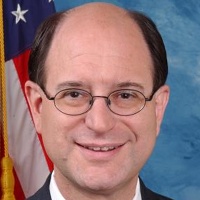
Brad Sherman
Representative
CA
Brad Sherman
Representative
CA
This Act authorizes the Secretary of the Treasury to mint and sell special commemorative coins for the 2028 Los Angeles Olympic and Paralympic Games and the 2034 Salt Lake City Winter Olympic and Paralympic Games. The coins will feature designs celebrating American athletes and the Games themselves. All surcharges collected from the sale of these coins will be directed to the respective organizing committees to help fund the events and related youth sports programs. The entire program must be conducted at no cost to the U.S. Government.
This bill establishes a pilot program to help families receiving housing assistance save money by depositing rent increases resulting from higher earnings into an escrow account accessible under specific conditions.
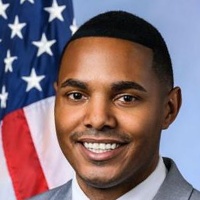
Ritchie Torres
Representative
NY
Ritchie Torres
Representative
NY
The Helping More Families Save Act establishes a new pilot program to help families receiving housing assistance save money as they increase their earnings. This program creates interest-bearing escrow accounts where increases in rent payments resulting from higher income are deposited. Families can access these savings after a set period or upon achieving self-sufficiency goals, while ensuring that participation does not negatively affect other benefits.
This resolution commends Petty Officer 3d Class Scott Ruskan for his heroic rescue of 165 people during the devastating central Texas floods and thanks all first responders involved.
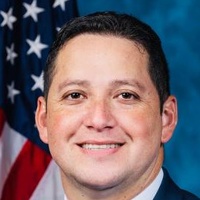
Ernest Gonzales
Representative
TX
Ernest Gonzales
Representative
TX
This resolution officially commends Petty Officer 3d Class Scott Ruskan for his heroic actions during the devastating central Texas floods of July 2025. It specifically recognizes him for personally rescuing 165 individuals and coordinating triage efforts under hazardous conditions. Furthermore, the bill extends deep gratitude to all federal, state, and volunteer responders who risked their lives during this major natural disaster.
This resolution solemnly marks the one-year anniversary of the attempted assassination of President Trump, condemns ongoing political violence, and honors the victims and first responders.
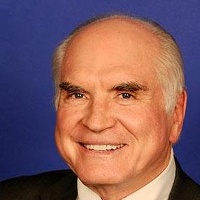
Mike Kelly
Representative
PA
Mike Kelly
Representative
PA
This resolution solemnly marks the one-year anniversary of the attempted assassination of President Donald J. Trump, condemning the multiple violent attempts against the President's life. It honors the victims of the shooting, including the late Corey D. Comperatore, and recognizes the bravery of first responders. Furthermore, the resolution condemns all incitement of violence against elected officials and calls for national unity against political violence.
This resolution affirms support for decisive U.S. action against Iran's nuclear program and proxies while strongly backing Israel's right to self-defense.
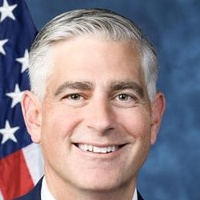
Michael Baumgartner
Representative
WA
Michael Baumgartner
Representative
WA
This resolution strongly supports President Trump's decisive actions against Iran's nuclear program and affirms unwavering support for Israel's right to self-defense. It justifies recent U.S. military action by citing Iran's state sponsorship of terrorism, regional aggression, and material support for the October 7th attacks. The bill advocates for a permanent end to Iran's nuclear ambitions through verifiable agreements backed by sustained pressure.
This resolution expresses deep concern over the crisis in the Democratic Republic of the Congo and supports U.S. diplomatic, economic, and humanitarian efforts to achieve lasting peace and accountability in the region.
Christopher Smith
Representative
NJ
Christopher Smith
Representative
NJ
This resolution expresses deep concern over the ongoing crisis, massive humanitarian suffering, and widespread violence in the Democratic Republic of the Congo (DRC). It calls for robust U.S. support for diplomatic, economic, and humanitarian efforts aimed at achieving lasting peace and stability in the region. Furthermore, the bill urges accountability for armed groups and corrupt actors, while promoting transparent governance and responsible management of the DRC's critical mineral resources.
The CONNECT for Health Act of 2025 permanently expands Medicare telehealth access by removing geographic restrictions, increasing practitioner flexibility, bolstering program integrity, and mandating supports for quality remote care delivery.
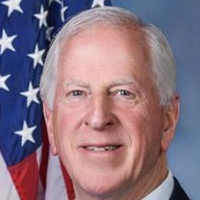
Mike Thompson
Representative
CA
Mike Thompson
Representative
CA
The CONNECT for Health Act of 2025 significantly expands and permanently secures access to Medicare telehealth services by eliminating outdated geographic restrictions and allowing more practitioners to offer remote care. The bill also strengthens program integrity by dedicating funds for telehealth oversight while clarifying rules around providing necessary technology to patients. Finally, it mandates the creation of tailored educational resources and public reporting to improve quality measurement and transparency in remote care delivery.
This Act modernizes the au pair program by establishing exclusive federal regulation and mandating updated, flexible national standards for au pair stipends and educational allowances.
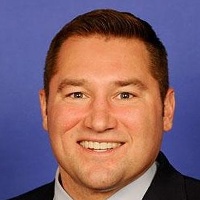
Guy Reschenthaler
Representative
PA
Guy Reschenthaler
Representative
PA
This Act modernizes the existing international au pair program, recognizing its vital role in affordable childcare and cultural diplomacy. It clarifies that federal law exclusively governs the program, preventing conflicting state or local regulations. Furthermore, the bill mandates the State Department to update au pair stipends and educational allowances while ensuring the program remains affordable and flexible for families with non-traditional schedules.
This bill extends the maximum holding period for certain real estate assets for Federal credit unions from 15 to 20 years and clarifies loan eligibility language.
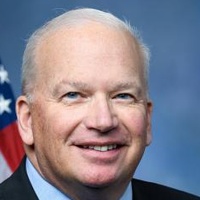
Scott Fitzgerald
Representative
WI
Scott Fitzgerald
Representative
WI
The Expanding Access to Lending Options Act directs the National Credit Union Administration (NCUA) to prioritize the safety and soundness of federally chartered credit unions. This legislation primarily amends the Federal Credit Union Act by extending the maximum holding period for certain real estate assets from 15 to 20 years. It also clarifies the eligibility language for property involved in these real estate loans.
This Act retroactively applies the Indian Reorganization Act of 1934 to the Poarch Band of Creek Indians and confirms existing trust lands.
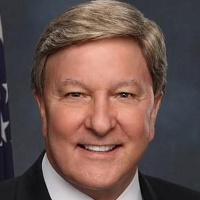
Mike Rogers
Representative
AL
Mike Rogers
Representative
AL
The Poarch Band of Creek Indians Parity Act officially confirms the tribe's status under the Indian Reorganization Act of 1934, treating them as if they were under federal jurisdiction since that date. This legislation also validates and confirms all land previously taken into trust by the Secretary of the Interior for the benefit of the tribe. Essentially, the bill ensures parity and legal certainty regarding the tribe's historical relationship with the federal government concerning land and recognition.
This bill mandates a report on the Polisario Front's ties to terrorism and foreign actors, and requires the Secretary of State and Treasury to determine if sanctions should be imposed against the group.
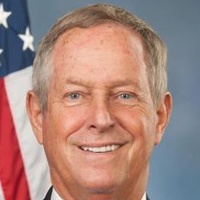
Joe Wilson
Representative
SC
Joe Wilson
Representative
SC
The Polisario Front Terrorist Designation Act mandates a comprehensive report from the Secretary of State detailing the group's foreign ties, especially concerning Iran and designated terrorist organizations. It also requires the Secretaries of State and Treasury to determine within 90 days whether the Polisario Front meets the criteria for designation as a Foreign Terrorist Organization and subsequent sanctions. The President retains the authority to waive these potential penalties if the group engages in good-faith negotiations regarding Morocco's 2007 autonomy plan for Western Sahara.
This bill reauthorizes and strengthens federal programs aimed at preventing human trafficking and protecting its victims through 2025.
Christopher Smith
Representative
NJ
Christopher Smith
Representative
NJ
The Frederick Douglass Trafficking Victims Prevention and Protection Reauthorization Act of 2025 aims to reauthorize and strengthen federal efforts to combat human trafficking. This legislation focuses on enhancing victim services, improving law enforcement capabilities, and increasing accountability for traffickers. It seeks to continue and expand upon existing programs designed to prevent trafficking and protect survivors.
The HALOS Act of 2025 amends Regulation D to create specific exceptions allowing startups to present investment opportunities at certain sponsored events without violating the general solicitation ban.
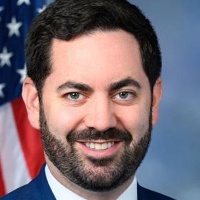
Michael Lawler
Representative
NY
Michael Lawler
Representative
NY
The HALOS Act of 2025 modifies SEC Regulation D to create specific exceptions to the general solicitation ban for private capital raising. This allows qualifying companies to present investment opportunities at events sponsored by approved entities like universities or angel groups. Sponsors must adhere to strict rules regarding advertising, advice, and compensation to ensure compliance. This change focuses only on the presentation phase and does not alter the rules for the actual sale of securities.
This bill establishes a pilot program to provide grants for training family caregivers of young children with autism or developmental disabilities in essential skills to improve child well-being and community involvement.
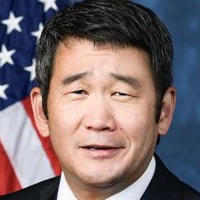
Dave Min
Representative
CA
Dave Min
Representative
CA
The Autism Family Caregivers Act of 2025 establishes a new pilot program to award grants for evidence-based skills training to family caregivers of children with autism or developmental disabilities. This training aims to improve child well-being and community engagement by focusing on communication, daily living skills, and caregiver self-care. The Secretary of Health and Human Services will oversee the program, which requires grantees to establish diverse advisory committees and report annually on program effectiveness. Funding is authorized through fiscal year 2030 to support at least 25 entities across multiple states.