Legislative Activity
Track Michael's sponsored bills, co-sponsored legislation, and voting record
The PACK Act establishes federal standards to prevent deceptive environmental marketing by requiring third-party certification and clear, evidence-based labeling for all recyclable, compostable, and reusable consumer packaging claims.
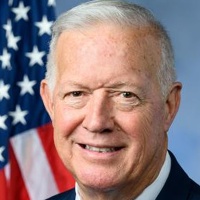
Randy Weber
Representative
TX
Randy Weber
Representative
TX
The Packaging and Claims Knowledge (PACK) Act of 2025 amends the Federal Trade Commission Act to prevent deceptive environmental marketing on consumer packaging. It establishes strict standards for "recyclable," "compostable," and "reusable" claims, requiring third-party certification and clear consumer disclosures. The bill aims to increase transparency by ensuring that environmental claims are backed by scientific evidence and actual infrastructure availability.
The Essential Caregivers Act of 2025 guarantees nursing home and long-term care residents the right to designate an essential caregiver who maintains access to them even during public health emergencies.
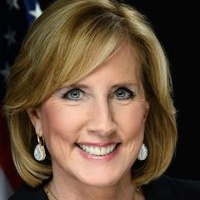
Claudia Tenney
Representative
NY
Claudia Tenney
Representative
NY
The Essential Caregivers Act of 2025 protects the rights of residents in long-term care facilities to designate an essential caregiver who can provide support and companionship. This legislation ensures that these caregivers maintain in-person access to residents even during public health emergencies when general visitation is restricted. By establishing clear protocols and an appeals process, the bill aims to prevent the harmful effects of isolation and ensure residents continue to receive vital care and advocacy.
This bill authorizes Congress to award Congressional Gold Medals to the 1980 U.S. Men's Olympic Ice Hockey team for their historic "Miracle on Ice" victory.
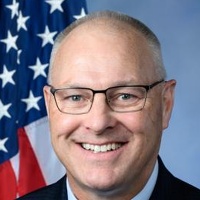
Pete Stauber
Representative
MN
Pete Stauber
Representative
MN
This bill, the Miracle on Ice Congressional Gold Medal Act, officially authorizes Congress to award Congressional Gold Medals to the 1980 U.S. Men's Olympic Ice Hockey Team for their historic "Miracle on Ice" victory. The medals will be struck by the Treasury and permanently displayed at specific national sports museums. The Act also permits the sale of duplicate bronze medals to cover production costs.
This bill exempts multiemployer retirement plans from the requirements for automatic enrollment under the Internal Revenue Code.
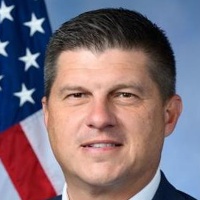
Brad Finstad
Representative
MN
Brad Finstad
Representative
MN
This bill amends the Internal Revenue Code to create an exception to the automatic enrollment requirements for certain retirement plans. Specifically, it exempts multiemployer plans from these automatic enrollment provisions. This change will take effect for taxable years beginning after December 31, 2024.
This act establishes the President's Council on Sports, Fitness, and Nutrition to advise on reestablishing the Presidential Fitness Test and promoting youth physical fitness.
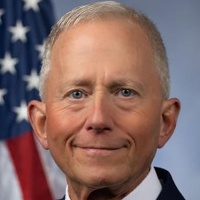
Jefferson Van Drew
Representative
NJ
Jefferson Van Drew
Representative
NJ
The Presidential Fitness Test Act of 2025 reestablishes the President's Council on Sports, Fitness, and Nutrition to advise the President on national fitness goals. This Council will focus on reviving the Presidential Fitness Test as the primary tool for earning an award and developing strategies to promote physical education and sports participation. Its duties include setting innovative fitness goals for youth and addressing the national security threat posed by sedentary lifestyles.
This bill mandates a study comparing the timeline and distribution of small business loans in and out of the Appalachian region to recommend improvements for accessibility and efficiency.
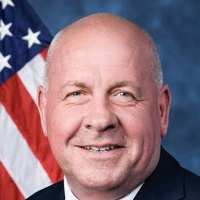
David Taylor
Representative
OH
David Taylor
Representative
OH
The Main Street Lending Improvement Act of 2025 mandates a study by the Comptroller General on the timeline and distribution of small business loans within areas that include the Appalachian region. This study will compare loan disbursement processes between Appalachian and non-Appalachian areas from 2021 through 2024. The final report must include recommendations to increase loan accessibility, decrease funding times, and improve applicant communication.
This bill expresses support for designating December 4, 2025, as National Scam Prevention Day to promote a coordinated effort against scams through government action, private partnerships, and public education.
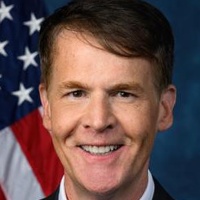
Jefferson Shreve
Representative
IN
Jefferson Shreve
Representative
IN
This resolution expresses support for designating December 4, 2025, as "National Scam Prevention Day." It calls for a coordinated, whole-of-government approach, in partnership with private industry, to combat scams. The bill emphasizes the need for educational campaigns to help the public identify and report fraudulent activities.
This act, the CLASS Act, requires public schools receiving federal aid to disclose foreign funding or contracts exceeding \$10,000.
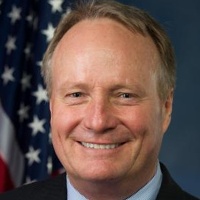
David Joyce
Representative
OH
David Joyce
Representative
OH
The Combating the Lies of Authoritarians in School Systems Act (CLASS Act) establishes new disclosure requirements for public elementary and secondary schools receiving federal funding. As a condition of this aid, schools must report any foreign funding or contracts exceeding \$10,000 within 30 days. This reporting mandates identifying the foreign source, country of origin, and the terms of the funding or contract.
This Act establishes a multi-agency Task Force to develop and implement a comprehensive strategy to dismantle transnational criminal syndicates operating forced-labor scam centers, particularly those targeting Americans with cryptocurrency fraud.
Jefferson Shreve
Representative
IN
Jefferson Shreve
Representative
IN
The Dismantle Foreign Scam Syndicates Act establishes a high-level Task Force, chaired by the Secretary of State, to develop and execute a comprehensive U.S. strategy against transnational criminal organizations running massive online scams, often utilizing victims of human trafficking in Southeast Asia. This strategy must focus on disrupting these operations, sanctioning responsible parties, and providing support for rescued victims. The bill authorizes $30 million over two years to fund these efforts and requires annual reporting to Congress on progress and impact.
This act prohibits state and local governments from enacting regulations that restrict energy service based on the type or source of energy sold in interstate commerce.
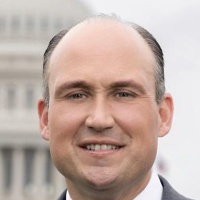
Nicholas Langworthy
Representative
NY
Nicholas Langworthy
Representative
NY
The Energy Choice Act places federal restrictions on state and local governments, preventing them from enacting regulations that prohibit or limit energy service based on its type or source. This means local governments cannot ban or restrict access to energy services sold in interstate commerce. The legislation aims to ensure consistent access to various energy sources across jurisdictions.
The Mikaela Naylon Give Kids a Chance Act primarily focuses on enhancing pediatric drug research, ensuring completion of pediatric study requirements, extending incentives for rare pediatric disease treatments, and making targeted updates to FDA and organ transplant network operations.
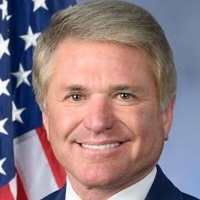
Michael McCaul
Representative
TX
Michael McCaul
Representative
TX
The Mikaela Naylon Give Kids a Chance Act focuses primarily on improving pediatric drug development and ensuring patient access to necessary treatments. This legislation mandates new research requirements for molecularly targeted pediatric cancer drugs, strengthens FDA enforcement of pediatric study completion, and extends incentives for developing drugs for rare pediatric diseases. Additionally, the bill updates organ transplant network functions and establishes an Abraham Accords Office within the FDA to enhance international regulatory cooperation.
This resolution formally denounces socialism based on its historical association with totalitarianism, mass death, and economic failure, affirming the foundational principles of individual liberty and property rights.

Maria Salazar
Representative
FL
Maria Salazar
Representative
FL
This Concurrent Resolution formally denounces the ideology of socialism based on its historical outcomes. It asserts that socialist principles have consistently led to totalitarian regimes, mass atrocities, and economic collapse worldwide. The resolution contrasts these failures with the founding principles of the United States, concluding with a statement opposing the implementation of socialist policies domestically.
This bill repeals the requirement for Senate offices to be notified regarding legal processes seeking the disclosure of Senate data.
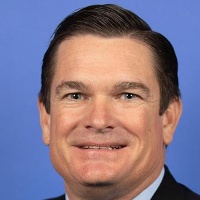
Austin Scott
Representative
GA
Austin Scott
Representative
GA
This bill repeals specific requirements for notifying Senate offices when legal processes seek the disclosure of Senate data. Essentially, it removes existing notification mandates related to legal requests for Senate information.
The ROTOR Act mandates increased transparency for sensitive government flights by narrowing ADS-B exception rules, requires ADS-B In equipment on certain aircraft, and establishes safety reviews for military and civilian operations near major airports.
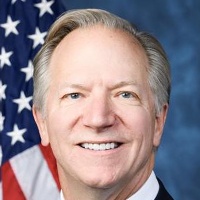
Robert Onder
Representative
MO
Robert Onder
Representative
MO
The ROTOR Act aims to enhance aviation safety and transparency, primarily by narrowing exceptions for disabling ADS-B tracking on government aircraft and mandating that aircraft equipped with ADS-B Out must also install ADS-B In technology. The bill further requires the FAA to conduct comprehensive safety reviews of military and civilian operations in complex airspace, such as around Reagan National Airport. Finally, it mandates formal agreements for the FAA and the Department of the Army to share critical aviation safety data.
This bill refines Medicare payment systems to improve patient access to new kidney care treatments, adjusts payment updates based on forecast accuracy, and expands Medicare coverage for kidney disease screening and education.
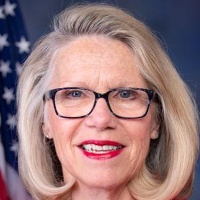
Carol Miller
Representative
WV
Carol Miller
Representative
WV
The Kidney Care Access Protection Act aims to improve patient access to innovative kidney care treatments by reforming Medicare payment systems for new drugs and devices. It also addresses payment stability by adjusting for forecast errors in dialysis service updates and enhances prevention efforts. Finally, the Act expands Medicare coverage for chronic kidney disease screening and education services starting in 2026.
This Act establishes an interagency task force to combat foreign robocalls, modifies FCC review frequency, introduces a bond requirement for the Robocall Mitigation Database, and grants immunity for private efforts to trace unlawful robocall origins.
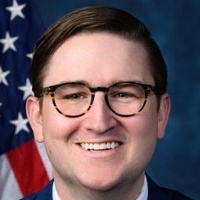
Addison McDowell
Representative
NC
Addison McDowell
Representative
NC
The Foreign Robocall Elimination Act establishes an interagency taskforce to study and recommend strategies for combating unlawful robocalls originating from outside the United States. It also grants the FCC authority to require providers to post a bond to ensure integrity in the Robocall Mitigation Database. Furthermore, the bill provides legal immunity for private consortiums tracing the origin of these illegal calls and allows for the publication of non-cooperative providers.
This act mandates Medicare coverage for FDA-approved early detection screening tests for Alzheimer's disease and related dementias beginning in 2028.
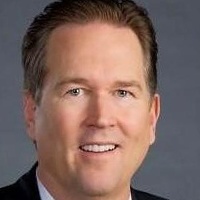
Vern Buchanan
Representative
FL
Vern Buchanan
Representative
FL
The Alzheimer’s Screening and Prevention Act of 2025 (ASAP Act) amends Medicare to cover early detection screening tests for Alzheimer's disease and related dementias starting in 2028. This coverage applies to FDA-cleared tests, including genomic sequencing and other equivalent diagnostic methods, designed to detect pre-symptomatic or early-stage conditions. The bill ensures these screenings are added to the list of covered medical services under Medicare.
This resolution commemorates the 50th anniversary of the sinking of the S.S. Edmund Fitzgerald, honoring the lost crew and recognizing the resulting maritime safety improvements.
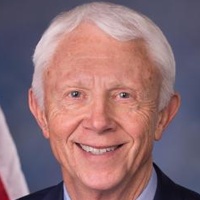
Jack Bergman
Representative
MI
Jack Bergman
Representative
MI
This resolution commemorates the 50th anniversary of the sinking of the S.S. Edmund Fitzgerald on November 10, 1975. It honors the memory of the 29 crew members lost in the tragedy on Lake Superior. Furthermore, the bill recognizes the ship's historical significance and the vital safety improvements that resulted from the disaster.
This act mandates that military service academies accept the Classic Learning Test (CLT) for admissions and requires DoDEA and BIE schools to administer the CLT to eleventh graders.
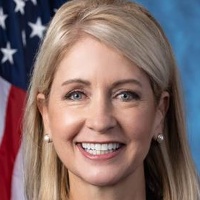
Mary Miller
Representative
IL
Mary Miller
Representative
IL
The Promoting Classical Learning Act of 2025 mandates that all U.S. Military Service Academies accept the Classic Learning Test (CLT) as an admissions option alongside the SAT and ACT. Furthermore, the bill requires the Department of Defense Education Activity (DoDEA) and the Bureau of Indian Education (BIE) to administer the CLT to all eleventh-grade students in their respective schools. This legislation aims to broaden testing options for prospective service members and introduce classical assessments in federal secondary education.
This bill establishes the Ohio River Basin Restoration Program within the EPA to fund projects focused on the large-scale protection and restoration of the Ohio River Basin.
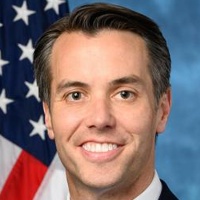
Morgan McGarvey
Representative
KY
Morgan McGarvey
Representative
KY
The Ohio River Restoration Program Act establishes a new program within the EPA dedicated to the large-scale protection and restoration of the Ohio River Basin. This program will be managed by a dedicated office and guided by an advisory council to develop and implement a comprehensive action plan. Funds will be authorized through 2030 to support eligible activities such as improving water quality, restoring habitats, and increasing community resilience.