This act establishes the President's Council on Sports, Fitness, and Nutrition to advise on reestablishing the Presidential Fitness Test and promoting youth physical fitness.
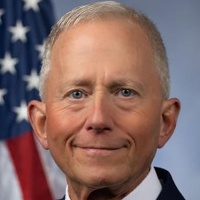
Jefferson Van Drew
Representative
NJ-2
The Presidential Fitness Test Act of 2025 reestablishes the President's Council on Sports, Fitness, and Nutrition to advise the President on national fitness goals. This Council will focus on reviving the Presidential Fitness Test as the primary tool for earning an award and developing strategies to promote physical education and sports participation. Its duties include setting innovative fitness goals for youth and addressing the national security threat posed by sedentary lifestyles.
New Law Revives Presidential Fitness Test, Links Youth Health to 'National Security Threat'
The “Presidential Fitness Test Act of 2025” is straightforward: it revives the old-school Presidential Fitness Test and creates a new advisory body to push for better youth health. Specifically, Section 2 establishes the President’s Council on Sports, Fitness, and Nutrition, a group of up to 30 presidential appointees tasked with advising the Commander-in-Chief on how to get American kids moving again. The bill explicitly directs this Council to recommend strategies for reestablishing the Presidential Fitness Test as the main tool for earning a Presidential Fitness Award and developing school programs that reward excellence in physical education.
The Advisory Council: Who’s on the Team?
This new Council is essentially a temporary task force. The President gets to appoint up to 30 members, who serve two-year terms and can include representatives from relevant stakeholder groups. The President also designates the Chair and Vice Chair. This is a classic advisory body structure, but the power dynamic is worth noting: the President has broad discretion over who gets a seat, which could mean the Council is stacked with political allies rather than just health experts (Section 2). For the average taxpayer, the good news is that members serve without pay, though they can be reimbursed for travel expenses, subject to available funds. The Secretary of Health and Human Services (HHS) is tasked with providing the administrative support and necessary funding, which must come from congressional appropriations.
Health Policy Meets Military Readiness
The most interesting and potentially far-reaching mandate of this Council is its focus on national security. The bill requires the Council to develop strategies for “Addressing the national security threat posed by childhood obesity, chronic diseases, and sedentary lifestyles to U.S. workforce and military readiness.” This is a significant framing shift. It takes the issue of childhood health—something usually handled by school boards and local health departments—and elevates it to a strategic national security concern. Think of it this way: if you’re a parent, this bill suggests that your kid’s ability to run a mile isn't just about their health; it’s about their potential to serve in the military or be a productive member of the future workforce.
Real-World Impact and Instability
What does this mean on the ground? If the Council is successful, you might see a renewed push for robust physical education programs in your local school district, potentially backed by federal funding (Section 2, Duration and Funding). The bill allows funds already appropriated for the Presidential Youth Fitness Program to be used to establish the new Presidential Fitness Test. However, there’s a big catch: the Council is set up to be unstable. It automatically terminates two years after the law is enacted unless the President extends it. That means any long-term goals or ambitious campaigns the Council starts could be cut short, making it hard to sustain momentum. Furthermore, the Council is required to set “bold and innovative fitness goals,” which sounds great, but those goals could easily turn into unfunded mandates or shifting requirements for already overburdened schools and federal agencies who are required to provide assistance to the Council upon request.