Legislative Activity
Track David's sponsored bills, co-sponsored legislation, and voting record
This bill authorizes the Secretary of the Army to convey land at Fort Bragg to the State of North Carolina for the construction of a veterans' State home.
Richard Hudson
Representative
NC
Richard Hudson
Representative
NC
This bill authorizes the Secretary of the Army to transfer approximately 20 acres of land at Fort Bragg to the State of North Carolina for the construction of a veterans' State home. The State is responsible for all costs associated with the land conveyance. The property is subject to a reversionary clause, ensuring it must be used exclusively for veterans' home purposes or ownership will return to the United States.
The Uniform Vehicle Safety Standards Act of 2026 protects automotive manufacturers from liability lawsuits when their vehicles meet or exceed federal safety standards.
Mike Flood
Representative
NE
Mike Flood
Representative
NE
The Uniform Vehicle Safety Standards Act of 2026 establishes national consistency in automotive safety regulations by ensuring that federal standards are applied uniformly across all states. The bill protects manufacturers from common law lawsuits that claim a vehicle should have exceeded existing federal safety requirements. By limiting such litigation, the Act aims to reduce the burden on interstate commerce and provide regulatory certainty for the automotive industry.
This bill reauthorizes the Accelerating Access to Critical Therapies for ALS Act through 2031 while enhancing grant oversight, safety reporting requirements, and FDA strategic planning for rare neurodegenerative diseases.

Mike Quigley
Representative
IL
Mike Quigley
Representative
IL
The Accelerating Access to Critical Therapies for ALS Reauthorization Act of 2026 extends vital funding for ALS research and clinical trial programs through 2031. This legislation strengthens oversight by enhancing grant review processes, improving safety reporting requirements, and mandating a comprehensive five-year FDA action plan to accelerate the development of treatments for rare neurodegenerative diseases.
The CURRENT Act streamlines the federal permitting process by narrowing the scope of state water quality reviews, imposing strict deadlines, and raising the evidentiary burden for denying energy infrastructure projects.
Adam Gray
Representative
CA
Adam Gray
Representative
CA
The **CURRENT Act** streamlines the federal permitting process for energy infrastructure by narrowing the scope and authority of state water quality certifications under the Clean Water Act. The bill establishes strict deadlines for agency reviews, raises the burden of proof for project denials, and limits the conditions states can impose on energy projects. Additionally, it mandates expedited judicial review for energy-related infrastructure to reduce delays and provide greater regulatory certainty.
This bill prohibits the Department of Labor from finalizing, implementing, or enforcing the proposed rule regarding heat injury and illness prevention in outdoor and indoor work settings.
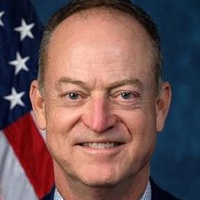
Mark Messmer
Representative
IN
Mark Messmer
Representative
IN
This act, the Heat Workforce Standards Act of 2025, prohibits the Secretary of Labor from finalizing, implementing, or enforcing the proposed rule regarding heat injury and illness prevention published in August 2024. This restriction extends to any future standard substantially similar to the one proposed.
The "Combating Illicit Xylazine Act" aims to combat the misuse of xylazine by adding it to Schedule III of the Controlled Substances Act, tracking its distribution, and ensuring appropriate penalties for related offenses, while also protecting legitimate veterinary use.
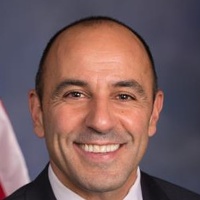
Jimmy Panetta
Representative
CA
Jimmy Panetta
Representative
CA
The "Combating Illicit Xylazine Act" aims to combat the illegal use of xylazine by adding it to Schedule III of the Controlled Substances Act, which would allow for increased regulation and tracking of the substance. The bill includes exemptions and delayed effective dates for certain requirements to ease the transition for legitimate users, such as veterinarians and animal handlers. It also directs the Sentencing Commission to review sentencing guidelines for xylazine-related offenses and mandates reports to Congress on the prevalence and impact of illicit xylazine use. Finally, it will include xylazine in Arcos tracking.
This bill clarifies that a franchisor is only considered a joint employer of a franchisee's workers if it exercises substantial, direct, and immediate control over essential terms of employment.
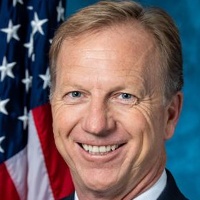
Kevin Hern
Representative
OK
Kevin Hern
Representative
OK
The American Franchise Act aims to protect the traditional franchise business model by clarifying the definition of a "joint employer." This legislation establishes that a franchisor is only considered a joint employer if it exercises "substantial direct and immediate control" over the essential terms of employment for a franchisee's workers. This change specifically targets liability risks associated with maintaining brand standards, ensuring franchisors are not automatically held responsible for local labor practices. The new standard applies prospectively to future legal proceedings.
This bill mandates electronic prior authorization, increases transparency through required data reporting, and establishes faster decision timelines for Medicare Advantage plans to improve timely access to care for seniors.
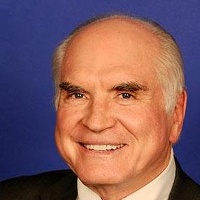
Mike Kelly
Representative
PA
Mike Kelly
Representative
PA
The Improving Seniors’ Timely Access to Care Act of 2025 aims to streamline and modernize the prior authorization process within Medicare Advantage plans. This bill mandates the adoption of electronic prior authorization systems and significantly increases transparency regarding approval rates and decision times starting in 2027. Furthermore, it establishes new enrollee protections and grants the Secretary authority to enforce faster decision timeframes for medical services.
The Chloe Cole Act of 2026 establishes a private right of action allowing individuals to sue healthcare providers for damages resulting from gender-transition medical interventions performed on them as minors.
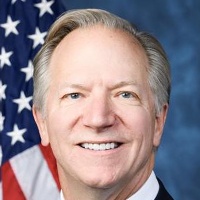
Robert Onder
Representative
MO
Robert Onder
Representative
MO
The Chloe Cole Act of 2026 establishes a federal private right of action allowing individuals to sue healthcare professionals and institutions for damages related to gender-transition medical interventions performed on them as minors. The bill permits lawsuits regardless of when the intervention occurred and sets a statute of limitations extending 25 years past the individual's 18th birthday. Additionally, it mandates strict liability for such interventions performed after the Act's enactment.
This Act prohibits payment card networks and processors from assigning specific merchant category codes to identify firearms retailers, protecting the privacy of firearm and ammunition purchases.
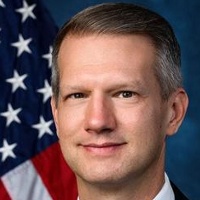
Riley Moore
Representative
WV
Riley Moore
Representative
WV
The Protecting Privacy in Purchases Act prohibits payment card networks and processors from assigning specific merchant category codes to firearms retailers. This legislation aims to protect consumer privacy by preventing the tracking of firearm and ammunition purchases through specialized financial classification. The Attorney General is tasked with enforcing these provisions and reporting annually on compliance.
The Sunshine Protection Act of 2025 establishes daylight saving time as the permanent, year-round standard time across the United States, while providing states the option to maintain their current standard time.
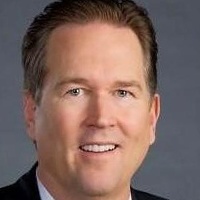
Vern Buchanan
Representative
FL
Vern Buchanan
Representative
FL
The Sunshine Protection Act of 2025 proposes making daylight saving time the permanent, year-round standard time across the United States. By advancing standard time zones by one hour, the bill eliminates the need for biannual clock changes. Additionally, it provides states that currently observe standard time year-round the option to maintain their existing timekeeping practices.
The Securing Agriculture's Workforce Act of 2026 modernizes the H-2A visa program by streamlining the application process through a centralized online platform, updating labor and housing requirements, and expanding the definition of eligible agricultural work.
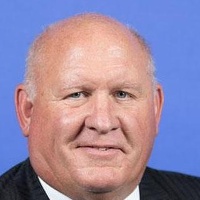
Glenn Thompson
Representative
PA
Glenn Thompson
Representative
PA
The Securing Agriculture's Workforce Act of 2026 modernizes the H-2A visa program to better support the agricultural industry by streamlining application processes and establishing a centralized online portal for employers. The bill updates labor certification, housing, and wage requirements while expanding the definition of eligible agricultural work to include a broader range of activities. Additionally, it enhances worker protections—including new heat illness prevention standards—and provides greater administrative efficiency for federal agencies managing the program.
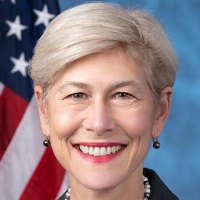
This resolution congratulates the Carolina Hurricanes on winning the 2026 Stanley Cup Championship, recognizing their dominant playoff run, significant community impact, and the achievements of their players and staff.
Deborah Ross
Representative
NC
Deborah Ross
Representative
NC
This resolution congratulates the Carolina Hurricanes on winning the 2026 Stanley Cup Championship, their first in 20 years. It celebrates their dominant playoff run, significant economic impact on Wake County, and extensive community contributions. The bill also recognizes the outstanding performances of the players, coaches, and staff who brought the championship back to Raleigh.
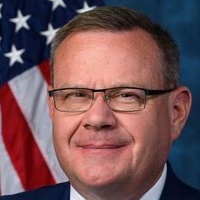
This bill supports the designation of "National Tire Safety Week" to educate Americans on the critical importance of proper tire care for crash prevention and safety.
Tim Moore
Representative
NC
Tim Moore
Representative
NC
This resolution supports the designation of "National Tire Safety Week" from June 29 to July 4, 2026, to promote essential tire safety education across the United States. It emphasizes that regular tire maintenance, such as checking pressure and tread depth, is crucial for preventing crashes and saving lives. The bill encourages all Americans to participate in educational activities during this week to improve road safety.
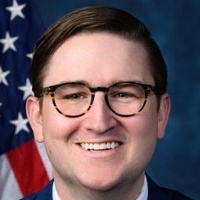
This bill congratulates the Carolina Hurricanes on winning the 2026 Stanley Cup Final, their second championship, and recognizes the team's performance and community contributions.
Addison McDowell
Representative
NC
Addison McDowell
Representative
NC
This resolution congratulates the Carolina Hurricanes on winning the 2026 Stanley Cup Final, their second championship, twenty years after their first. It recognizes the team's dominant playoff performance, highlights key players like Captain Jordan Staal and Coach Rod Brind'Amour, and acknowledges the organization's community contributions.
This Act enhances accountability and transparency for Small Business Administration (SBA) disaster loans through expanded reporting requirements, detailed budget submissions, low-funding notifications, and independent GAO reviews.
Tim Moore
Representative
NC
Tim Moore
Representative
NC
The Disaster Loan Accountability and Reform Act (DLARA) aims to increase transparency and oversight of Small Business Administration (SBA) disaster loan programs. It mandates expanded monthly reporting on loan funding levels, requires detailed breakdowns in future Presidential budget requests, and imposes new notification requirements when disaster loan funds become critically low. Additionally, the bill directs the GAO to report on loan disbursement rates and the financial impact of recent program changes.
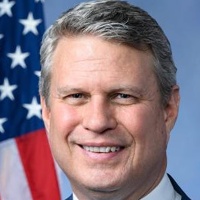
This act mandates the automatic denaturalization and prioritized deportation of naturalized citizens convicted of specified terrorism offenses.
Bill Huizenga
Representative
MI
Bill Huizenga
Representative
MI
The Deport the Terrorists Act of 2026 mandates the automatic denaturalization of naturalized citizens convicted of specific terrorism offenses. This act also establishes that any non-citizen convicted of a terrorism-related offense is deportable. Finally, it directs the Secretary of Homeland Security to prioritize the deportation of individuals whose citizenship has been revoked under this law.
This resolution expresses support for designating May 2026 as Mental Health Awareness Month to address the worsening mental health crisis and promote access to care.
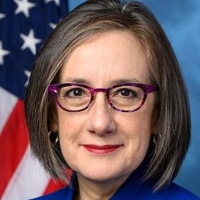
Andrea Salinas
Representative
OR
Andrea Salinas
Representative
OR
This resolution expresses support for designating May 2026 as Mental Health Awareness Month. It highlights the urgent and worsening national mental health crisis, citing alarming statistics across various demographics, including youth and high-risk groups. The bill aims to remove stigma, declare mental health a national priority, and support expanded funding and access to necessary services.
The BUILD America 250 Act authorizes and funds federal transportation programs through 2031, addressing highways, public transit, rail, safety, and innovation while introducing new fees for electric vehicles.
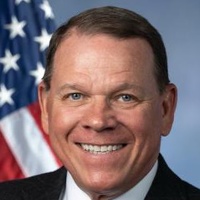
Sam Graves
Representative
MO
Sam Graves
Representative
MO
The **BUILD America 250 Act** is a comprehensive, multi-title bill authorizing federal surface transportation programs through 2031. It focuses on rebuilding highways and bridges, modernizing public transit, enhancing rail safety, and improving freight movement nationwide. Key provisions include new fees for electric vehicles, significant investments in accessibility for older transit stations, and stricter safety standards for commercial motor carriers.
This bill establishes the Smithsonian American Women's History Museum, designates its site on the National Mall, and sets requirements for its mission, construction, and diverse representation of viewpoints.
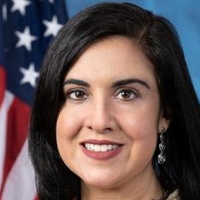
Nicole Malliotakis
Representative
NY
Nicole Malliotakis
Representative
NY
This act officially establishes the Smithsonian American Women’s History Museum and designates its location on the National Mall, requiring the transfer of land jurisdiction to the Smithsonian Institution. The museum is mandated to preserve and present the history and achievements of biological women in the United States. Furthermore, the legislation requires that exhibits and programs reflect diverse political viewpoints and authentic experiences of women, as guided by a broad array of knowledgeable sources.