Legislative Activity
Track Raul's sponsored bills, co-sponsored legislation, and voting record
The SUPPLY Act establishes a new HUD insurance program for second mortgages used to finance the construction of accessory dwelling units (ADUs) and directs Fannie Mae and Freddie Mac to purchase and securitize those insured loans.
Sam Liccardo
Representative
CA
Sam Liccardo
Representative
CA
The Supporting Upgraded Property Projects and Lending for Yards (SUPPLY) Act establishes a new federal insurance program, managed by HUD, to specifically back second mortgages used for financing the construction of Accessory Dwelling Units (ADUs). This legislation also directs the FHFA to allow Fannie Mae and Freddie Mac to purchase and securitize these newly insured ADU construction loans, subject to risk oversight. The goal is to increase the availability of financing for property owners looking to add secondary housing units.
This act enhances protections for Medicare beneficiaries receiving orthotic and prosthetic care by ensuring required training accompanies direct shipments and expanding exemptions within competitive acquisition programs.
Glenn Thompson
Representative
PA
Glenn Thompson
Representative
PA
The Medicare Orthotics and Prosthetics Patient-Centered Care Act aims to enhance protections for Medicare beneficiaries receiving custom braces and artificial limbs. This bill ensures that payment will not be made for certain devices shipped directly to a patient without required training from a qualified practitioner. Additionally, it expands exemptions from competitive bidding for certain providers and clarifies access to replacement custom orthotic devices.
The Climate Health Emergency Act of 2025 mandates the Secretary of Health and Human Services to declare a public health emergency due to the escalating health risks posed by climate change.
Maxine Dexter
Representative
OR
Maxine Dexter
Representative
OR
The Climate Health Emergency Act of 2025 declares that climate change poses the most significant public health threat of this century, directly driving a majority of recent public health emergencies. This Act mandates the Secretary of Health and Human Services to officially declare a public health emergency specifically due to the health risks associated with climate change. The goal is to mobilize federal resources and coordinate agencies to build a public health system capable of handling the growing strain of climate-related crises.
This bill directs HUD to create a federal insurance program for second mortgages used to finance the construction of accessory dwelling units (ADUs) and allows Fannie Mae and Freddie Mac to purchase and securitize those insured loans.
Sam Liccardo
Representative
CA
Sam Liccardo
Representative
CA
This bill directs the Secretary of Housing and Urban Development (HUD) to establish a federal insurance program for second mortgages used to finance the construction of Accessory Dwelling Units (ADUs). The program will insure loans up to a specified limit based on property value and potential rental income. Furthermore, it requires the FHFA Director to permit Fannie Mae and Freddie Mac to purchase and securitize these newly insured ADU construction loans, subject to market risk oversight.
This Act amends federal disaster relief law to explicitly include extreme heat and drought as qualifying events for major disaster declarations.
Sylvia Garcia
Representative
TX
Sylvia Garcia
Representative
TX
The Extreme Heat Emergency Act of 2025 amends federal law to formally recognize extreme heat and drought as qualifying events for major disaster declarations. This change ensures that regions suffering from severe heatwaves or droughts can access the same level of federal disaster relief assistance previously reserved for events like hurricanes or earthquakes.
This Act mandates federal standards requiring employers to implement comprehensive heat illness and injury prevention programs to protect workers from dangerous heat stress.
Judy Chu
Representative
CA
Judy Chu
Representative
CA
The Asunción Valdivia Heat Illness, Injury, and Fatality Prevention Act of 2025 mandates that employers protect workers from dangerous heat stress by establishing comprehensive safety standards. This Act requires the Secretary of Labor to create evidence-based rules covering engineering controls, administrative procedures, required training, and paid rest breaks to prevent heat-related illness. Furthermore, the law establishes strict enforcement mechanisms, whistleblower protections, and specific timelines for the implementation of these new federal heat protection standards.
The Cool Corridors Act of 2025 extends funding for the Healthy Streets program to prioritize installing green infrastructure like trees along transportation routes in heat-vulnerable communities to mitigate extreme heat and improve transit access.
Marilyn Strickland
Representative
WA
Marilyn Strickland
Representative
WA
The Cool Corridors Act of 2025 aims to combat extreme heat and improve transportation safety by funding the installation of green infrastructure, like trees, along walking, biking, and transit routes. This legislation reauthorizes and updates the Healthy Streets program to prioritize these cooling projects in the most vulnerable and underserved communities. The Act defines "cool corridors" and establishes clear criteria for demonstration projects focused on heat mitigation and long-term maintenance.
This Act mandates that VA medical staff promptly certify the deaths of veterans who died from natural causes within 48 hours to expedite burial and survivor benefits.
Tom Emmer
Representative
MN
Tom Emmer
Representative
MN
The Veteran Burial Timeliness and Death Certificate Accountability Act addresses significant delays in obtaining death certificates for veterans who die from natural causes, often due to VA medical staff delays. This bill mandates that VA medical providers must certify a veteran's death within 48 hours or allow the local medical examiner to step in. Furthermore, the VA must annually report on its compliance with this new timely certification requirement.
This bill authorizes the creation and sale of commemorative coins for the 2028 Los Angeles and 2034 Salt Lake City Olympic and Paralympic Games to help fund the events, with all surcharges going to the respective organizing committees after covering production costs.
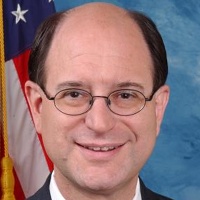
Brad Sherman
Representative
CA
Brad Sherman
Representative
CA
This Act authorizes the Secretary of the Treasury to mint and sell special commemorative coins for the 2028 Los Angeles Olympic and Paralympic Games and the 2034 Salt Lake City Winter Olympic and Paralympic Games. The coins will feature designs celebrating American athletes and the Games themselves. All surcharges collected from the sale of these coins will be directed to the respective organizing committees to help fund the events and related youth sports programs. The entire program must be conducted at no cost to the U.S. Government.
This resolution expresses support for designating July 10th as Journeyman Lineworkers Recognition Day to honor the dangerous and essential service provided by these workers, especially during crises.
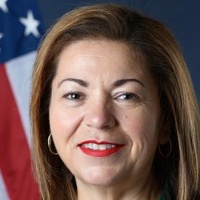
Linda Sánchez
Representative
CA
Linda Sánchez
Representative
CA
This resolution expresses support for designating July 10th as Journeyman Lineworkers Recognition Day. It honors the essential and dangerous work performed by these skilled professionals, especially their heroic efforts in restoring power after major disasters. The day serves to recognize their service and remember those who have lost their lives performing this vital work.
The Border Water Quality Restoration and Protection Act establishes federal programs and funding to coordinate and execute comprehensive cleanup and infrastructure improvements for the severely polluted Tijuana and New River watersheds along the U.S.-Mexico border.
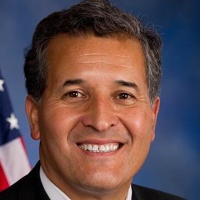
Juan Vargas
Representative
CA
Juan Vargas
Representative
CA
The Border Water Quality Restoration and Protection Act establishes federal programs managed by the EPA to coordinate and fund comprehensive cleanup efforts for the severely polluted Tijuana and New Rivers. The bill mandates the creation of prioritized action plans, authorizes significant funding for infrastructure projects, and directs resources toward improving public health and environmental quality along the U.S.-Mexico border. It also provides financial assistance for essential drinking water, wastewater, and stormwater system improvements near the border.
This act amends tax law to allow taxpayers to deduct wagering losses dollar-for-dollar against their wagering winnings, up to the full amount of those winnings.
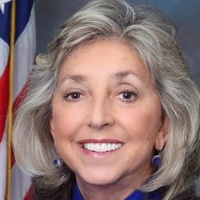
Dina Titus
Representative
NV
Dina Titus
Representative
NV
The FAIR Bet Act amends tax law to allow taxpayers to deduct wagering losses dollar-for-dollar against their wagering winnings, up to 100% of those winnings. This change modifies the previous limitation on deducting gambling losses. Essentially, it ensures that gambling losses can fully offset gambling income for tax purposes.
This bill establishes a grant program to help high-need school districts hire, retain, and diversify mental health professionals to expand student access to services.
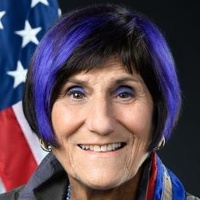
Rosa DeLauro
Representative
CT
Rosa DeLauro
Representative
CT
The Expanding Access to Mental Health Services in Schools Act of 2025 establishes a new federal grant program to increase the number of mental health professionals in high-need school districts. This funding is specifically designed to help eligible agencies recruit, hire, and retain school counselors, psychologists, and social workers. Grantees must demonstrate a plan to improve student-to-provider ratios and report annually on staffing improvements and provider retention.
The Treat and Reduce Obesity Act of 2025 expands Medicare coverage for intensive behavioral therapy for obesity and mandates Part D coverage for certain weight management medications for eligible beneficiaries.
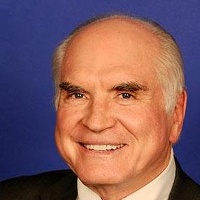
Mike Kelly
Representative
PA
Mike Kelly
Representative
PA
The Treat and Reduce Obesity Act of 2025 aims to combat the growing obesity epidemic, particularly among older adults, by expanding access to intensive behavioral therapy under Medicare. This bill mandates that Medicare Part D plans begin covering FDA-approved medications for obesity and weight management in individuals with related health conditions. Finally, it requires the Secretary of HHS to report regularly to Congress on the implementation and coordination of these new obesity treatment strategies.
This Act mandates that federal officers involved in border security or immigration enforcement must clearly display identification, wear visible uniforms or badges, and not conceal their faces during detentions or arrests.

Dan Goldman
Representative
NY
Dan Goldman
Representative
NY
The No Secret Police Act of 2025 mandates that federal officers engaged in border security or immigration enforcement must clearly display identification, wear visible badges or uniforms, and refrain from wearing face coverings during detentions or arrests. This ensures accountability by requiring clear identification from Department of Homeland Security (DHS) personnel. The bill also requires the Secretary of Homeland Security to report on current tactical gear policies and research methods to improve officer visibility.
The CONNECT for Health Act of 2025 permanently expands Medicare telehealth access by removing geographic restrictions, increasing practitioner flexibility, bolstering program integrity, and mandating supports for quality remote care delivery.
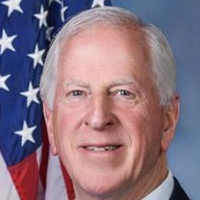
Mike Thompson
Representative
CA
Mike Thompson
Representative
CA
The CONNECT for Health Act of 2025 significantly expands and permanently secures access to Medicare telehealth services by eliminating outdated geographic restrictions and allowing more practitioners to offer remote care. The bill also strengthens program integrity by dedicating funds for telehealth oversight while clarifying rules around providing necessary technology to patients. Finally, it mandates the creation of tailored educational resources and public reporting to improve quality measurement and transparency in remote care delivery.
This resolution formally recognizes the history, achievements, and ongoing struggles of the LGBTQIA+ community while encouraging the celebration of Pride Month and affirming that LGBTQIA+ rights are human rights.
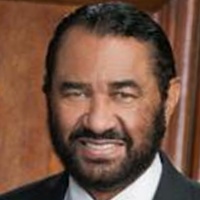
Al Green
Representative
TX
Al Green
Representative
TX
This resolution formally recognizes the history, achievements, and ongoing struggles of the LGBTQIA+ community in the United States. It serves as a declaration by Congress affirming that LGBTQIA+ rights are human rights and encouraging the celebration of Pride Month. The bill highlights key historical milestones, legal victories, and acknowledges the persistent challenges and violence faced by the community. Ultimately, it commits the U.S. to continuing the pursuit of full equality for all citizens.
This bill makes technical corrections and clarifications to the Camp Lejeune Justice Act of 2022, including adjusting venue options, setting standards of proof, and capping attorney fees, all retroactively applied to August 10, 2022.
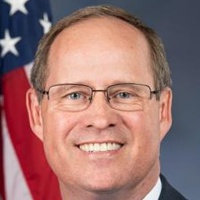
Gregory Murphy
Representative
NC
Gregory Murphy
Representative
NC
The Ensuring Justice for Camp Lejeune Victims Act of 2025 makes technical corrections to the 2022 Camp Lejeune Justice Act to clarify standards for proving harm and venue for trials. This legislation sets specific caps on attorney fees and retroactively applies these changes to all existing and future claims filed under the original 2022 Act. The bill ensures that existing statutes of limitations for filing claims remain unchanged.
This resolution recognizes the right to peaceful protest while condemning violence and criticizing the federal government's controversial deployment of military forces during recent Los Angeles demonstrations.
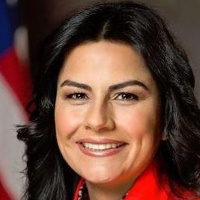
Nanette Barragán
Representative
CA
Nanette Barragán
Representative
CA
This resolution formally recognizes the constitutional right to peaceful protest while strongly condemning violence and illegal acts committed during demonstrations. It criticizes the federal government's deployment of military forces during recent events, arguing the actions were an overreach that bypassed proper legal and state authority. Ultimately, the bill asserts the importance of transparency in law enforcement and denounces rhetoric that escalates community tensions.
The Women’s Health Protection Act of 2025 establishes a federal right to access abortion services before fetal viability and protects the right to travel for care, overriding state restrictions that place burdens on abortion access not imposed on comparable medical procedures.
Judy Chu
Representative
CA
Judy Chu
Representative
CA
The Women’s Health Protection Act of 2025 establishes a federal statutory right to access abortion services, prohibiting medically unnecessary restrictions that impede care before fetal viability. This Act protects the right of patients to travel across state lines to receive reproductive healthcare and allows providers to offer services free from state interference that conflicts with established medical standards. It preempts conflicting state and local laws and provides robust enforcement mechanisms for individuals and the Attorney General to challenge violations.